4.38% Inflation Isn't a Crisis, But the Kitchen Table Doesn't Read Averages
June's CPI print stayed inside the RBI's tolerance band, but food inflation at 5.32% shows the burden falls hardest on those least able to bear it.
Opinion & Analysis ·
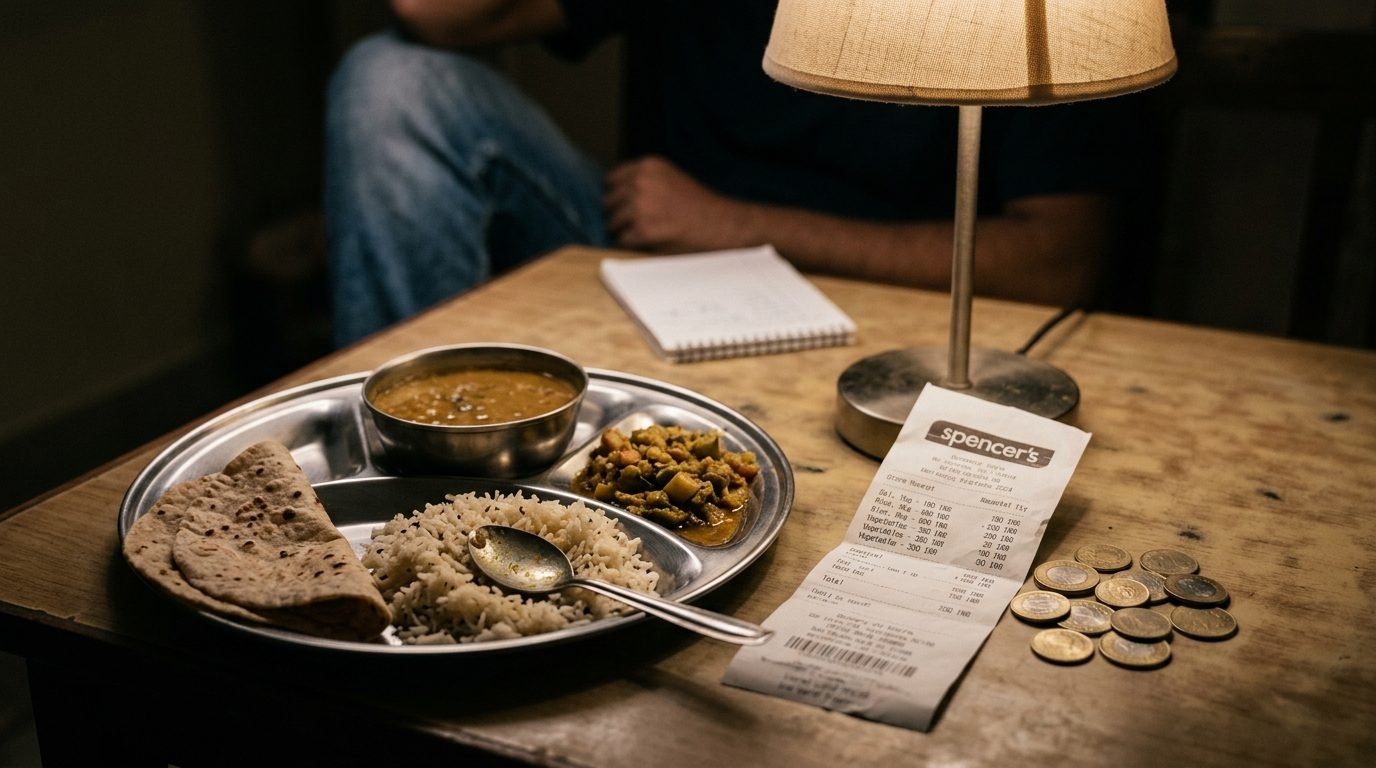
A single decimal point does not usually make news, but 4.38% has. India's retail inflation for June 2026 has climbed above the Reserve Bank of India's 4% target midpoint for the first time in 17 months, and food prices have led the charge. We think the reaction to this number, in both directions, has been too glib. It is not a crisis. But it is also not nothing, and the temptation to file it away as statistical noise is precisely the complacency that lets modest price pressure harden into something worse.
Why 4.38% deserves more than a shrug
The headline figure rose from 3.93% in May, moving past the RBI's medium-term target midpoint for the first time in almost a year and a half. The Consumer Food Price Index came in even hotter, at 5.32% year on year. Neither number breaches the RBI's formal tolerance band of 2% to 6%, and it would be alarmist to describe one monthly reading as a crisis. But we would argue that the significance of this data point lies less in its size than in its direction and its source. Inflation did not merely tick up; it was pulled up by food, the single category that ordinary households feel most acutely and have the least ability to defer or substitute away from.
It is worth being precise about what a 4.38% CPI reading actually means. It is an average across a broad basket of goods and services, not a uniform 4.38% increase applied to everything a family buys. That distinction matters enormously, because it is also where the case for complacency quietly smuggles itself in.
The kitchen table doesn't experience an average
This is the heart of our argument: the CPI is a policymaker's number before it is a household's number. Families experience inflation according to what they actually spend on, and food, fuel, rent, education, health and transport are not weighted the same way in every home. Lower-income households, by their nature, spend a disproportionate share of their budgets on food and other essentials. When food inflation runs at 5.32% while the headline sits at 4.38%, the burden is not evenly distributed. It falls hardest on those with the least room to absorb it.
We think this is the point too often lost when officials reassure the public that a single month's reading remains within the statutory band. Technically true, and beside the point for a household watching vegetables, cereals and pulses become more expensive at the very moment monsoon patterns are behaving unevenly, with heavy rain risk in the east and northeast and subdued activity elsewhere. Weather-driven food inflation is not an abstraction to a family budgeting week to week; it is the most immediate and visible form price pressure takes.
The RBI's dilemma, and why caution now is the right call
We do not envy the Reserve Bank's position. Its mandate is to hold inflation near 4%, within a 2% to 6% band, and it must now judge whether June's acceleration is a passing food-price wobble or the start of something more persistent and broad-based. Cutting rates further in this environment risks stimulating demand precisely when price pressure is rising, which could undercut the credibility the central bank has built over a stretch of comparatively moderate inflation. Holding steady, or moving cautiously, costs less in this instance than being wrong.
The strongest counterargument to our position is a fair one: a single monthly print, especially one driven by volatile items like vegetables and jewellery-related goods, is a poor basis for policy change. Food prices are seasonal, weather-sensitive and prone to sharp reversals once fresh supply reaches markets. There is real substance to the view that reacting to one data point is itself a kind of error, mistaking noise for signal. We accept this. Our disagreement is not with patience as a strategy; it is with treating patience as an excuse to stop watching closely. The RBI, to its credit, appears to be doing exactly what should happen next, examining core inflation measures, wage trends and services prices rather than reacting to the headline alone. That is the right instinct, and it should not be mistaken for inaction.
What should happen next
We believe the next two months matter more than this one did. Policymakers should resist the pull toward premature rate cuts until the composition of inflation becomes clearer, and should lean instead on the tools better suited to food-price volatility: buffer stocks, sensible import and export policy, and transparent data on crop arrivals and retail margins, so that genuine scarcity can be told apart from opportunistic mark-ups. Poorly designed price controls create shortages; well-targeted ones protect the households that need protecting without distorting supply for everyone else.
Businesses, meanwhile, face their own reckoning. Retailers and manufacturers absorbing higher input costs will soon have to decide whether to pass them on, and small firms with weaker supplier leverage and less ability to hedge fuel and commodity costs are the most exposed. We would rather see that adjustment play out gradually over the coming months than see firms panic into aggressive price increases that further squeeze demand. Households, for their part, have limited tools, comparing unit prices, cutting food waste, reviewing variable-rate debt, but these are coping mechanisms, not solutions. They should not be mistaken for a substitute for credible monetary policy and functioning agricultural supply chains.
There is also a quieter structural point worth flagging. The CPI series has moved to a 2024 base year, intended to better reflect how Indians actually spend money today, including on digital services and transport. That is a sensible modernisation, but it also means comparisons with older inflation readings deserve some caution until it is clear how historical figures have been linked or recalculated. Anyone drawing sweeping conclusions from long-run trend lines right now should say so plainly.
The bottom line
- June's 4.38% CPI reading, up from 3.93% in May, is the first breach of the RBI's 4% target midpoint in 17 months, and food inflation at 5.32% is doing the heavy lifting.
- Averages mask distribution: lower-income households, who spend more of their budgets on food, are absorbing more of this pressure than the headline number suggests.
- One monthly print is not proof of a trend, and the RBI is right to weigh core inflation, wages and services prices rather than react to the headline alone, but that caution must not slide into complacency.
- The real test is not whether inflation touched 4.38% in June, but whether it keeps climbing through July and August as the monsoon's uneven distribution plays out across food markets.
You may also like to read
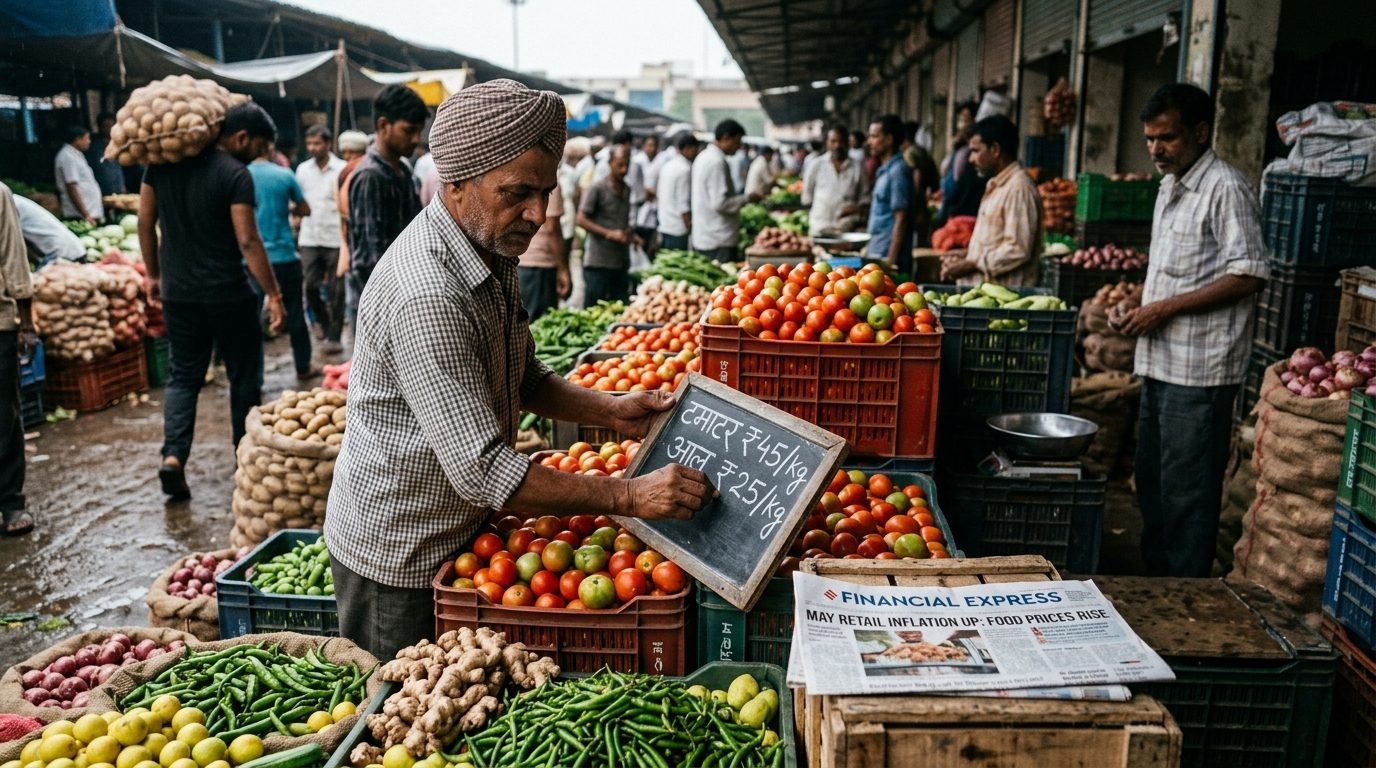
India's Retail Inflation Edges Up to 3.93% in May on Costlier Food
Headline CPI rose from April's 3.48% as food inflation climbed to 4.78%, with tomato and personal-care prices among the biggest pressure points.
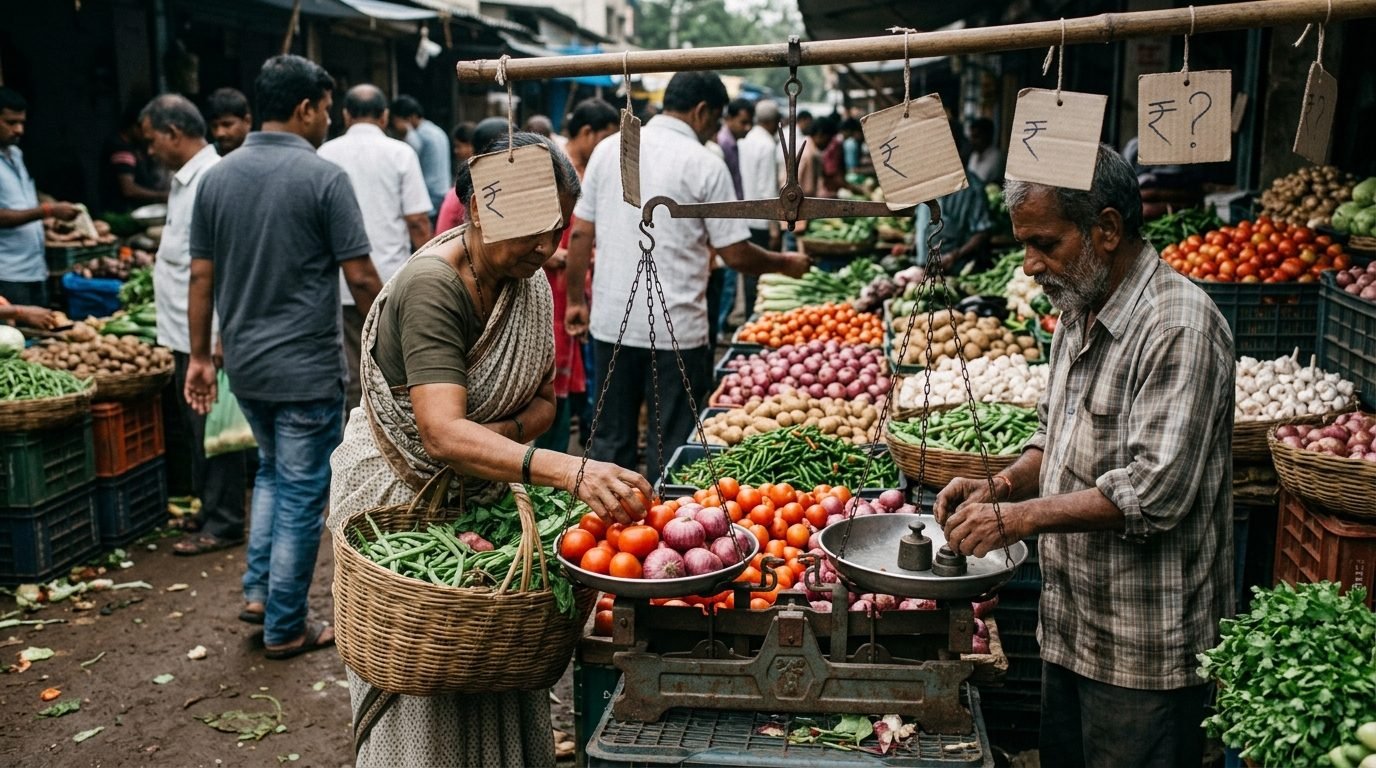
Retail inflation climbs to 3.93% in May as food prices firm up
Consumer price inflation rose from 3.48% in April, driven largely by a pick-up in food costs, even as the headline figure stayed within the Reserve Bank's comfort band.

The Hormuz crisis has exposed India's biggest energy blind spot
A tanker attack and a Qatar gas blast both killed mostly Indians in weeks apart — proof that New Delhi's energy security has never been more than a workforce security problem in disguise.
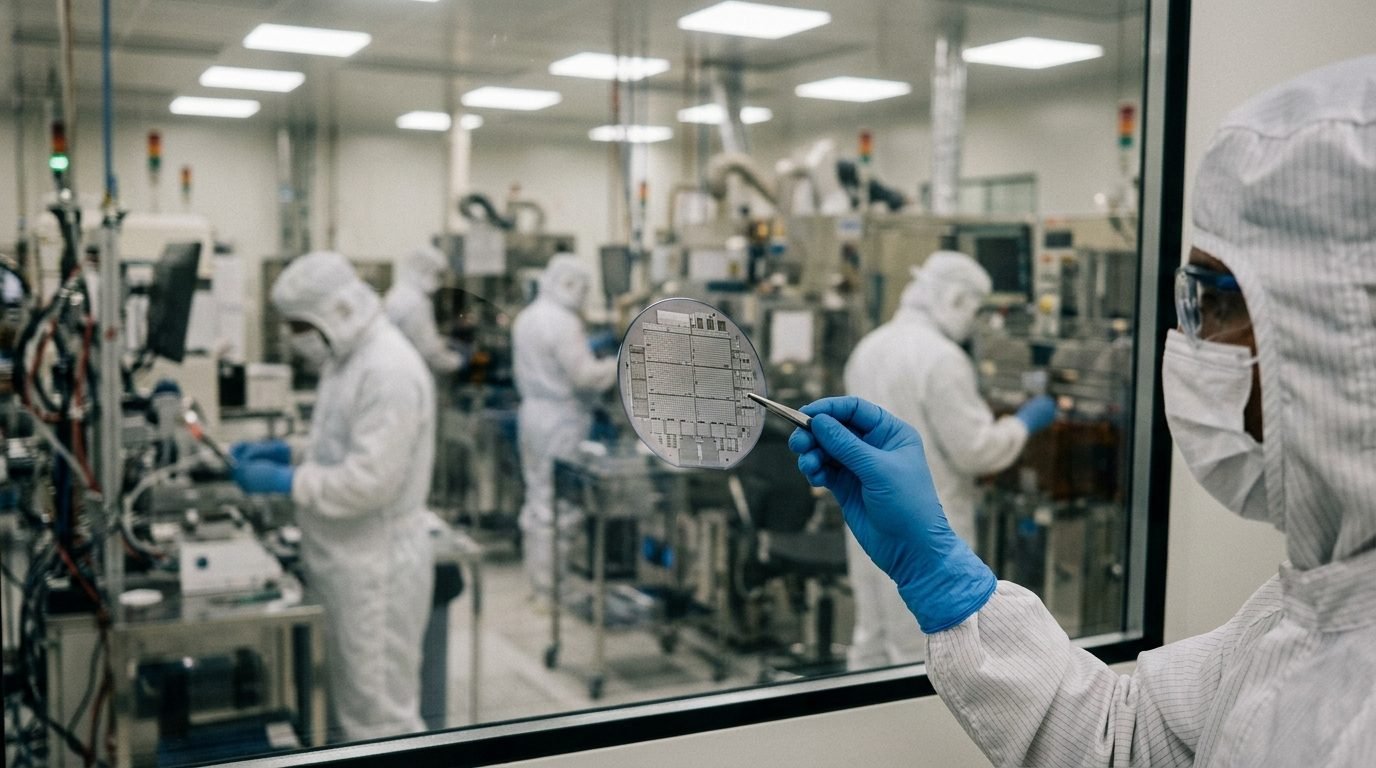
The Semiconductor Bet: India's Sanand Plant Is a Beginning, Not an Arrival
CG Semi's Sanand launch converts India's chip ambitions into real capacity for the first time, but the country must judge this bet by years of execution, not one ribbon-cutting.