The Semiconductor Bet: India's Sanand Plant Is a Beginning, Not an Arrival
CG Semi's Sanand launch converts India's chip ambitions into real capacity for the first time, but the country must judge this bet by years of execution, not one ribbon-cutting.
Opinion & Analysis ·
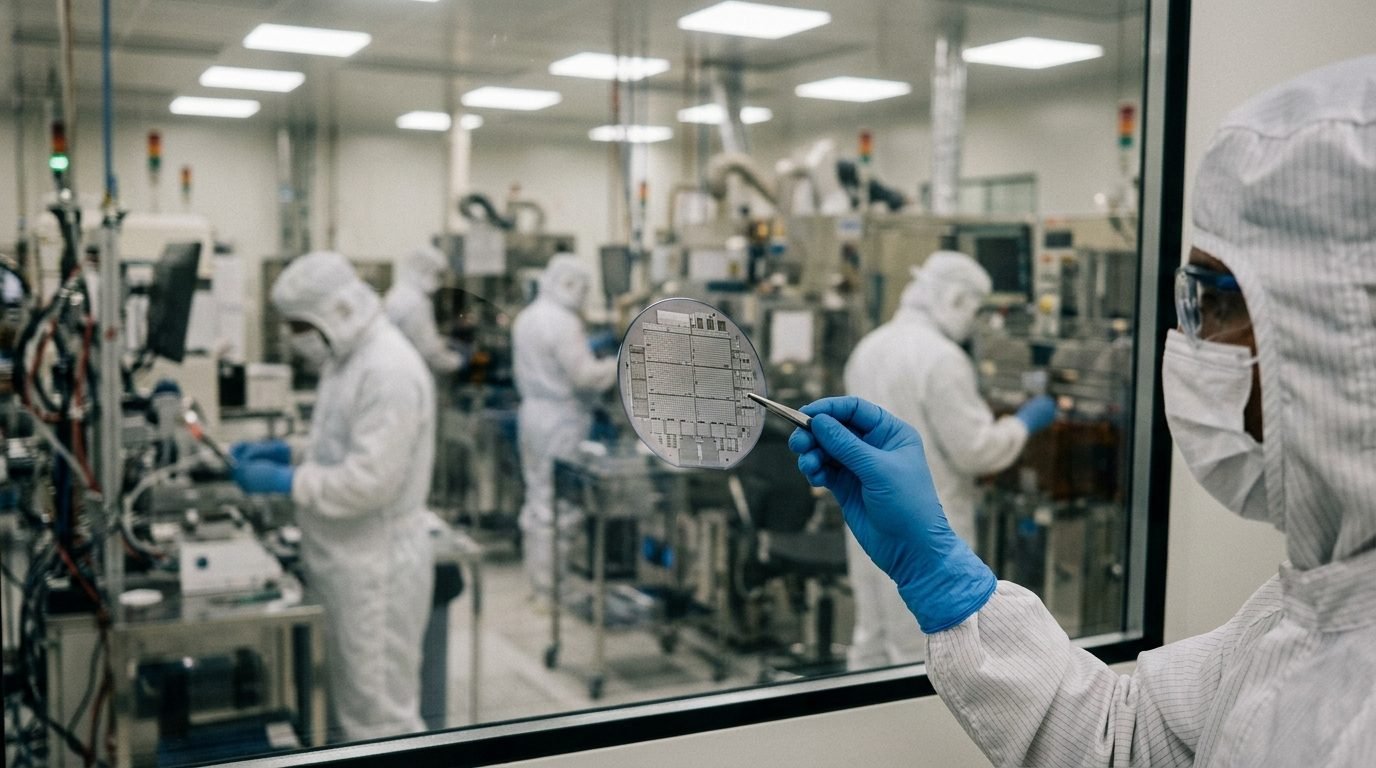
India's semiconductor dream has just acquired a working address. When Prime Minister Narendra Modi inaugurated CG Semi's Outsourced Semiconductor Assembly and Test facility in Sanand, Gujarat, the country moved from years of announcements and memoranda of understanding to something that actually packages and tests chips. We should welcome this. But we should also resist the temptation, always present at ribbon-cuttings, to mistake a beginning for an arrival. India has not built a semiconductor industry. It has built one plant in one town that does one part of the job — and the honest test of this bet will be measured not in inauguration-day applause but in the unglamorous years that follow.
A modest plant, correctly chosen
There is reason to be encouraged, and it lies precisely in how unspectacular this facility is. OSAT work — assembling, packaging and testing chips so they can be fitted into a phone, a car dashboard or a server — is less capital-intensive than advanced fabrication, yet still technically demanding. It is not an attempt to leapfrog into cutting-edge chipmaking, where the barriers of cost, expertise and equipment access remain formidable, and where Taiwan, South Korea, China, Japan, the United States and Europe hold decades of accumulated advantage. Sanand instead builds supplier networks, technical jobs and industrial discipline — groundwork more advanced projects will eventually need. That is not a small ambition dressed up as a big one; it is correct sequencing for a country starting from a limited base, and it deserves credit for choosing the achievable over the impressive.
The Gujarat cluster logic is sound, but unproven at scale
Gujarat has anchored several of India's semiconductor and electronics announcements, and Sanand's facility adds to that base rather than starting one from nothing. This clustering logic is not sentimental regional boosterism; it reflects how the industry works. Semiconductor manufacturing depends on dense webs of suppliers, specialised contractors, testing labs and logistics providers operating close together, and a single isolated plant — however well built — struggles to capture the efficiencies of having all that nearby. The comparison officials have drawn to India's mobile phone manufacturing success, which made the country the world's second-largest mobile phone manufacturer and exporter, is instructive: that success came from years of incentives, patient investment and the gradual localisation of components, not from a single launch event. The bet embedded in Sanand is that the same patient sequence — assembly-adjacent work first, higher-value activity later — can be repeated in chips. It is a reasonable bet. It is not yet a proven one.
The strongest counterargument: is this just theatre before the hard part?
The fair challenge here is that India has seen this movie before — a headline launch, a prime ministerial visit, a wave of coverage, then years of quiet in which the harder questions go unanswered. That scepticism is not unreasonable. Building a genuine semiconductor ecosystem requires reliable power and water supply, clean-room expertise, a dependable base of materials suppliers, trained engineers and predictable policy, sustained over years, not photographed in an afternoon. India is not competing on equal footing with economies that have run these ecosystems for decades. And the risk specific to Sanand is narrower still: that the plant becomes a relatively self-contained enclave, importing most of its specialised inputs from elsewhere, rather than seeding the local supplier development and ancillary employment — maintenance, logistics, quality control, engineering services — that would let its economic benefit spread beyond CG Semi's own payroll. We take this seriously: it is the difference between a plant that transforms a region and one that merely sits in it.
Why the bet is still worth making
None of that scepticism is a reason to dismiss what has been built; it is a reason to watch what happens next, which is where the real argument for this strategy holds up. Semiconductors sit inside smartphones, cars, defence systems, appliances and AI hardware, and recent global supply disruptions have shown how dependence on a handful of overseas suppliers creates vulnerability that ripples across industries — a shortage in one region can idle car factories and complicate defence procurement thousands of miles away. Building domestic capacity, even at the less advanced end of the value chain, is as much a hedge against future shocks as an industrial policy ambition. There is a live illustration of why that hedge matters: surging demand for memory and storage chips from AI data centres is already squeezing global supply and threatens costlier smartphones and laptops for Indian consumers, with price-sensitive and first-time buyers likely to feel it hardest. Domestic capacity will not cushion that shock — it is years away — but it sharpens the case that a country reliant on imported chips cannot simply wait out the world's supply cycles.
What should happen next
If Sanand is to mean more than a good photograph, three things need to happen in full public view. First, the plant must ramp up production on the timeline it has set for itself — slippage should be reported as plainly as the launch was celebrated. Second, it must meet the exacting quality standards global electronics customers demand, for a genuinely diversified customer base rather than a handful of anchor clients who could walk away. Third, policymakers and local businesses must actively pursue the harder, less visible work of drawing ancillary firms into the supply chain, rather than letting the region host an enclave that could, in principle, have been built anywhere. Investors and rival manufacturing hubs abroad will be watching precisely these questions, and so should Indian taxpayers underwriting this strategy. Success should be measured in supplier contracts, quality certifications and repeat orders, not applause at the gate.
The bottom line
- The Sanand launch is a genuine milestone because it converts years of semiconductor policy promises into actual working capacity — but it is one plant doing one modest stage of the value chain, not a semiconductor industry.
- Choosing assembly and testing over advanced fabrication was the right call for a country starting from a limited base, and it mirrors the patient, incremental path that made India a mobile phone manufacturing power.
- The strongest risk is that Sanand becomes an isolated enclave rather than the seed of a genuine regional cluster; whether local firms actually join its supply chain is the test that matters most.
- With AI-driven demand already squeezing global chip supply and threatening higher device prices for Indian consumers, the case for building domestic capacity is only getting stronger — but the payoff is years away, and India should judge this bet on execution, not on ribbon-cuttings.
You may also like to read
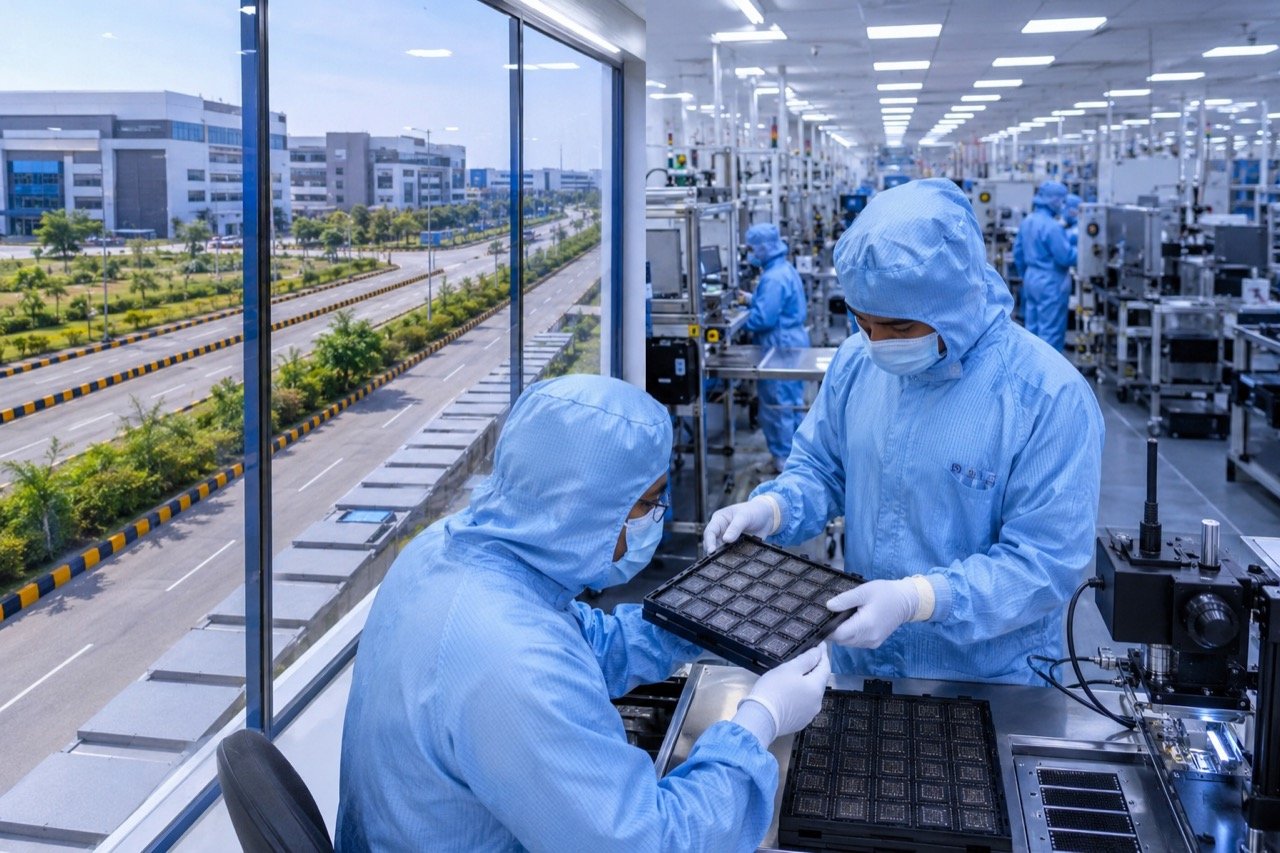
CG Semi Sanand Plant Opens, Boosting India's Semiconductor Drive
Prime Minister Narendra Modi inaugurated CG Semi's chip assembly and test facility in Sanand, Gujarat, giving India's semiconductor mission a working manufacturing milestone rather than another policy promise.
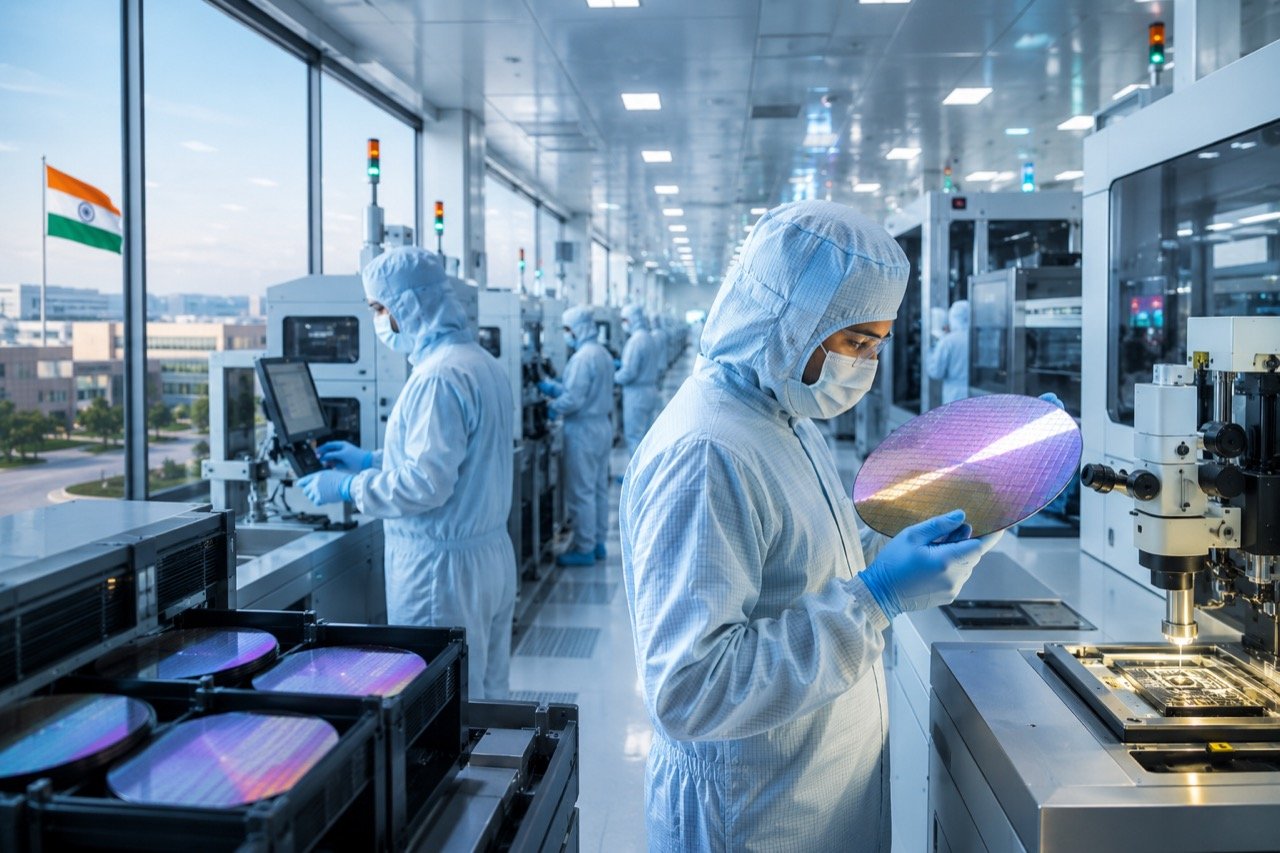
Sanand Semiconductor Plant: What CG Semi's Launch Means for India
Commercial production at CG Semi's chip assembly and test facility in Sanand, marked by remarks from Prime Minister Modi, has renewed focus on how far India's semiconductor manufacturing push has actually come.
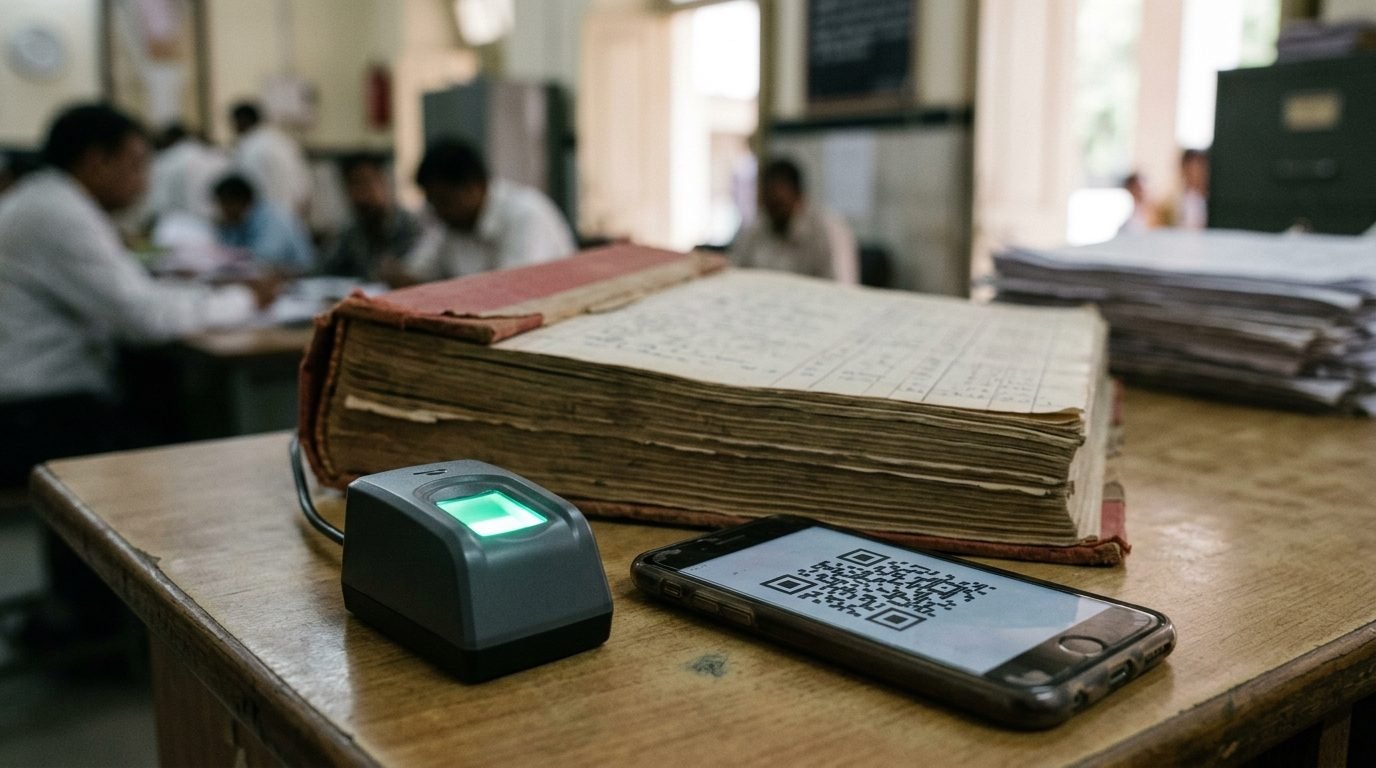
Aadhaar's 31 Million Downloads Are the Quiet Engine of India's Payments Ambition
India's digital payments push is really an identity project in disguise, and the country is scaling it faster than it is building the privacy guardrails to match.

4.38% Inflation Isn't a Crisis, But the Kitchen Table Doesn't Read Averages
June's CPI print stayed inside the RBI's tolerance band, but food inflation at 5.32% shows the burden falls hardest on those least able to bear it.