Aadhaar's 31 Million Downloads Are the Quiet Engine of India's Payments Ambition
India's digital payments push is really an identity project in disguise, and the country is scaling it faster than it is building the privacy guardrails to match.
Opinion & Analysis ·
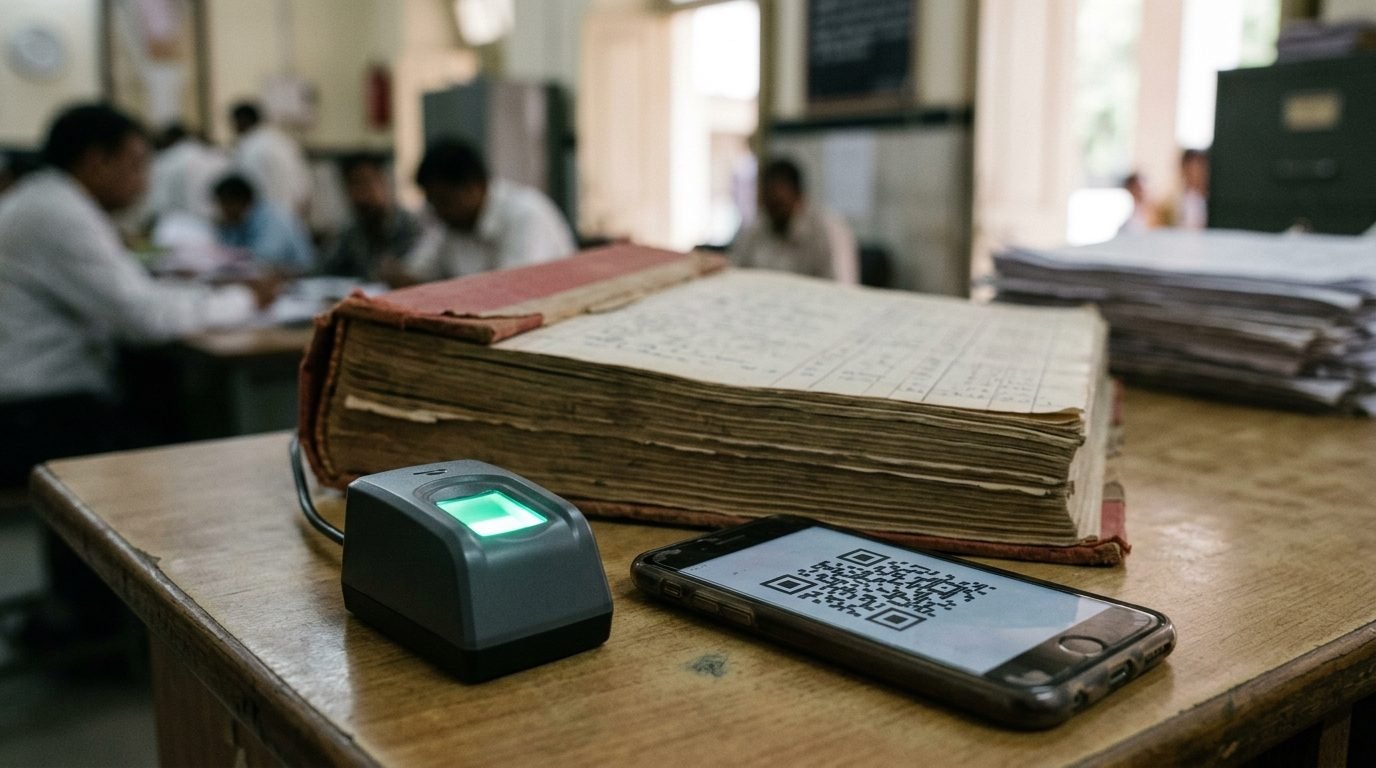
India's digital payments ambition is not really about payments anymore. It is about identity, and the country would do well to admit that plainly. The Aadhaar mobile app's climb past 31 million downloads is being read as a story about convenience: fewer photocopies, faster verification, one QR code doing the work a bundle of documents used to do. But the real story is that India has built, almost by stealth, a single digital thread running through welfare, banking, telecom, travel and education, and it is now asking that thread to carry the country's payments ambitions further still. We think that ambition is worth backing. We also think it is being pursued faster than the safeguards meant to contain it, and that gap is the story India's regulators are not yet telling straight.
One system, doing far more than payments
The Aadhaar app was built to let residents access their profile, present QR-code based identity proof and manage consent-based sharing of their own data, replacing the ritual of handing over a full physical card with every field exposed. That is an identity project. But identity and payments in India have never been separate systems; they are two faces of the same infrastructure, because so much of "digital India" runs on linking a verified identity to a bank account and a phone number. When a resident authenticates with Aadhaar to open an account, board a flight or draw a subsidy, they are also plugging into the rails that make instant digital payment possible. The 31 million downloads are not a side note to India's payments story; they are the identity layer underneath it, quietly getting thicker.
That is why the milestone deserves more scrutiny than a good-news reading allows. Aadhaar was conceived to solve a genuine inclusion problem, giving people who had never had reliable paper documentation a way to prove who they were and draw on the state and the banking system. It has plainly done that. But a system built for inclusion and a system now asked to underwrite instant, everyday commercial verification are not the same design brief, and India has largely proceeded as if they are.
The case for the ambition
None of this is an argument against India's digital payments push. The shift from full-document disclosure to QR-based, consent-based sharing is, in design intent, a shift toward minimising what gets exposed in any transaction. A citizen who can prove a single fact, that they are old enough, that they are who the record says, without handing over a name, address, date of birth and identity number in one packet, is better protected than one who cannot. That is the difference between a system that leaks by default and one designed to leak less.
There is also a straightforward efficiency argument. Aadhaar-linked authentication already touches welfare delivery, banking, telecom, travel and private-sector onboarding. A population that has learned to authenticate itself this way can move fast when new services, including new payment corridors, are layered on top. The download numbers suggest this infrastructure is no longer imposed on citizens by officials demanding photocopies; people are reaching for it themselves, and that is the foundation any serious payments ambition needs.
The counterargument, taken seriously
The strongest objection to treating this as an unambiguous win is not that the technology is flawed, but that convenience at this scale concentrates risk faster than institutions can manage it. The more sectors that plug into Aadhaar-based verification, the more valuable the underlying data becomes as a single thread connecting a person's financial, civic and personal life, and that concentration of value is what makes it an attractive target for misuse. A stale mobile number, forgotten after a change of operator, can lock someone out of a bank account, a subsidy or a travel booking that now assumes seamless one-time-password verification, a small administrative failure with a real human cost. Nor is selective disclosure self-enforcing: whether a QR scan actually protects a citizen's data depends on whether the bank teller, the hotel front desk or the telecom retailer on the other end respects the boundary of consent, rather than treating the scan as an excuse to extract more than the transaction requires. That is an institutional discipline problem, not a technology problem, and the one India has been slowest to address.
Where the accountability gap actually sits
This is where we think the debate has gone slightly astray. Commentary tends to focus on adoption figures and expanding use cases, because those are the numbers that get released and celebrated. Far less attention goes to the harder questions: who has authority to demand a scan, how is consent actually recorded rather than merely claimed, and where does the resulting data rest once collected. A system used by tens of millions cannot afford ambiguity in how complaints are handled, breaches disclosed or liability assigned when something goes wrong, yet these are the areas where public information is thinnest. The reason is that momentum is politically easier to sell than restraint: another sector plugged into Aadhaar-based verification is a straightforward story of progress, while a slower rollout in favour of ironclad grievance redress is a harder sell, even though it is the more responsible one.
What should happen next
The fix is not to slow the ambition; it is to make the guardrails keep pace with it. That means treating enforceable privacy protection, clear grievance redress and unambiguous rules on consent and data retention as prerequisites for extending Aadhaar-linked verification into new sectors, not as follow-up work addressed once adoption has scaled. It means holding every institution that demands a QR scan, from banks to telecom retailers to travel operators, to a consistent standard of what consent-based sharing permits them to collect. And it means being as transparent about breach disclosure and redress as India is about download milestones. Momentum has never been India's problem. Discipline has.
The bottom line
- The Aadhaar app's 31 million downloads reflect a shift toward consent-based, QR-driven verification that is the identity layer underneath India's wider digital payments ambition, not a separate achievement.
- Extending this infrastructure across welfare, banking, telecom and travel is worth backing, but it is proceeding faster than the privacy safeguards and institutional discipline needed to contain its risks.
- The strongest case against complacency is human and institutional failure: stale mobile numbers locking people out of essential services, and counter staff who may not respect consent-based sharing in practice.
- India should treat enforceable privacy guardrails and clear accountability for data misuse as conditions for further expansion, not afterthoughts, so that a tool built for inclusion does not harden into surveillance.
You may also like to read
Aadhaar's Convenience Must Not Outrun Its Consent
Thirty-one million Aadhaar downloads and a relaunched Aarogya Setu prove Indians want digital identity — but adoption is not proof that consent is being honoured.
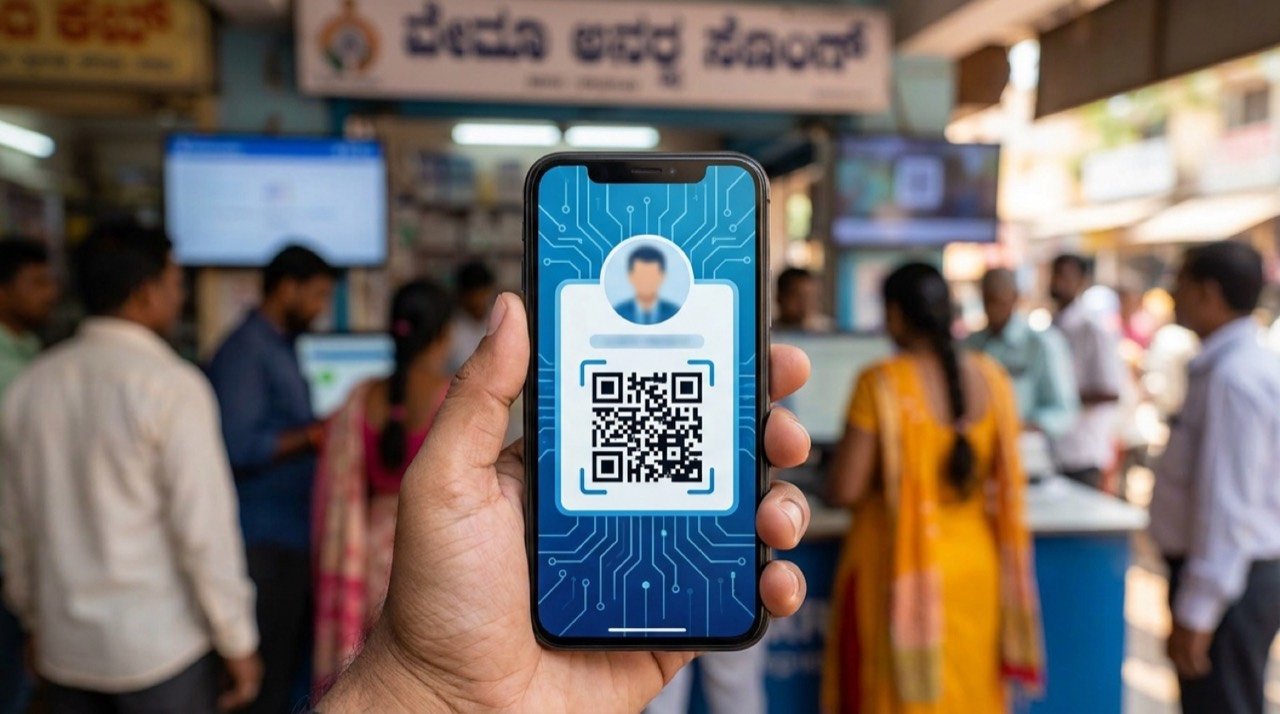
Aadhaar App Crosses 31 Million Downloads as Digital ID Use Expands
India's Aadhaar mobile app has passed 31 million downloads, underlining how QR-based digital identity is becoming part of everyday verification across welfare, banking, telecom and travel.
The Semiconductor Bet: India's Sanand Plant Is a Beginning, Not an Arrival
CG Semi's Sanand launch converts India's chip ambitions into real capacity for the first time, but the country must judge this bet by years of execution, not one ribbon-cutting.

What Reality TV Says About Us Is Not Flattering
India has made conflict and manufactured humiliation its top entertainment choice, and the genre's own warm hits prove that was never the only way to win.