NEET-UG 2026 Paper Leak Timeline: How an Examination Crisis Reached Jantar Mantar
A clear timeline of the NEET-UG 2026 cancellation, re-examination and accountability battle that helped trigger the current Jantar Mantar hunger strike
Commentary & Analysis ·
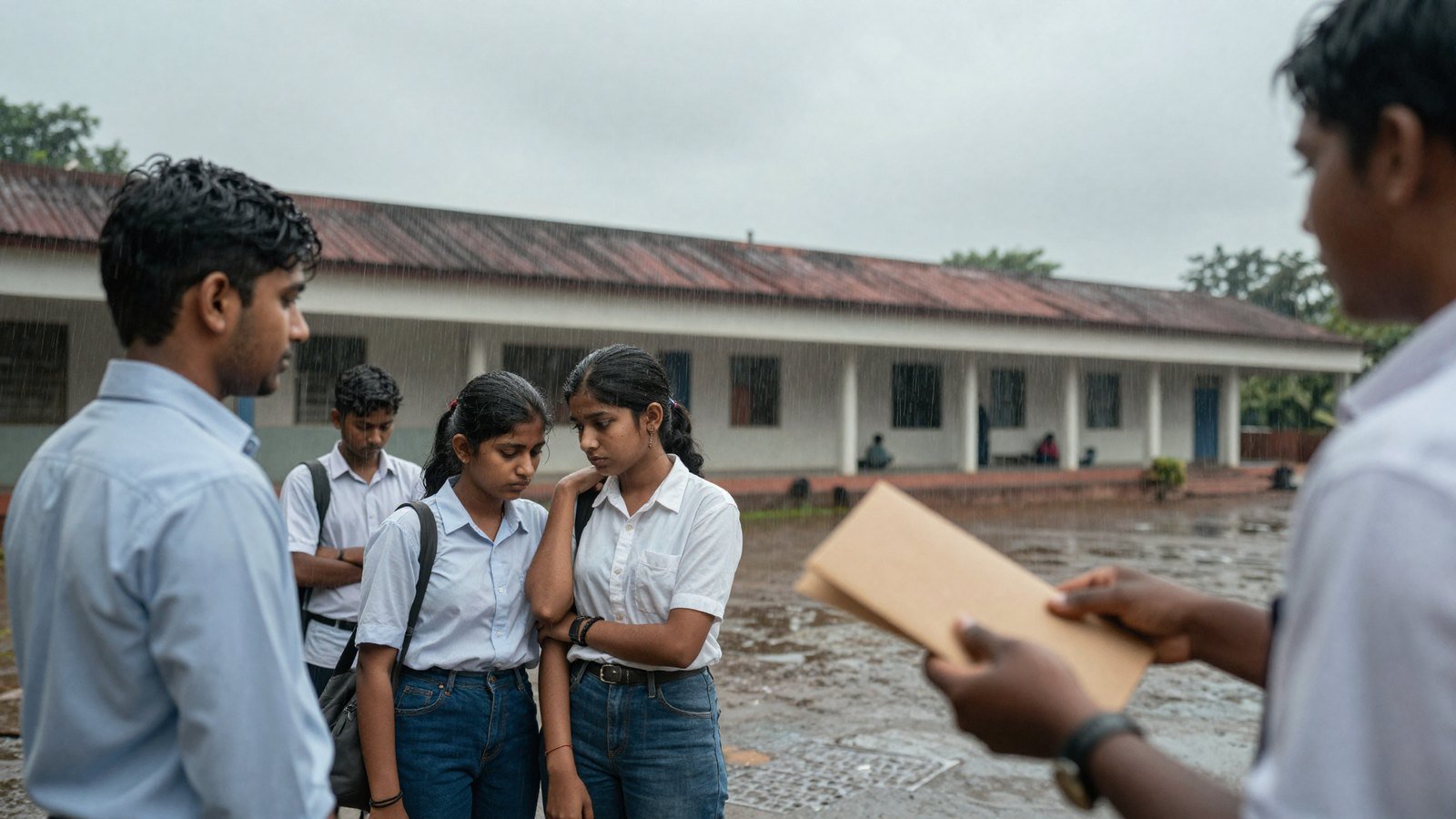
Key facts
- The original NEET-UG 2026 examination was held on May 3.
- The examination was cancelled amid paper-leak allegations and a re-examination was scheduled.
- NTA conducted the re-examination on June 21 and issued official notices and candidate guidance.
- The CJP protest began on June 20, and Wangchuk joined the hunger strike on June 28.
May 3: an examination with enormous stakes
NEET-UG is the gateway to undergraduate medical education for a vast number of Indian students. The May 3 examination therefore represented years of preparation, coaching fees, travel and family sacrifice. When allegations emerged that protected material had circulated improperly, the issue was not merely whether a few candidates cheated. A leak threatens the ranking system on which admissions depend. Even candidates who never saw leaked material become victims because their honest scores can no longer be trusted as comparable. This scale explains why cancellation, though disruptive, was presented as necessary to restore integrity.
Cancellation and the collapse of confidence
The decision to cancel the test created a second crisis. Students who believed the first examination had gone well lost their result, while others had to return immediately to intense preparation. Families faced new travel and accommodation costs. The National Testing Agency had to rebuild logistics across thousands of centres under greater scrutiny. Cancellation can protect fairness, but it also signals that the security system failed at the highest level. The protest movement grew because many aspirants felt that official announcements focused on the new date while avoiding the deeper questions of responsibility and prevention.
June 21: the re-examination
NTA’s official material confirmed that the re-examination would be held on June 21, with revised procedures and candidate advisories. The re-test allowed the admission calendar to move forward, but it did not erase the original disruption. Security measures, biometric checks, centre changes and strict instructions became part of the story. For the government, successful conduct of the re-exam was evidence that the system had recovered. For protesters, it was only the minimum administrative repair. They continued to ask how the breach happened and what consequences would follow for officials or contractors.
June 20 and June 28: protest and hunger strike
The Cockroach Janta Party began its Jantar Mantar protest on June 20, just before the re-examination. Wangchuk joined the indefinite fast on June 28. This sequence matters because it shows that the agitation was not simply an attempt to stop the re-test. Its focus was accountability after the immediate exam had been conducted. As days passed, the movement broadened into criticism of the education system, youth unemployment and institutional disrespect toward aspirants. The hunger strike gave those concerns a recognisable national figure and a continuing daily headline.
July: results, Parliament and unresolved questions
By mid-July, attention turned toward the expected re-examination results and a parliamentary committee review of NEET conduct. Those developments could provide evidence that institutions are responding, but they also create new expectations. Candidates need clarity on counselling and cut-offs. Parliamentarians need access to investigation findings. Protesters want public responsibility rather than private assurances. The July 20 march call deliberately links the movement to the parliamentary calendar, seeking to prevent the issue from disappearing once results are announced.
The policy lesson from the timeline
The timeline shows why examination governance must be designed for both prevention and recovery. Prevention requires secure question handling, audit trails and intelligence against leak networks. Recovery requires rapid, transparent communication, financial support for candidates and independent review. Accountability requires naming failures rather than hiding behind institutional complexity. The hunger strike has concentrated attention on the last element, but a complete solution needs all three. A re-examination can produce valid scores; only structural reform can restore trust.
What readers and publishers should monitor
Readers following this angle should track official NEET results, parliamentary committee findings, criminal investigation updates, candidate compensation measures, and new NTA security protocols. Because this is a fast-moving protest, every figure and procedural claim should carry a date. Health information should come from doctors or court records; protest logistics should come from organisers and police; legal conclusions should be tied to the actual order; and allegations about examination wrongdoing should remain attributed until established by investigation or judgment. The primary keyword should appear naturally in the headline, introduction, one subheading, image alt text and conclusion. Secondary terms should be used only where they answer a genuine reader question. Repeating a phrase mechanically can reduce readability and search quality. The strongest publication strategy is to update the article rather than create a misleading new headline for every minor development. Add a timestamp, preserve the earlier context, explain what has changed and correct outdated numbers visibly. That approach serves readers, protects credibility and prevents the hunger strike from being reduced to a stream of disconnected viral claims.
A final editorial perspective
A final point is that the issue should be covered as a democratic accountability story rather than a contest of personal endurance. The policy questions concern secure examinations, public responsibility, student welfare and the state’s response to peaceful dissent. The human question concerns how to protect a protester’s life without erasing autonomy or turning medical risk into spectacle. Good reporting keeps both dimensions visible. It presents competing arguments fairly, marks uncertainty, uses precise dates and returns repeatedly to the people most affected: students and families who need a trustworthy system. The article should also explain what would count as evidence of progress, which institution has authority to act, and how readers can distinguish an official update from a political claim. That additional context makes the piece useful after the immediate search spike fades.
Sources
- NTA official website and NEET-UG 2026 re-examination FAQs.
- Economic Times timeline of the cancellation and leak allegations, May 2026.
- Times of India report on the parliamentary panel review, July 2026.
- AP and Indian Express reporting on the Jantar Mantar protest timeline.
This article is original news analysis and commentary by The NE Times, based on reporting from the sources listed above.
You may also like to read
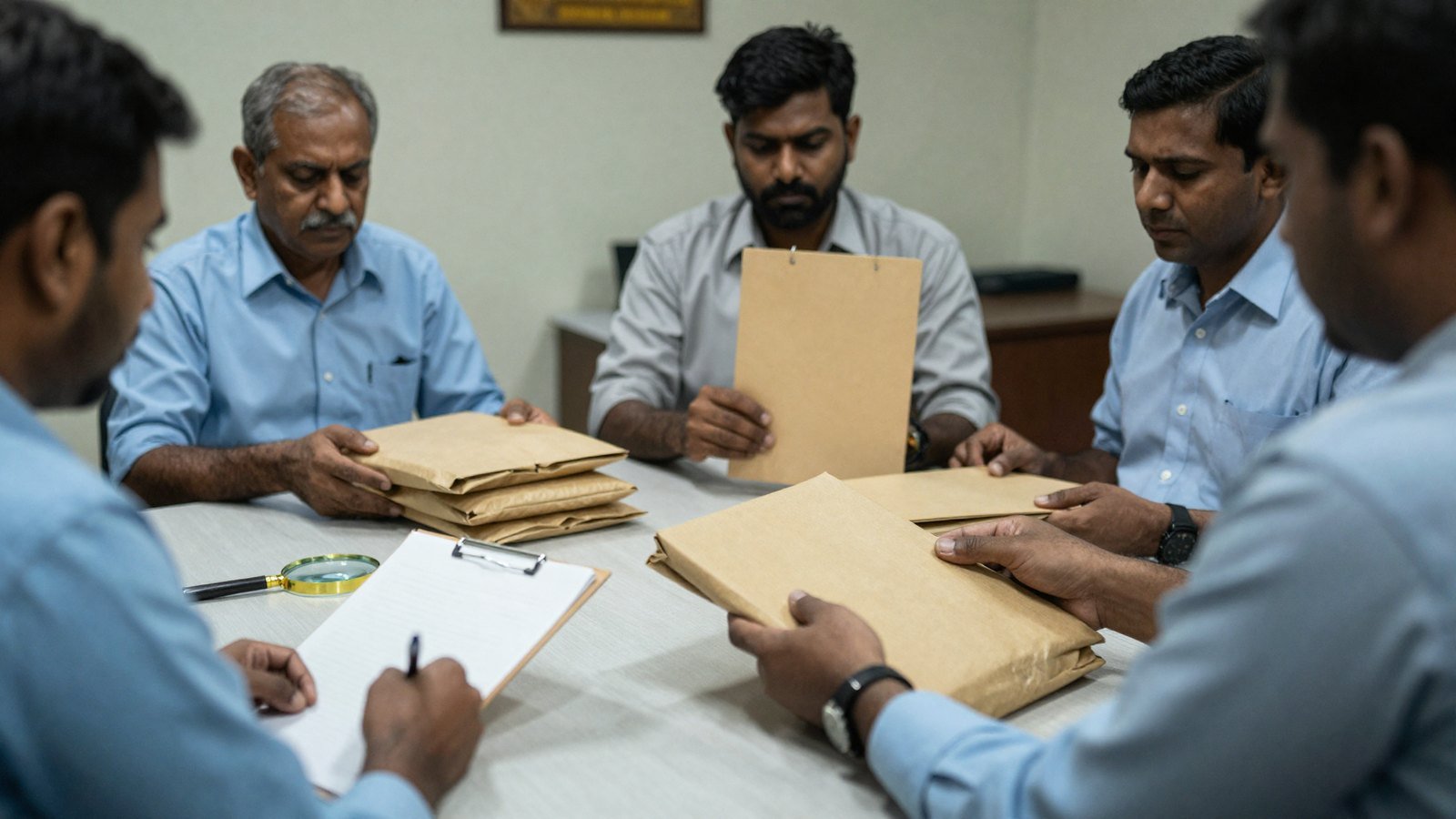
NEET-UG 2026 Paper-Leak Investigation: Arrests, the Alleged Network and What Is Proven
The criminal investigation is the evidentiary core of the controversy, and it must be reported separately from political claims made at the protest
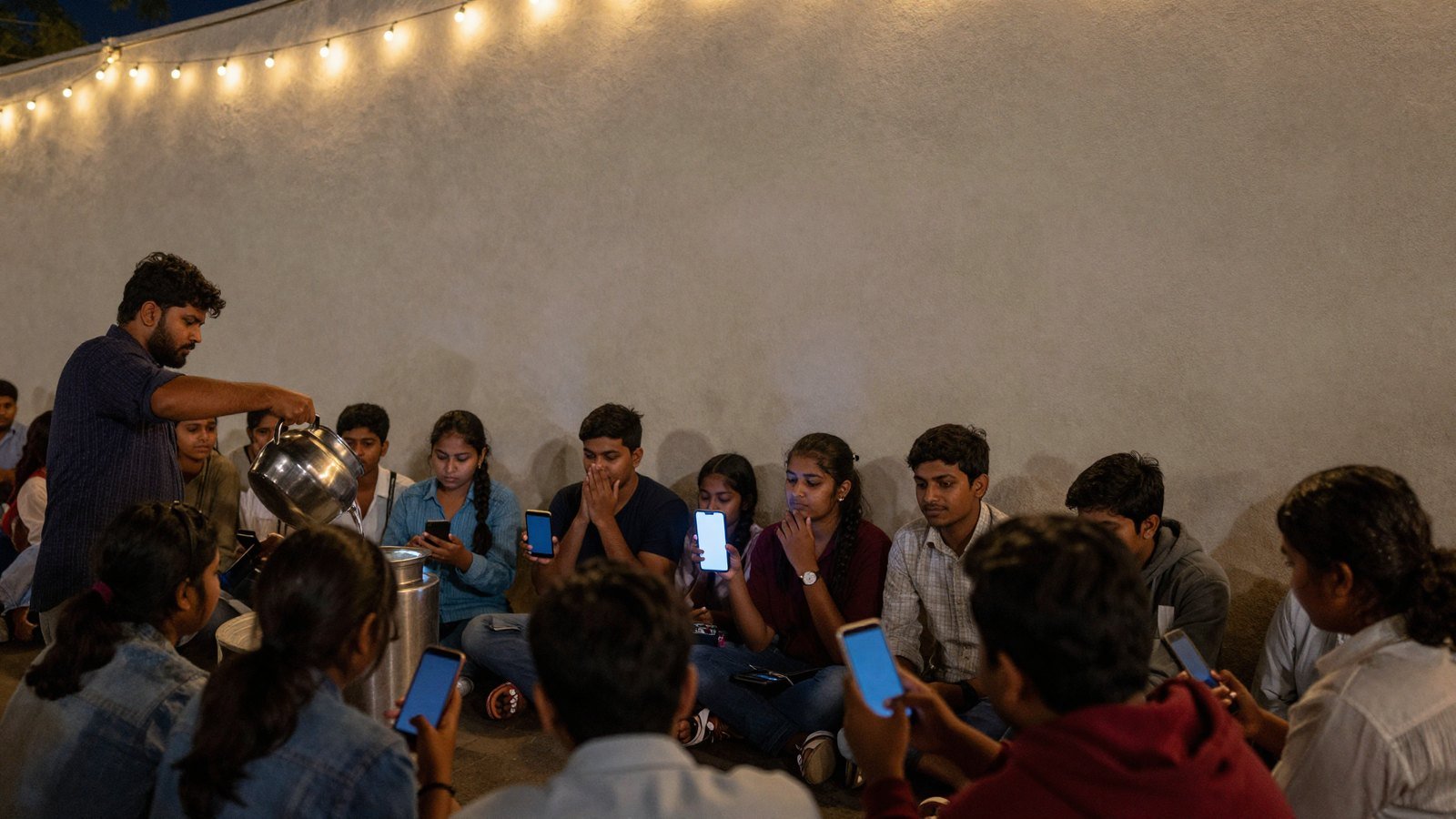
Midnight at Jantar Mantar: How Protesters Reacted When Wangchuk Broke His Fast
The reaction at the protest site showed a movement experiencing relief, uncertainty and determination at the same time
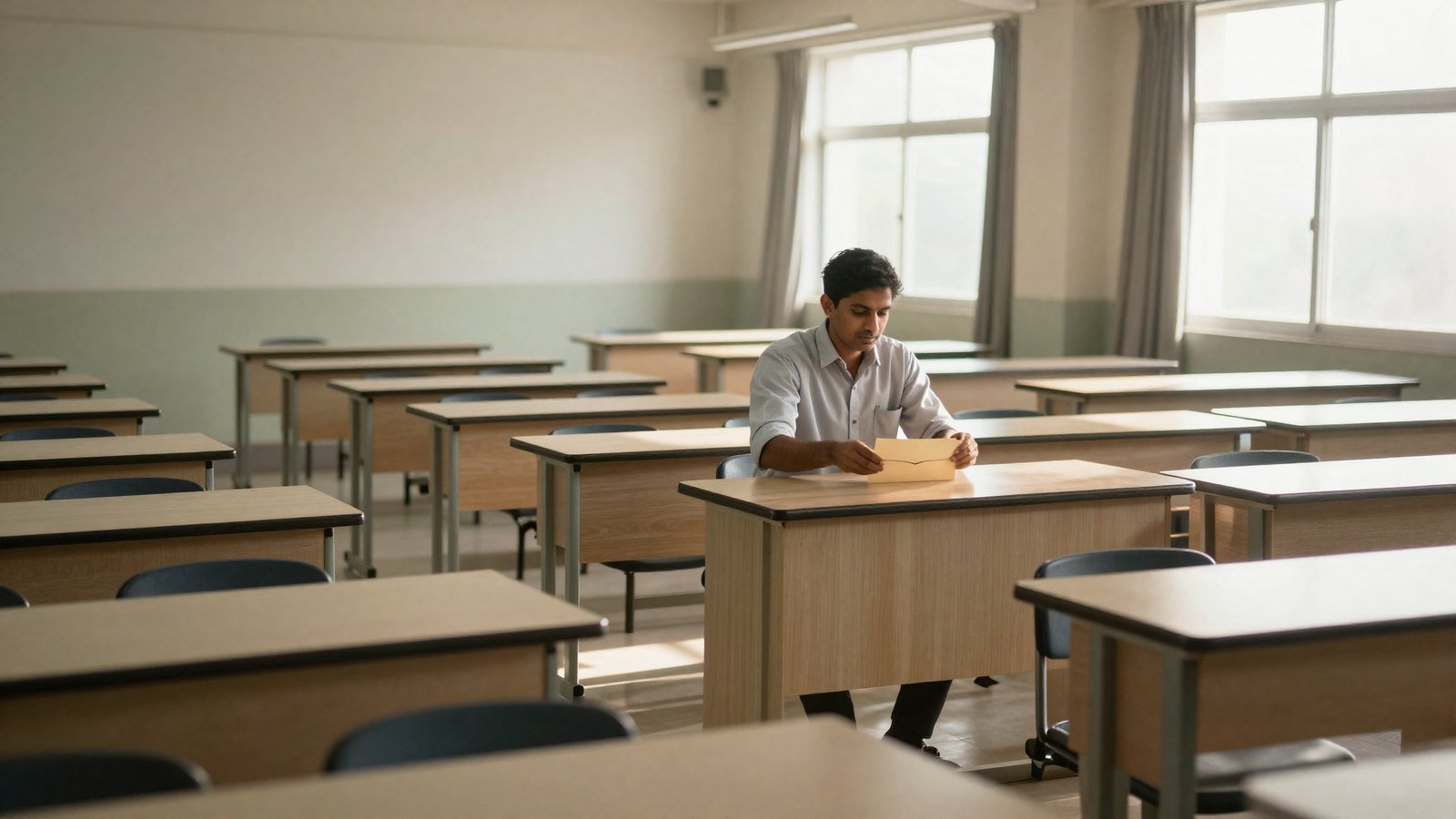
What a Real Examination Reform Package Should Include After the NEET Crisis and Hunger Strike
The hunger strike has created pressure for reform. A credible response needs secure paper handling, independent audits, transparent investigations and support for affected students

Re-NEET UG 2026 Result: July Timeline and Counselling Steps
As Re-NEET UG 2026 candidates await the NTA result expected in July, attention turns to official timelines, counselling registration and the document checklist that follows the scores.
More from this section
More
Beyond NEET: Government Recruitment Leaks and the National Exam-Integrity Crisis
The movement resonated nationally because medical entrance testing is only one part of a wider system on which young people depend for education and
Why Is Sonam Wangchuk on Hunger Strike? The Demands Behind the Jantar Mantar Protest
The current Jantar Mantar fast centres on examination accountability, the demand for Dharmendra Pradhan’s resignation and wider reforms to protect students
Why Jantar Mantar Matters: The Protest Space at the Centre of Sonam Wangchuk’s Hunger Strike
Jantar Mantar has become the physical centre of the CJP campaign, linking India’s tradition of public protest with modern digital mobilisation and court supervision