NEET Re-Test Gate Closures Revive Debate Over Exam Fairness
Students turned away minutes late at the NEET re-test have reignited a hard question for India's high-stakes exams: how should rigid rules and uniform deadlines accommodate real-life disruption?
Commentary & Analysis ·
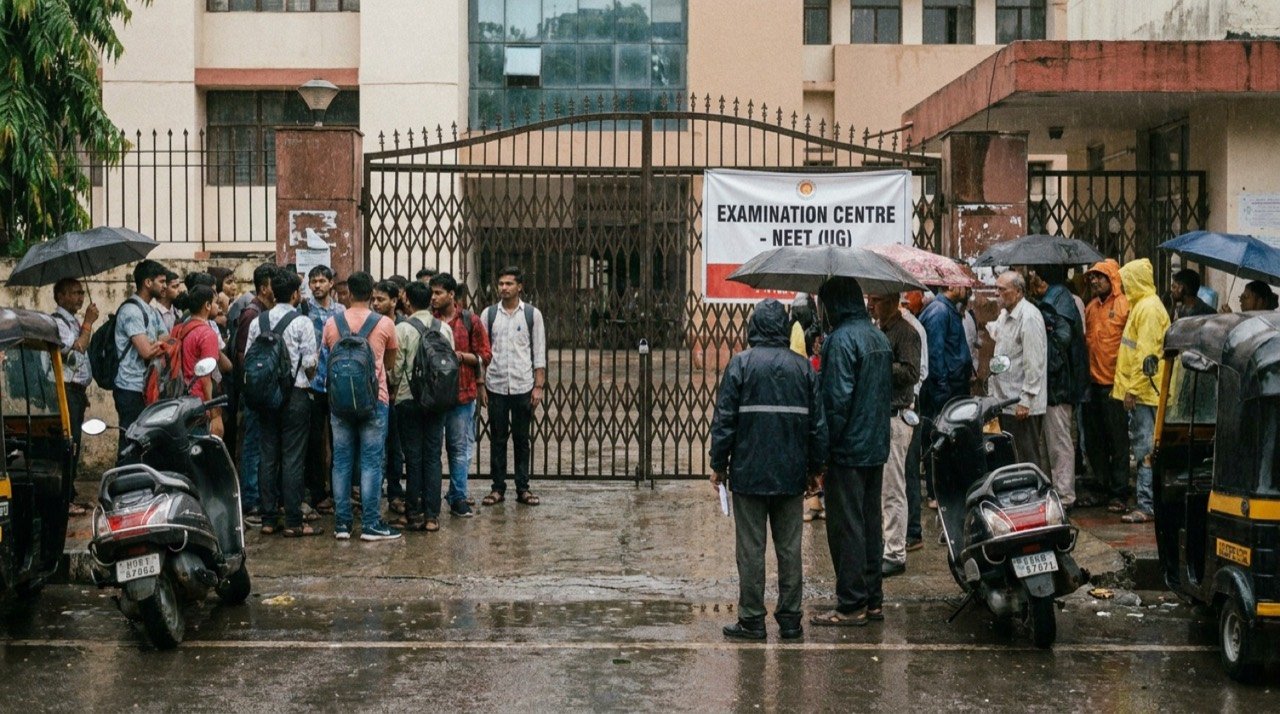
The NEET re-test has revived a difficult question for India's examination system: how should strict rules handle the messiness of real life? Reports described aspirants being turned away after missing the 1:30 pm gate-closing deadline by minutes, undone by rain, traffic, accidents or confusion over their allotted centres. For students who had pinned a year or more of preparation on a single afternoon, the locked gate was devastating.
Minutes That Changed Everything
In Vidisha, a candidate reportedly reached the centre two minutes late after heavy rain and a motorcycle puncture delayed her. She was eventually allowed inside following intervention, but biometric verification could not be completed, leaving her unable to sit the exam despite making it through the gate.
Similar scenes played out in Telangana, Moradabad, Bhopal and Bengaluru, where students arrived just past the cut-off and were refused entry. The images of distraught aspirants and parents outside shut gates triggered a wave of public sympathy and anger across social media and news coverage.
The Case for Strict Rules
Authorities argue that rigid security checks and uniform deadlines are essential for a high-stakes national examination taken by lakhs of candidates. Standardised timings, biometric verification and controlled entry are designed to prevent malpractice, impersonation and leaks, problems that have dogged Indian entrance exams in the past.
From this perspective, exceptions are dangerous: any discretion at the gate could be exploited or could invite disputes about fairness from those held to the stricter line. Consistency, officials contend, is itself a form of fairness.
The Case for Compassion
Families and critics counter that a system already granting a second chance through a re-test could surely show limited flexibility in genuinely exceptional cases. They point to documented emergencies, weather and verifiable delays as grounds for narrow, well-defined discretion rather than blanket rejection.
- Students were turned away for arriving minutes after the 1:30 pm gate closure.
- Causes cited included heavy rain, traffic, accidents and confusion over centres.
- A Vidisha candidate entered late but could not complete biometric verification.
- Comparable incidents were reported in Telangana, Moradabad, Bhopal and Bengaluru.
- Authorities defend uniform deadlines as essential to exam security and fairness.
“Authorities argue that security checks and uniform deadlines are essential for a high-stakes national exam.”
— Examination authorities
The controversy is unlikely to fade quietly, with affected families weighing appeals and commentators urging clearer protocols for documented emergencies. The deeper debate, about balancing the integrity of a national exam against humane treatment of individual candidates, will shape how future re-tests are conducted. For now, the locked gates have become a symbol of how unforgiving high-stakes assessment can feel to those caught on the wrong side of the clock.
The NE Times View
Turning students away by minutes is defensible as discipline and devastating as outcome, and that tension is the real story. India's mega-exams need uniform rules to stay credible, but uniformity without judgement can punish circumstance rather than misconduct. The answer is not abandoning deadlines; it is building transparent grievance and contingency mechanisms so a traffic jam does not cost a career. Fairness in high-stakes testing is measured at the margins, not the average.
This article is original commentary and analysis by The NE Times. Background facts were referenced from India Today and the National Testing Agency.
You may also like to read
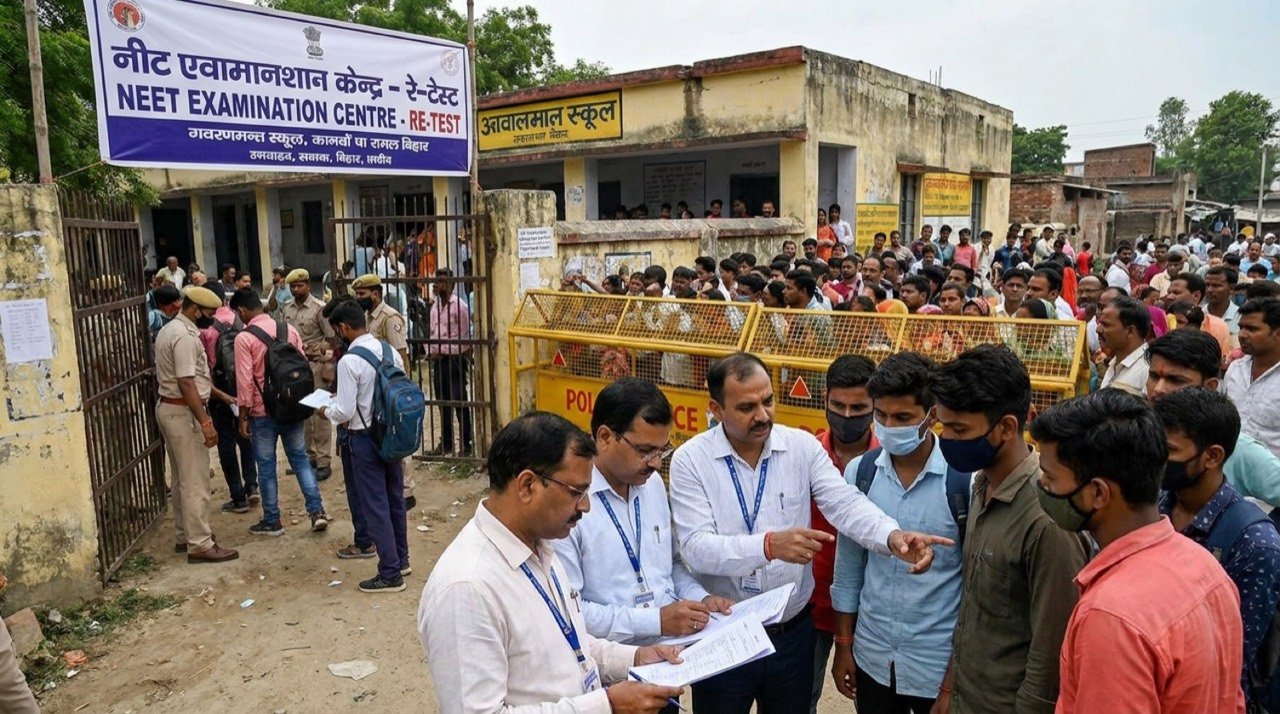
Bihar NEET Re-Test Arrests Expose Alleged Dummy Candidate Racket
Police in Bihar's Lakhisarai district have arrested 30 people over alleged impersonation during the NEET-UG 2026 re-test, citing fake Aadhaar cards and the involvement of biometric verification staff.
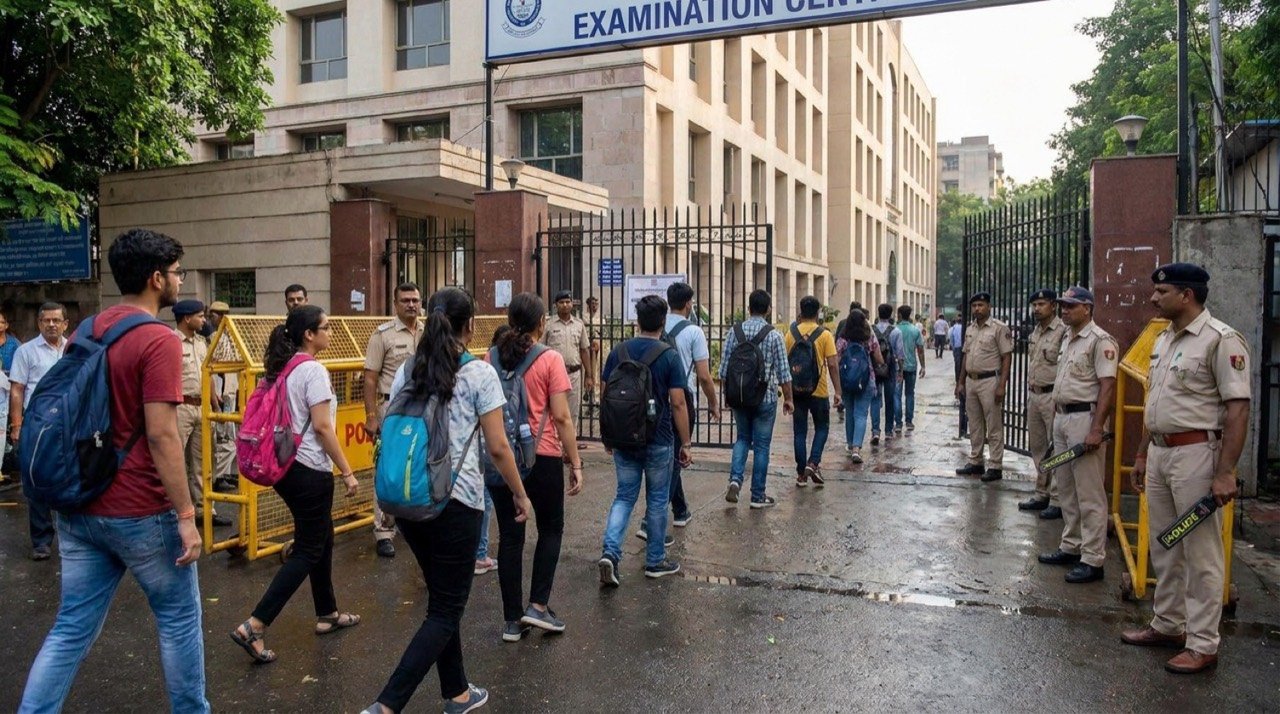
NTA Says NEET-UG 2026 Re-Exam Was Error-Free After Tight Security Checks
The National Testing Agency has declared the NEET-UG 2026 re-examination flawless, citing biometric and facial authentication, as it works to rebuild trust among lakhs of medical aspirants.
Exam Season Peaks as CBSE and CUET Results Near, NEET Looms
June marks a high point in India's academic calendar, with CBSE preparing to declare Class 10 second-board results, CUET-UG scores due shortly and the NEET undergraduate exam scheduled for later in the month.
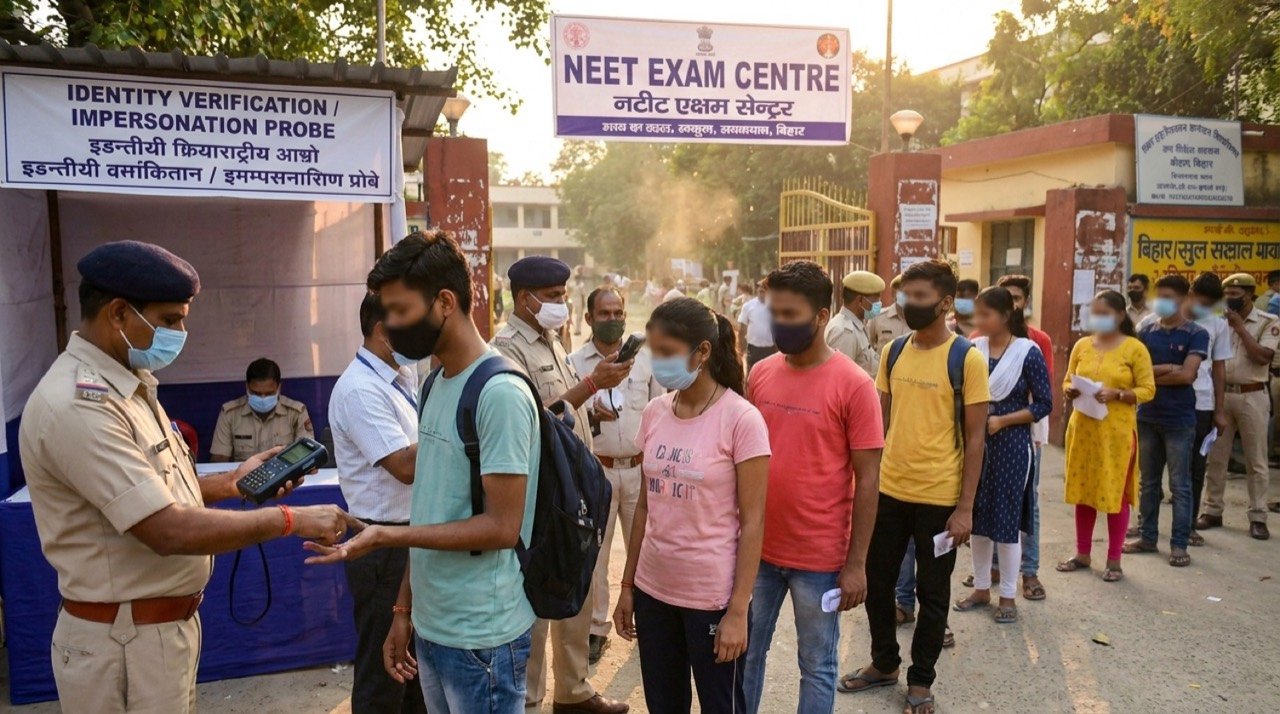
Bihar NEET Re-Test Arrests Expose Alleged Impersonation Network
Police in Bihar have arrested around 30 people over alleged irregularities at the NEET-UG re-test, with dummy candidates and exam staff among those held, reigniting concern over entrance-exam security.
More from this section
More
AICTE Industry Fellowship 2026: Rs 1.5 Lakh Scheme Closes July 5
The AICTE Industry Fellowship Programme 2026, which places technical-education faculty inside leading companies on a Rs 1.5 lakh monthly stipend, reached its application deadline on July 5.
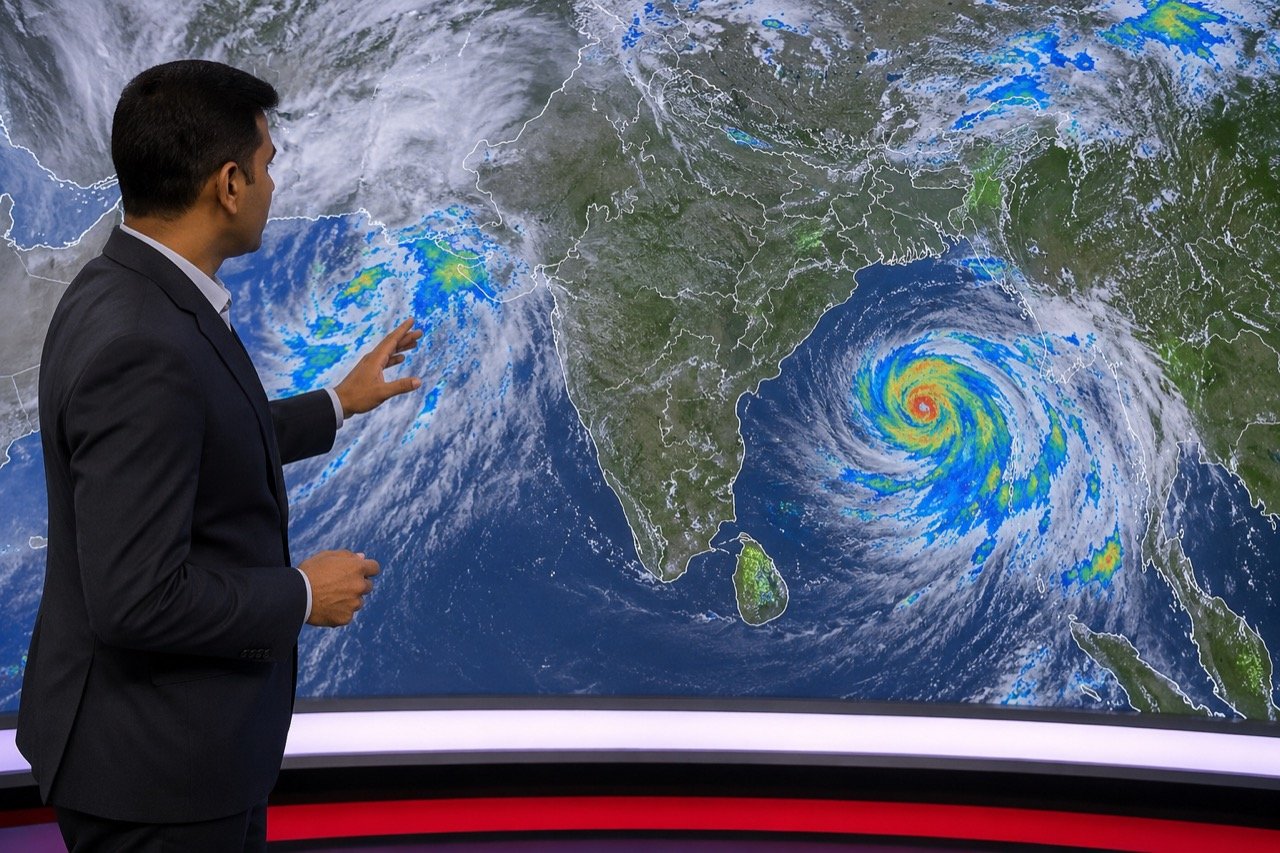
Bay of Bengal Low Pressure System Revives Monsoon Over Western India
A low-pressure system over the Bay of Bengal has pushed the monsoon back into an active phase, bringing steady heavy rain to Kerala, coastal Karnataka and Maharashtra, and putting Mumbai and Pune on preparedness watch.
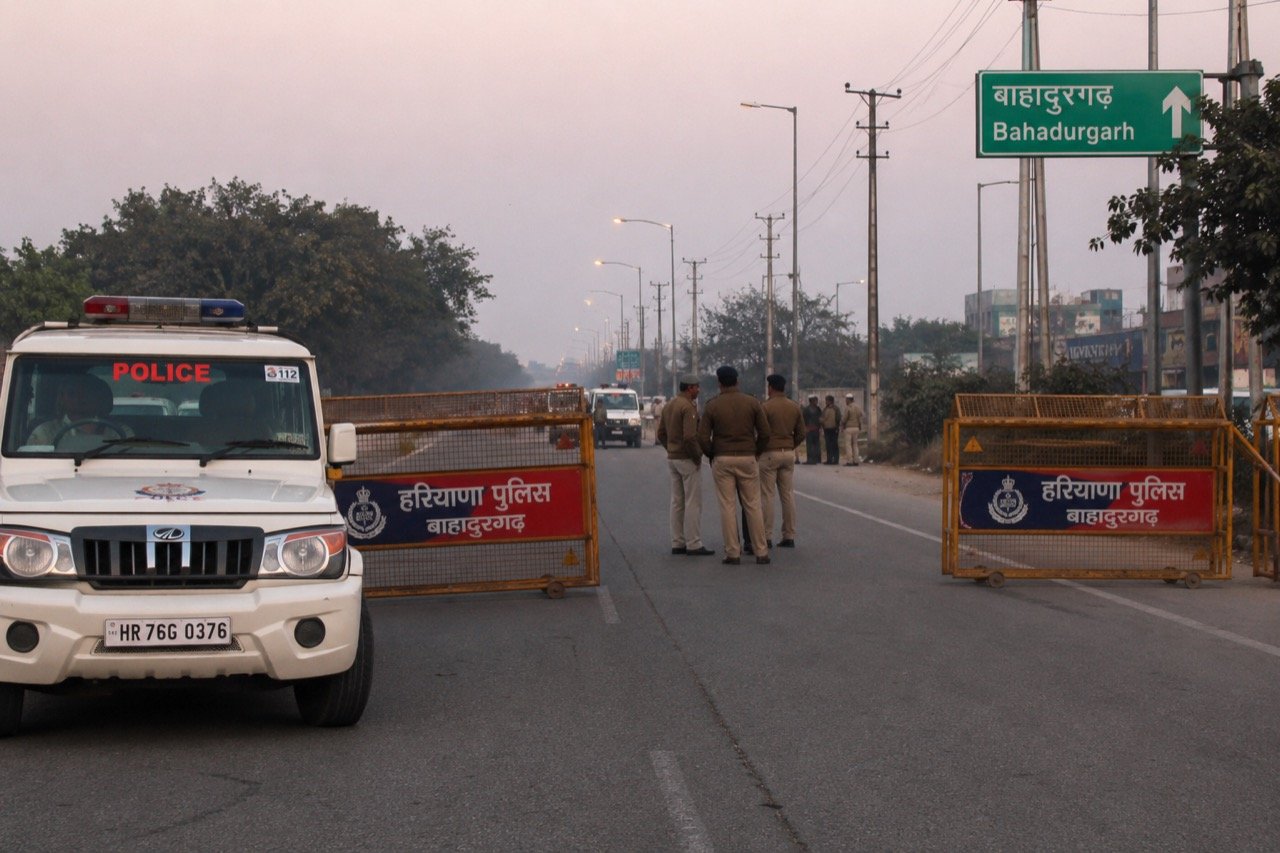
Bishnoi Gang Suspects Injured in Haryana Encounter as Police Tighten Net
A joint Haryana-Delhi Police operation in Bahadurgarh left two suspected Lawrence Bishnoi gang members injured, spotlighting the multi-state coordination now central to India's fight against organised crime networks.