Bihar NEET Re-Test Arrests Expose Alleged Impersonation Network
Police in Bihar have arrested around 30 people over alleged irregularities at the NEET-UG re-test, with dummy candidates and exam staff among those held, reigniting concern over entrance-exam security.
Commentary & Analysis ·
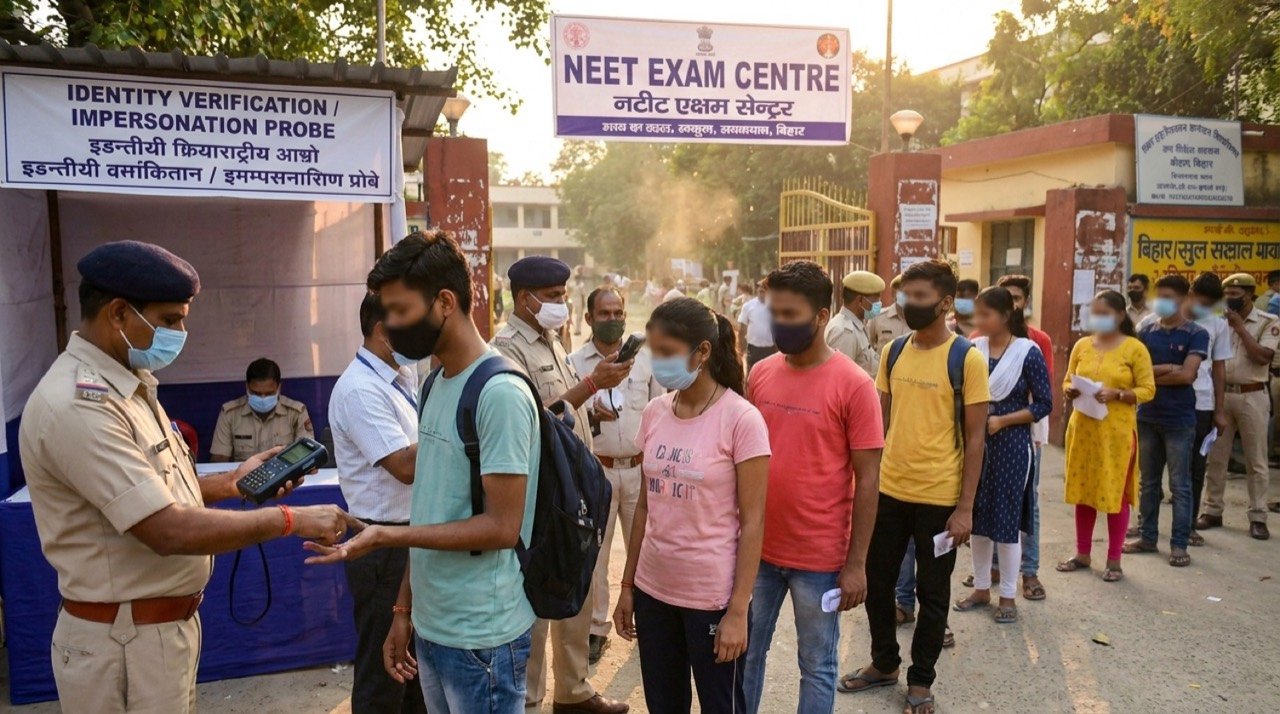
Police in Bihar have arrested about 30 people in connection with alleged irregularities during the NEET-UG re-test, in a case that has pushed the security of India's high-stakes entrance examinations back into the spotlight. According to reports, those held include suspected dummy candidates, MBBS students, biometric staff and other examination personnel, a mix that suggests the alleged fraud went beyond individual cheating.
What investigators have found
Coverage by the Times of India, Deccan Herald and NDTV Profit indicated that several arrests were linked to centres in Lakhisarai district, where suspected impersonators allegedly sat the exam on behalf of registered candidates. Reports referred to a so-called solver gang operating around the re-test.
The presence of alleged biometric or centre staff among those arrested is the most striking element. If proven, it would point to insider facilitation, the deliberate bypassing of identity checks, rather than a simple candidate-level offence committed in isolation.
Why the case matters
NEET-UG is the single gateway to medical education in India, sat by lakhs of aspirants each year, which makes any breach of its integrity deeply consequential. For students and parents who invest years of preparation, the episode is fundamentally about trust in a national system.
The case underlines a hard truth about exam security: technology such as biometric verification is only as strong as its local implementation. Identity checks can be defeated if the people running them are complicit, leaving even well-designed safeguards vulnerable at the centre level.
The road ahead for the probe
Investigators are expected to trace money trails, recruiters and forged documents, and to establish exactly how identity verification was circumvented. The findings could determine whether the arrests represent an isolated cluster or a wider network.
The episode is likely to renew calls for tighter auditing of examination centres, stronger chain-of-custody controls and clearer accountability for the staff entrusted with conducting the test.
- About 30 people arrested over alleged NEET-UG re-test irregularities.
- Those held reportedly include dummy candidates and exam staff.
- Several arrests linked to centres in Lakhisarai district.
- Alleged staff involvement would point to insider facilitation.
- Probe to focus on money trails, recruiters and forged documents.
“A national medical entrance system cannot rely on technology alone unless local implementation is secure, accountable and audited.”
— Analysis of the exam-security gap
The allegations remain to be tested, and those arrested are entitled to due process. But the case has already reinforced a broader demand: that the integrity of India's most competitive exams be protected not just by software, but by rigorous oversight of the people who administer them.
The NE Times View
Dummy candidates and complicit exam staff in a NEET re-test confirm that India's entrance-exam crisis is systemic, not incidental. When the people running the exam are part of the racket, students who studied honestly are the real victims. Arrests treat symptoms; the disease is an architecture too easily gamed. Until biometric checks, secure paper handling and genuine accountability for officials become non-negotiable, every high-stakes exam will remain one scandal away from collapse.
This article is original commentary and analysis by The NE Times. Background facts were referenced from The Times of India and Deccan Herald.
You may also like to read
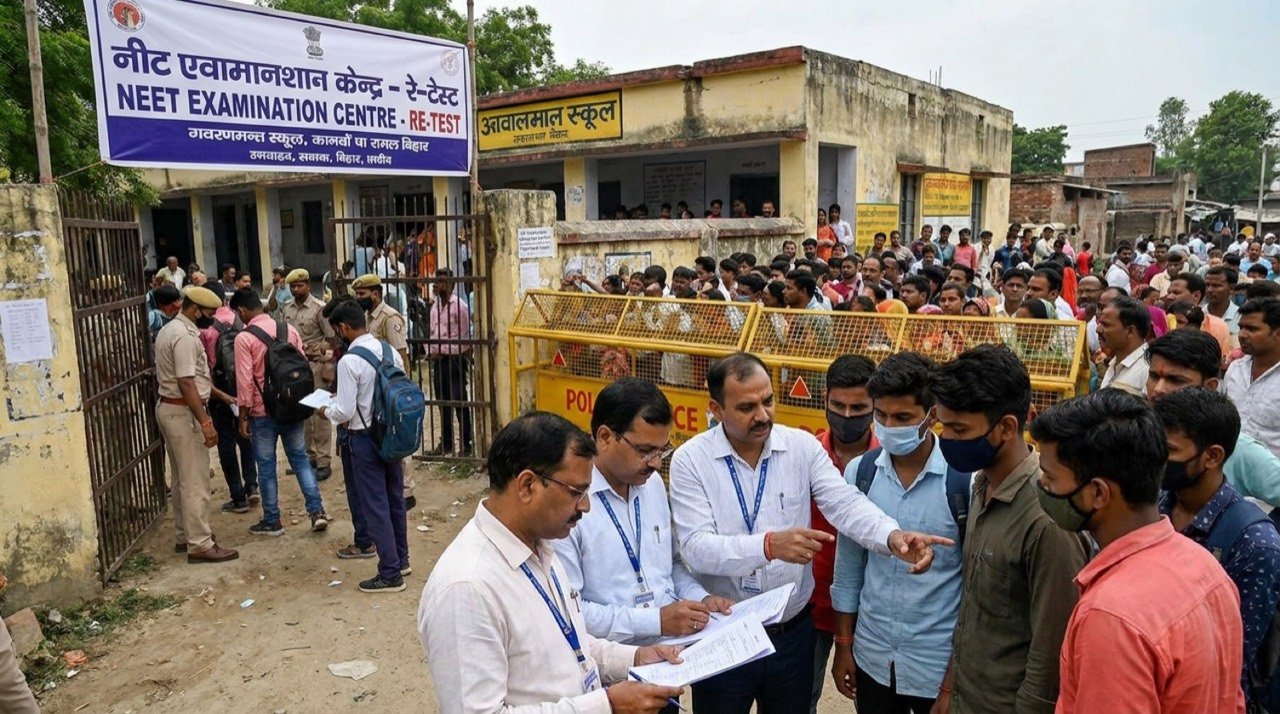
Bihar NEET Re-Test Arrests Expose Alleged Dummy Candidate Racket
Police in Bihar's Lakhisarai district have arrested 30 people over alleged impersonation during the NEET-UG 2026 re-test, citing fake Aadhaar cards and the involvement of biometric verification staff.
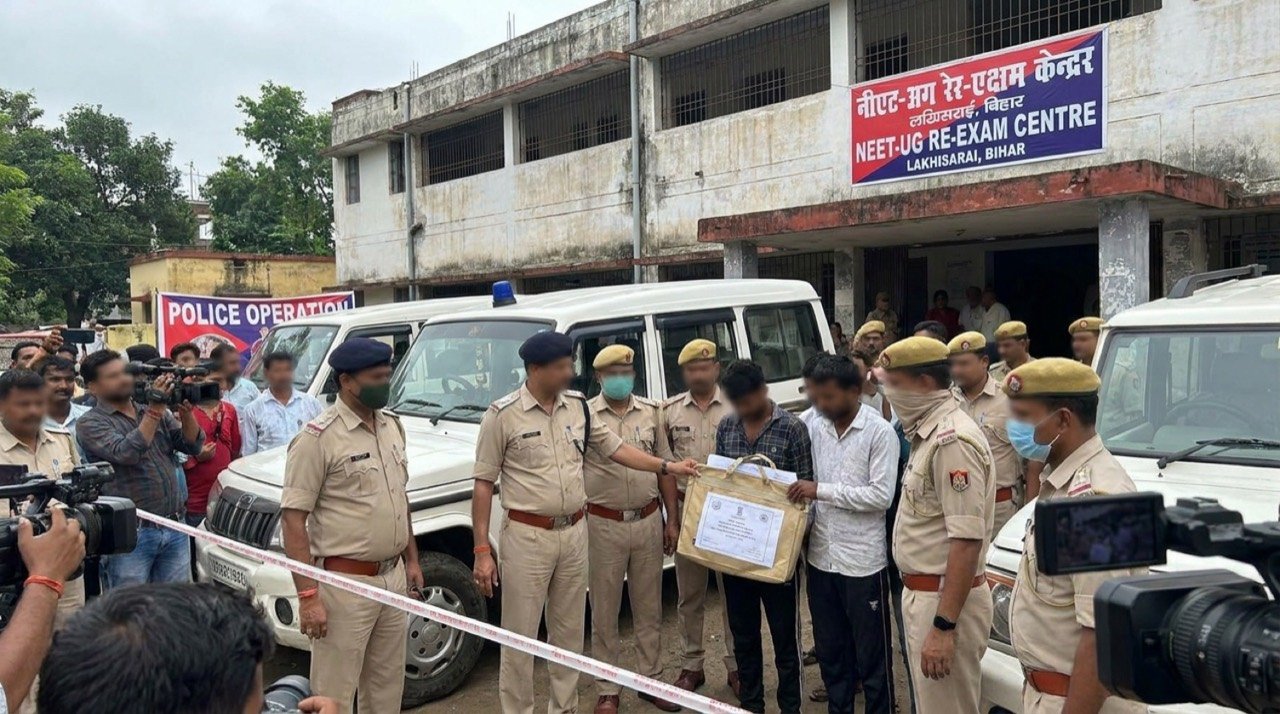
Bihar Police Arrest 30 in NEET-UG Re-Exam Cheating Racket at Lakhisarai
Bihar Police say they busted a NEET-UG re-exam cheating racket in Lakhisarai, arresting 30 people including nine impersonators, with deals of up to Rs 12 lakh allegedly struck.
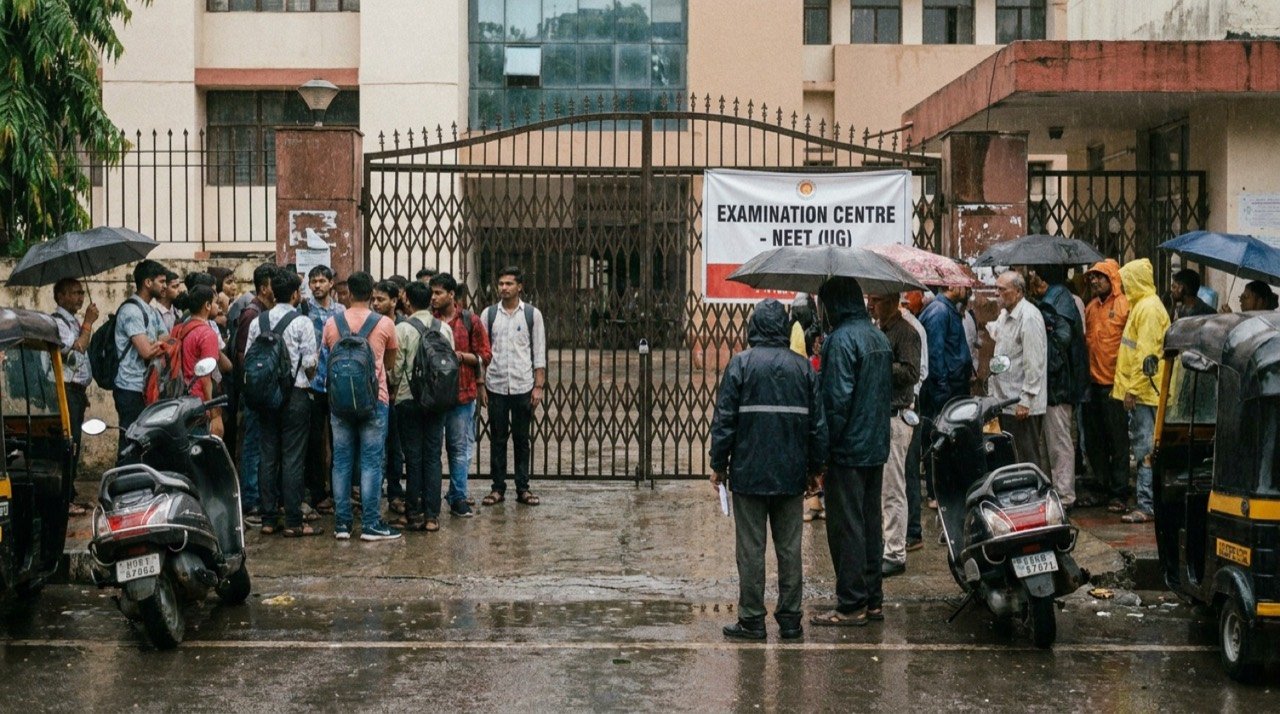
NEET Re-Test Gate Closures Revive Debate Over Exam Fairness
Students turned away minutes late at the NEET re-test have reignited a hard question for India's high-stakes exams: how should rigid rules and uniform deadlines accommodate real-life disruption?
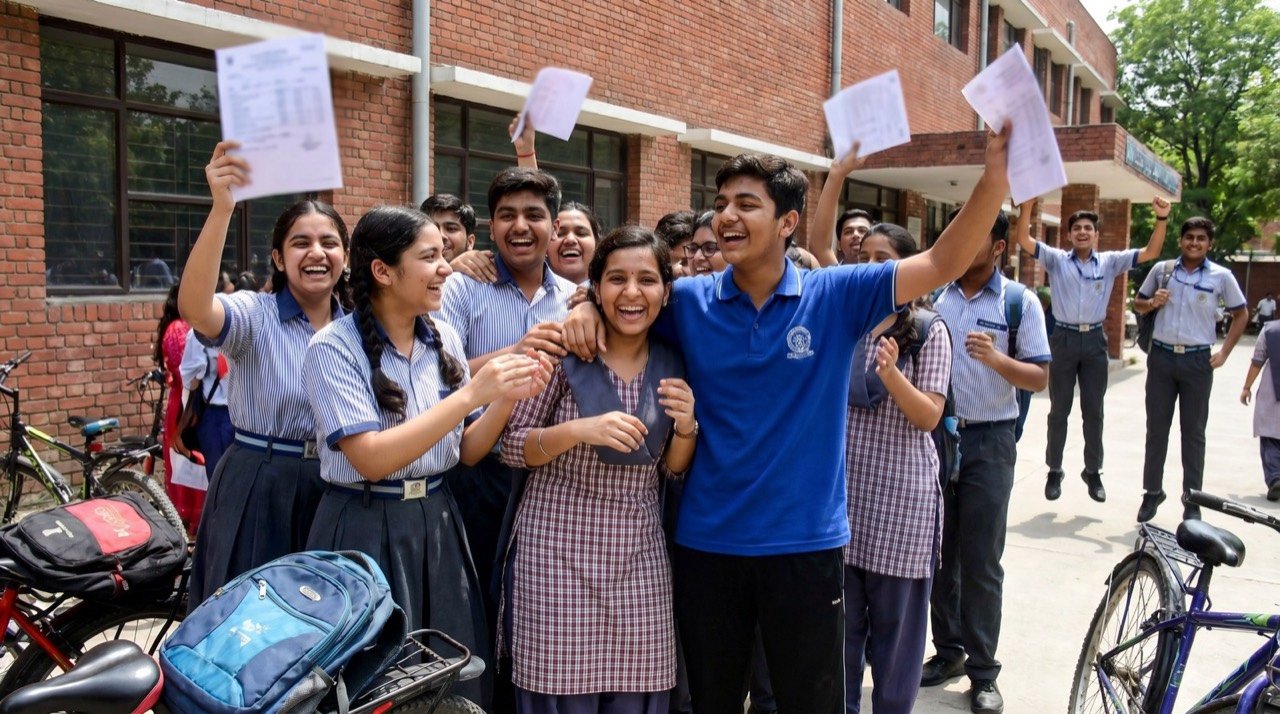
Exam Season Peaks as CBSE and CUET Results Near, NEET Looms
June marks a high point in India's academic calendar, with CBSE preparing to declare Class 10 second-board results, CUET-UG scores due shortly and the NEET undergraduate exam scheduled for later in the month.
More from this section
More
AICTE Industry Fellowship 2026: Rs 1.5 Lakh Scheme Closes July 5
The AICTE Industry Fellowship Programme 2026, which places technical-education faculty inside leading companies on a Rs 1.5 lakh monthly stipend, reached its application deadline on July 5.

Bay of Bengal Low Pressure System Revives Monsoon Over Western India
A low-pressure system over the Bay of Bengal has pushed the monsoon back into an active phase, bringing steady heavy rain to Kerala, coastal Karnataka and Maharashtra, and putting Mumbai and Pune on preparedness watch.
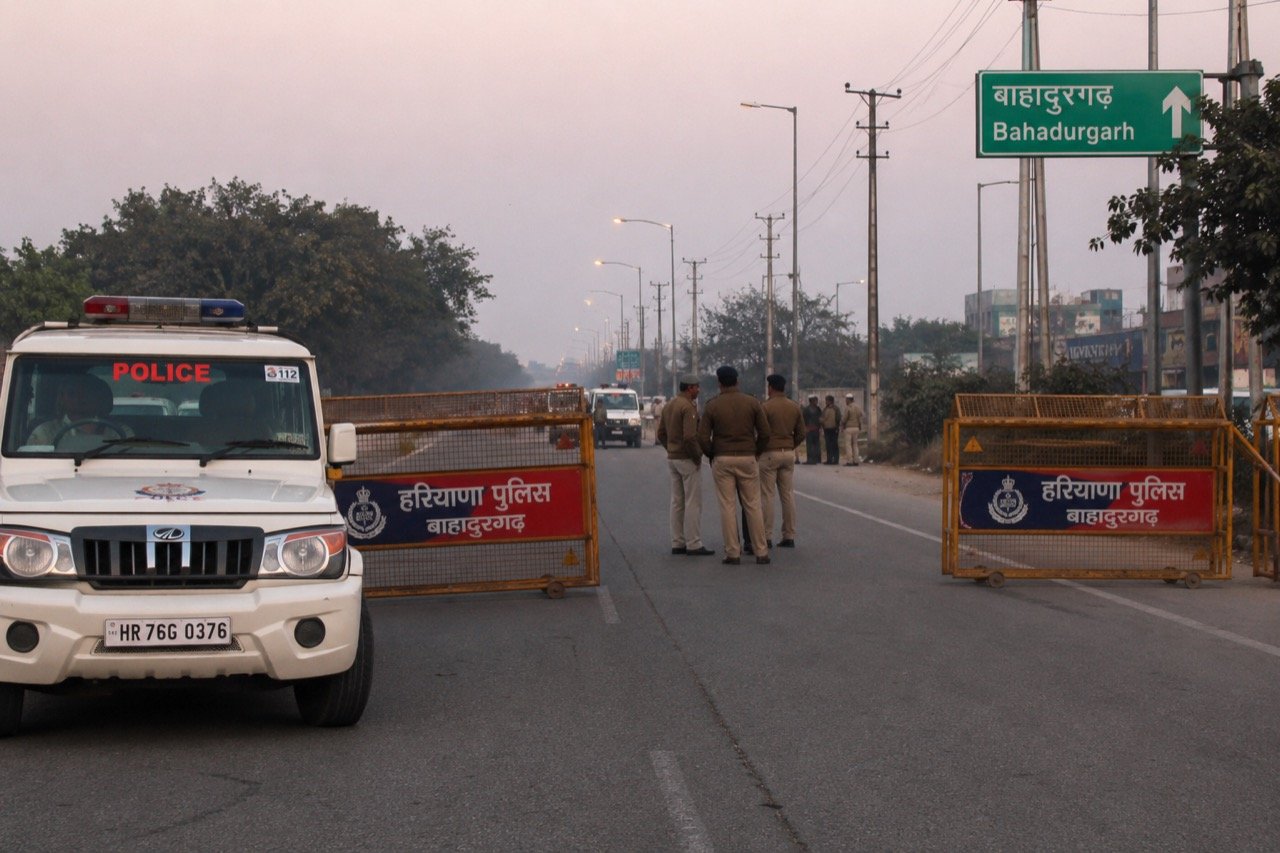
Bishnoi Gang Suspects Injured in Haryana Encounter as Police Tighten Net
A joint Haryana-Delhi Police operation in Bahadurgarh left two suspected Lawrence Bishnoi gang members injured, spotlighting the multi-state coordination now central to India's fight against organised crime networks.