Neelkanth Mishra Appointed India's Executive Director at the World Bank
The Appointments Committee of the Cabinet cleared the economist's selection for a three-year term, placing a prominent voice on India's economy in a key multilateral role.
Commentary & Analysis ·
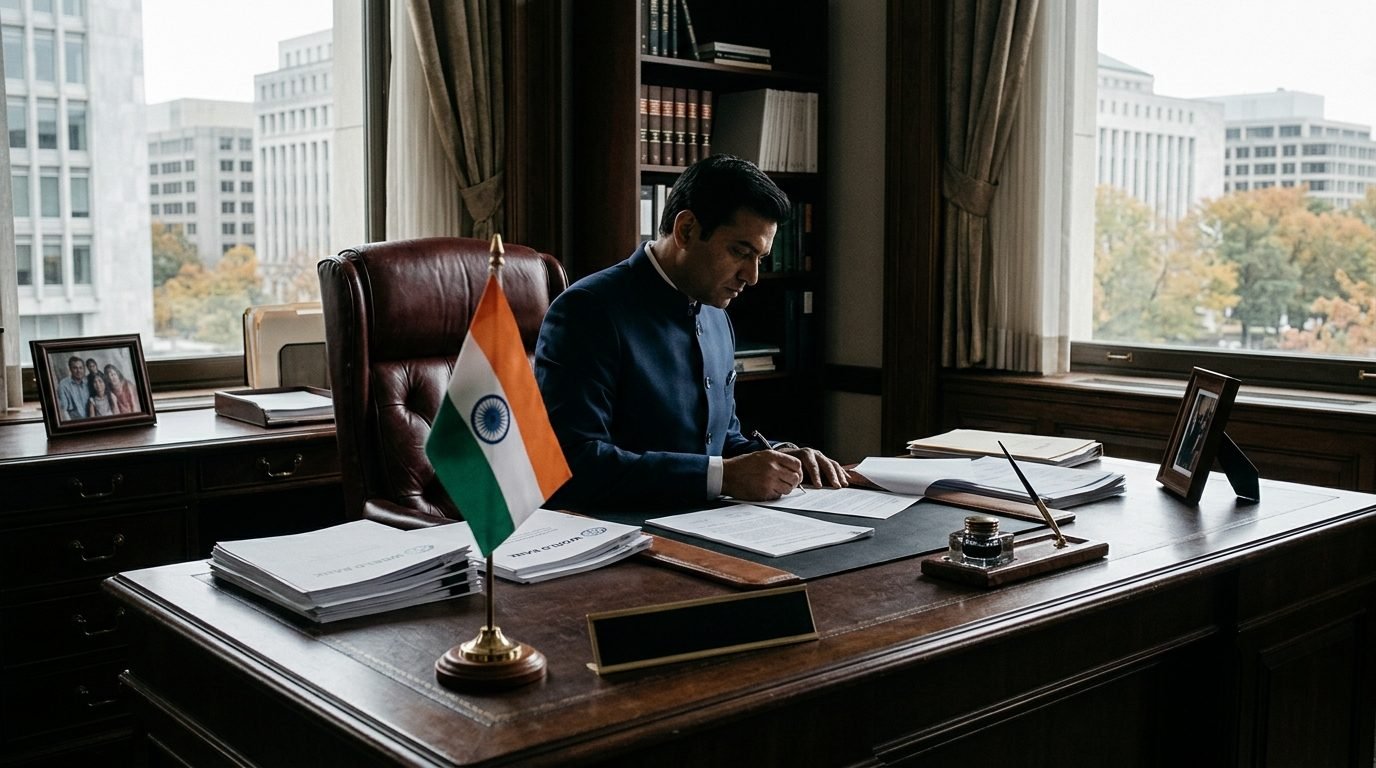
The Appointments Committee of the Cabinet has approved the appointment of economist Neelkanth Mishra as India's Executive Director at the World Bank for a three-year term, the government announced in early June. The decision places a well-regarded voice on the Indian economy into one of the country's most significant roles within the global development finance system.
The Executive Director represents India's interests on the World Bank's board, engaging on lending decisions, country programmes and policy positions at the multilateral institution where the country is both a borrower and a stakeholder. The position carries weight because it shapes how India's priorities are reflected in the bank's decisions and how the country engages with one of the principal sources of development finance worldwide.
A familiar economic voice
Mishra is widely known for his commentary on India's macroeconomic trajectory and has advised on growth, fiscal and capital-market issues. His selection places an established analyst in a role that shapes India's engagement with global development finance. Bringing in someone with a strong grounding in the country's economic fundamentals is likely to lend analytical depth to India's positions on the board.
An Executive Director with a clear understanding of both domestic conditions and global financial dynamics is well placed to advocate for India's interests on questions ranging from lending terms to the design of country programmes. The appointment suggests an intent to be represented by a figure capable of engaging substantively on complex economic matters.
The role on the board
As both a borrower and a stakeholder, India occupies a dual position at the World Bank, drawing on its financing while also helping to shape its broader direction. The Executive Director's work spans several areas central to that relationship:
- Representing India's interests on the World Bank's board
- Engaging on lending decisions and the terms attached to them
- Shaping country programmes relevant to India and other members
- Contributing to policy positions at the multilateral institution
Effective representation in these areas can influence not only the resources available to India but also the institution's stance on issues that matter to developing economies more broadly.
Why it matters
The appointment comes as India navigates a period of moderating growth forecasts and global financial uncertainty, lending added weight to its representation at international institutions. At a time when external conditions are less predictable, having a capable voice at a major multilateral lender can help safeguard the country's interests and amplify its perspective.
India's engagement with institutions like the World Bank also carries significance for the wider developing world, given the country's role as a large emerging economy. Strong representation can help ensure that the concerns of borrowing nations are heard in decisions that affect development finance globally.
The outlook
Over the three-year term, Mishra's tenure will be watched for how effectively India's positions are advanced amid an uncertain global economic backdrop. With growth forecasts moderating and financial conditions in flux, the role takes on added importance, making the appointment a meaningful piece of India's broader engagement with the international financial system.
The NE Times View
Placing a respected market economist at the World Bank gives India a more analytically credible voice in multilateral debates over development finance and climate funding. Mishra's private-sector grounding is an asset, though it will be tested against the diplomacy these posts demand. The appointment matters most as a signal that India intends to shape, not merely receive, the global development agenda. The job is influence, and influence is earned slowly.
This article is original commentary and analysis by The NE Times. Background facts were referenced from PIB, Exam Suchana.
You may also like to read
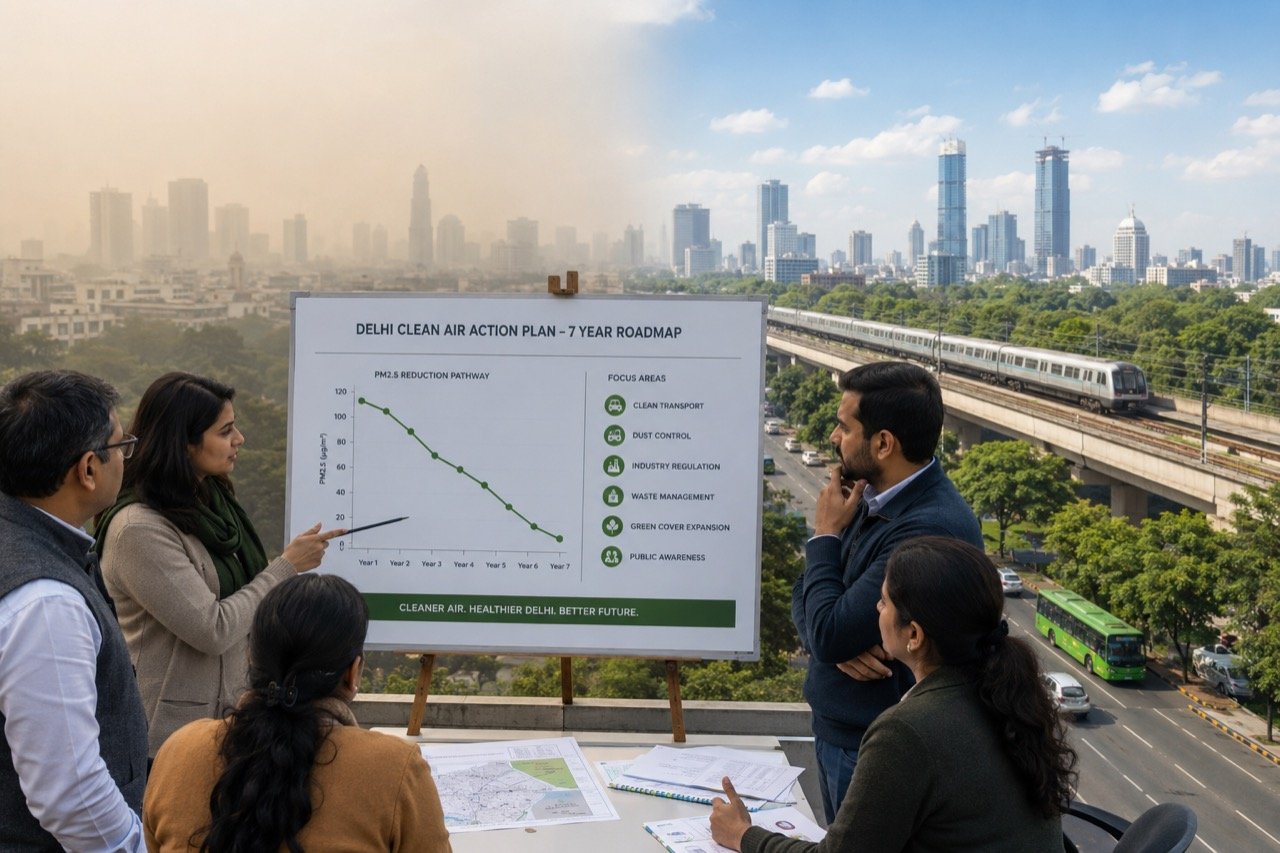
Delhi Bets on World Bank-Backed Seven-Year Clean Air Plan
A World Bank-supported seven-year air pollution mitigation plan has put Delhi's clean-air debate back in focus, shifting attention from seasonal emergency curbs to sustained, year-round governance of the capital's toxic air.
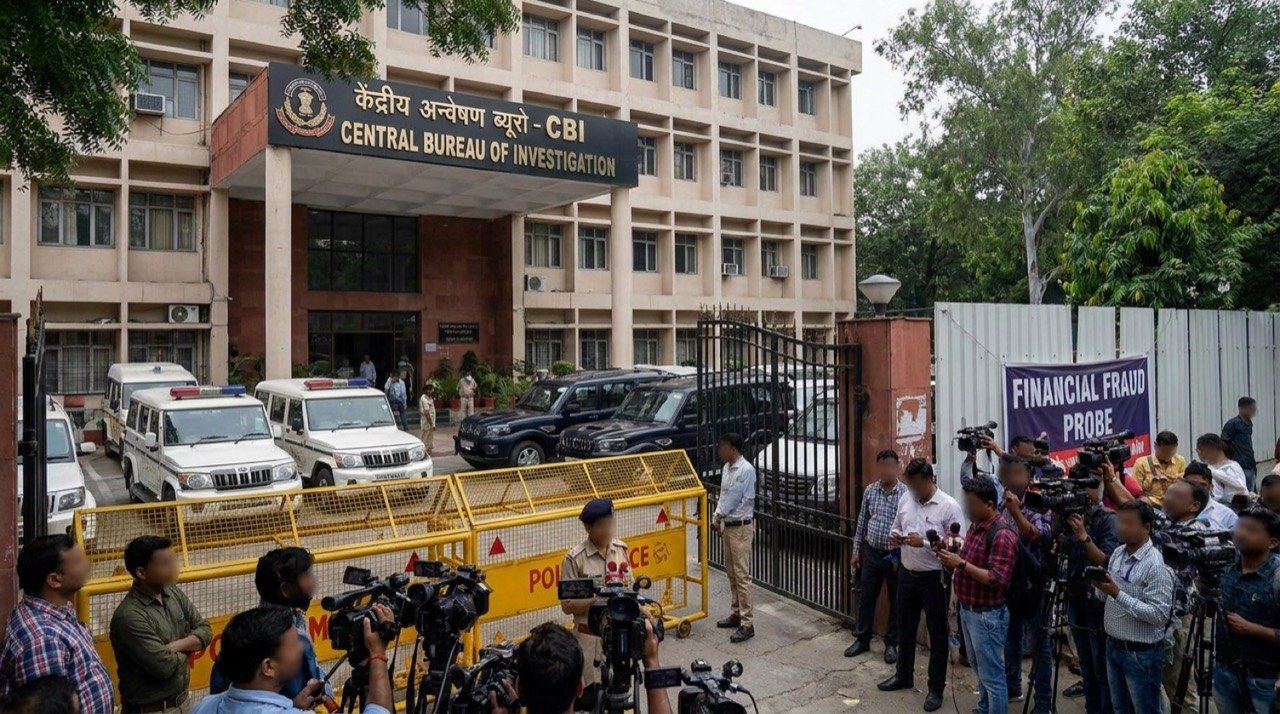
CBI Arrests Haryana IAS Officer Pankaj Aggarwal in IDFC FIRST Bank Fraud Case
The CBI has arrested senior Haryana IAS officer Pankaj Aggarwal in an IDFC FIRST Bank fraud case, reviving scrutiny of governance, accountability and the trail of financial investigations.
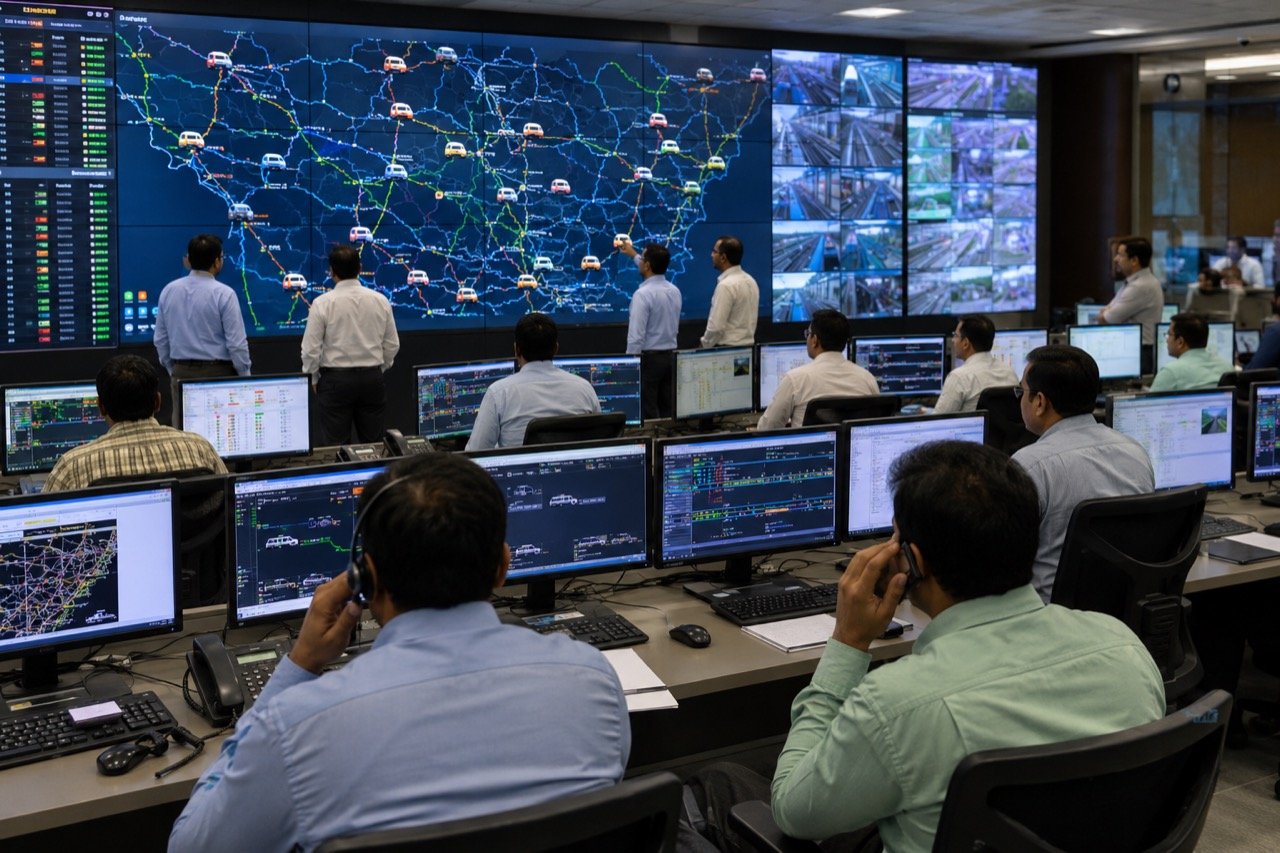
Railways Rolls Out Real-Time App to Flag Train Delays Past 15 Minutes
Indian Railways has launched its first internal app to monitor train punctuality in real time, flagging delays beyond fifteen minutes so officials can spot bottlenecks and coordinate faster responses across the network.

J&K School Library Books Row: Officials Suspended, Authors Blacklisted
Jammu and Kashmir's education administration has suspended eight officials and blacklisted the authors and publishers of two school library books, turning a content controversy into a wider test of curriculum oversight and procurement checks.
More from this section
More
AICTE Industry Fellowship 2026: Rs 1.5 Lakh Scheme Closes July 5
The AICTE Industry Fellowship Programme 2026, which places technical-education faculty inside leading companies on a Rs 1.5 lakh monthly stipend, reached its application deadline on July 5.
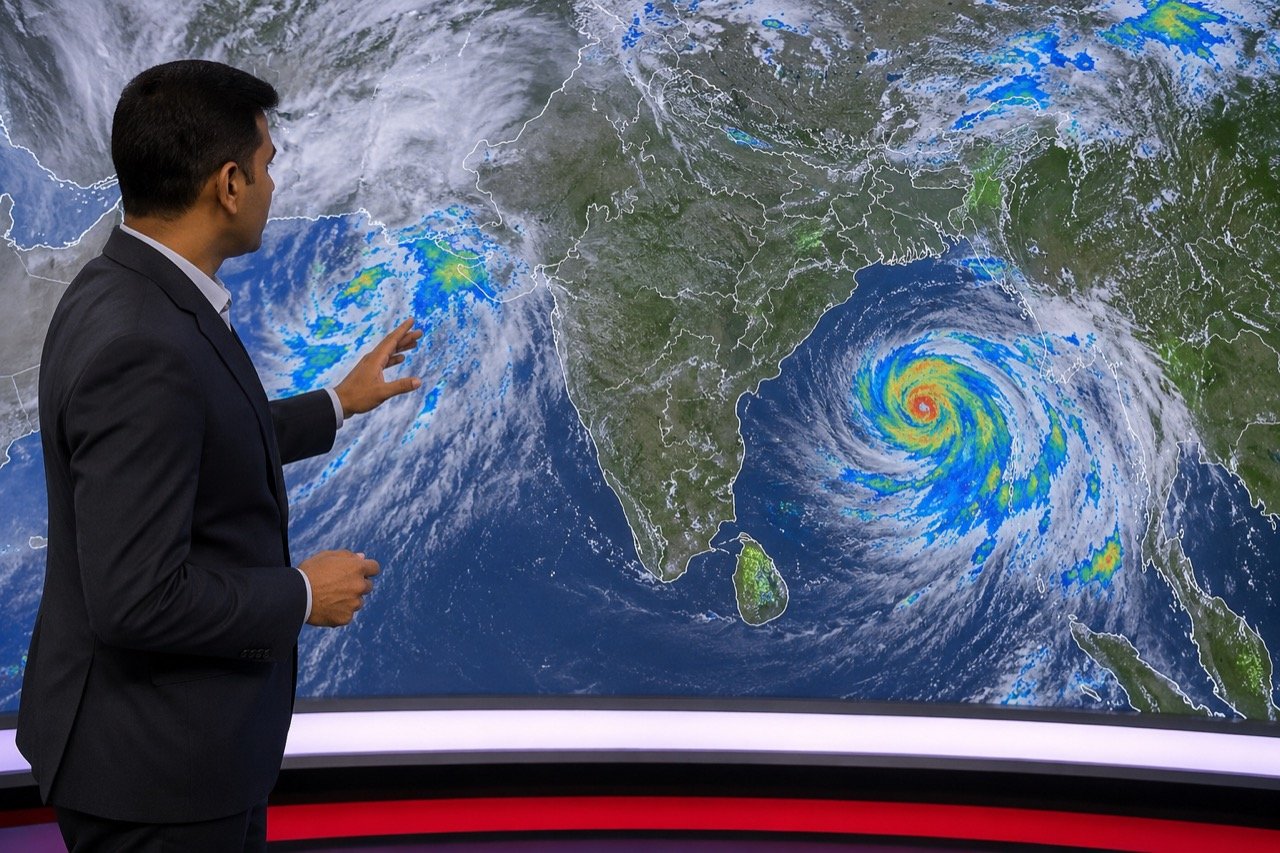
Bay of Bengal Low Pressure System Revives Monsoon Over Western India
A low-pressure system over the Bay of Bengal has pushed the monsoon back into an active phase, bringing steady heavy rain to Kerala, coastal Karnataka and Maharashtra, and putting Mumbai and Pune on preparedness watch.
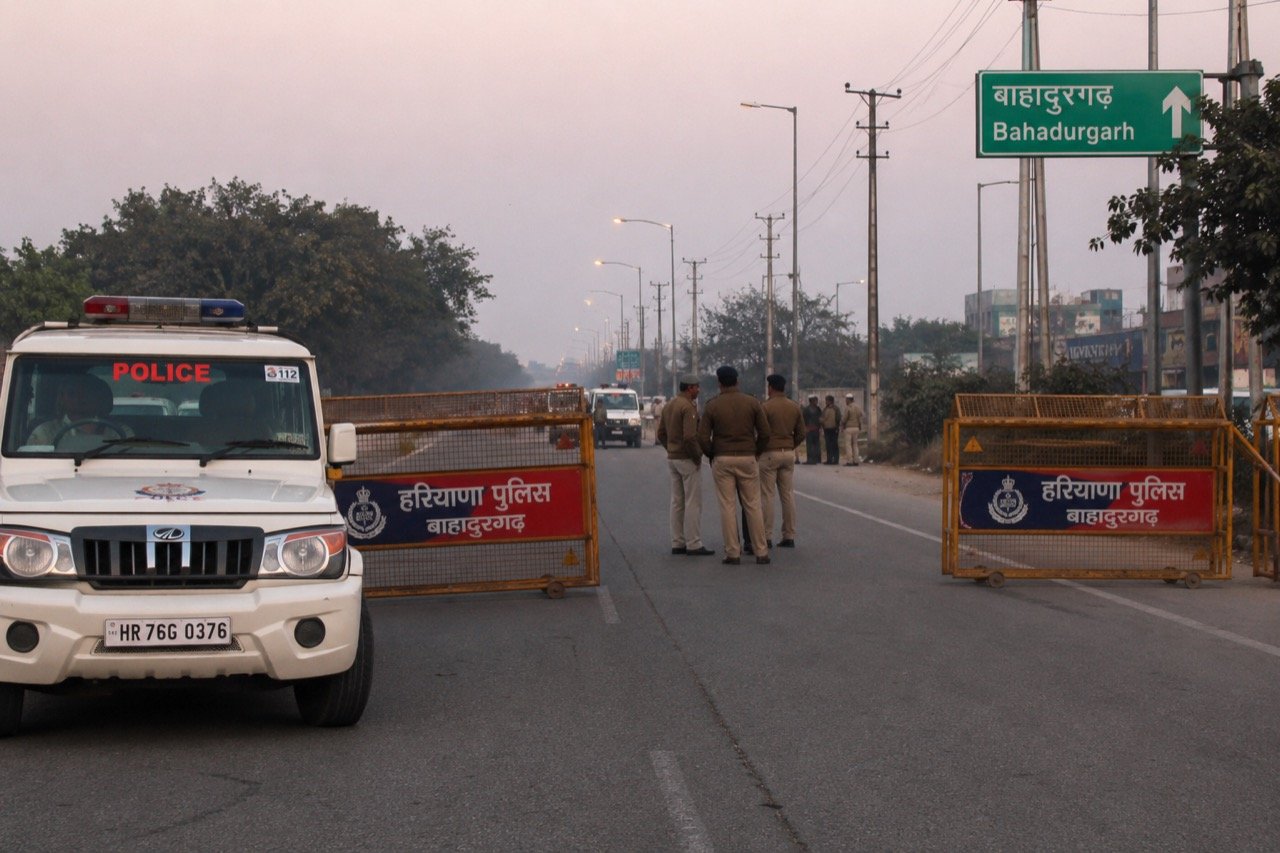
Bishnoi Gang Suspects Injured in Haryana Encounter as Police Tighten Net
A joint Haryana-Delhi Police operation in Bahadurgarh left two suspected Lawrence Bishnoi gang members injured, spotlighting the multi-state coordination now central to India's fight against organised crime networks.