Mumbai's Monsoon Fever Watch: Dengue Up 28%, Malaria Up 18% by Mid-July
India's Supreme Court imposed Rs 3 lakh costs on Samay Raina, Ranveer Allahbadia and Ashish Chanchlani after finding non-compliance with directions in a disability-related case.
Commentary & Analysis ·

Verified key facts
- Mumbai logged 938 dengue cases from 1 January to 14 July 2026, up 27.8% from 734 a year earlier, per BMC data reported by the Free Press Journal.
- Malaria rose 18.2% to 3,681 cases and leptospirosis 15.4% to 157 cases over the same period.
- Chikungunya fell 82.7% (179 to 31) and gastroenteritis about 20%, while H1N1 influenza jumped 169% to 113 cases.
- Between 1 June and 14 July, the BMC surveyed 10.69 lakh houses and inspected 49,599 possible breeding sites.
- Jharkhand issued a statewide dengue and chikungunya alert as other states stepped up monsoon surveillance.
Mumbai reports a sharp monsoon rise in dengue and malaria
Mumbai has recorded a notable jump in mosquito-borne illness during the first half of the monsoon season. The Free Press Journal reported on 15 July that civic data showed dengue and malaria both climbing sharply. The figures cover 1 January to 14 July 2026. They arrive as heavy rain leaves pools of stagnant water across the city.
Dengue cases rose to 938 this year, up 27.8% from 734 in the same period of 2025, according to Brihanmumbai Municipal Corporation figures cited by the paper. Malaria climbed 18.2% to 3,681 cases. Leptospirosis, a rain-linked bacterial infection, rose 15.4% to 157 cases.
What the data shows
The picture is mixed across diseases. While mosquito-borne infections rose, several others fell. The Free Press Journal reported that some illnesses eased even as fever cases mounted. Public health experts have long warned that warm, wet conditions can help many pathogens spread at once.
- Dengue: 938 cases, up 27.8% from 734
- Malaria: 3,681 cases, up 18.2% from 3,115
- Leptospirosis: 157 cases, up 15.4% from 136
- Chikungunya: 31 cases, down 82.7% from 179
- H1N1 influenza: 113 cases, up 169% from 42
That mix makes mid-monsoon a demanding period for city hospitals. Gastroenteritis fell about 20% and reported COVID-19 cases dropped 93% year on year. Doctors say a single spell of flooding can push several of these numbers up quickly.
The H1N1 jump is notable because it is a respiratory infection, not mosquito-borne. It shows the monsoon strains the health system on several fronts at once. Fever clinics and testing labs often see crowding when these illnesses peak together, doctors note.
How the BMC is responding
The civic body says it has stepped up field work. Between 1 June and 14 July, BMC teams surveyed 10.69 lakh houses, the Free Press Journal reported. Workers inspected 49,599 possible mosquito breeding sites. They also removed 66,595 discarded tyres and scrap items that collect rainwater.
The corporation fogged 51,937 buildings and collected more than one lakh blood samples for testing. It distributed 90,728 preventive doses against leptospirosis to people exposed to floodwater. Health officials say early detection and source reduction remain the core of the response.
The BMC also ran 96 health camps during the period. Civic officials say most breeding happens in and around homes, not on the streets. That is why household surveys form such a large share of the effort, they add. Community cooperation, they stress, is decisive.
Alerts beyond Mumbai
Other states are watching the same season closely. The health department in Jharkhand has issued a statewide advisory, Newsarena India reported. Officials asked district authorities to intensify surveillance and clear breeding sites in waterlogged areas on priority.
Delhi's trend looked calmer earlier in the season. The Week reported the capital had logged lower dengue, malaria and chikungunya numbers ahead of the monsoon. Experts caution that early figures can change quickly once sustained rain begins.
Nationally, dengue remains one of India's most widespread vector-borne diseases. The National Centre for Vector Borne Diseases Control tracks cases across states each year. Maharashtra and southern states have featured among higher-burden regions in recent counts. Officials expect numbers to rise as the monsoon advances.
Why the dengue pattern is changing
Dengue is no longer strictly a monsoon disease in India. Rising temperatures, erratic rainfall and rapid urbanisation have stretched the transmission window, health researchers have noted. Some hospitals reported suspected cases even before the rains formally arrived this year.
That shift has pushed authorities to begin surveillance earlier and run it longer. The Aedes mosquito that spreads dengue and chikungunya breeds in clean, still water. Small containers on balconies and terraces can be enough for it to multiply.
Al Jazeera reported this year that India's dengue crisis is no longer confined to the monsoons. It linked the change to warming weather and unplanned urban growth. Experts told the outlet that surveillance now needs to run for much of the year, not just the rainy months.
What it means for residents
Health officials advise residents to stop water from collecting in and around homes. They suggest emptying containers, covering stored water, and using nets or repellents where appropriate. The BMC has urged people with fever to seek prompt care at the nearest municipal clinic or hospital.
This report is general information, not medical advice. Anyone with fever, body ache or warning signs should consult a qualified doctor without delay. Early testing helps clinicians manage dengue and malaria before complications develop, experts say.
What next
The monsoon usually runs into September, so the risk period is far from over. The BMC says it will continue household surveys, fogging and public messaging through the season. Whether cases keep rising will depend partly on rainfall and on how fast breeding sites are cleared.
For now, the data offers an early-season snapshot rather than a final tally. City doctors say the coming weeks will test both surveillance systems and public cooperation. Residents, they add, remain the first line of defence against mosquito breeding.
Public health groups say sustained community action matters as much as civic spraying. Clearing rooftop tanks, coolers and flowerpot trays can deny mosquitoes breeding space. Schools and housing societies are often urged to join weekly dry-day drives. Small routines, repeated widely, can blunt an outbreak.
Sources
- Free Press Journal - Mumbai dengue and malaria rise, BMC intensifies monsoon control (15 July 2026)
- Newsarena India - Jharkhand sounds dengue, chikungunya alert during monsoon (July 2026)
- The Week - Delhi records lower dengue, malaria and chikungunya ahead of monsoon (25 June 2026)
- Al Jazeera - Why India's deadly dengue crisis is no longer confined to the monsoons (11 June 2026)
You may also like to read
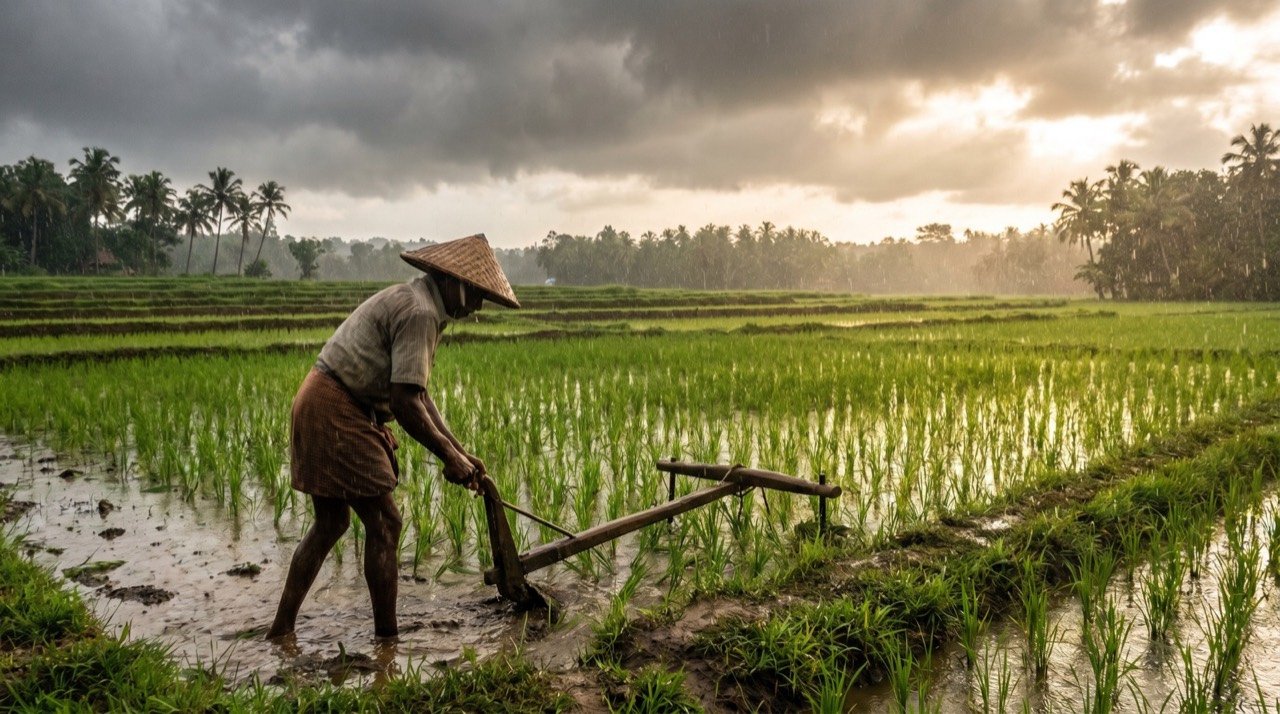
States Brace for Monsoon Fevers as Early Dengue Surge Worries Health Officials
With the southwest monsoon advancing, health departments across India are scrambling to contain dengue, malaria and chikungunya after an unusually early spike in cases reported before the rains even arrived.

Dengue Loosens Its Grip on the Monsoon as India Reports Early Cases
Health officials say the once-predictable rainy-season cycle of dengue is blurring, with infections surfacing earlier in the year and surveillance now stretching across almost all twelve months.
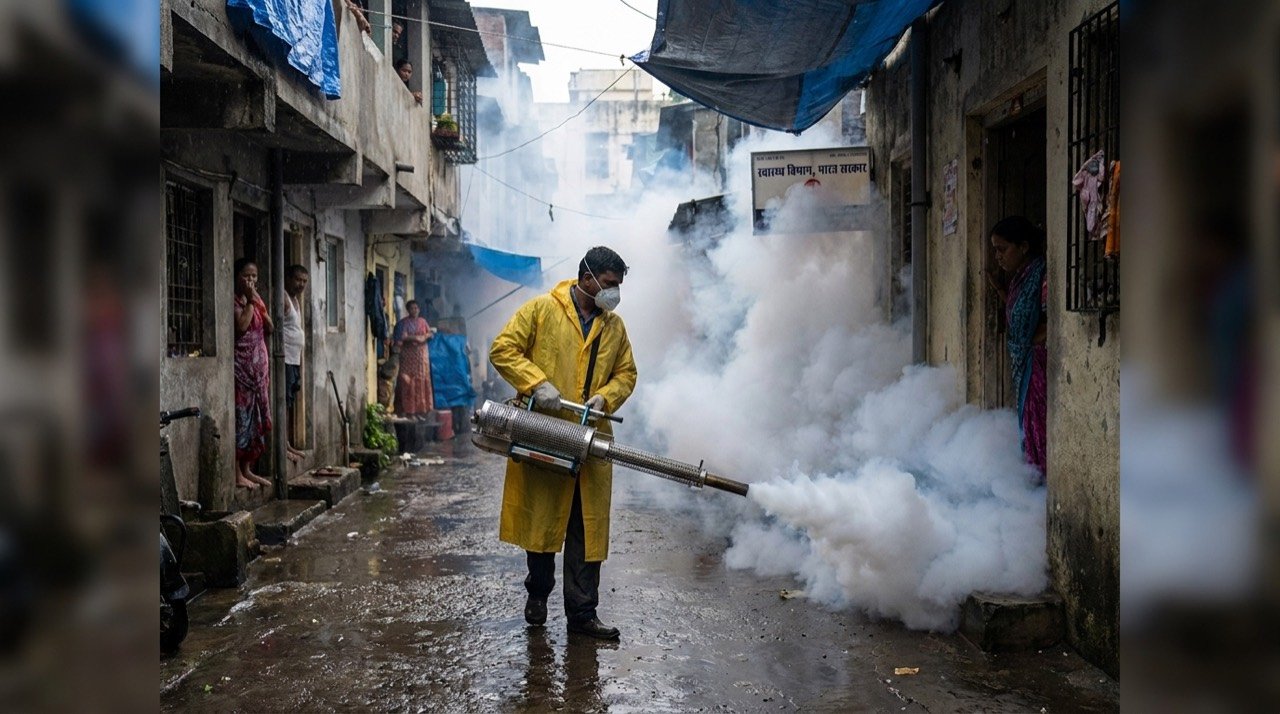
India Braces for Monsoon Disease Season as Cities Ramp Up Vector Surveillance in 2026
With dengue, malaria and chikungunya cases historically peaking after the rains, civic bodies led by Delhi are activating sentinel hospitals and stepping up mosquito control ahead of the dangerous monsoon months.
Weight-Loss Drugs May Slow the Spread of Some Cancers, Early Data Suggests
Real-world data presented at a major oncology meeting hints that GLP-1 medicines, already widely used for diabetes and obesity, may reduce the odds of certain cancers advancing.