Madurai Bus Collision Leaves Six Dead and 41 Injured, Renewing Questions About Tamil Nadu Road Safety
A deadly collision near Kottampatti has brought grief to families and placed intercity bus safety, driver fatigue and emergency response back under scrutiny.
Commentary & Analysis ·
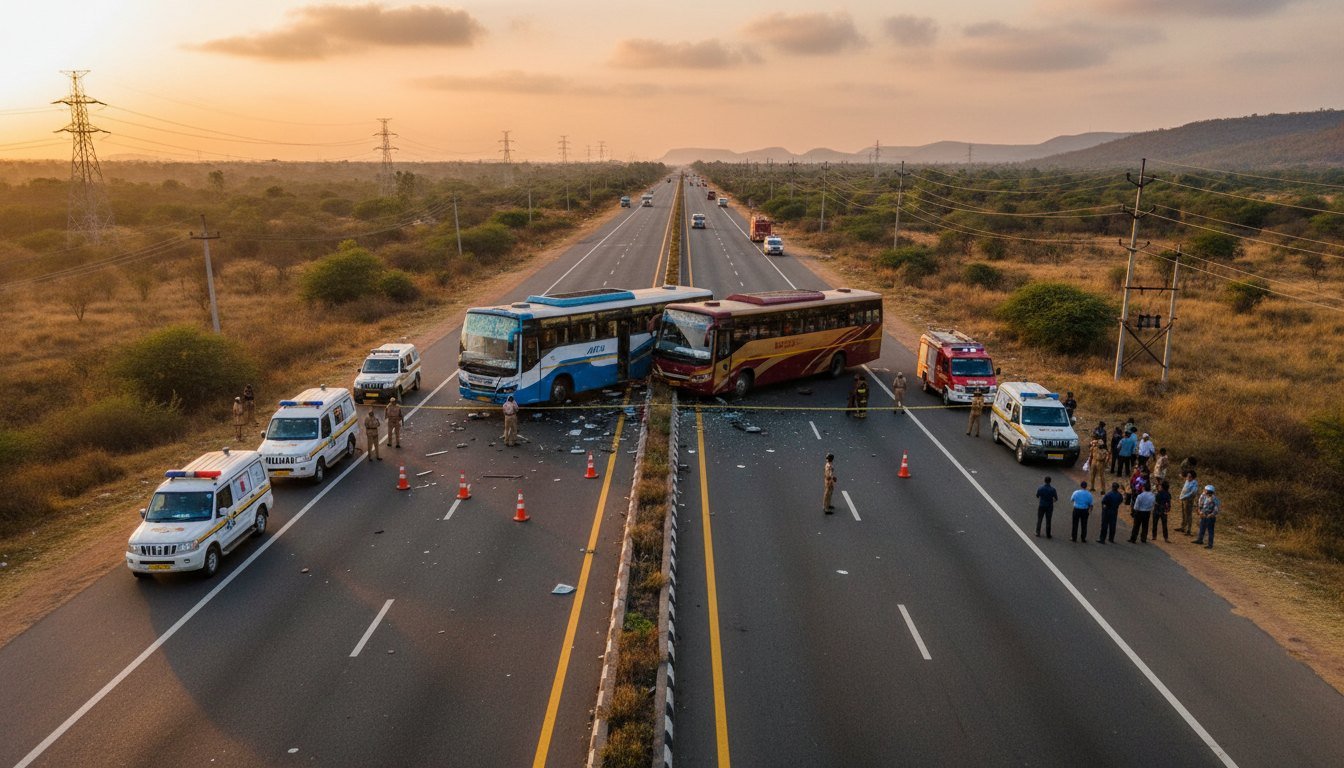
A devastating road collision near Kottampatti in Melur, Madurai district, killed at least six people and injured 41 others on Monday, according to initial reporting. The crash involved a private omni bus and a Tamil Nadu State Transport Corporation vehicle. As rescue teams moved the injured to hospitals and police began examining the circumstances, the Madurai bus accident became more than a breaking-news statistic. It became another test of how India prevents high-casualty crashes on heavily used intercity routes and how quickly the system can protect passengers when prevention fails.
The immediate priority is the condition of the injured and support for the families of those who died. Early casualty figures in major accidents can change as hospitals update records, which is why responsible coverage should avoid speculation about identities, blame or the exact sequence of events until authorities release verified findings. Investigators are expected to examine vehicle condition, speed, lane position, driver alertness, road design, visibility and whether either bus attempted an unsafe manoeuvre. Evidence may include skid marks, vehicle damage, passenger statements, dash-camera or roadside footage, and data from any installed tracking systems.
The Kottampatti bus collision highlights the particular risks associated with large passenger vehicles. Buses carry dozens of people, so a single mistake can have consequences far beyond those of an ordinary two-vehicle crash. Their weight increases stopping distance, and their height can make them vulnerable to severe body roll or structural damage. On two-lane or mixed-traffic roads, buses must share space with motorcycles, tractors, cars, pedestrians and freight vehicles moving at very different speeds. A safe system cannot depend only on the skill of one driver; it must include road engineering, maintenance, enforcement, scheduling and emergency care.
Tamil Nadu road safety has improved in some respects through stronger enforcement, trauma-care networks and public campaigns, yet serious crashes continue to expose familiar weaknesses. Private omni buses often operate overnight or on tight commercial schedules, while government buses may run frequent services with limited recovery time. Fatigue can develop gradually and may not be obvious to passengers. Operators should use realistic timetables, enforce rest rules, rotate drivers on long routes and monitor harsh braking, speeding and prolonged driving through telematics. Technology is useful only when companies act on the alerts rather than treating them as paperwork.
Vehicle fitness is another essential line of defence. Tyres, brakes, steering, lights, windshields and emergency exits require regular inspection. Passengers rarely have the ability to judge whether a bus is mechanically safe before boarding, so regulators and operators carry a special responsibility. Fitness certificates should reflect genuine inspections, not merely administrative compliance. Depots need maintenance records that can be audited, and serious defects should remove a vehicle from service immediately. After a crash, investigators should also check whether recent repairs were completed correctly and whether replacement parts met required standards.
Road design may prove equally important. Collision-prone stretches can contain narrow shoulders, poor lane markings, hidden junctions, uneven surfaces, inadequate lighting or roadside obstacles that leave drivers little room to recover. A road-safety audit should examine not only the exact impact point but the surrounding corridor. If repeated crashes occur near the same location, authorities should consider median improvements, rumble strips, clearer signs, speed management, better lighting or redesigned access points. Engineering changes are often more reliable than expecting every driver to respond perfectly every time.
The TNSTC bus accident also raises questions about passenger protection inside buses. Seat belts are still inconsistently available or used on many services. Loose luggage can become a projectile in a high-impact crash. Emergency windows may be difficult to open, and passengers may not know how to use them. Modern safety policy should treat bus occupants as active users of a protected system. Clear evacuation instructions, accessible hammers, functioning exits and well-secured seating can reduce injuries when a collision occurs.
Emergency response can determine whether severe injuries become fatalities. The first minutes matter for bleeding, airway obstruction and head or spinal trauma. Bystanders often provide the earliest assistance, but untrained movement of badly injured passengers can worsen spinal injuries. India’s expanding ambulance and trauma-care networks need reliable dispatch, route coordination and hospital capacity. Major highways should have mapped trauma centres, and local police should be able to create a green corridor when multiple critical patients require urgent transfer.
The Madurai district news came amid another deadly road crash on the Madurai-Kollam highway, where three people were reported killed and six injured after a car struck a median. Taken together, the incidents underline that road deaths are not isolated acts of bad luck. They are a public-health and governance challenge. Every fatal crash should trigger a structured investigation that asks what failed in the system and what change will prevent recurrence. Criminal liability may be appropriate in some cases, but punishment alone does not repair unsafe junctions, unrealistic schedules or weak maintenance.
For passengers, practical precautions include choosing licensed operators, avoiding buses that appear overcrowded or poorly maintained, keeping aisles and exits clear, and wearing a seat belt where one is provided. Families should retain ticket details so authorities can trace journeys after an emergency. Yet the burden must not be shifted onto passengers. The central responsibility lies with operators, regulators and road agencies that control the conditions of travel.
The final cause of the Madurai bus accident must be established through evidence, not assumption. What is already clear is that six lives have been lost, dozens of people have been hurt and many families are facing a long recovery. The most meaningful response will be a transparent investigation, timely compensation and treatment, and specific safety reforms that extend beyond the news cycle.
You may also like to read
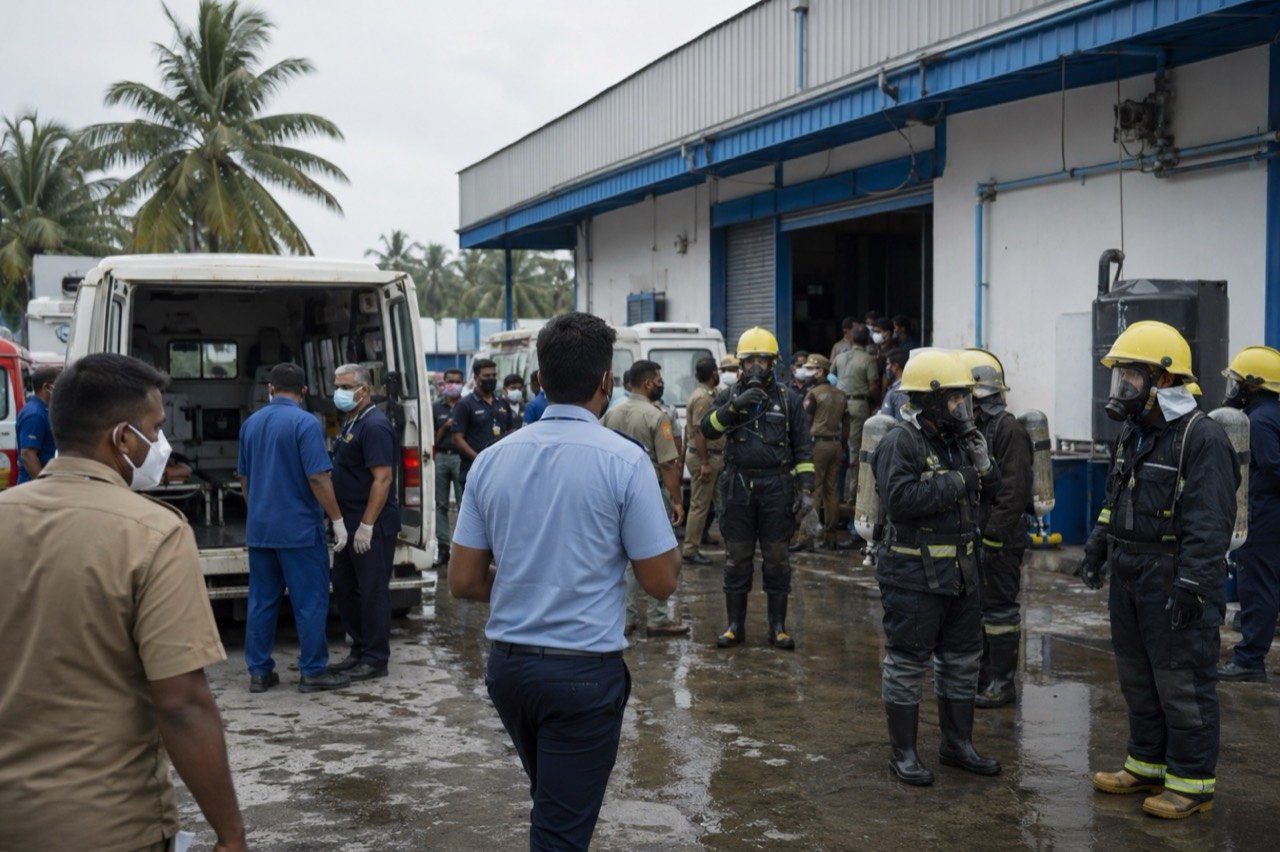
Tamil Nadu Ammonia Leak Death Toll Rises to Nine as Safety Questions Mount
Nine workers have now died after an ammonia gas leak at a Tamil Nadu seafood processing unit, reviving urgent scrutiny of industrial safety, refrigeration norms and emergency response in India's cold-chain sector.
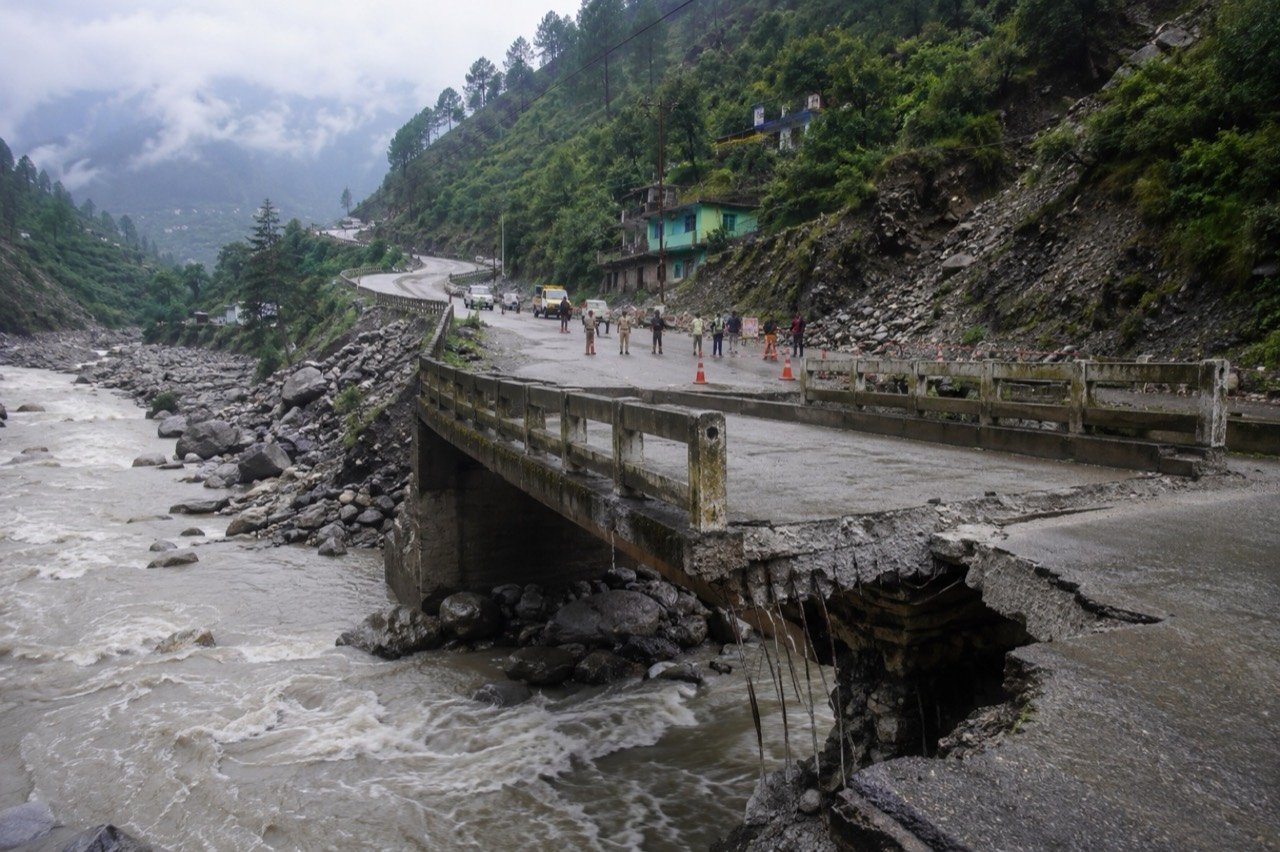
Himachal Bailey Bridge Collapse Sends Truck Into Sutlej, Renewing Hill-Road Safety Fears
A Bailey bridge on National Highway 5 in Himachal's Kinnaur district gave way under a passing truck, plunging it into the Sutlej, with the driver surviving and questions over mountain-road maintenance resurfacing.
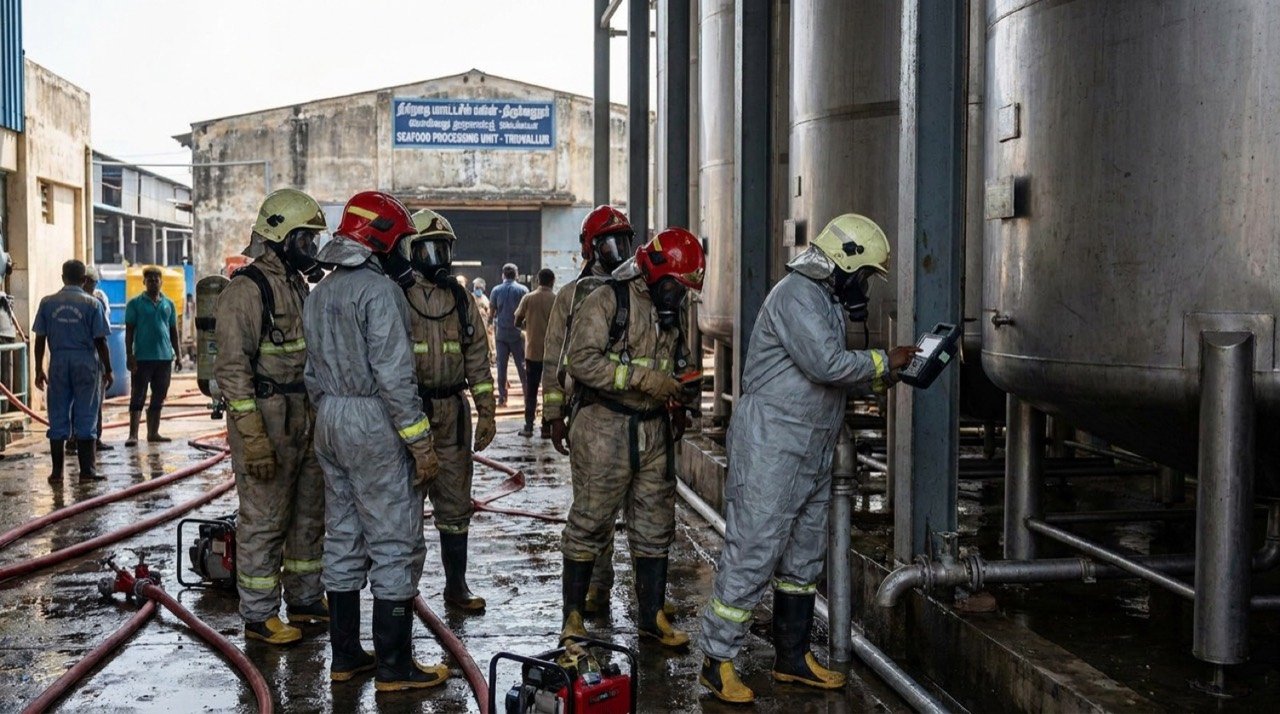
Tamil Nadu Ammonia Leak Toll Rises to Nine, All Women, as Worker Safety Comes Under Scrutiny
Nine women have died in an ammonia gas leak at a Tiruvallur seafood unit in Tamil Nadu, with dozens still in treatment and the NHRC seeking a report, putting industrial safety in sharp focus.
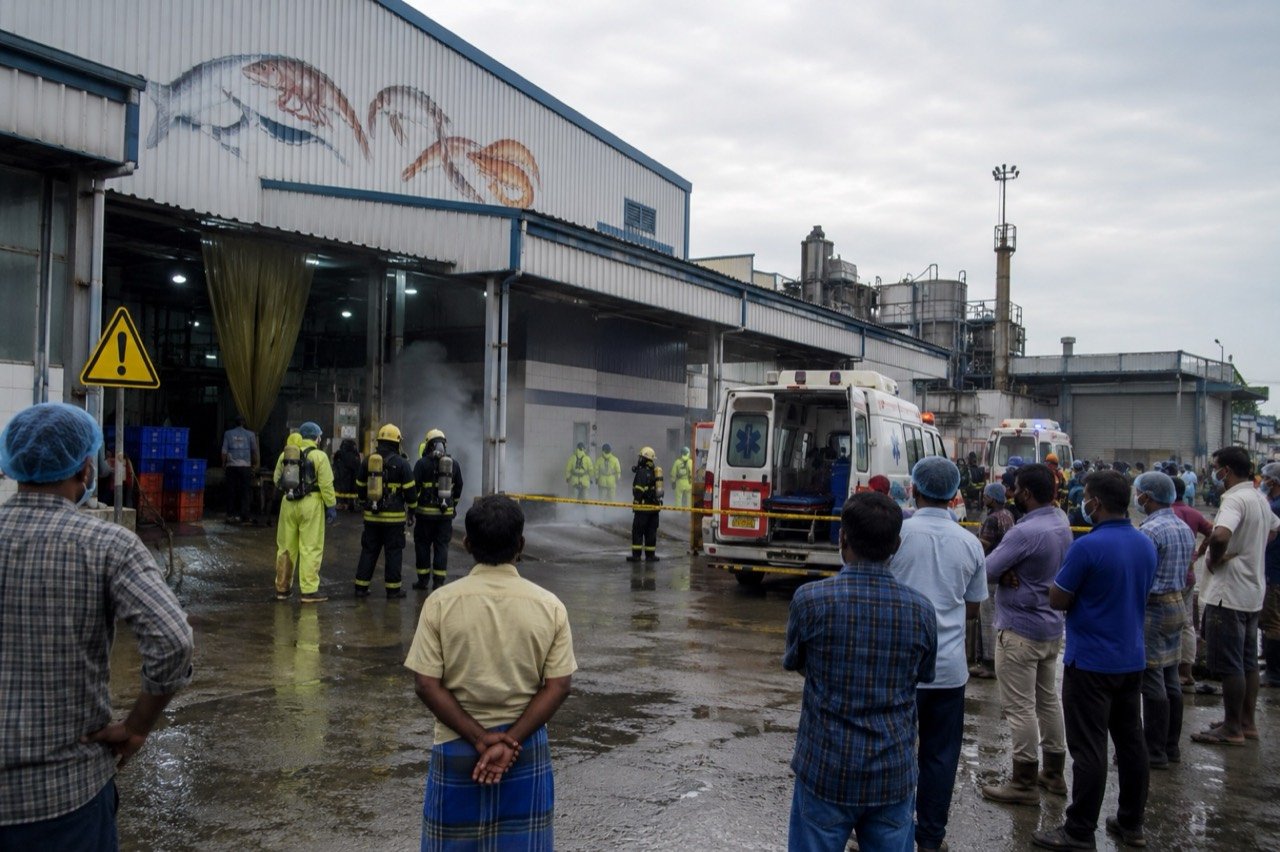
Tiruvallur Ammonia Leak Puts Tamil Nadu Seafood Factory Safety Under Scrutiny
A deadly ammonia leak at a Tiruvallur seafood unit has killed seven and hospitalised dozens, forcing a hard look at industrial safety, migrant housing and chemical emergency preparedness across Tamil Nadu.