Madras High Court Seeks Action Reports on Stray Dog Management
The court has given Tamil Nadu and Puducherry four weeks to detail sterilisation, vaccination and animal birth control efforts, shifting focus from rhetoric to implementation.
Commentary & Analysis ·
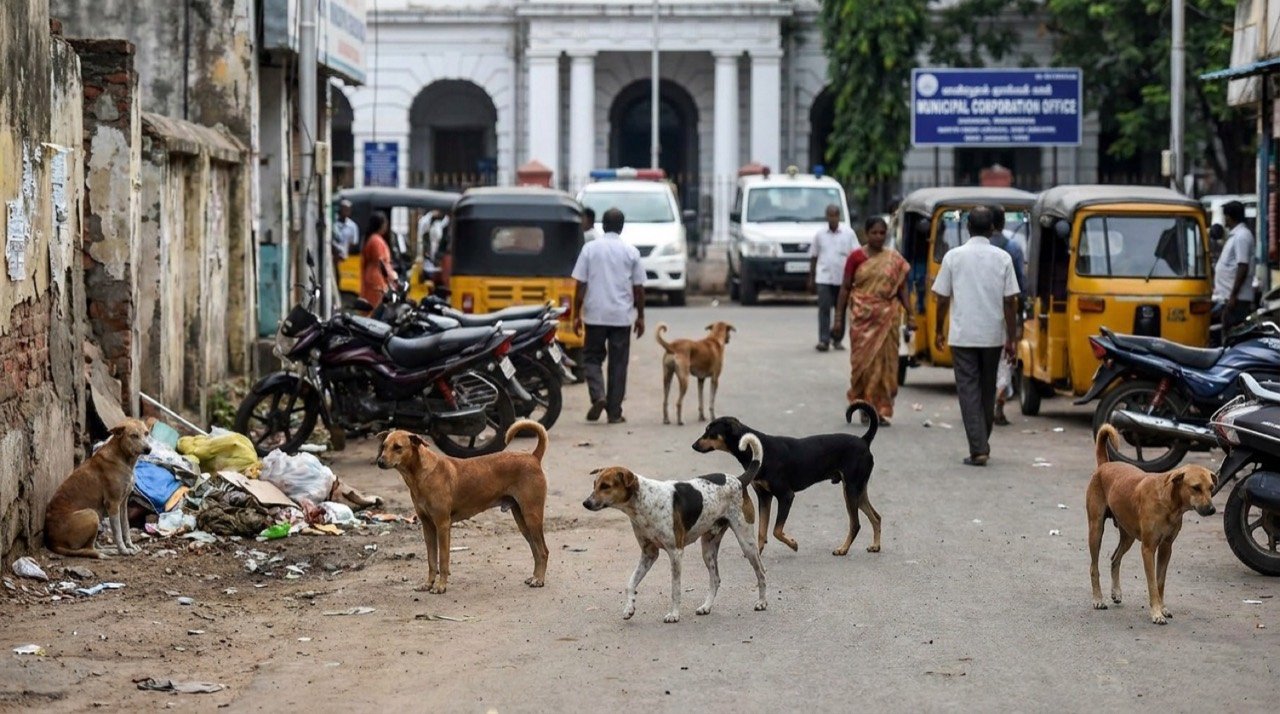
The Madras High Court has asked Tamil Nadu and Puducherry to file status reports within four weeks on the steps they have taken to manage stray dogs and protect public safety. The order pushes the issue beyond debate and toward measurable action, demanding evidence of infrastructure and programmes rather than assurances. For a subject that has generated years of anguished commentary, complaint and occasional outrage, the shift from rhetoric to a documented paper trail is itself significant. Courts cannot build shelters or hire veterinarians, but they can compel governments to show their working, and that is precisely what has happened here.
What the court has asked for
Taking up the matter suo motu as a public interest litigation, the court sought details on animal birth control centres, veterinarians, trained staff, sterilisation drives and vaccination efforts. The questions are deliberately practical, aimed at whether local bodies actually possess the capacity to deliver on stray-dog management. This is not a request for policy statements or five-year visions. It is a request for an inventory: how many centres exist, how many professionals staff them, how often sterilisation is actually carried out, and whether vaccination coverage is sustained rather than sporadic. The proceeding follows wider judicial concern over how to balance public safety with humane animal-welfare rules, a tension that has surfaced repeatedly as courts weigh competing obligations. That tension is not new to Indian jurisprudence, but the insistence on a four-week deadline for concrete reporting marks a harder edge than the more general directions issued in the past.
Why the issue keeps returning
In many cities and towns, dog-bite complaints, patchy vaccination coverage and limited municipal capacity have become recurring public concerns. These are not abstract problems; they bear directly on rabies risk and everyday safety, particularly for children and the elderly. The recurrence of this issue in Indian courts and civic bodies is telling in itself. If sterilisation and vaccination programmes worked as designed, and if animal birth control centres were adequately staffed and funded, the stray-dog population and the associated safety concerns would not require repeated judicial intervention. Instead, the same set of problems resurfaces year after year, suggesting that whatever measures exist on paper are not being sustained in practice. By focusing on implementation rather than rhetoric, the court is testing whether local bodies have the infrastructure, staff and regular programmes needed to manage the stray-dog population in line with the law.
The gap between policy and delivery
India's approach to stray-dog management has, for years, rested on a well-established legal and policy framework centred on sterilisation and vaccination rather than culling. The principle is sound and reflects both animal-welfare considerations and public-health logic, since removing dogs without addressing the underlying population dynamics tends to be ineffective in the medium term. The difficulty has never really been the design of the policy. It has been consistency of delivery: whether municipal corporations and local bodies actually fund, staff and sustain the programmes required to make the framework work. Animal birth control centres that operate intermittently, or that lack sufficient veterinarians and trained handling staff, cannot keep pace with population growth. Vaccination drives that happen once and then lapse leave rabies risk essentially unaddressed. This is why the court's demand for a status report, rather than a statement of intent, matters. It forces disclosure of exactly where the gap between policy and delivery lies.
What an effective response requires
A serious response from Tamil Nadu and Puducherry would need to demonstrate several things at once, and the absence of any one of them would leave the underlying problem largely unresolved.
- Functioning animal birth control centres with adequate capacity
- Sufficient veterinarians and trained handling staff
- Regular sterilisation drives to control population growth
- Sustained vaccination programmes for rabies control
- Reliable data and transparent reporting on outcomes
The court's questions focus on implementation rather than rhetoric: whether local bodies have infrastructure, staff and regular programmes. A useful policy response will need reliable data, humane handling, rabies control and transparent reporting in equal measure. Each of these elements depends on the others. Data without humane handling standards would be a hollow compliance exercise; humane handling without sustained vaccination would leave public-safety concerns unaddressed; and any of these without transparent reporting would simply return the issue to the realm of assurances that the court is now trying to move past.
Stakeholder perspectives and the road ahead
For municipal administrations in Tamil Nadu and Puducherry, the four-week deadline is a tight but not unreasonable window to compile existing data, assuming the underlying programmes exist in some form. If the reports reveal genuine capacity, gaps can be identified and addressed with targeted funding and staffing. If they reveal the absence of basic infrastructure, that too will be instructive, and will shift the conversation from debate about principles to a concrete account of what needs to be built. For animal-welfare advocates, judicial insistence on sterilisation and vaccination, rather than culling, reaffirms a framework they have long supported, while the demand for verifiable outcomes addresses a long-standing complaint that such programmes exist more on paper than on the ground. For residents worried about dog bites and rabies risk, particularly families with children and elderly members, the practical test will be whether reported sterilisation and vaccination numbers translate into a visible reduction in stray-dog encounters and incidents over time. The four-week deadline gives the two governments a concrete test, and the reports they file will reveal how far stated commitments translate into capacity on the ground. What happens after the reports are filed will matter as much as the reports themselves. Courts can compel disclosure, but sustained follow-through, funding cycles, staffing decisions and monitoring, will remain in the hands of the state and union territory administrations.
The NE Times View
The court is right to demand action reports rather than accept assurances; India's stray-dog crisis is a failure of sustained municipal effort, not of available solutions. Sterilisation and vaccination work only when funded and consistent, yet they routinely lapse between headlines. The humane and the public-safety case point the same way, and judicial pressure that insists on data over promises is exactly what the issue has lacked. What should follow this order is not merely compliance on paper but a durable shift toward routine, funded, monitored programmes that do not depend on judicial prodding to stay functional. If Tamil Nadu and Puducherry use this four-week window to genuinely audit their capacity rather than assemble a defensive submission, the exercise could mark a turning point. If not, the same complaints, and quite possibly the same court, will be back within the year.
Key takeaways
- The Madras High Court has given Tamil Nadu and Puducherry four weeks to file status reports on stray-dog management infrastructure and programmes.
- The suo motu public interest litigation seeks specifics on animal birth control centres, veterinarians, staff, sterilisation drives and vaccination efforts.
- The order reflects recurring public concern over dog-bite incidents, rabies risk and patchy municipal capacity, especially affecting children and the elderly.
- An effective response requires functioning centres, adequate staffing, regular sterilisation, sustained vaccination and transparent reporting, not one in isolation.
- The real test lies beyond the four-week deadline, in whether reported commitments translate into sustained capacity on the ground rather than another cycle of assurances.
You may also like to read
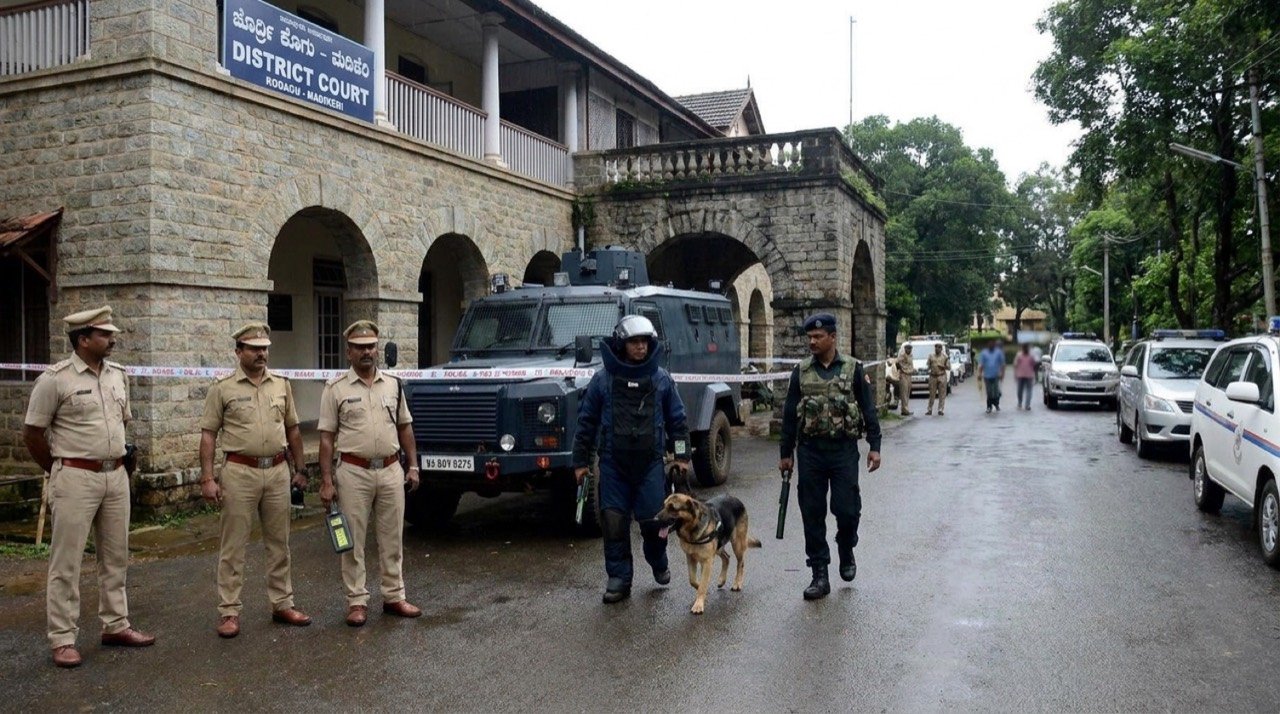
Hoax Bomb Threat to Kodagu District Court Sparks Security Alert in Madikeri
An email claiming cyanide bombs would detonate at the Madikeri court triggered a full security response before being declared a hoax, renewing focus on threat-screening protocols.
Supreme Court Issues Notice on Bail Plea in Zubeen Garg Death Case
The Supreme Court has issued notice on a bail plea tied to the probe into singer Zubeen Garg's death, reviving an emotionally charged case that has gripped Assam for months.

Kerala High Court Limits Family Court Powers Over Marital Status After a Spouse's Death
The Kerala High Court has ruled that family courts cannot decide marital-status disputes once a spouse has died, redrawing the line between family and civil jurisdiction in inheritance, pension and property cases.
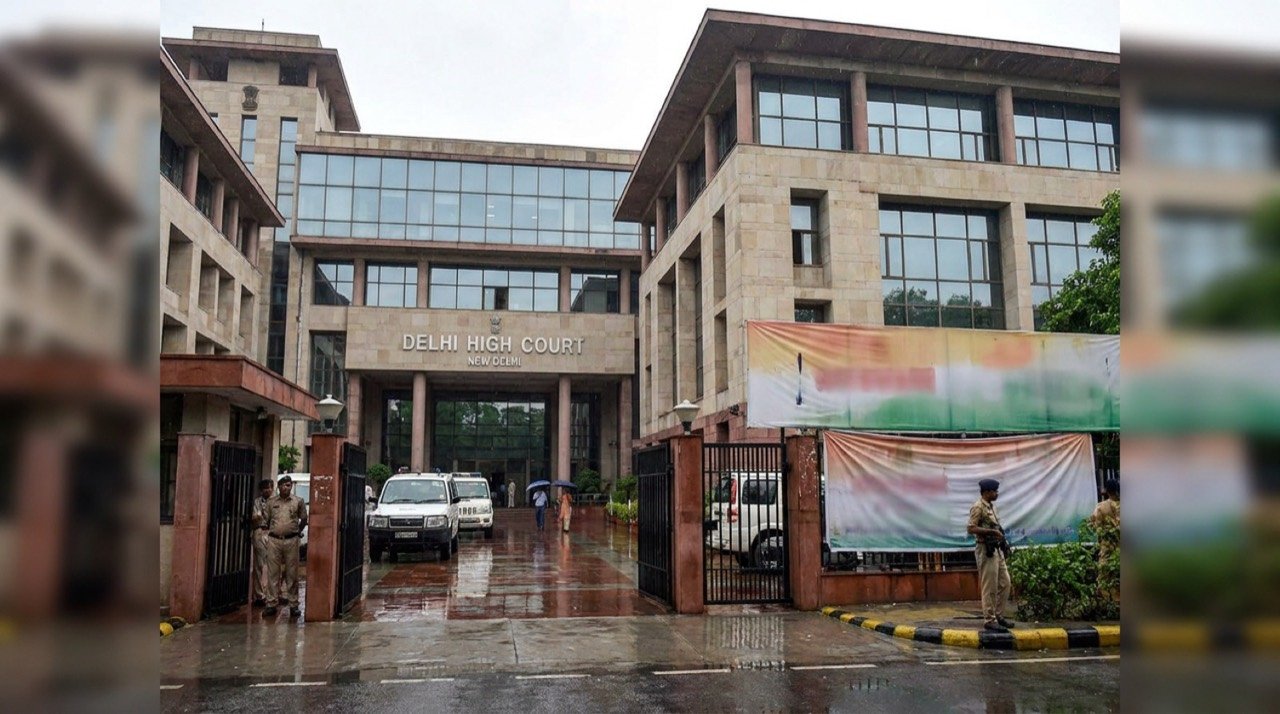
Delhi High Court Clears Way for Proposed CAG Audit of BSES Discoms
The Delhi High Court has dismissed BSES petitions against a proposed CAG audit, calling the June 6 notice a show-cause communication and keeping scrutiny of power distribution finances alive.
More from this section
More
AICTE Industry Fellowship 2026: Rs 1.5 Lakh Scheme Closes July 5
The AICTE Industry Fellowship Programme 2026, which places technical-education faculty inside leading companies on a Rs 1.5 lakh monthly stipend, reached its application deadline on July 5.

Bay of Bengal Low Pressure System Revives Monsoon Over Western India
A low-pressure system over the Bay of Bengal has pushed the monsoon back into an active phase, bringing steady heavy rain to Kerala, coastal Karnataka and Maharashtra, and putting Mumbai and Pune on preparedness watch.
Bishnoi Gang Suspects Injured in Haryana Encounter as Police Tighten Net
A joint Haryana-Delhi Police operation in Bahadurgarh left two suspected Lawrence Bishnoi gang members injured, spotlighting the multi-state coordination now central to India's fight against organised crime networks.