Kumar Pillai's Repatriation to Hong Kong Puts Extradition Limits Back in Focus
A Mumbai court's order returning alleged gangster Kumar Pillai to Hong Kong after acquittals has revived debate over treaty obligations, due process and the legal limits of holding an extradited accused.
Commentary & Analysis ·
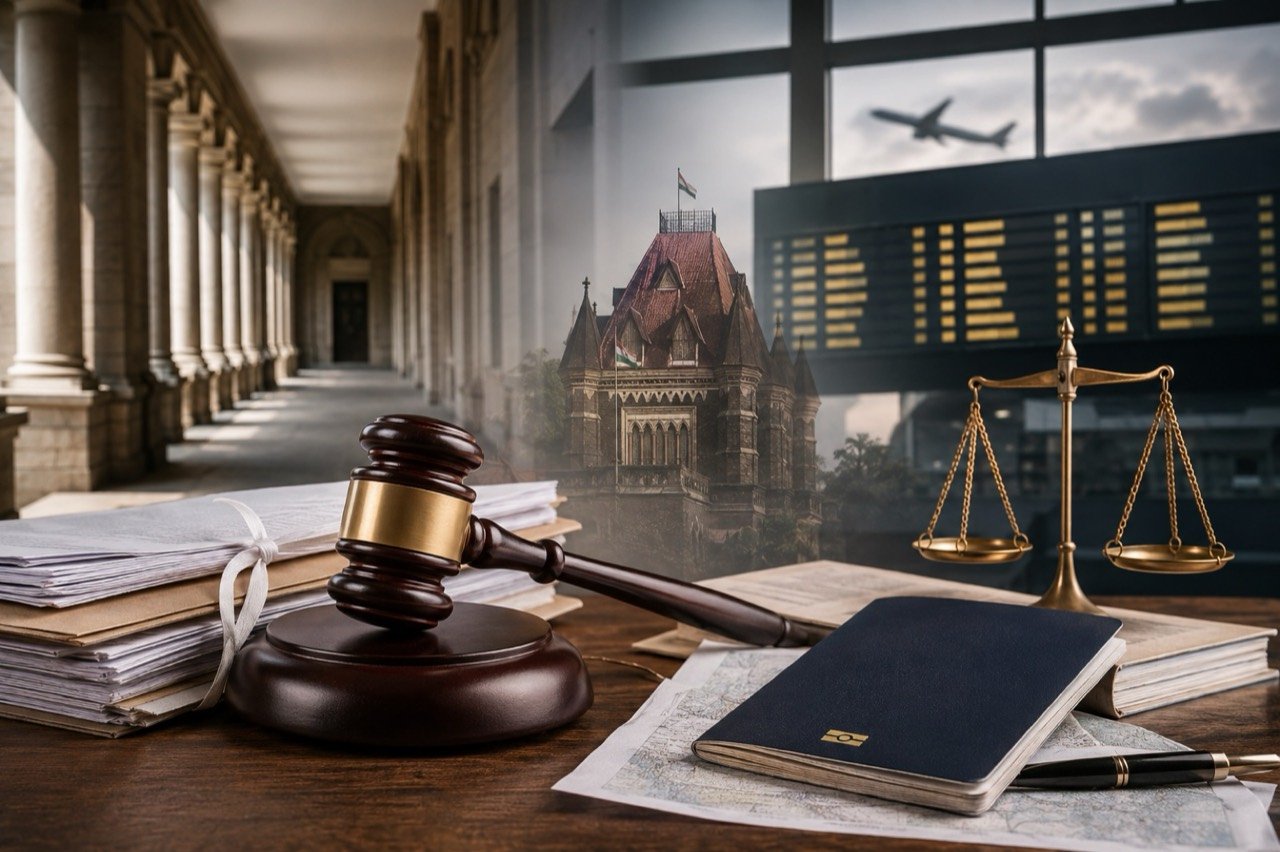
A Mumbai court's direction to repatriate alleged gangster Kumar Krishnan Pillai to Hong Kong has placed the limits of India's extradition framework back at the centre of legal discussion. The order, following Pillai's acquittals in the cases for which he was originally brought to India, underscores a principle that often goes unnoticed in high-profile crime cases: the difference between suspicion and prosecutable authority.
The case in brief
According to reports, Pillai was extradited to India roughly a decade ago to face three cases. He was subsequently acquitted in all of them, with verdicts coming in 2020, 2022 and 2024. With those proceedings concluded in his favour, Pillai argued that he could not lawfully be detained in India for other matters without fresh permission from Hong Kong.
The court's order to send him back reflects acceptance of that argument, anchored in the conditions under which extradition was granted in the first place.
Why the rule of specialty matters
At the heart of the case is the long-standing principle of specialty in extradition law. When one country surrenders a person to another, it usually does so for specific named offences. The requesting state cannot simply repurpose that custody to pursue unrelated charges once the original cases collapse, unless the surrendering state agrees.
This is not a loophole but a safeguard. It protects the integrity of treaty arrangements and prevents extradition from becoming an open-ended tool for detention. For India, honouring such conditions is also essential to maintaining the trust of partner jurisdictions in future cooperation.
A test of due process
The episode highlights an uncomfortable but important reality of the justice system: an acquittal must carry real legal consequences. However strong the suspicion around an individual, the state's power to hold and prosecute is bounded by what the law and the relevant treaty actually permit.
- Pillai was extradited to India around a decade ago to face three cases.
- He was acquitted in all three, in 2020, 2022 and 2024.
- He argued he could not be held for other matters without Hong Kong's consent.
- A Mumbai court directed his repatriation to Hong Kong.
- The case turns on the extradition principle of specialty and treaty obligations.
“Extradition is granted for defined cases, not as a blanket licence to detain; once those cases end in acquittal, the legal basis for custody can end with them.”
— Legal commentary
Beyond the individual, the ruling is a reminder of how carefully cross-border criminal cases must be managed. As India deepens its extradition ties with other countries, decisions like this one signal that its courts will hold both prosecutors and the state to the precise terms under which an accused was brought to Indian soil.
The NE Times View
Returning an acquitted man to the jurisdiction that sought him tests a principle India should defend: extradition is a conditional handover, not open-ended custody. Treaty obligations and due process must outweigh the instinct to keep a feared name behind bars. Uncomfortable as it is, honouring such limits is what makes India's own extradition requests abroad credible. Selective rule-of-law is no rule at all.
This article is original commentary and analysis by The NE Times. Background facts were referenced from The Indian Express and Hindustan Times.
You may also like to read
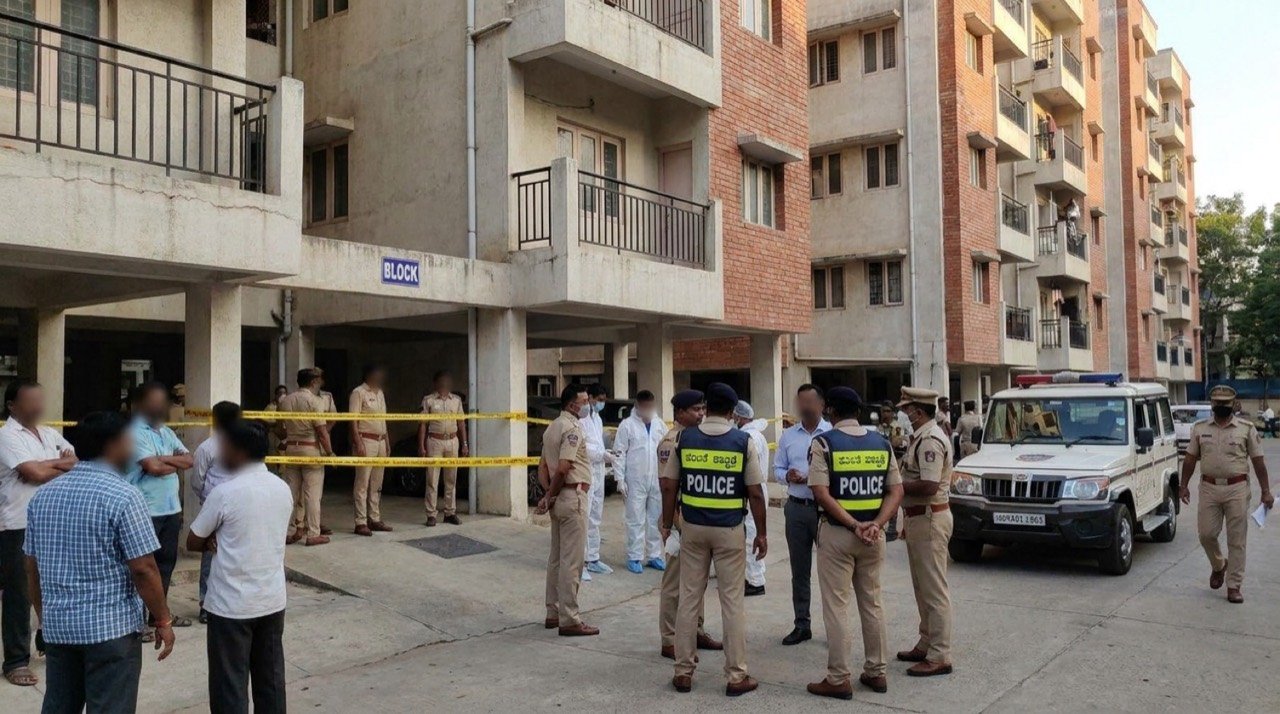
Bengaluru KR Puram Triple Murder Puts Spotlight on Domestic Safety
A triple murder in Bengaluru's KR Puram, in which a woman, her husband and their young son were found dead, has shaken the city and reopened questions about domestic-violence risks and police response.
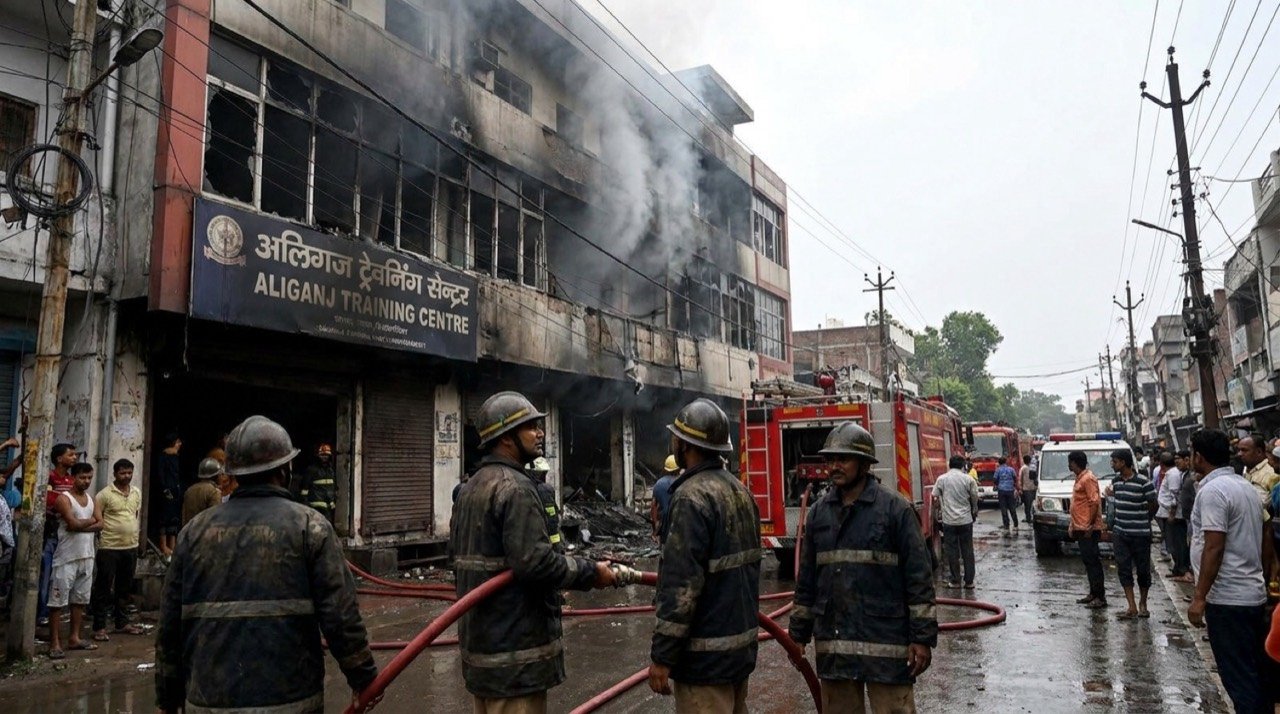
Lucknow Fire Puts Coaching and Training Centre Safety Under Scrutiny
At least 15 people, mostly students and trainees, died in a Lucknow fire, forcing a hard look at fire-safety compliance in coaching centres, gaming studios and training spaces inside commercial buildings.
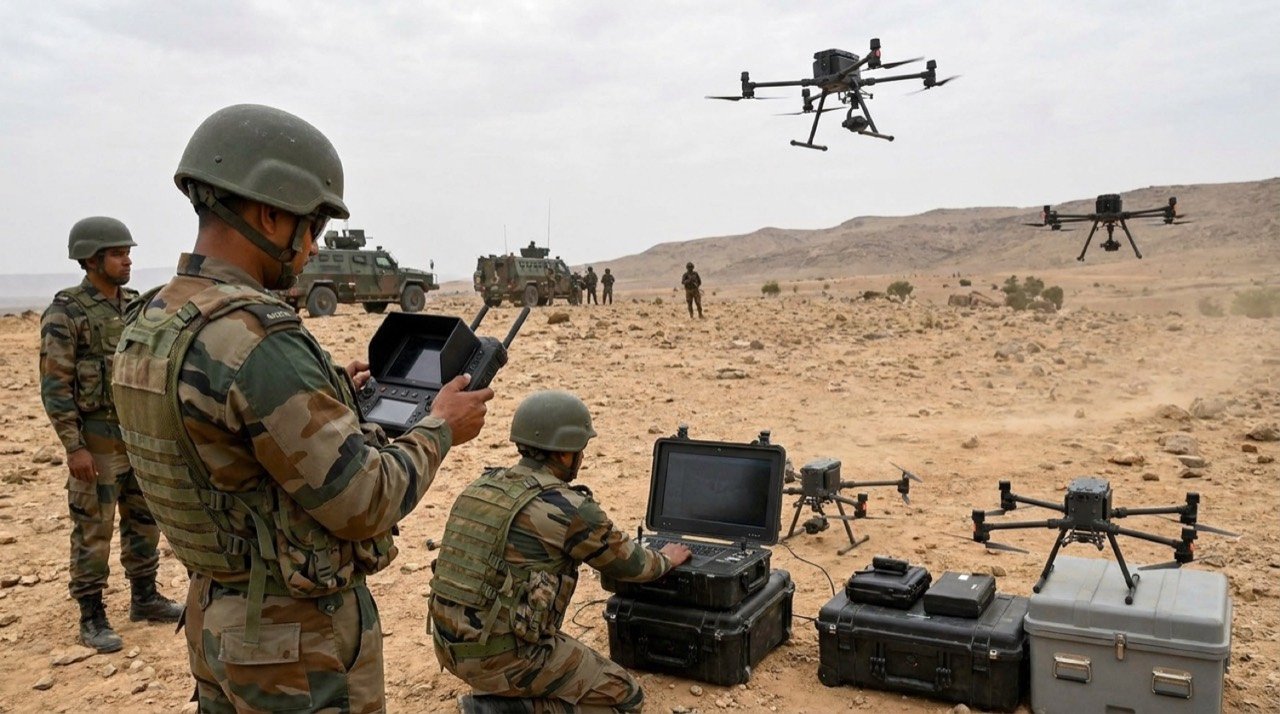
General Dwivedi's Tenure Puts Drones and New Battle Formations in Focus
As Army Chief General Upendra Dwivedi nears the end of his tenure on June 30, his legacy is being weighed through accelerated doctrine, drones and reorganised battle formations.
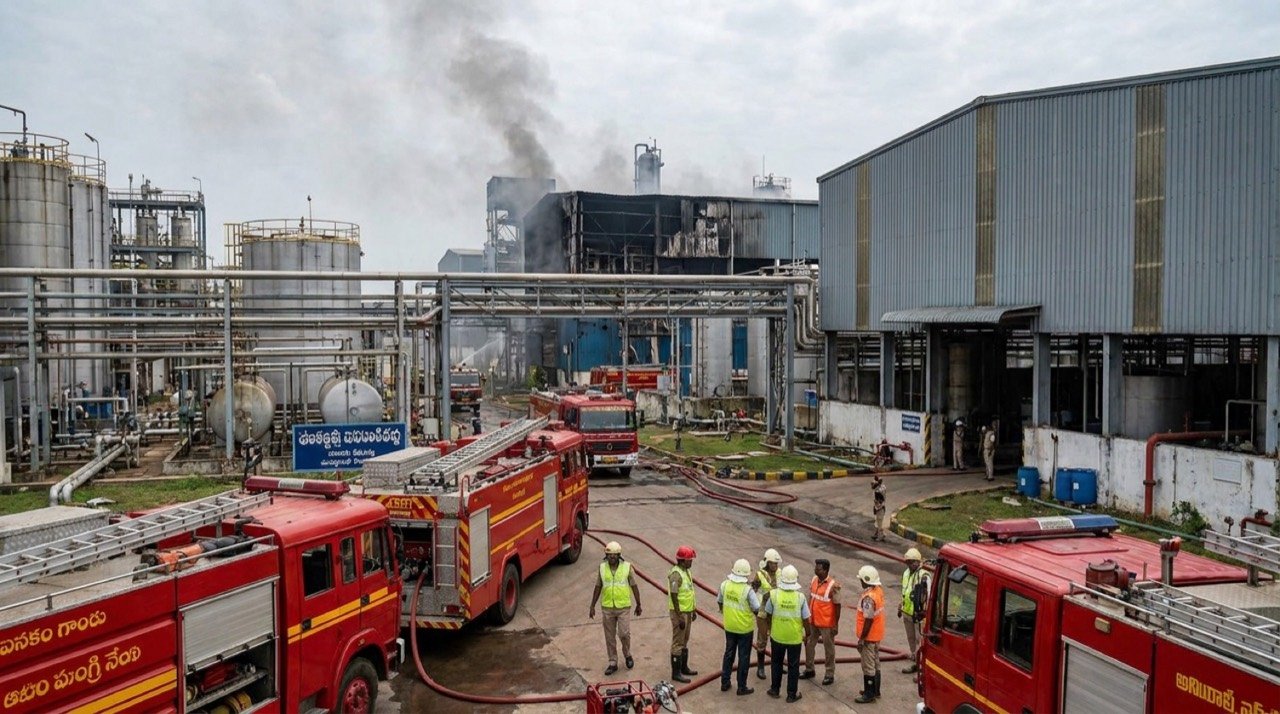
Anakapalli Pharma-City Fire Puts Andhra Pradesh Industrial Safety Back Under the Lens
A deadly fire at a unit in Andhra Pradesh's Anakapalli pharma-city has reignited scrutiny of industrial safety, compliance and worker protection across one of the state's key manufacturing belts.
More from this section
More
AICTE Industry Fellowship 2026: Rs 1.5 Lakh Scheme Closes July 5
The AICTE Industry Fellowship Programme 2026, which places technical-education faculty inside leading companies on a Rs 1.5 lakh monthly stipend, reached its application deadline on July 5.
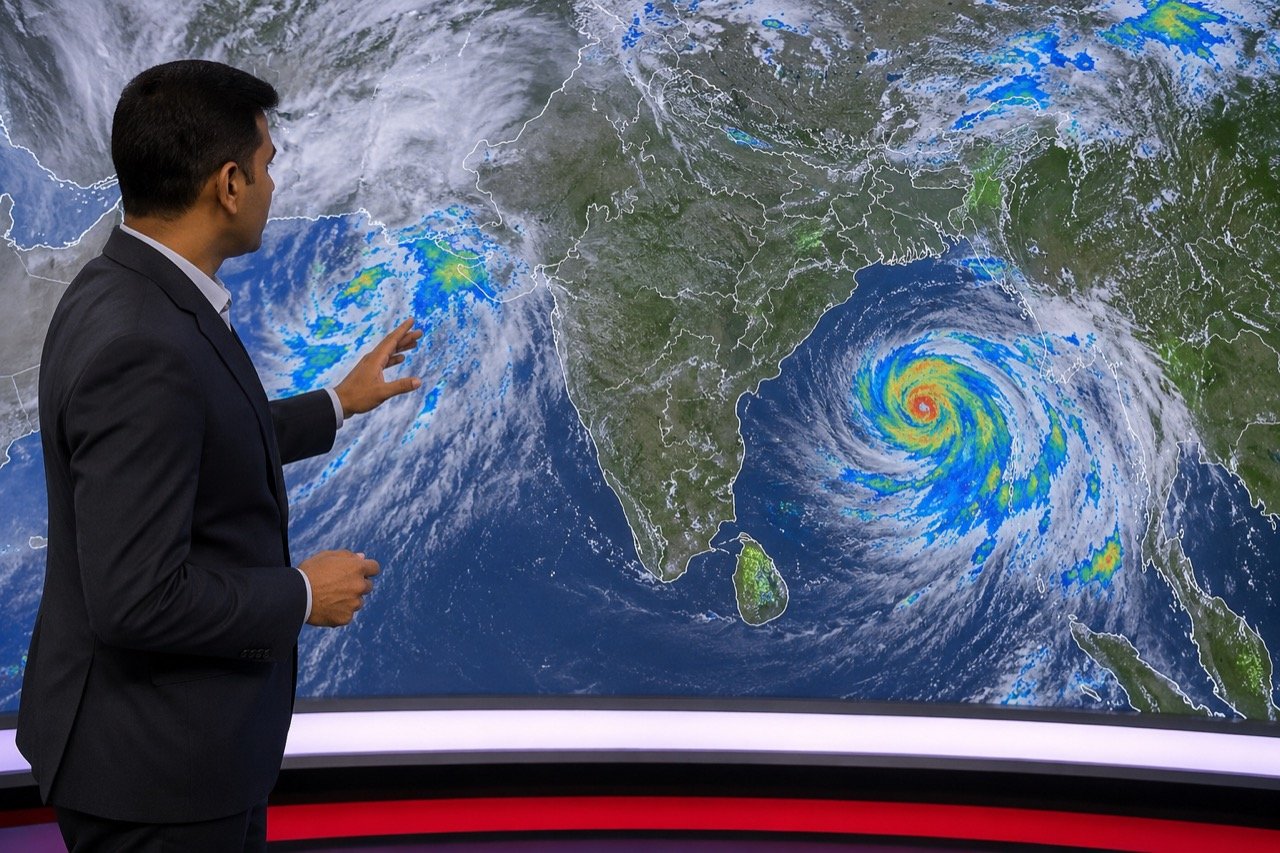
Bay of Bengal Low Pressure System Revives Monsoon Over Western India
A low-pressure system over the Bay of Bengal has pushed the monsoon back into an active phase, bringing steady heavy rain to Kerala, coastal Karnataka and Maharashtra, and putting Mumbai and Pune on preparedness watch.
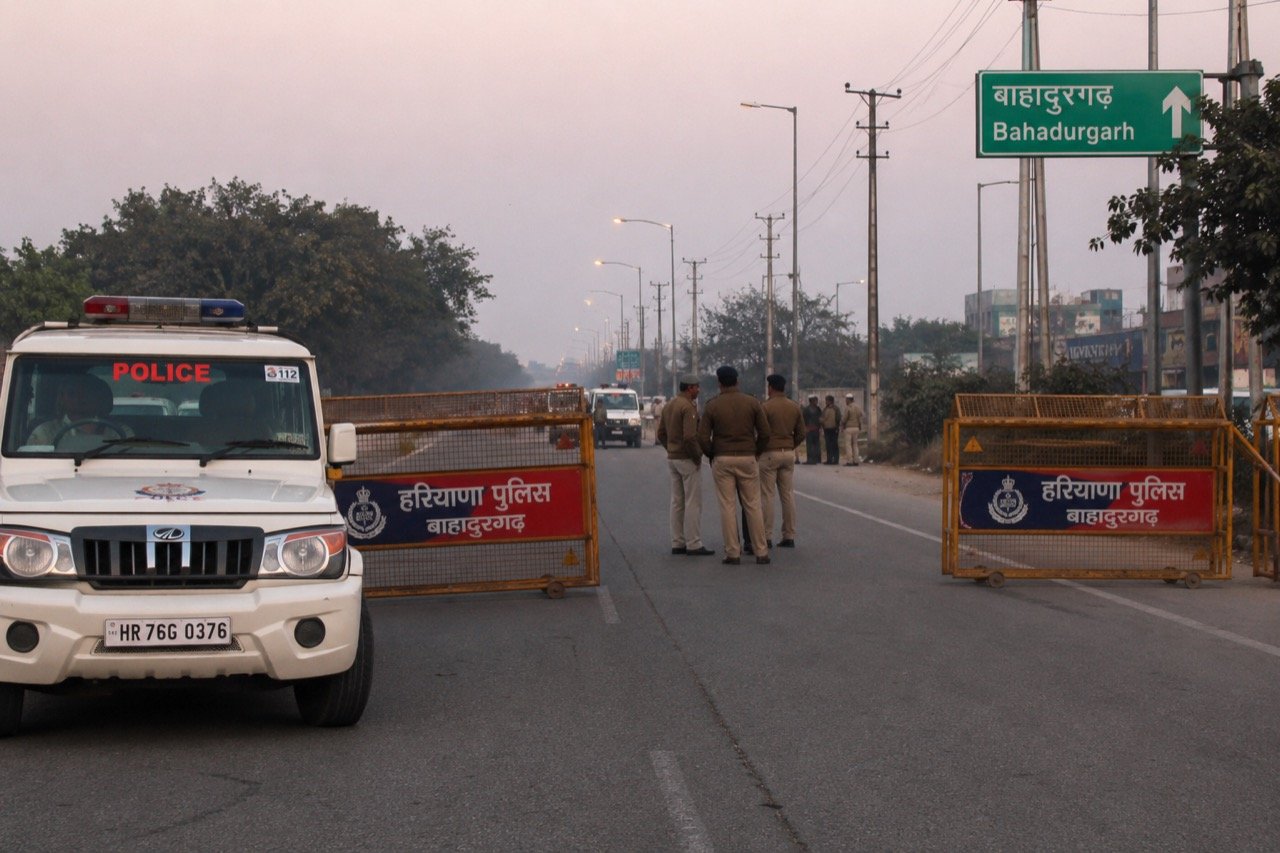
Bishnoi Gang Suspects Injured in Haryana Encounter as Police Tighten Net
A joint Haryana-Delhi Police operation in Bahadurgarh left two suspected Lawrence Bishnoi gang members injured, spotlighting the multi-state coordination now central to India's fight against organised crime networks.