Kerala rolls out 'Priyadarshini' free bus travel for women on ordinary KSRTC services
The state government launches free rides for all women and transgender passengers across more than 3,000 ordinary KSRTC buses, with no registration or paperwork required and an estimated monthly cost of around 75 crore rupees.
Commentary & Analysis ·
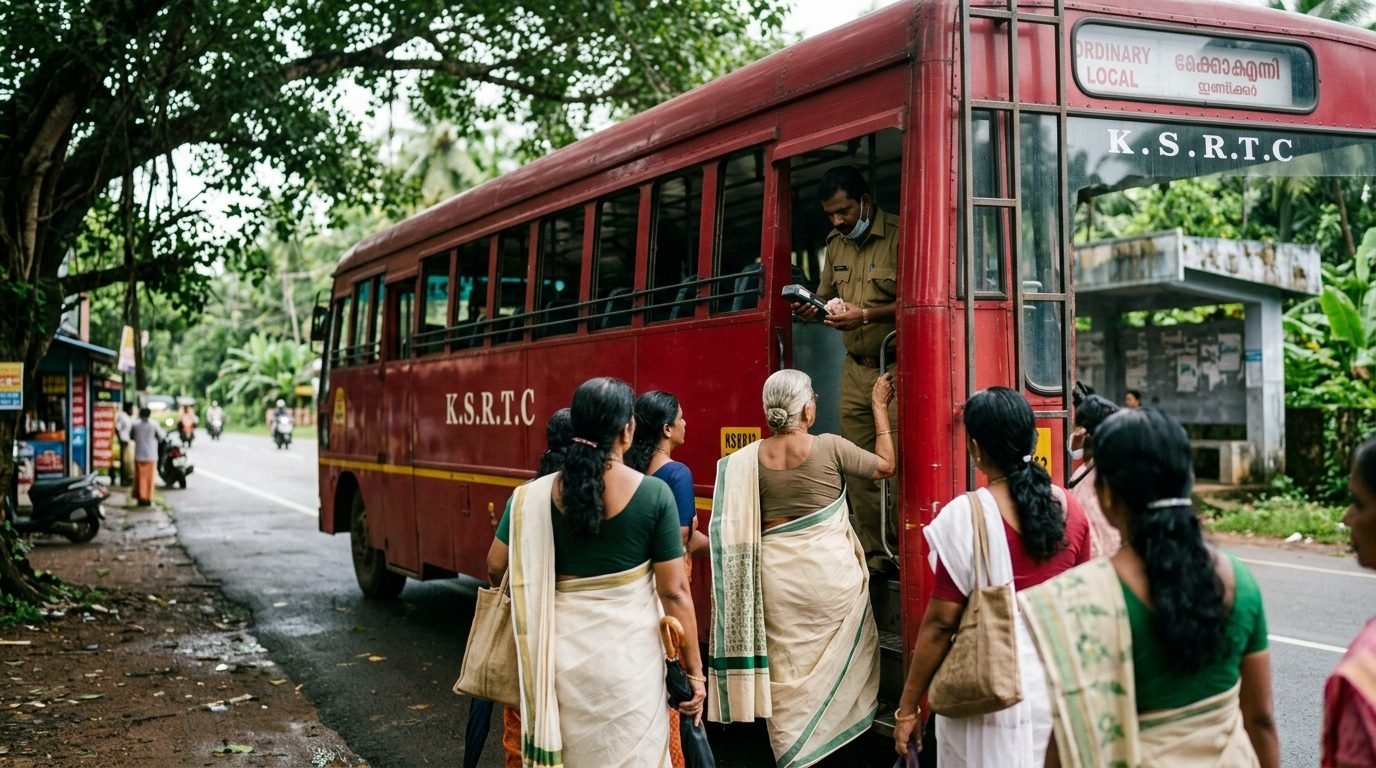
Kerala has joined a growing list of Indian states offering free public bus travel to women, with the launch of the 'Priyadarshini' scheme on Monday. The programme allows all women and transgender passengers to ride the state-run road transport corporation's ordinary buses without paying a fare, a benefit the government has framed as a measure aimed at daily commuters and low-income workers.
The scheme was inaugurated in Thiruvananthapuram by the chief minister and the transport minister. Officials described it as a significant step in expanding access to public transport, noting that many women who travel daily for work, including those in domestic and informal jobs, stand to gain from fare-free journeys on the most widely used category of state buses.
How the scheme works
Unlike some welfare programmes that require enrolment, the Priyadarshini scheme has been designed to be used without prior registration, income certificates or other paperwork. Eligibility is open to all women and transgender persons regardless of age or income, and there is no smart card or pass to obtain in advance.
On boarding an eligible bus, a passenger simply asks the conductor for a zero-value Priyadarshini ticket. The conductor issues it through the electronic ticketing machine, which records the journey. The state has said the ticketing mechanism is intended to track usage and to allow the transport corporation to be reimbursed for the fares it would otherwise have collected.
Where it applies and what it costs
The scheme covers the corporation's ordinary buses, the workhorse services that form the backbone of everyday travel across the state. The government has said the benefit applies across the full fleet of these ordinary buses, while premium categories remain outside its scope for now.
- Free travel is available on the state corporation's ordinary buses, numbering more than 3,000 vehicles statewide.
- Faster and air-conditioned categories such as Fast Passenger, Superfast and AC services are not covered.
- No registration, income certificate or pass is required to use the benefit.
- The government has estimated the cost at roughly 75 crore rupees a month.
Part of a wider southern trend
Kerala's move places it alongside several other states that have introduced free or subsidised bus travel for women in recent years. Neighbouring states in the south and elsewhere have rolled out comparable schemes, and the policy has become a prominent feature of welfare politics, debated both for its social impact and for the strain it can place on transport finances.
Supporters argue that fare-free travel improves women's mobility, helps them access work and education, and puts money back into household budgets. Critics and transport managers, meanwhile, have pointed to the recurring cost and the need to ensure that the corporations carrying the burden are reimbursed in full and on time so that services are not affected.
Pressure on a stretched corporation
The state road transport corporation has long operated under financial strain, and the new scheme adds a fresh layer of accounting to its operations. By routing every free ride through the electronic ticketing machine, the government has sought to create a clear record of the fares forgone, which it has committed to reimbursing so that the corporation's revenues are protected on paper.
How smoothly that reimbursement flows in practice will be closely watched, given the experience of similar schemes elsewhere where transport bodies have at times reported delays in receiving compensation for waived fares.
What comes next
With the launch complete, attention turns to the day-to-day working of the scheme: how conductors manage the issuing of zero-value tickets, how ridership changes on ordinary services, and whether demand prompts the corporation to add capacity on busy routes.
For now, the government has presented Priyadarshini as a decisive step toward more accessible public transport for women across Kerala, and the coming weeks will offer the first real indication of how the policy plays out on the road.
The NE Times View
Free, paperwork-free bus travel for women is the kind of welfare that actually reaches its target: mobility unlocks work, study and independence in ways cash transfers often do not. The instinct is sound, but the 75-crore monthly bill lands on a KSRTC already straining financially, so the open question is sustainability, not intent. Done right, this expands women's access; done carelessly, it deepens a transport utility's losses. Execution will decide which.
This article is original commentary and analysis by The NE Times. Background facts were referenced from Onmanorama and The Tribune.
You may also like to read

Railways Rolls Out Real-Time App to Flag Train Delays Past 15 Minutes
Indian Railways has launched its first internal app to monitor train punctuality in real time, flagging delays beyond fifteen minutes so officials can spot bottlenecks and coordinate faster responses across the network.
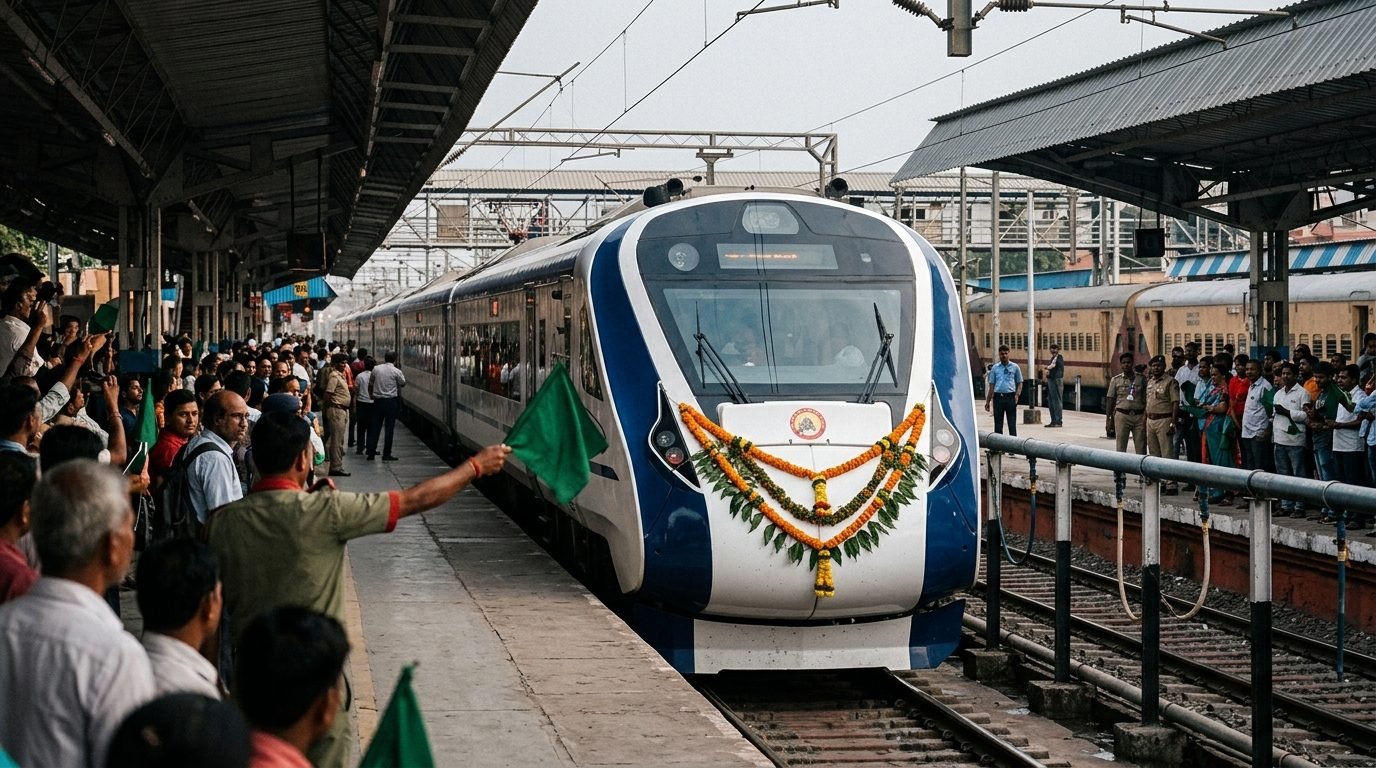
Railways To Flag Off Five New Vande Bharat Trains As Fleet Crosses 160 Services
Indian Railways is set to add five Vande Bharat Express services on June 26, extending semi-high-speed connectivity to more districts as the fleet pushes past 160 services nationwide.
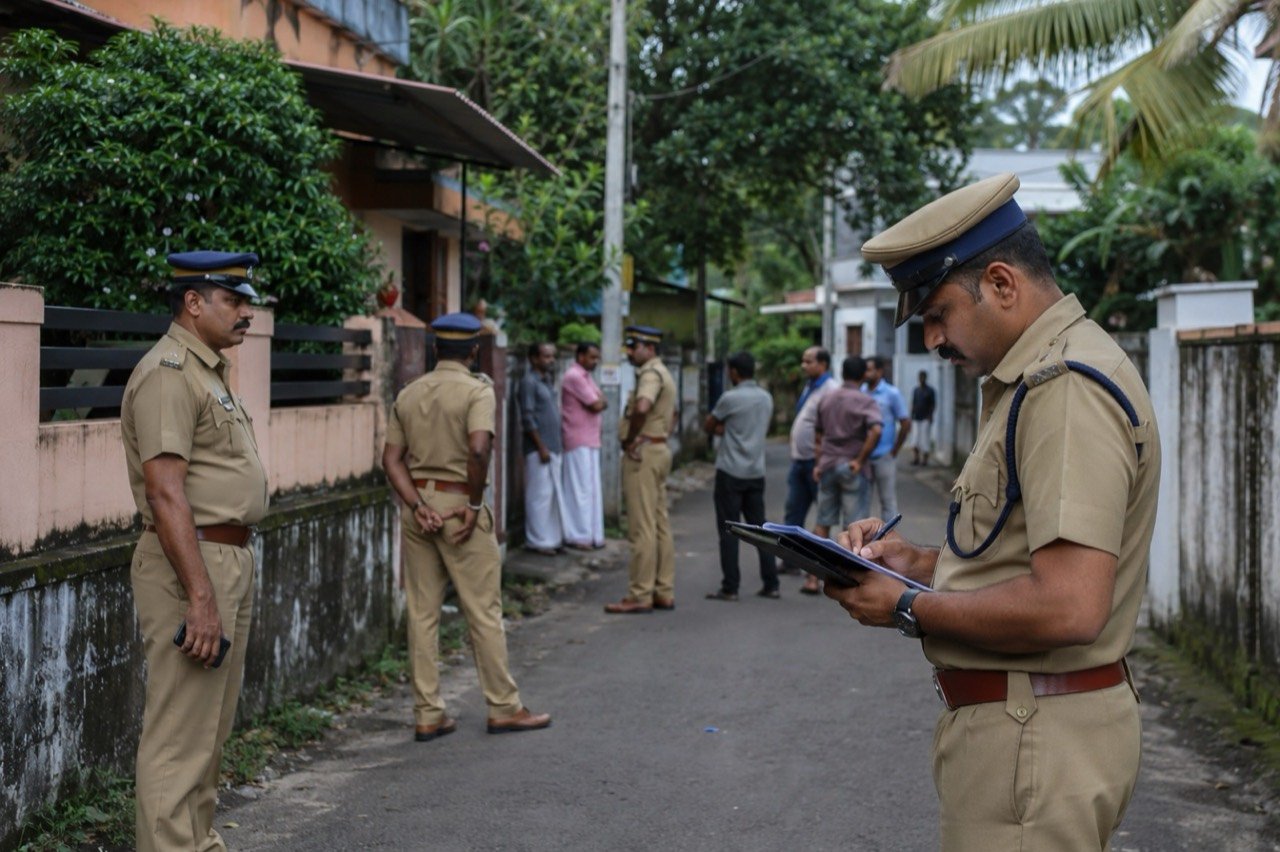
Thrissur Fatal Assault Exposes Alleged Brothel Probe in Kerala
The death of a 27-year-old Odisha migrant in Thrissur after a payment dispute has uncovered an alleged prostitution centre run from a rented house, raising hard questions about migrant safety and local policing.
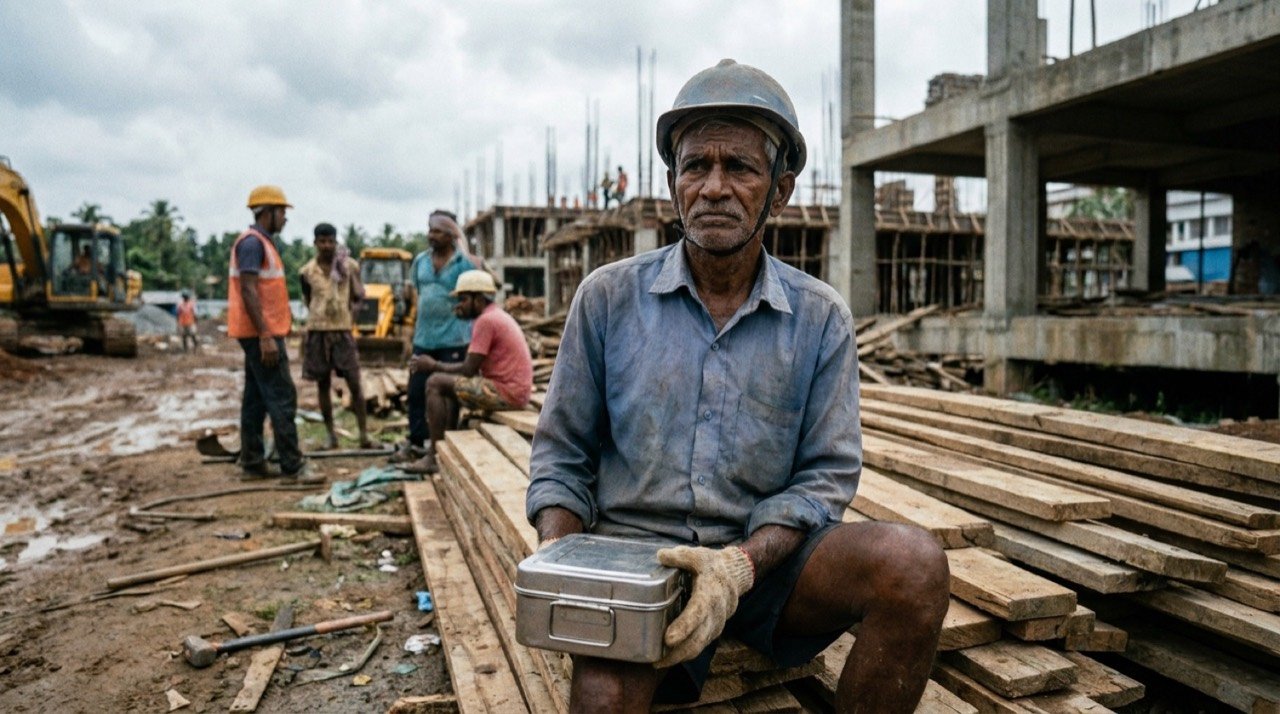
Kerala's Construction Workers Await Pension Arrears as Welfare Fund Strains
Thousands of Kerala's construction worker pensioners are waiting on overdue payments as the state's welfare board grapples with a widening gap between cess collections and benefit payouts.
More from this section
More
AICTE Industry Fellowship 2026: Rs 1.5 Lakh Scheme Closes July 5
The AICTE Industry Fellowship Programme 2026, which places technical-education faculty inside leading companies on a Rs 1.5 lakh monthly stipend, reached its application deadline on July 5.
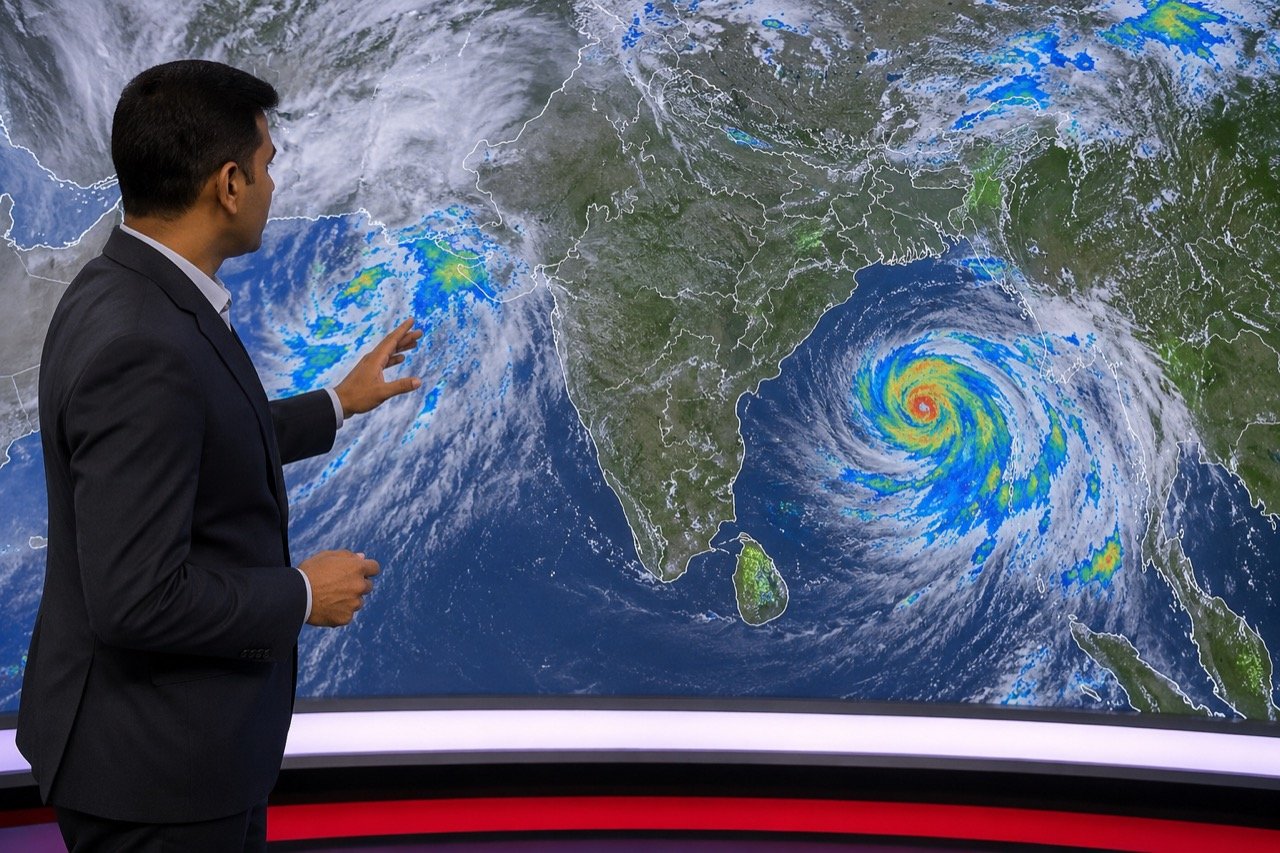
Bay of Bengal Low Pressure System Revives Monsoon Over Western India
A low-pressure system over the Bay of Bengal has pushed the monsoon back into an active phase, bringing steady heavy rain to Kerala, coastal Karnataka and Maharashtra, and putting Mumbai and Pune on preparedness watch.
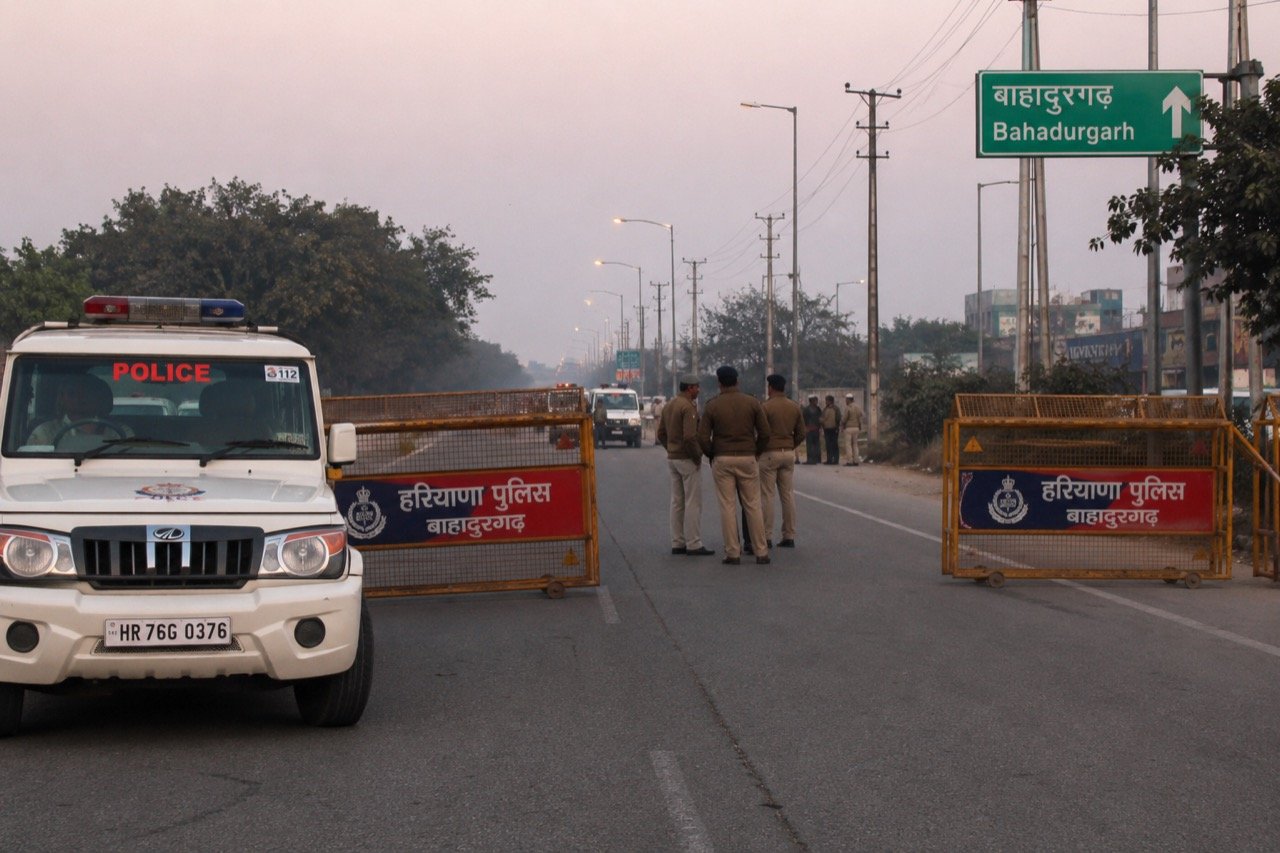
Bishnoi Gang Suspects Injured in Haryana Encounter as Police Tighten Net
A joint Haryana-Delhi Police operation in Bahadurgarh left two suspected Lawrence Bishnoi gang members injured, spotlighting the multi-state coordination now central to India's fight against organised crime networks.