Kerala's Construction Workers Await Pension Arrears as Welfare Fund Strains
Thousands of Kerala's construction worker pensioners are waiting on overdue payments as the state's welfare board grapples with a widening gap between cess collections and benefit payouts.
Commentary & Analysis ·
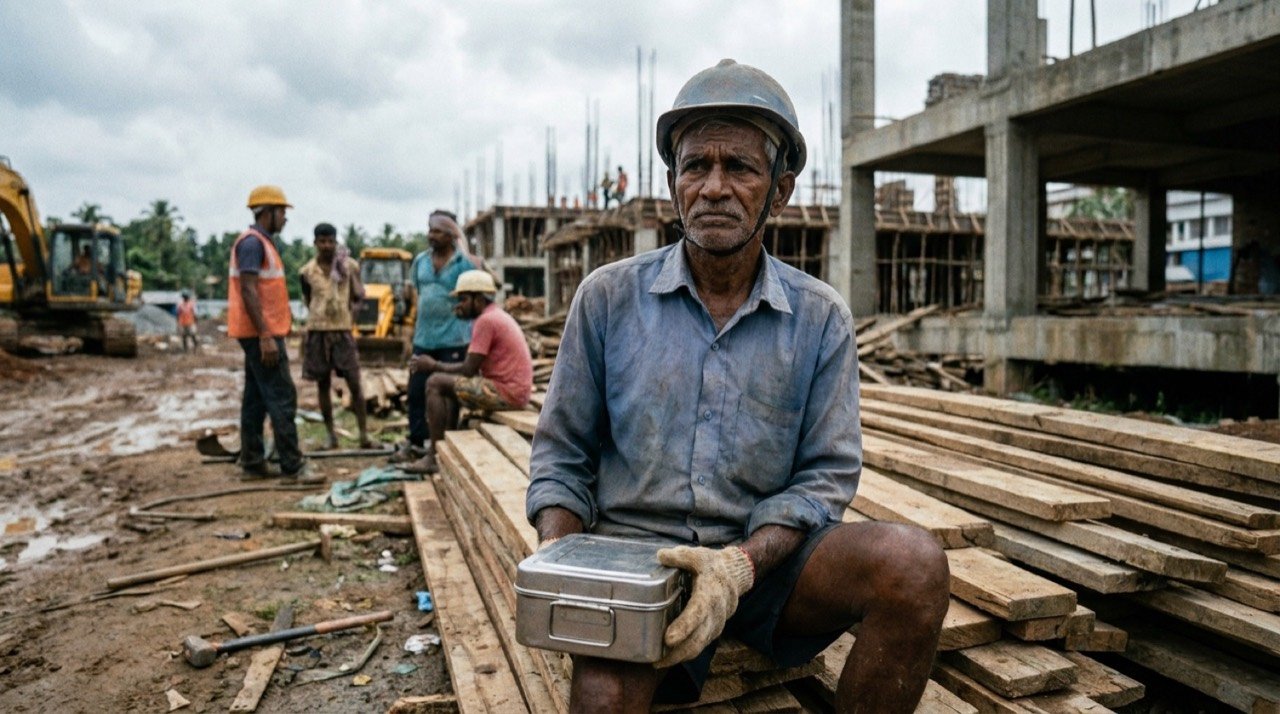
Kerala's safety net for construction workers, long held up as a model for protecting informal labour, is showing signs of strain. Reports indicate that thousands of pensioners are awaiting arrears as the state's construction workers' welfare board confronts a widening gap between what it collects and what it must pay out. For older workers who spent their lives in one of the most physically punishing and informal sectors, the delays are more than an administrative footnote.
A widening gap between income and payouts
At the centre of the problem is a mismatch between revenue and liabilities. The welfare board draws much of its funding from building cess collections, but reports point to a growing distance between those inflows and the mounting pension obligations owed to a large registered workforce.
When collections cannot keep pace with payouts, arrears accumulate, and pensioners are left waiting for money they have been promised. The challenge of sustaining benefits across such a broad base of registered workers is precisely what makes the current squeeze so difficult to resolve quickly.
Who bears the cost
The human weight of the shortfall falls on older workers who depend on welfare pensions after years in an informal sector with little job security and few private savings. Construction labour is demanding and often hazardous, and the pension is frequently the only steady income these workers have once they can no longer work on site.
For their families, and for the labour unions that represent them, the pressing question is stark: can the state clear the existing arrears without weakening future payments? A one-time clearance that destabilises the fund would simply move the problem down the road.
A wider policy lesson
The Kerala case highlights a challenge that extends well beyond a single state. Welfare boards across India are expected to shield informal workers who fall outside conventional employment protections, but they can only remain credible if three things hold together: steady collections, transparent accounts and timely benefit delivery.
- Thousands of pensioners are awaiting overdue arrears.
- The welfare board faces a gap between collections and payouts.
- Building cess is a key source of board funding.
- Older informal-sector workers depend heavily on the pension.
- Steady collections and transparency are vital to credibility.
“Welfare boards are expected to protect informal workers, but they need steady collections, transparent accounts and timely benefit delivery to remain credible.”
— Labour policy observers
The path forward likely lies in shoring up collections, tightening financial transparency and ensuring benefits reach pensioners on time, rather than in stop-gap measures that erode the fund's long-term health. For Kerala's ageing construction workforce, the credibility of the entire welfare promise now rests on how the state manages this strain.
The NE Times View
Kerala built its reputation on welfare boards, so unpaid pensions to construction workers strike at the model's credibility. The arithmetic is unforgiving: cess collections are not keeping pace with an ageing beneficiary base, and political promises have outrun the fund's finances. Other states eyeing similar schemes should note that worker welfare needs sustainable funding, not just generous intentions.
This article is original commentary and analysis by The NE Times. Background facts were referenced from The Times of India and the Kerala Building and Other Construction Workers Welfare Board.
You may also like to read
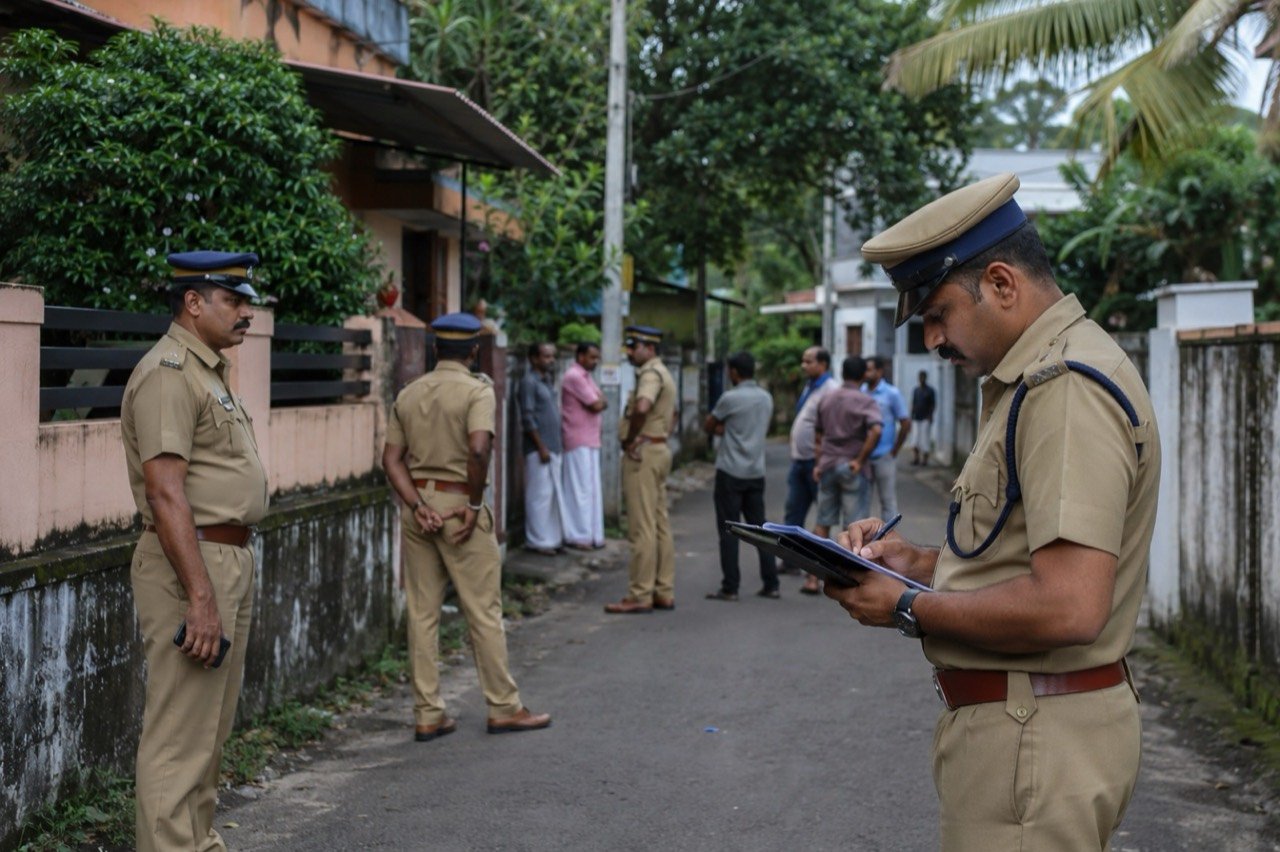
Thrissur Fatal Assault Exposes Alleged Brothel Probe in Kerala
The death of a 27-year-old Odisha migrant in Thrissur after a payment dispute has uncovered an alleged prostitution centre run from a rented house, raising hard questions about migrant safety and local policing.
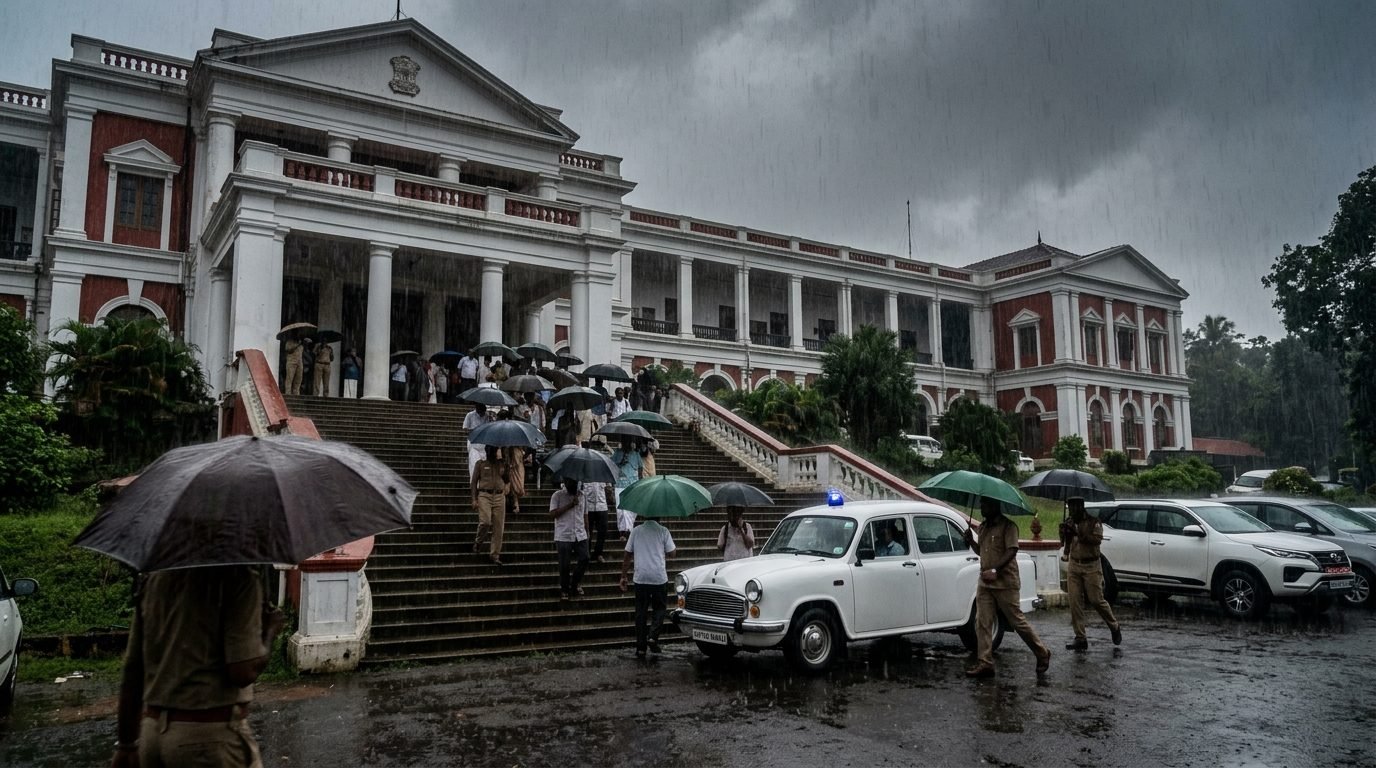
Kerala's New UDF Government Faces Its First Monsoon Test Under Satheesan
Weeks after ending two terms of LDF rule, Chief Minister V. D. Satheesan's United Democratic Front administration is steering the state through an active southwest monsoon while settling into power.
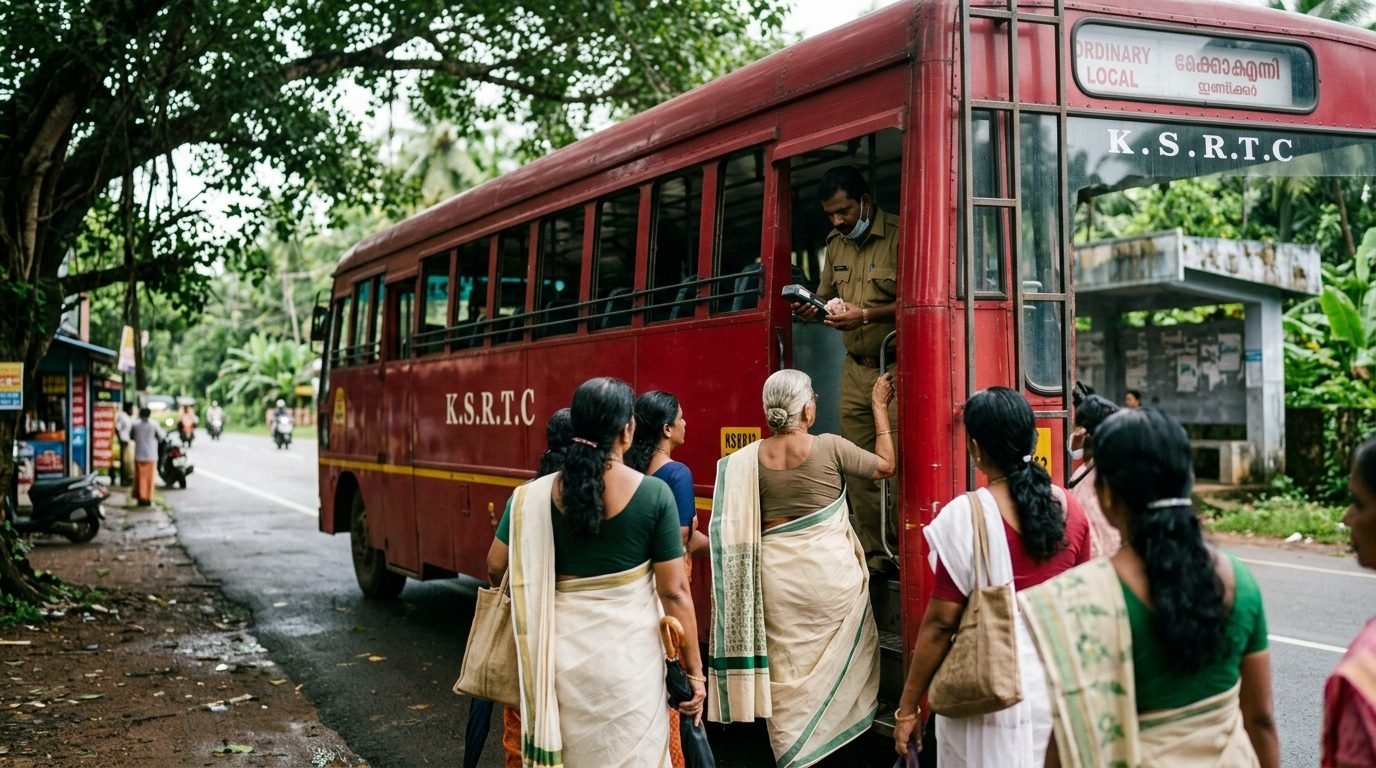
Kerala rolls out 'Priyadarshini' free bus travel for women on ordinary KSRTC services
The state government launches free rides for all women and transgender passengers across more than 3,000 ordinary KSRTC buses, with no registration or paperwork required and an estimated monthly cost of around 75 crore rupees.

Western Ghats Eco-Sensitive Area Plan Advances With Three-State Push
The Centre is preparing to notify Ecologically Sensitive Areas in at least three Western Ghats states, shifting from an all-six approach as it weighs biodiversity protection against local livelihoods and land-use concerns.
More from this section
More
AICTE Industry Fellowship 2026: Rs 1.5 Lakh Scheme Closes July 5
The AICTE Industry Fellowship Programme 2026, which places technical-education faculty inside leading companies on a Rs 1.5 lakh monthly stipend, reached its application deadline on July 5.

Bay of Bengal Low Pressure System Revives Monsoon Over Western India
A low-pressure system over the Bay of Bengal has pushed the monsoon back into an active phase, bringing steady heavy rain to Kerala, coastal Karnataka and Maharashtra, and putting Mumbai and Pune on preparedness watch.
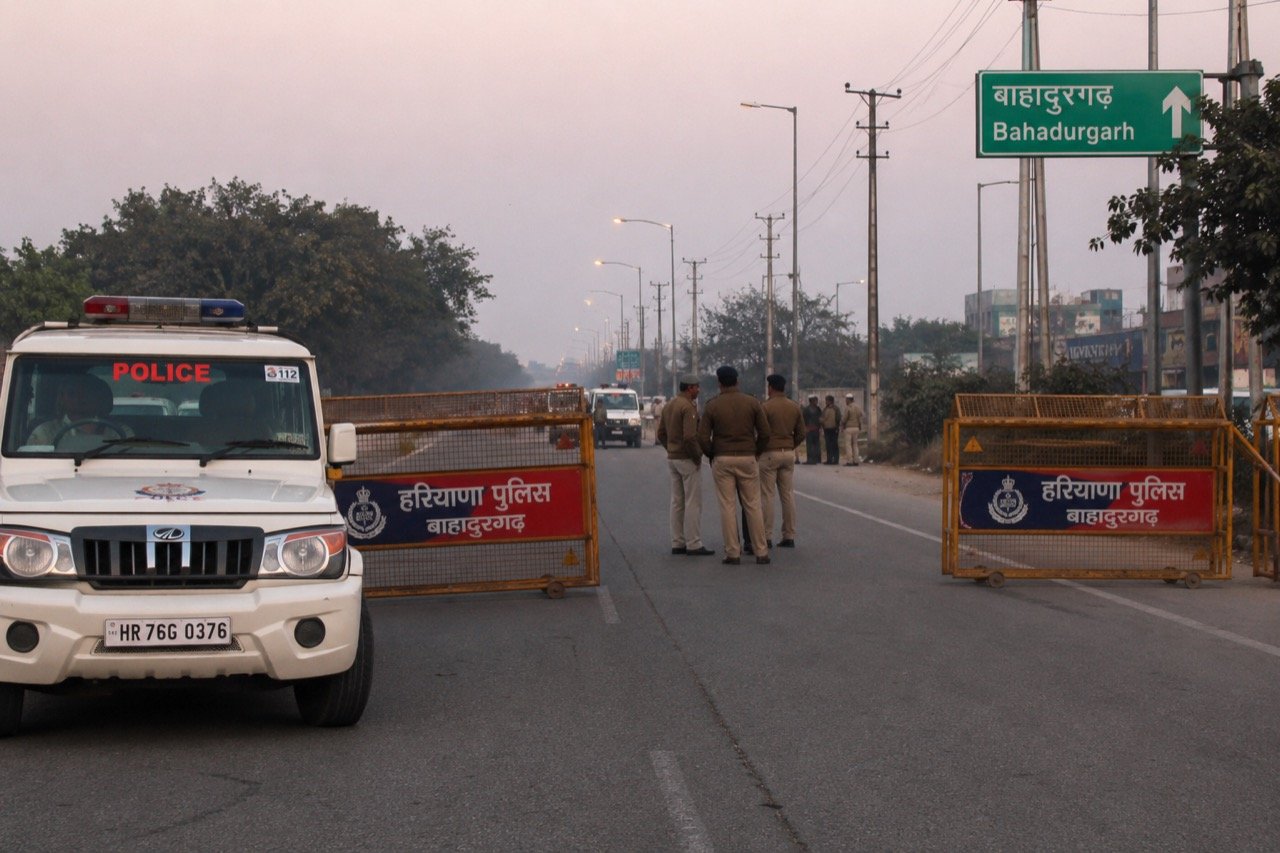
Bishnoi Gang Suspects Injured in Haryana Encounter as Police Tighten Net
A joint Haryana-Delhi Police operation in Bahadurgarh left two suspected Lawrence Bishnoi gang members injured, spotlighting the multi-state coordination now central to India's fight against organised crime networks.