Chinese Herbicide Imports Face Tighter Scrutiny in India
India has stepped up checks on herbicide imports from China, signalling a more assertive trade-compliance posture that could reshape supply, pricing and competition across the country's agrochemical market.
The NE Times Business Desk
Commentary & Analysis ·
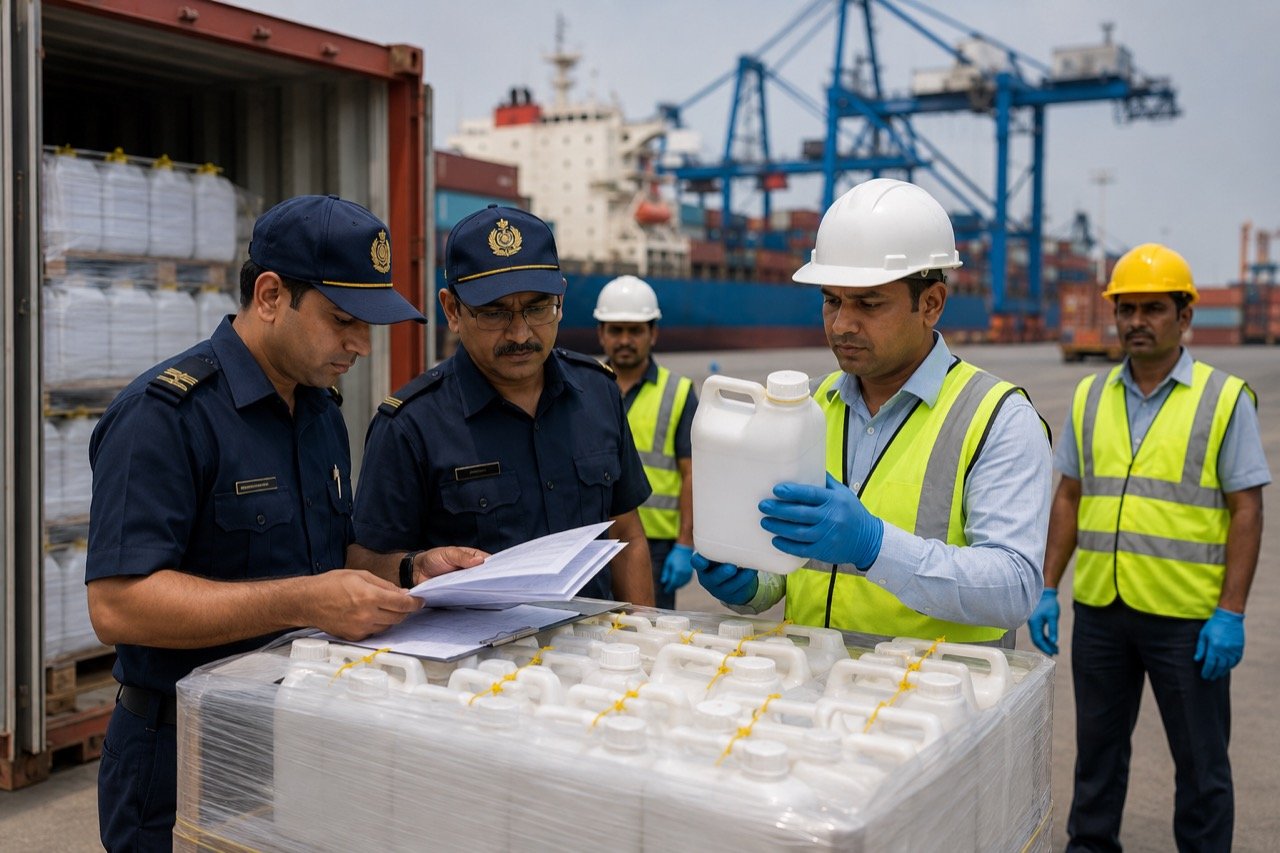
India has tightened scrutiny of herbicide imports from China, according to a report in The Economic Times, adding another product category to the growing list of goods facing closer compliance checks at the border. The move puts a spotlight on how actively New Delhi is now using trade tools to police imports.
Why herbicides matter
Herbicides are a commercially sensitive input: farmers, distributors and agrochemical companies all depend on predictable availability and consistent quality. Closer import scrutiny in this category can stem from concerns over pricing and dumping, product safety, documentation gaps or compliance with Indian regulatory standards.
For farmers, the central question is whether tighter checks affect the supply and affordability of crop-protection products. Domestic manufacturers, meanwhile, have long sought a level playing field against low-priced imports, and regulators must ensure that whatever enters the market meets Indian norms.
Part of a wider trade posture
The step sits within India's broader trade stance toward China. Even as overall bilateral trade remains substantial, specific product categories periodically face tighter checks when policy, industry or security concerns arise. The immediate impact will hinge on implementation: targeted, transparent scrutiny can lift compliance standards, while broad delays could squeeze downstream users.
The NE Times View
This is less about one chemical and more about the direction of travel in India's trade policy. New Delhi is increasingly willing to use compliance scrutiny as a calibrated lever, especially where Chinese imports dominate a supply chain. The test will be execution: if checks are predictable and rules-based, they can strengthen domestic industry without hurting farmers; if they turn into blanket bottlenecks, input costs in agriculture will rise at exactly the wrong time. Indian agrochemical firms should read this as both an opportunity and a warning to raise their own standards.
This article is original commentary and analysis by The NE Times. Background facts were referenced from The Economic Times.
You may also like to read
PUCC 3.0: Why Newer BS-VI Cars May Get Easier Pollution Checks While Older Vehicles Face Tighter Rules
India's proposed PUCC 3.0 framework could extend pollution certificate validity to three years for newer BS-VI cars while subjecting older and dirtier vehicles to far more frequent emission checks.

Gameskraft PMLA Arrests Face Scrutiny After Karnataka HC Order
A Karnataka High Court order over arrests in the Gameskraft money-laundering case has reignited debate on enforcement standards in India's online gaming sector.
India Seeks Preferential Market Access in US Trade Talks, Says Goyal
Commerce Minister Piyush Goyal says India wants a US trade deal that hands its exporters a competitive edge, with market access, tariff lines and rules of origin now at the heart of negotiations.

US Trade Chief Greer's India Visit Puts First Tranche of Trade Deal in Focus
USTR Jamieson Greer's New Delhi talks with Piyush Goyal have pushed the long-stalled India-US trade agreement into a decisive phase, with tariffs, market access and an early package on the table.
More from this section
More
Adani Case: US DOJ Pushes for Permanent Dismissal of Charges
The US Department of Justice has urged a judge to permanently dismiss charges against Gautam Adani, calling the case legally flawed — a reversal with consequences for markets, diplomacy and cross-border enforcement.

Akasa Air Inducts 40th Aircraft in Indian Aviation Scale-Up
Akasa Air's 40th aircraft, ferried to Bengaluru via Seattle, Reykjavik and Cairo, marks a fleet milestone for the young carrier and a fresh signal that India's aviation market remains firmly in expansion mode.
BARC Ratings Suspension Leaves Indian TV Industry Flying Blind
BARC's pause on television ratings has put India's broadcast measurement system under fresh scrutiny, leaving broadcasters, advertisers and media planners without the weekly audience data that anchors the TV economy.