Gameskraft PMLA Arrests Face Scrutiny After Karnataka HC Order
A Karnataka High Court order over arrests in the Gameskraft money-laundering case has reignited debate on enforcement standards in India's online gaming sector.
Commentary & Analysis ·

The Karnataka High Court's handling of arrests in the Gameskraft money-laundering case has brought renewed attention to the standards enforcement agencies must meet when they detain individuals under India's anti-money-laundering law. At the heart of the dispute lie questions about whether the material justifying the arrests was fresh, whether statutory safeguards were observed, and how far courts should go in reviewing custody in complex financial-crime probes.
The legal questions in play
Cases under the Prevention of Money Laundering Act (PMLA) give the Enforcement Directorate wide powers, but those powers are bounded by procedural protections meant to guard personal liberty. The court's scrutiny reportedly turned on whether the grounds relied upon were current and legally sufficient, and whether the prescribed steps were followed before custody was sought.
How a constitutional court answers such questions matters well beyond the parties involved, because it sets the benchmark agencies must clear when they move against company executives.
A sector under pressure
The significance extends past any single company. India's online gaming industry has faced sustained scrutiny over taxation, the legality of real-money formats, and exposure to money-laundering risk. Enforcement agencies argue that digital platforms can move funds at speed and scale, making them attractive conduits for illicit flows and demanding robust oversight.
Operators counter that they run regulated businesses with audited accounts, and that lawful gaming should not be treated as inherently suspect. The Gameskraft proceedings have become a focal point for that wider contest over how the sector is policed.
Liberty versus enforcement
When personal liberty is restricted, courts require agencies to demonstrate legal grounds, relevant material and proper procedure. That principle frames the current dispute, in which the defence is expected to test the basis for detention while investigators defend the integrity of their case.
The balance the court strikes will influence how future PMLA matters involving digital businesses are constructed, and how companies marshal compliance records, transaction trails and legal challenges in response.
- Karnataka HC order draws fresh attention to PMLA arrest standards in the Gameskraft case.
- Central questions: freshness of arrest material and adherence to legal safeguards.
- India's online gaming sector faces tax, legality and money-laundering scrutiny.
- Agencies cite the speed and scale at which digital platforms can move funds.
- Outcome may shape how PMLA cases against digital firms are built and defended.
“When liberty is at stake, the agency must show legal grounds, relevant material and due procedure.”
— Criminal-law practitioner
As the proceedings continue, the case is likely to be cited as a reference point in the larger conversation about regulating digital businesses without eroding due process. The eventual ruling could clarify the line between aggressive enforcement and the safeguards that protect individuals from premature detention.
The NE Times View
A High Court order questioning arrests under the money-laundering law revives an essential debate about enforcement standards in a fast-growing online gaming sector. The NE Times View: regulatory clarity is overdue, and using PMLA where tax or sectoral rules might suffice risks chilling a legitimate industry. The courts are right to insist on proportionality. Investors and regulators alike need predictable rules, not enforcement that arrives before the framework does.
This article is original commentary and analysis by The NE Times. Background facts were referenced from the Hindustan Times and the Economic Times.
You may also like to read

Chinese Herbicide Imports Face Tighter Scrutiny in India
India has stepped up checks on herbicide imports from China, signalling a more assertive trade-compliance posture that could reshape supply, pricing and competition across the country's agrochemical market.
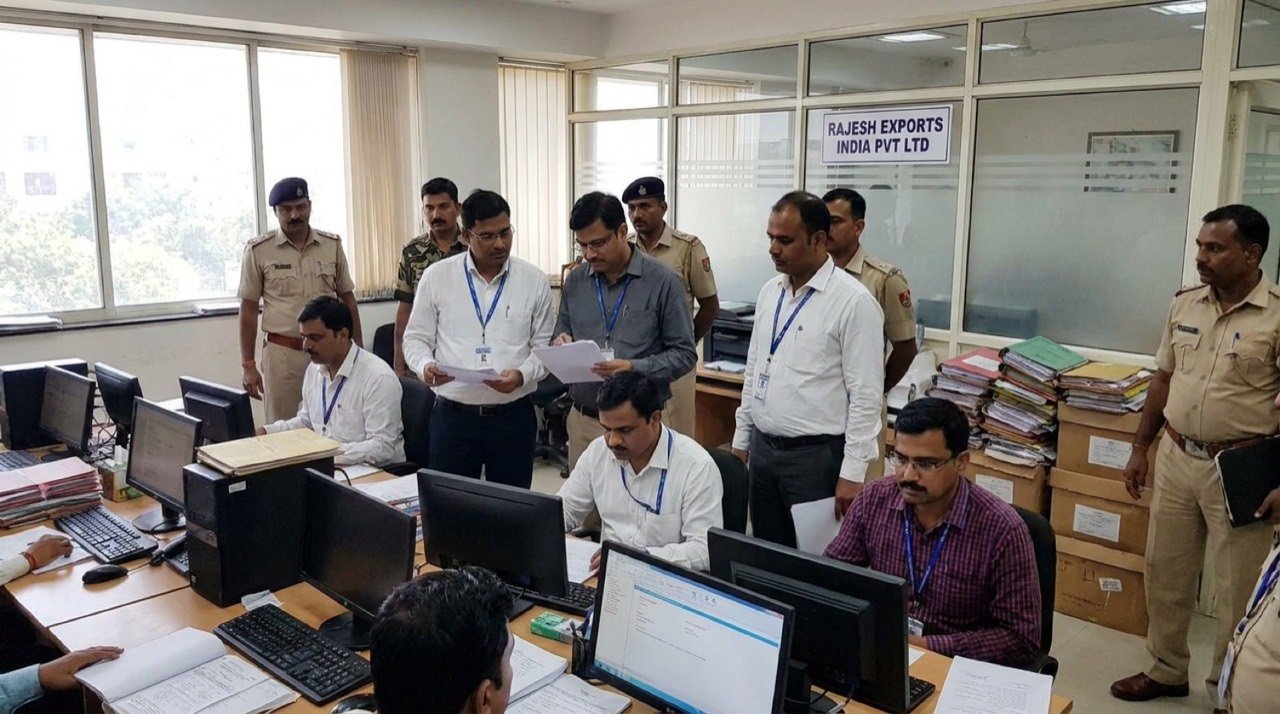
ED Searches Rajesh Exports In Bengaluru And Mumbai Over Alleged FEMA Violations
Enforcement Directorate searches at locations linked to gold refiner Rajesh Exports follow SEBI scrutiny of disclosures, putting corporate governance and FEMA compliance back in the investor spotlight.
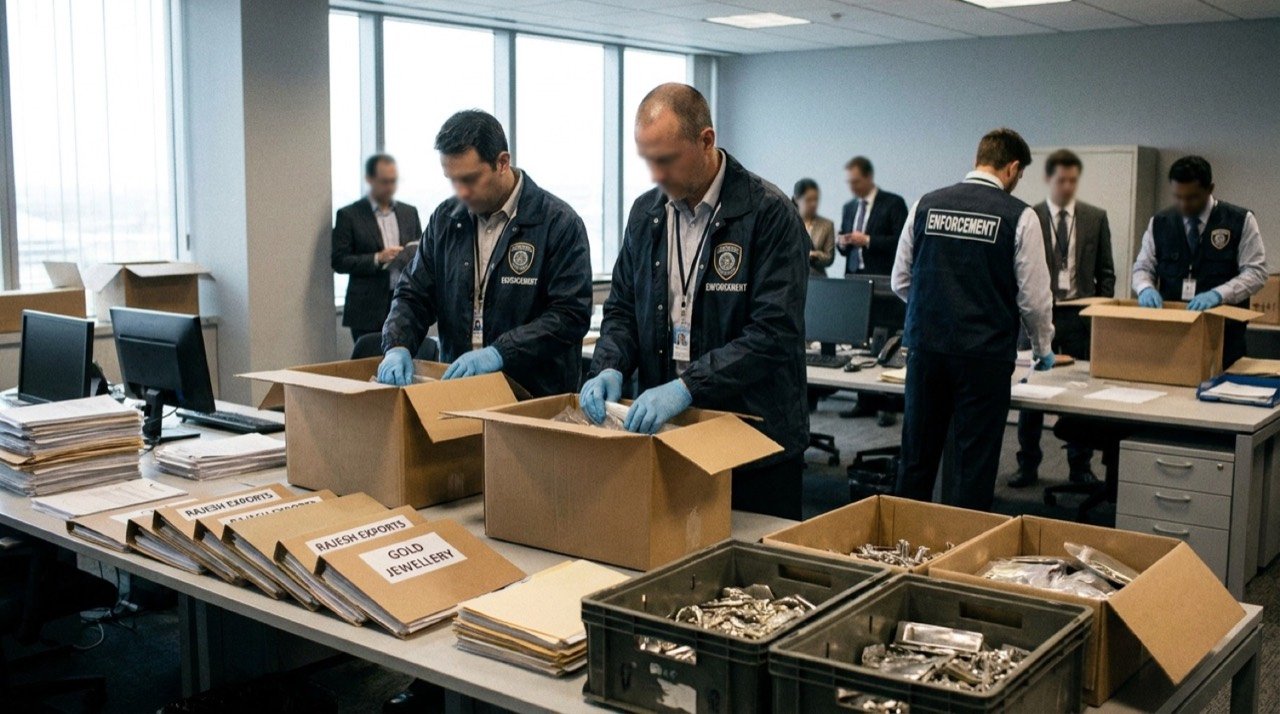
ED Searches Rajesh Exports Premises in FEMA Probe Across Bengaluru and Mumbai
The Enforcement Directorate has searched Rajesh Exports-linked premises in Bengaluru and Mumbai in a FEMA probe into alleged foreign exchange violations at the major gold and jewellery exporter.

India Wins FATF Vice Presidency for the First Time, Lifting Its Global Financial Standing
India's first-ever election to the vice presidency of the Financial Action Task Force hands New Delhi a stronger voice in shaping global rules on money laundering, terror financing and virtual-asset risk.
More from this section
More
Adani Case: US DOJ Pushes for Permanent Dismissal of Charges
The US Department of Justice has urged a judge to permanently dismiss charges against Gautam Adani, calling the case legally flawed — a reversal with consequences for markets, diplomacy and cross-border enforcement.

Akasa Air Inducts 40th Aircraft in Indian Aviation Scale-Up
Akasa Air's 40th aircraft, ferried to Bengaluru via Seattle, Reykjavik and Cairo, marks a fleet milestone for the young carrier and a fresh signal that India's aviation market remains firmly in expansion mode.
BARC Ratings Suspension Leaves Indian TV Industry Flying Blind
BARC's pause on television ratings has put India's broadcast measurement system under fresh scrutiny, leaving broadcasters, advertisers and media planners without the weekly audience data that anchors the TV economy.