India-Israel Investment Pact Takes Effect, Opening New Capital Doors
The bilateral investment agreement between India and Israel has come into force, giving investors in both countries clearer protections and a formal framework for deeper commercial cooperation.
The NE Times Business Desk
Commentary & Analysis ·

The India-Israel bilateral investment agreement has come into force, effective from Friday, adding a significant business-diplomacy milestone to the economic calendar and setting a formal framework for capital flows between the two countries, the Economic Times reported.
Agreements of this kind are designed to give investors confidence: clearer protections for their capital, safeguards against arbitrary treatment and defined dispute-resolution mechanisms. For companies weighing cross-border commitments, that predictability often matters as much as the commercial opportunity itself.
Where the opportunities lie
The India-Israel economic relationship already spans defence technology, agriculture, water systems, cybersecurity, innovation and startups. The new agreement gives businesses in these sectors a firmer legal foundation on which to build joint ventures, technology partnerships and long-term investments.
The pact will not by itself trigger a flood of new capital. Its practical value depends on how actively companies use it, how faithfully both governments implement it and whether sector-specific opportunities are developed with intent rather than left as diplomatic talking points.
A structural step, not a single deal
The right way to judge the agreement is over time: through announced investments, new partnerships and, eventually, how disputes are handled under its provisions. It is scaffolding for a deeper commercial relationship, not the building itself.
The NE Times View
This agreement lands at a moment when India is actively courting trusted-partner investment and Israel is looking to diversify its economic relationships. The framework is welcome, but frameworks reward follow-through. Indian states and industry bodies should move quickly to convert treaty protections into concrete pipelines in agri-tech, water management and cybersecurity, where Israeli expertise meets Indian scale. If both sides treat Friday's milestone as a starting gun rather than a finish line, the payoff for Indian businesses and consumers could be substantial.
This article is original commentary and analysis by The NE Times. Background facts were referenced from Economic Times News.
You may also like to read
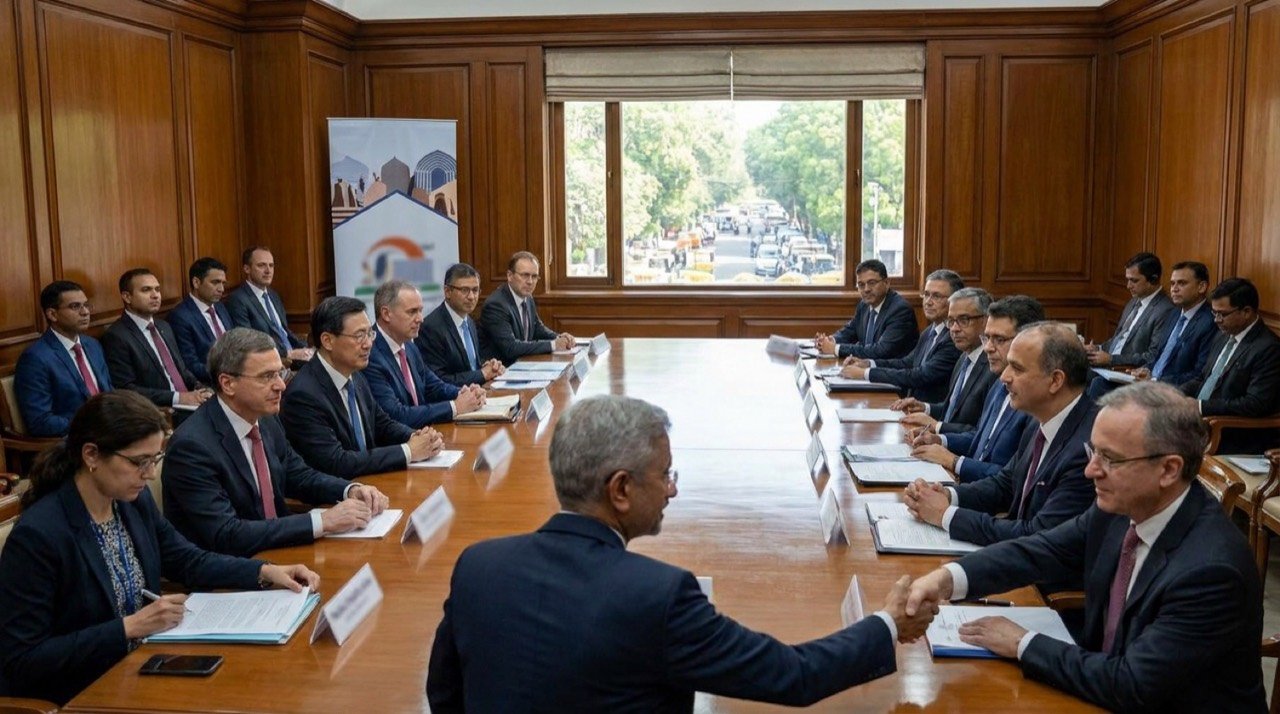
India-US Ministerial Trade Talks Open in New Delhi as Both Sides Chase a Tariff Deal
Commerce Minister Piyush Goyal and US Trade Representative Jamieson Greer have begun ministerial-level talks in New Delhi, aiming to narrow gaps on tariffs, agriculture and digital trade before a possible bilateral package.
India and US Resume High-Level Trade Talks in Delhi to Finalise First Phase of Pact
Commerce Minister Piyush Goyal says his US counterpart is in Delhi for ministerial talks, with reports naming USTR Jamieson Greer for two days of negotiations on tariffs and market access.
India-US Trade Talks Enter Final Lap as Limited Deal Takes Shape
Negotiators in New Delhi and Washington push toward a limited trade pact that could ease tariffs and widen market access for India's textiles, gems, engineering goods and farm exports.

Foreign Currency Inflows Could Cushion Domestic Liquidity, Says RBI MPC Member
An RBI Monetary Policy Committee member says foreign currency inflows may support domestic liquidity, a signal that matters for banks, bond markets and India's borrowers.
More from this section
More
Assam Estate Sells India's First Home-Grown Matcha Batch
An Assam tea estate has sold the first batch of India-made matcha, a small-volume but symbolically significant step as the country's tea industry hunts for premium products and new consumers.

Board of Trade Meets as Exporters Press on FTAs and GST Refunds
Commerce Minister Piyush Goyal chaired a Board of Trade meeting where exporters pushed for faster GST refunds, lower logistics costs and workable free trade agreements amid global demand uncertainty.
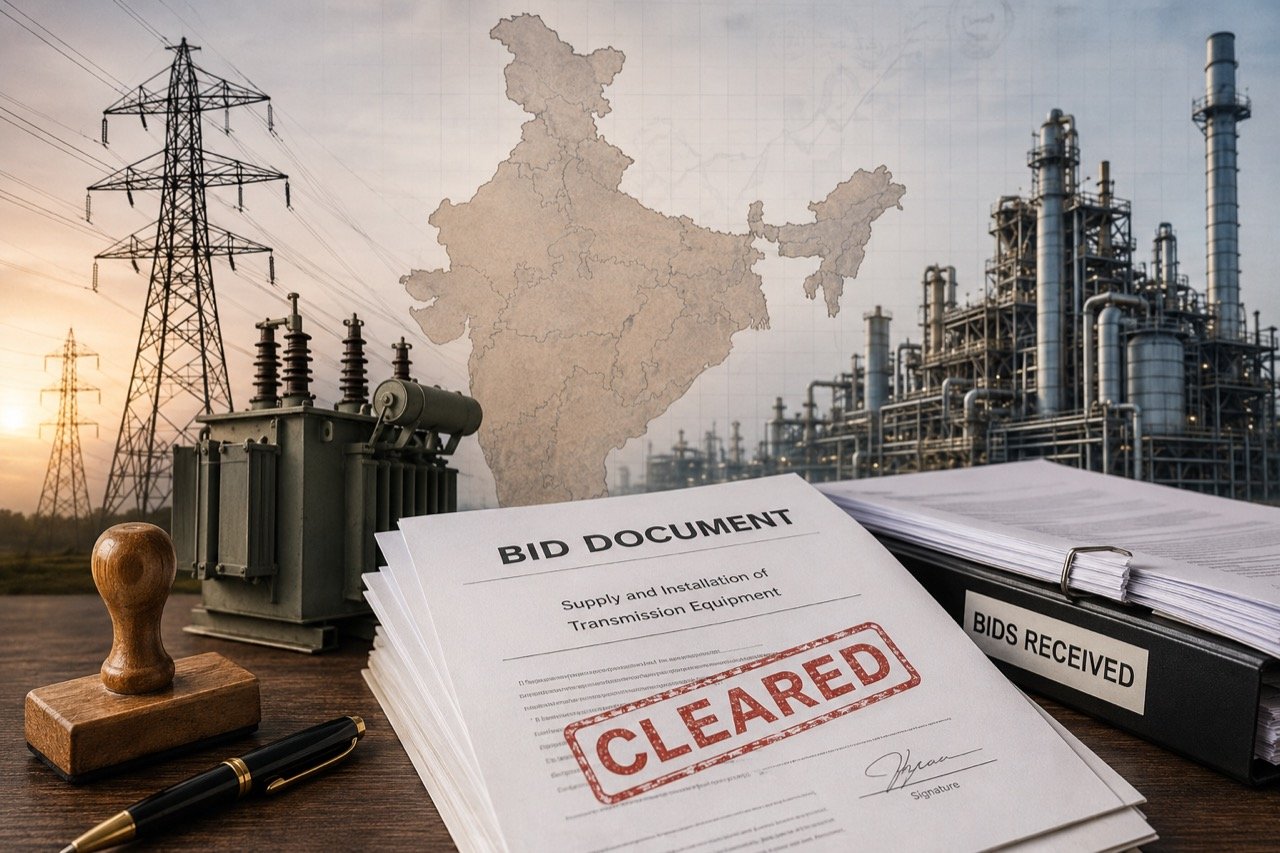
Four Chinese Firms With Indian Plants Cleared To Bid For Power Work
Four Chinese companies operating factories in India have reportedly been cleared to bid for power projects, a calibrated move that balances security screening against the country's manufacturing and infrastructure needs.