India Inc strikes record $34.8 billion in deals through the June quarter
Six billion-dollar-plus transactions powered the busiest quarter on record for mergers and acquisitions, even as smaller mid-market deals dominated the count.
Commentary & Analysis ·

Corporate India has logged its highest-ever quarterly deal value, with mergers and acquisitions worth around $34.8 billion announced across some 273 transactions during the April-to-June stretch of 2026. The surge, driven by a handful of outsized transactions, underscores a renewed appetite for consolidation and strategic expansion even as the broader pace of dealmaking tilts toward smaller, mid-market bets.
The headline figure marks a notable acceleration from earlier in the year and reflects a confluence of forces: cash-rich conglomerates hunting for scale, foreign strategic investors seeking onshore platforms, and private capital chasing structural growth stories across infrastructure, financial services and the new economy. The result is a quarter that, by value, stands apart from anything India Inc has recorded before.
Big-ticket deals do the heavy lifting
The bulk of the value came from six transactions each exceeding $1 billion. The concentration illustrates a familiar pattern in Indian dealmaking, where a small number of mega-deals can swing aggregate figures dramatically in any given quarter. Among the standout transactions cited by advisers was a large foreign infusion into the banking sector, alongside marquee plays in cement, infrastructure and energy that reshaped competitive positions in their respective industries.
These billion-dollar moves point to a strategic logic that favours acquiring established capacity and market share over building it slowly. For buyers, the calculation is increasingly about securing strategic assets, foundational platforms and pricing power in markets where organic growth alone is slow and expensive to engineer.
Mid-market deals dominate the count
Yet beneath the headline value, the texture of activity tells a different story. Mid-market transactions now dominate the deal count, with most agreements falling below the $100 million threshold. This bifurcation, a few giant deals atop a long tail of smaller ones, has lifted the overall number of transactions while pulling down the average ticket size. The drivers behind the mid-market surge include:
- Founders and family businesses seeking succession solutions or growth partners
- Strategic buyers acquiring niche capabilities, technology and talent through bolt-on deals
- Private equity and venture investors recycling capital into add-on acquisitions
- Outbound expansion as Indian companies pursue targets abroad
What is fuelling the momentum
Several structural tailwinds are converging. India's economic resilience, deep equity markets and a maturing private-capital ecosystem have created fertile ground for consolidation. At the same time, global investors increasingly view India as a destination for strategic exposure, channelling capital into banking, infrastructure and digital platforms. Advisers note that the appetite for control transactions, rather than minority stakes, has grown, reflecting confidence in the durability of India's growth runway.
The flip side is that headline value can be volatile, hostage to the timing of a few large deals. Analysts argue that the steadier signal lies in the rising deal count, which speaks to a broadening and deepening of the market rather than a one-off spike. On that measure, the quarter suggests genuine vibrancy across the dealmaking landscape.
Outlook
Whether the record holds through the rest of the year will depend on the pipeline of large transactions and on the macro backdrop, including currency moves and global risk sentiment. But the underlying trend, of an active, diversified and increasingly cross-border M&A market, appears firmly entrenched. For India Inc, the June quarter sets a high bar, and a reminder that consolidation has become a central feature of the corporate story.
The NE Times View
A record dealmaking quarter signals corporate confidence and cheaper-than-expected capital, but headline figures flatter. Six mega-deals doing the heavy lifting while mid-market activity dominates by count tells a story of consolidation, not broad-based dynamism. Concentration can mean efficiency or it can mean fewer, larger players squeezing competition. Which it is depends on the sectors involved, and that is where regulators, not cheerleaders, should be looking.
This article is original commentary and analysis by The NE Times. Background facts were referenced from India Briefing and Business Standard.
You may also like to read
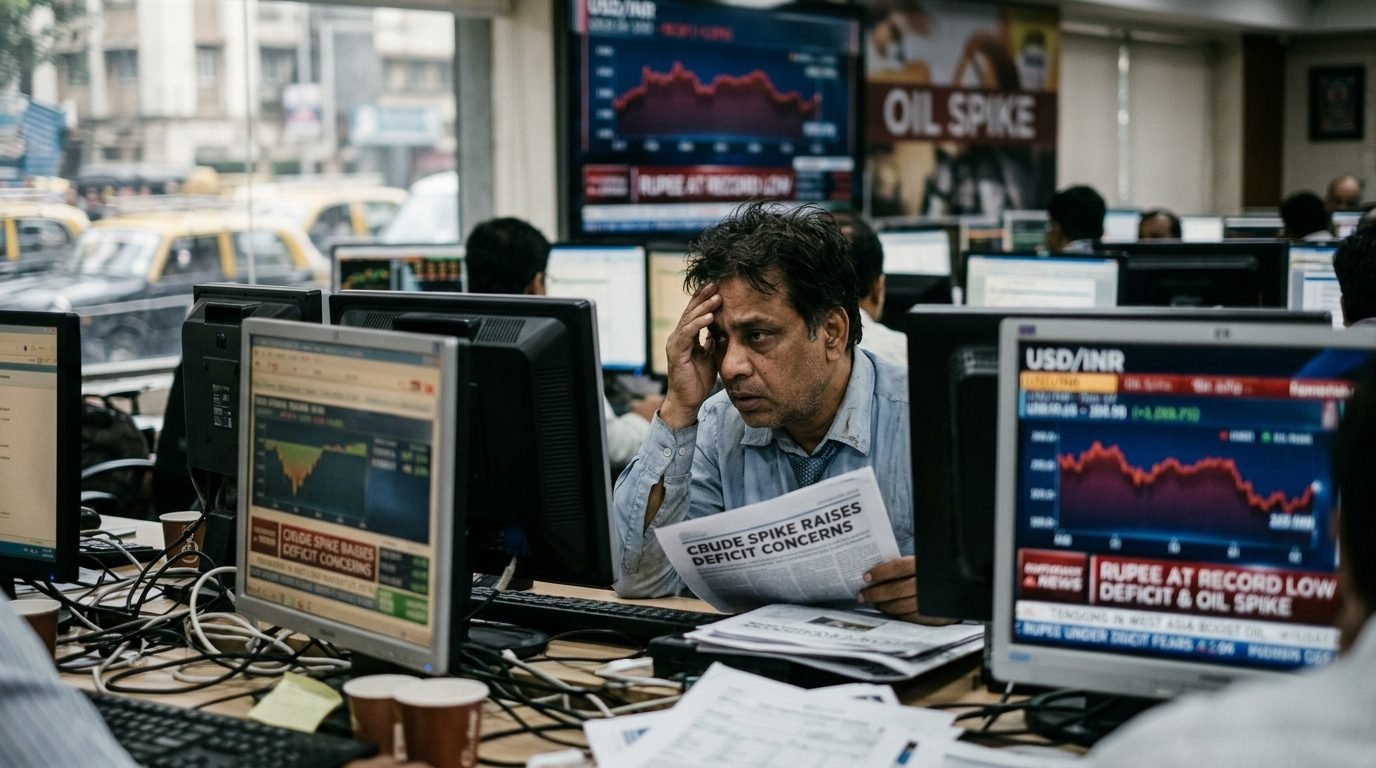
Crude spike from West Asia conflict pins rupee near record low, widens deficit fears
Surging oil prices have revived pressure on the currency and the current account, exposing India's enduring vulnerability to energy shocks.

India's Russian Crude Imports May Hit Record June Share
India's Russian crude imports could touch a record high in June, with Moscow supplying nearly half of total purchases until June 20, as discounts and shifting supply reshape the energy basket.

India's US LPG Imports Set to Cross Record 1 Million Tonnes in June Amid Middle East Disruption
India's cooking-gas imports from the United States are poised to top a record 1 million tonnes in June as refiners diversify away from Gulf supply disrupted by tension around the Strait of Hormuz.
India and US Resume High-Level Trade Talks in Delhi to Finalise First Phase of Pact
Commerce Minister Piyush Goyal says his US counterpart is in Delhi for ministerial talks, with reports naming USTR Jamieson Greer for two days of negotiations on tariffs and market access.
More from this section
More
Adani Case: US DOJ Pushes for Permanent Dismissal of Charges
The US Department of Justice has urged a judge to permanently dismiss charges against Gautam Adani, calling the case legally flawed — a reversal with consequences for markets, diplomacy and cross-border enforcement.

Akasa Air Inducts 40th Aircraft in Indian Aviation Scale-Up
Akasa Air's 40th aircraft, ferried to Bengaluru via Seattle, Reykjavik and Cairo, marks a fleet milestone for the young carrier and a fresh signal that India's aviation market remains firmly in expansion mode.
BARC Ratings Suspension Leaves Indian TV Industry Flying Blind
BARC's pause on television ratings has put India's broadcast measurement system under fresh scrutiny, leaving broadcasters, advertisers and media planners without the weekly audience data that anchors the TV economy.