FSSAI Says Expiry-Date Display on E-Commerce Food Listings Falls Under Legal Metrology Rules
India's food regulator has clarified that online food listings must carry expiry and shelf-life declarations under Legal Metrology rules, tightening transparency for quick-commerce and online grocery shoppers.
Commentary & Analysis ·
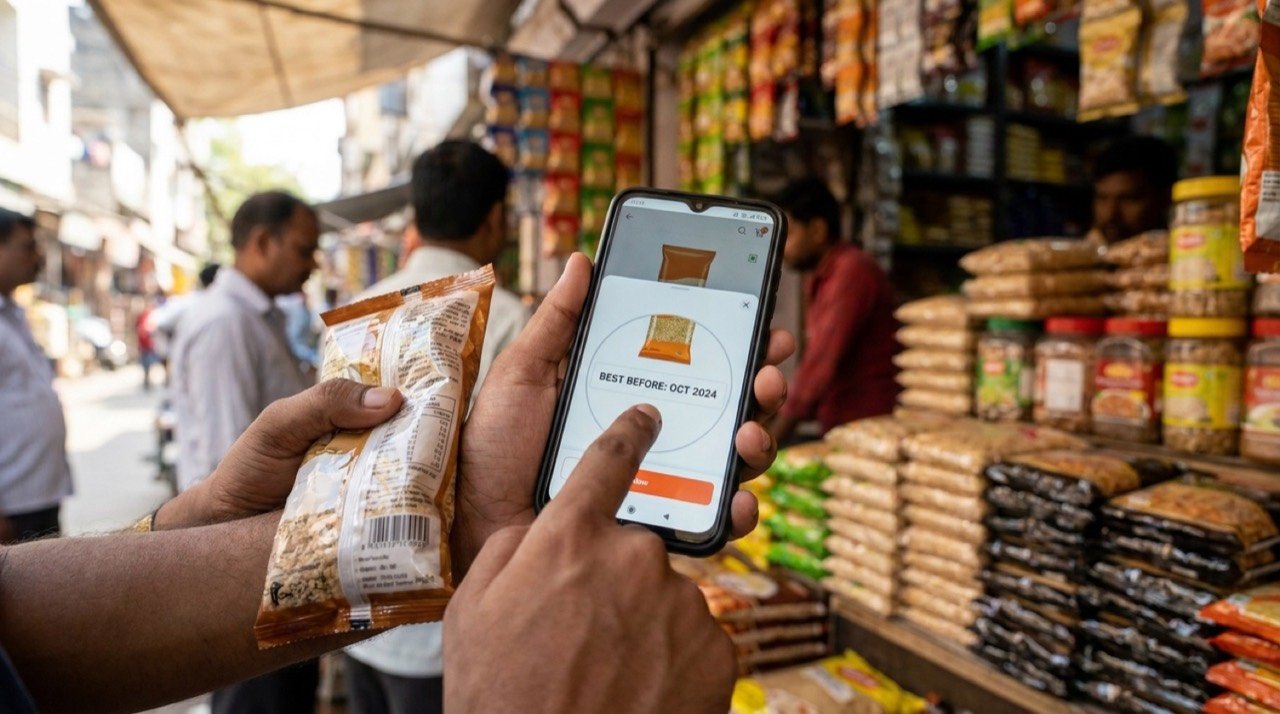
The Food Safety and Standards Authority of India (FSSAI) has clarified that declarations on e-commerce food listings, including the display of expiry dates, are governed by the Legal Metrology rules. The clarification comes amid mounting complaints about missing shelf-life information on online grocery and quick-commerce platforms, where Indians increasingly buy packaged food at the tap of a screen.
Why the clarification was needed
Unlike a physical store, an online platform does not let shoppers pick up a packet and read the label before buying. That gap makes accurate digital labelling essential to food safety and consumer trust. Complaints have grown that some listings either omit expiry information entirely or deliver products dangerously close to their use-by date.
By placing expiry-date display under the Legal Metrology framework, the regulator signals that these declarations are not optional marketing details but legally mandated disclosures, with the existing enforcement machinery behind them.
Pressure on quick-commerce platforms
The clarification follows earlier warnings to platforms about selling products with missing or near-expiry information. As ten-minute delivery apps and online grocers scale rapidly across Indian cities, regulators have grown wary of practices that could put consumers at risk or erode confidence in the channel.
For platforms, the message is to standardise how manufacturing dates, expiry dates and shelf-life are surfaced on product pages, rather than treating them as variable seller-supplied fields.
What it means for consumers
For the ordinary shopper, clearer rules should translate into more reliable information at the point of purchase and easier recourse when a product arrives expired or unlabelled. Consumer advocates have long argued that the convenience of online food shopping must be matched by the same safeguards that apply on a shop shelf.
- Expiry and shelf-life declarations on listings are governed by Legal Metrology rules.
- Online buyers cannot inspect packaging before purchase, making digital labels critical.
- Platforms had earlier been warned over missing or near-expiry product information.
- Standardised display of manufacturing and expiry dates is expected across listings.
- Consumers gain clearer grounds to seek redress for mislabelled food.
“Online shoppers cannot turn a packet over to read the label, so the digital declaration must carry the same weight as the printed one.”
— Consumer policy expert
As packaged food sales migrate online, the regulator's stance sets a clearer benchmark for transparency. The next test will be enforcement, whether platforms consistently surface accurate expiry information and whether penalties follow lapses. For now, the clarification strengthens the principle that food safety standards travel with the product, from shelf to screen to doorstep.
The NE Times View
Bringing online food listings under Legal Metrology rules closes a gap that quick-commerce had quietly exploited, where a swipe-to-buy interface too often hid what a physical label must show. The real test is enforcement: platforms move fast and listings change faster than inspectors can audit. The NE Times view is that the principle is sound, but without spot-checks and penalties that bite, transparency on paper will not become transparency in the cart.
This article is original commentary and analysis by The NE Times. Background facts were referenced from Business Standard and FSSAI.
You may also like to read
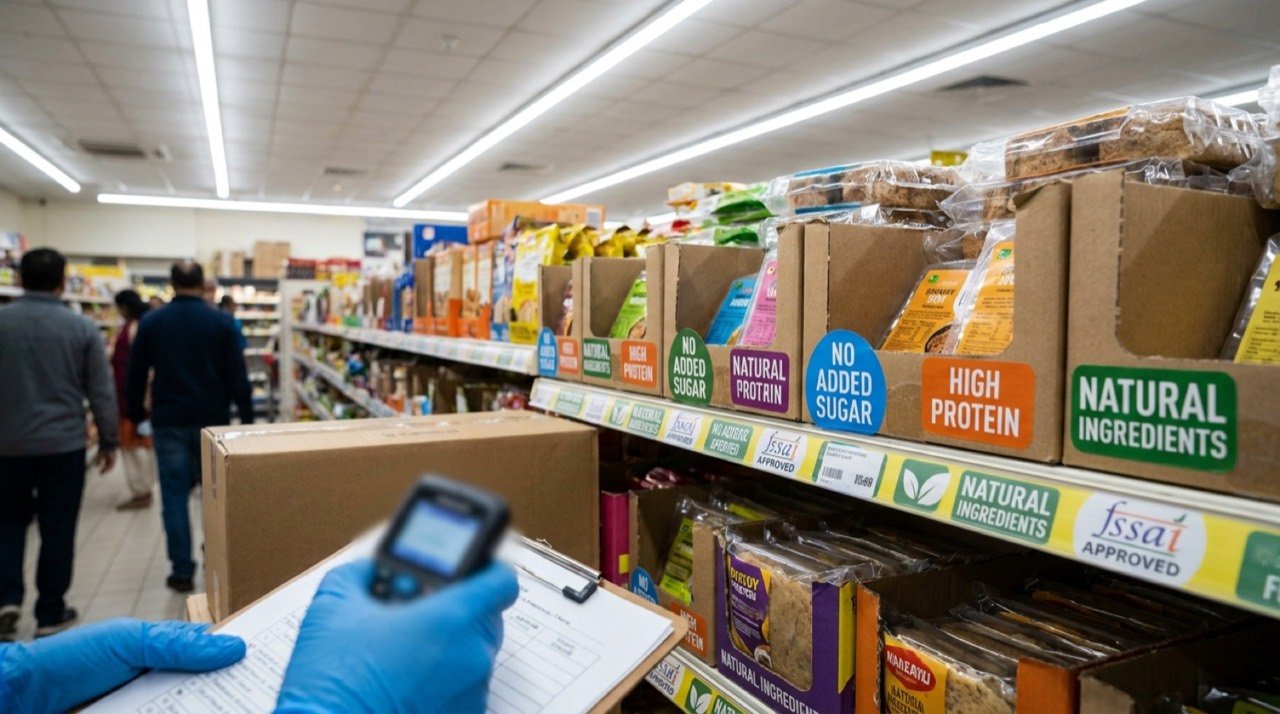
FSSAI Notices Put Packaged-Food Health Claims Under Sharper Scrutiny
Food regulator FSSAI has reportedly issued notices over health and nutrition claims on packaged foods, sharpening scrutiny of labels like 'no added sugar', 'high protein' and 'immunity support'.
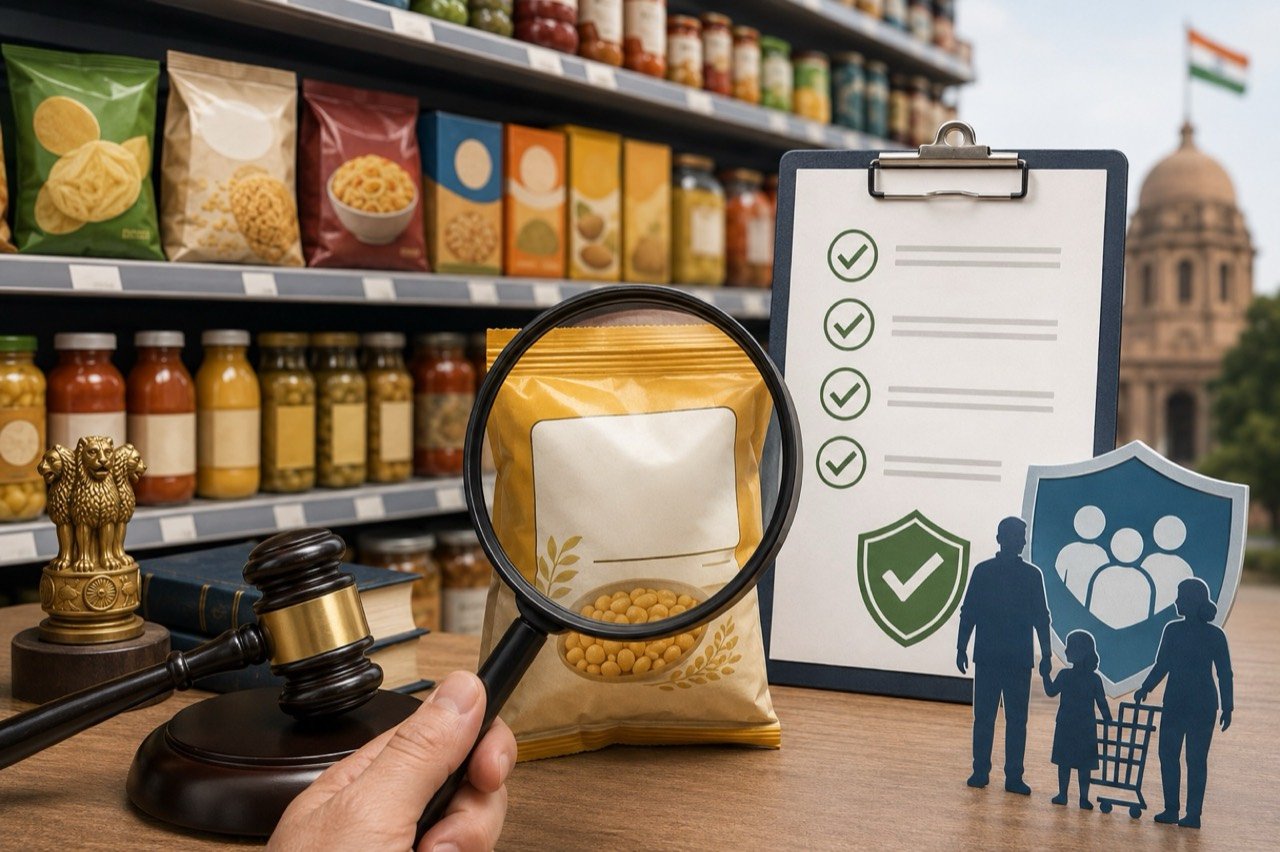
FSSAI '100%' Label Crackdown Puts Food Brands on a July Compliance Clock
India's food regulator is tightening curbs on absolute label claims such as '100%', leaving brands facing a July deadline to overhaul packaging, advertising and marketing language.

India Retail Inflation Rises to 4.38% in June 2026 as Food Prices Push CPI Above RBI’s Target
The first breach of the central bank’s 4% midpoint in 17 months puts household budgets, monsoon conditions and the interest-rate outlook back in focus.

India Steel Emission Targets: Draft Rules Push Decarbonisation
The Centre's draft emission cut targets for the iron and steel sector move India's climate policy from broad pledges to sector-specific rules, placing one of its hardest-to-abate industries under a defined framework.
More from this section
More
Adani Case: US DOJ Pushes for Permanent Dismissal of Charges
The US Department of Justice has urged a judge to permanently dismiss charges against Gautam Adani, calling the case legally flawed — a reversal with consequences for markets, diplomacy and cross-border enforcement.

Akasa Air Inducts 40th Aircraft in Indian Aviation Scale-Up
Akasa Air's 40th aircraft, ferried to Bengaluru via Seattle, Reykjavik and Cairo, marks a fleet milestone for the young carrier and a fresh signal that India's aviation market remains firmly in expansion mode.

BARC Ratings Suspension Leaves Indian TV Industry Flying Blind
BARC's pause on television ratings has put India's broadcast measurement system under fresh scrutiny, leaving broadcasters, advertisers and media planners without the weekly audience data that anchors the TV economy.