India's DGTR Opens Anti-Dumping Probe Into Sodium Nitrite Imports
India's Directorate General of Trade Remedies has launched an anti-dumping investigation into sodium nitrite imports after a domestic-industry complaint, a case set to draw close attention from manufacturers and importers.
Commentary & Analysis ·
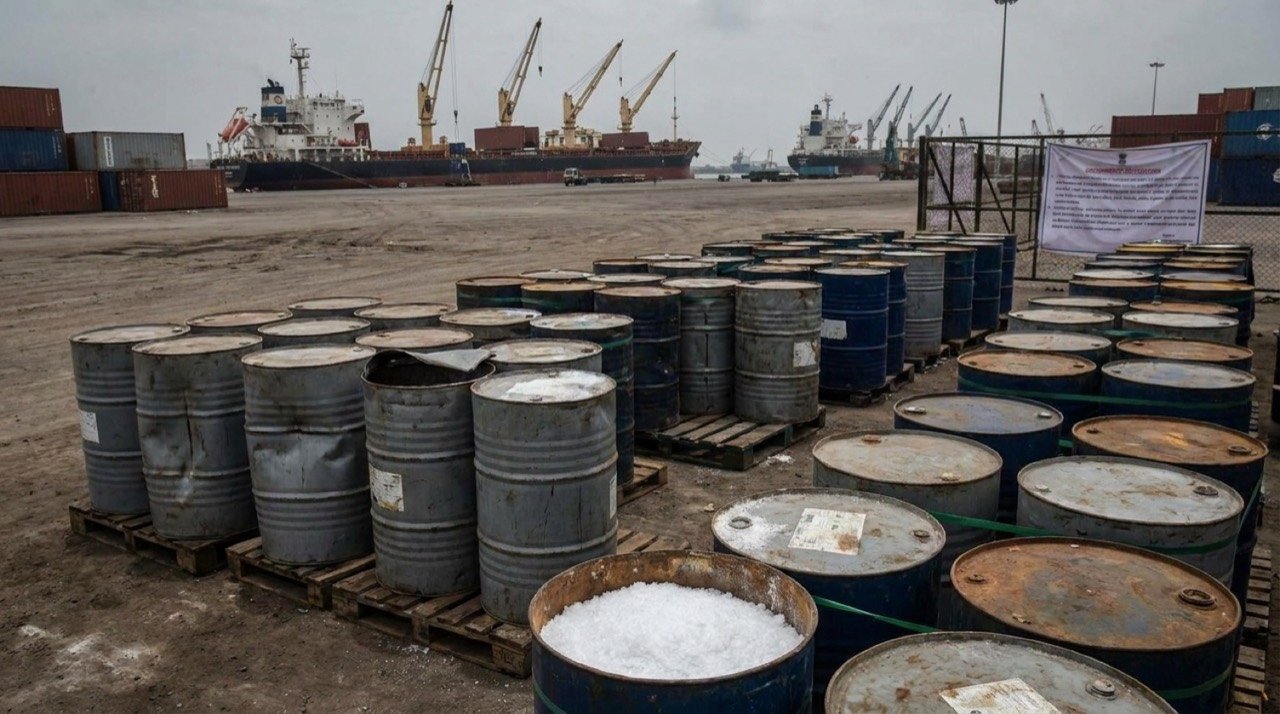
India has opened a fresh trade-remedy front, with the Directorate General of Trade Remedies (DGTR) initiating an anti-dumping investigation into imports of sodium nitrite. The probe follows a complaint from domestic industry and will examine whether the chemical is entering the country at unfairly low prices that harm local producers. On the surface, this is a routine regulatory filing of the kind that rarely makes headlines. Yet the mechanics of anti-dumping law, and the breadth of industries that depend on sodium nitrite, mean the case is worth unpacking in some detail.
What an anti-dumping probe examines
At its core, such an investigation tests two linked questions: whether imported goods are being sold below their normal value, and whether those imports are causing material injury to domestic manufacturers. Only if both are established does the case move toward any remedy. This two-part test is deliberately conservative. Trade law does not simply ask whether imports are cheap; cheap imports, on their own, are not unlawful and can even benefit an economy by lowering input costs. What the law asks instead is whether the price at which goods are sold in India is lower than the price the same exporter charges in its home market, or below the cost of production, and whether that specific gap has caused demonstrable harm to Indian manufacturers.
The DGTR, which functions under the Ministry of Commerce and Industry, gathers detailed pricing, cost and volume data from exporters, importers and domestic producers before reaching findings, making the process evidence-driven rather than automatic. This is an important distinction for anyone watching the case from outside the chemical industry. The opening of an investigation is essentially procedural: it confirms that a complaint has met the threshold for formal scrutiny, not that wrongdoing has been found. The DGTR must build a factual record, typically through questionnaires sent to all interested parties, verification visits, and submissions and rebuttals, before it can draw any conclusion. That process takes time and is designed to withstand challenge, including potential disputes at the World Trade Organization.
Why sodium nitrite matters
Sodium nitrite is a versatile industrial input used across chemical manufacturing, various industrial processes and certain food-related applications. That breadth of use means the outcome will be tracked not just by producers of the chemical but by the wide set of downstream industries that rely on it. Unlike a probe into a narrow, specialised chemical used by a single sector, an investigation touching sodium nitrite has ripple effects across multiple value chains simultaneously. Any manufacturer that uses the compound as a feedstock or processing aid has a stake in how this case unfolds, even if they never appear in a headline about it.
For importers, the probe introduces a degree of uncertainty over future landed costs, while domestic producers will be hoping the data supports their claim of injury from cheap imports. This asymmetry of expectation is typical of anti-dumping cases. Domestic producers who filed the complaint have already committed to the process and are seeking vindication in the form of protective duties. Importers and industrial users, by contrast, face the investigation as a risk to be managed: contracts may need renegotiation clauses, procurement teams may look to diversify sourcing, and finance departments may start modelling scenarios in which duties add meaningfully to input costs.
What happens next
Importantly, the launch of an investigation does not mean duties are imminent or guaranteed. The DGTR will complete its inquiry and, if warranted, recommend a measure to the finance ministry, which takes the final call on whether to impose any duty. This bifurcated structure, in which a technical directorate investigates and recommends but a separate ministry decides, is a deliberate check within India's trade-remedy architecture. It ensures that the finance ministry, which has to weigh broader economic and fiscal considerations, retains ultimate authority even after a detailed technical finding has been made. In practice, the ministry usually follows DGTR recommendations, but it is not obliged to, and it can also modify the scope or duration of any duty.
The probe was triggered by a domestic-industry complaint, and it will test whether imports are sold below normal value while assessing material injury to local producers. Data will be sought from exporters, importers and domestic firms alike, and any eventual duty would require a separate finance ministry decision. Each of these steps builds a paper trail that can later be scrutinised, whether by disappointed importers seeking a judicial review, by exporting countries raising the matter through diplomatic channels, or by industry associations lobbying for or against the eventual outcome.
A familiar pattern in India's trade policy
The case fits a familiar pattern in India's trade policy, where targeted probes are used to shield domestic manufacturing from below-cost imports while preserving the option of supply through fair-priced trade. India has for years relied on such investigations as a calibrated tool: rather than blanket tariffs or blunt import restrictions, anti-dumping duties are meant to correct a specific, proven pricing distortion while leaving the door open for imports that are priced fairly. Stakeholders across the value chain will now prepare submissions as the DGTR builds its record, a process that in past cases has stretched over many months and has often become a forum in which competing narratives about cost structures, capacity utilisation and pricing strategy are aired in detail.
For India's broader chemicals sector, this probe is also a reminder that trade-remedy activity has become a fairly constant feature of the policy landscape, rather than an exceptional event. Domestic manufacturers of various inputs have increasingly turned to the DGTR route when they believe underpriced imports are eroding their margins, and the sodium nitrite case will likely be watched by other segments of the chemicals industry as an indicator of how receptive the current regulatory environment is to such complaints.
The NE Times View
Anti-dumping cases are rarely glamorous, but they reveal how India balances protecting domestic manufacturers against keeping input costs low for downstream industries. Sodium nitrite feeds dyes, pharma and chemicals, so duties here ripple wider than the headline suggests. A duty imposed to protect one set of domestic producers can, if not carefully calibrated, raise costs for an entirely different set of domestic manufacturers further down the chain, some of whom may themselves be exporters competing on global price.
The DGTR should weigh genuine injury to producers against the risk of shielding inefficiency; importers and user industries deserve a transparent, evidence-led ruling. That means the investigation's credibility will rest on the rigour of its injury analysis: distinguishing harm caused specifically by unfairly priced imports from harm caused by other factors, such as weak demand, overcapacity, or the domestic industry's own cost structure. A transparent process, in which all interested parties have a genuine opportunity to be heard and the final reasoning is clearly laid out, will do more to build confidence in the outcome than the speed with which a decision is reached.
Key takeaways
- The DGTR has opened an anti-dumping investigation into sodium nitrite imports following a complaint from domestic industry.
- The probe will test whether imports are priced below normal value and whether they are causing material injury to Indian producers.
- Sodium nitrite's use across chemical manufacturing, industrial processes and food-related applications means the case affects a wide set of downstream industries beyond the chemical's direct producers.
- Any duty is not automatic: the DGTR can only recommend a measure, with the finance ministry making the final decision.
- The case reflects a broader, recurring pattern in Indian trade policy of using targeted, evidence-based probes rather than blanket import restrictions.
You may also like to read

GST Collections Hit Rs 1.95 Lakh Crore in June as Imports Surge
India's gross GST revenue climbed 13.9 percent year on year in June 2026, but a 34.6 percent jump in import-linked collections did most of the heavy lifting while domestic growth stayed modest.
India's LPG Imports From the US Set to Cross 1 Million Tonnes in June
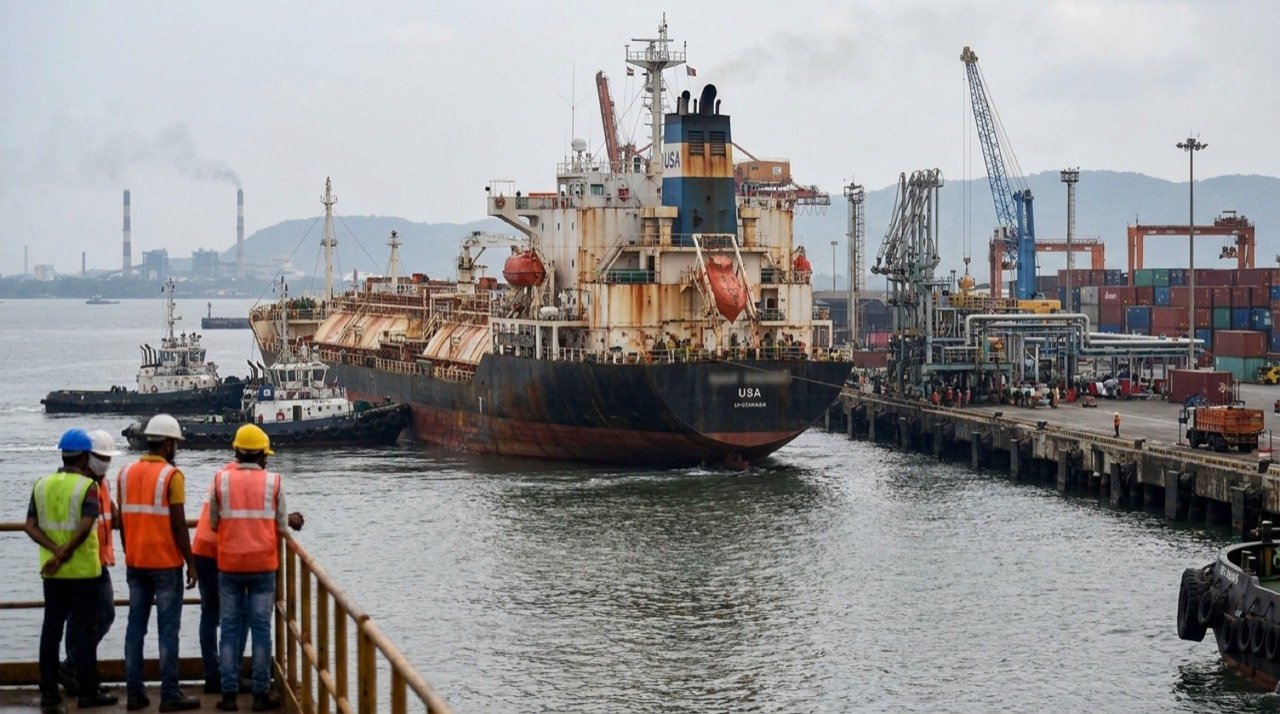
India is on track to import over a million tonnes of US cooking gas in June as Middle East supply disruption pushes refiners to diversify and protect household cylinder security.

Fertiliser Ships Clear Strait of Hormuz, Easing India's Kharif Supply Worries
Four India-bound vessels carrying urea, DAP and sulphur have safely transited the Strait of Hormuz, offering short-term relief to kharif sowing plans amid West Asia tensions.
Chinese Herbicide Imports Face Tighter Scrutiny in India
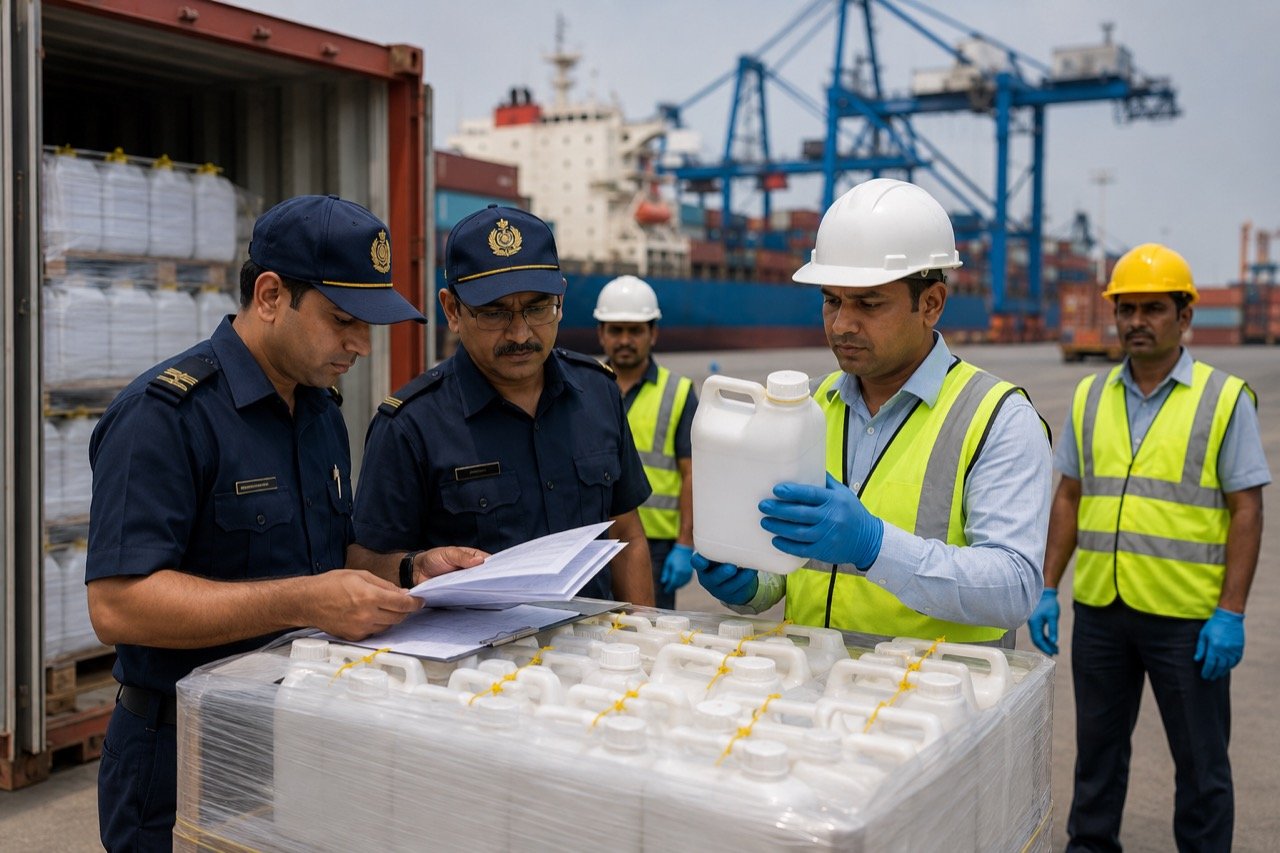
India has stepped up checks on herbicide imports from China, signalling a more assertive trade-compliance posture that could reshape supply, pricing and competition across the country's agrochemical market.
More from this section
More
Adani Case: US DOJ Pushes for Permanent Dismissal of Charges
The US Department of Justice has urged a judge to permanently dismiss charges against Gautam Adani, calling the case legally flawed — a reversal with consequences for markets, diplomacy and cross-border enforcement.

Akasa Air Inducts 40th Aircraft in Indian Aviation Scale-Up
Akasa Air's 40th aircraft, ferried to Bengaluru via Seattle, Reykjavik and Cairo, marks a fleet milestone for the young carrier and a fresh signal that India's aviation market remains firmly in expansion mode.
BARC Ratings Suspension Leaves Indian TV Industry Flying Blind
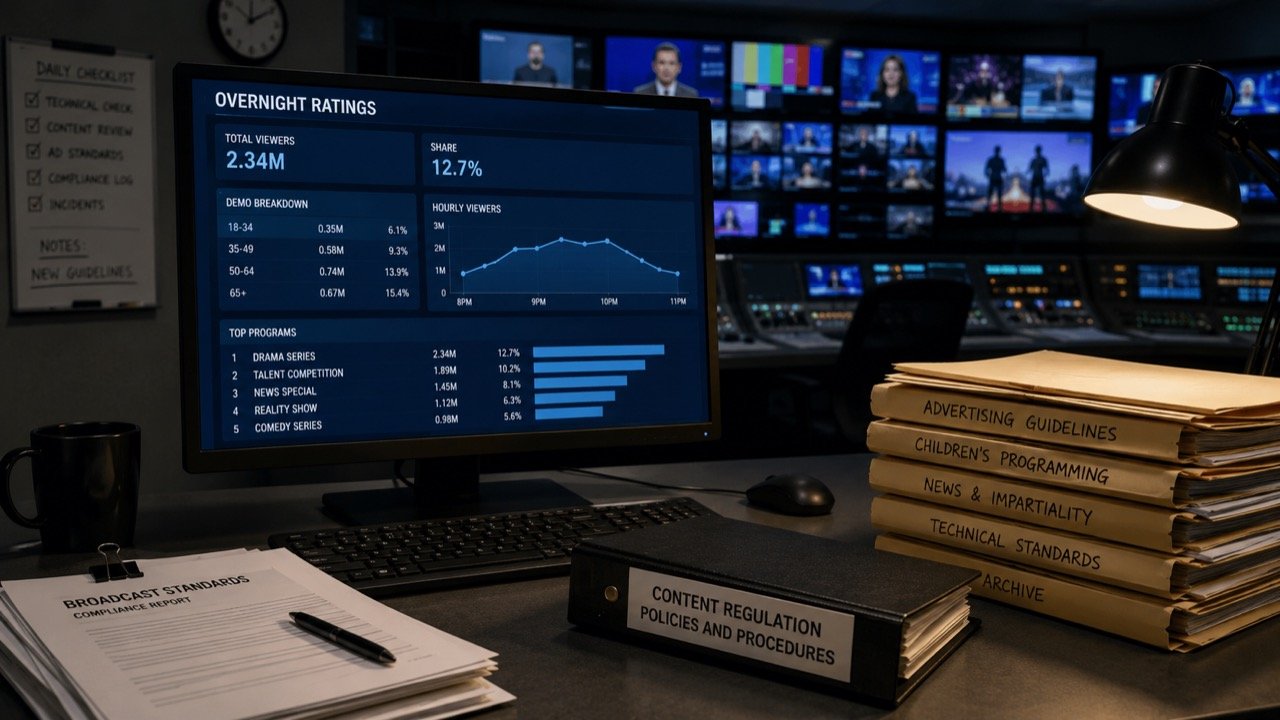
BARC's pause on television ratings has put India's broadcast measurement system under fresh scrutiny, leaving broadcasters, advertisers and media planners without the weekly audience data that anchors the TV economy.