CISF Airport Facial-Recognition Plan Puts Privacy at Centre of Debate
The CISF is working on a Delhi data fusion centre to link facial-recognition systems across major Indian airports, reviving questions over aviation security, surveillance and passenger privacy.
Commentary & Analysis ·
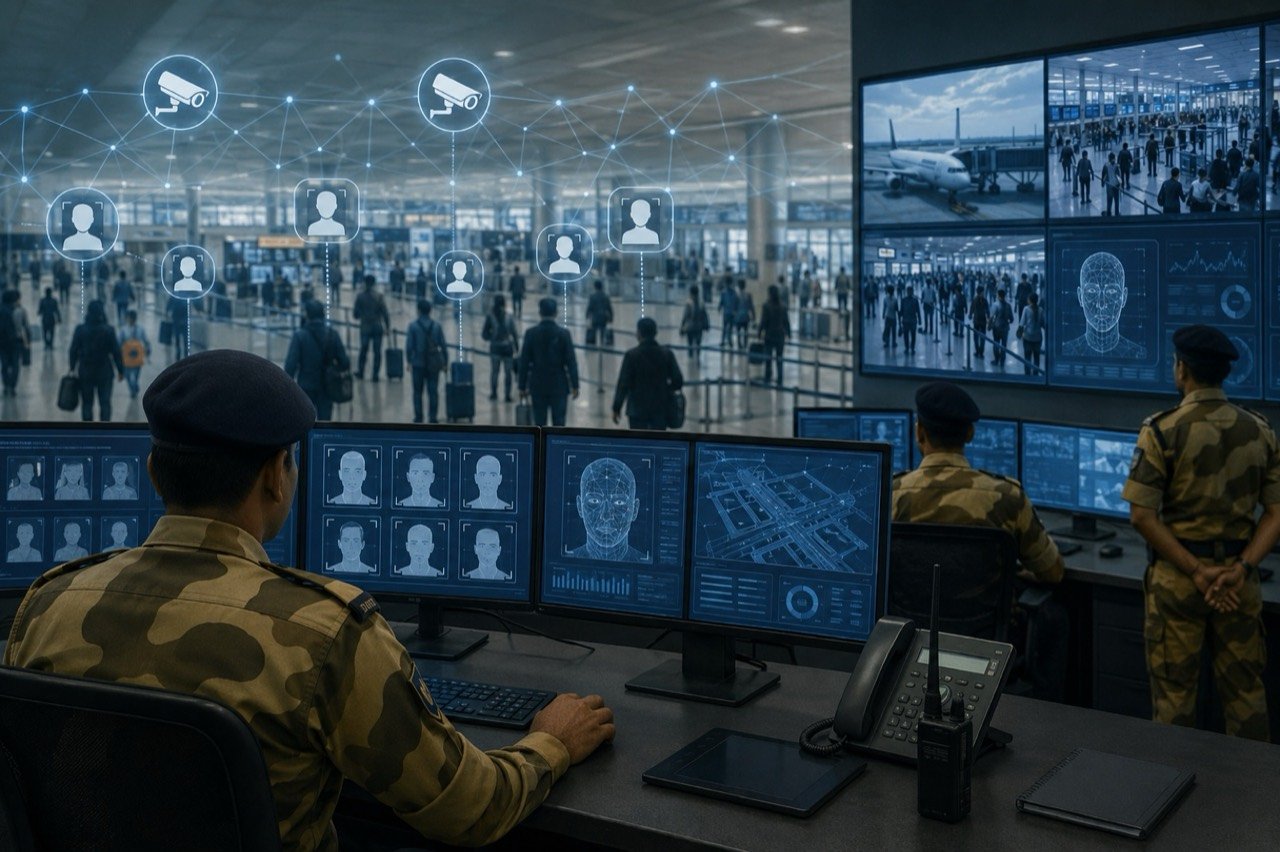
India's Central Industrial Security Force (CISF) is working on a plan to link facial-recognition systems at major airports through a proposed data fusion centre in Delhi. The idea, reported to be under consideration with the home ministry, would pool security feeds from vital installations into a single analytical hub, putting facial-recognition technology squarely at the centre of a fresh debate over surveillance and privacy. That such a proposal is even being weighed signals how far Indian security planning has moved from standalone cameras at individual checkpoints towards an architecture where data itself, not any single device, is treated as the primary security asset.
What the data fusion centre would do
The proposed centre would act as a nerve point, drawing facial-recognition matches and other feeds from airports under CISF cover into one place. Force leadership has also spoken of linking large CCTV networks across the installations it guards, suggesting an ambition that extends beyond a single terminal or city. The plan forms part of a wider push to integrate security systems at sensitive sites, reflecting how Indian agencies increasingly see data integration, rather than isolated cameras, as the path to faster threat detection. In practical terms, this means a suspect flagged at one airport could, in theory, be cross-referenced instantly against feeds from another, collapsing what would otherwise be a slow, manual process of checking separate systems maintained by separate airport operators. The scale of ambition here matters: a single Delhi-based hub tied to multiple airports is a materially different proposition from the terminal-level facial-recognition trials that have already been rolled out at some Indian airports in recent years under digital boarding initiatives.
The case for faster matching
Supporters argue that quicker matching of suspect identities, detection of forged documents and real-time watch-list alerts can help airports respond before a threat materialises. As passenger volumes climb, manual checks struggle to keep pace, and proponents present automation as a way to maintain security without slowing throughput. Aviation is also a high-value target, and a centralised view could in principle help connect dots that individual airport systems would miss in isolation. This is not a fringe argument. Security agencies worldwide have gravitated towards networked biometric systems precisely because a lone camera at a single gate cannot detect a pattern that only becomes visible when feeds from several locations are compared side by side. For a country with as many high-traffic, high-value aviation hubs as India, the appeal of a unified system that can spot a flagged individual moving between cities is easy to understand from a pure counter-terrorism and law-enforcement standpoint.
The privacy and oversight concerns
The proposal is also likely to raise hard questions about safeguards. Civil-liberties advocates point to the risks of large-scale biometric collection without clear limits, and to the well-documented danger of misidentification, which can fall unevenly across groups. Several distinct concerns sit beneath the general unease, and each deserves to be treated as a separate policy question rather than folded into a single reassurance about security benefits.
- Data retention: how long facial-recognition records are stored and who can access them.
- Accuracy: the rate and consequences of false matches at busy terminals.
- Passenger consent: whether travellers can opt out of biometric capture.
- Independent oversight: who audits the system and handles grievances.
- Purpose limitation: ensuring data is not repurposed beyond aviation security.
A civil-liberties researcher put the tension succinctly: "Centralising biometric data can speed up security, but without retention limits and independent oversight it also creates a single point of failure for privacy." That framing is worth sitting with, because it captures something specific to fusion centres as opposed to individual cameras. A single airport's facial-recognition system, however imperfect, is a contained risk. A national hub that pools feeds from multiple installations concentrates far more data, and therefore far more potential harm, in one place. If that hub is ever breached, misused, or quietly expanded in scope, the damage is not confined to one terminal but potentially touches every traveller whose data has passed through any linked airport.
Why the framing of this debate matters
As Indian airports expand and passenger traffic grows, the balance between speed, security and privacy will stay central to this debate. The plan's credibility may ultimately rest less on the technology than on whether the government pairs it with clear, enforceable safeguards before any rollout. It is worth noting that the underlying technical capability is, in some sense, the easy part. Facial-recognition matching and CCTV integration are mature technologies already in limited use at Indian airports. The harder and more consequential work lies in the governance layer: statutory limits on retention periods, clarity on which agencies can query the system and under what authorisation, mechanisms for individuals to contest a false match, and firm boundaries preventing the data from migrating into unrelated uses such as general policing or immigration enforcement. Without those elements settled in advance, the fusion centre risks becoming a system whose powers expand quietly over time, simply because no one defined its limits at the outset.
Stakeholders and what to watch next
Several parties have a direct stake in how this unfolds. The CISF and the home ministry will be weighing operational gains against the administrative and legal complexity of building a lawful, auditable system. Airport operators, who already run their own biometric boarding schemes in places, will need clarity on how a Delhi-based hub interacts with their existing infrastructure and data-sharing obligations. Passengers, who have the most at stake in terms of personal data exposure, currently have the least visibility into how any of this would work in practice. And civil-society groups and privacy researchers will likely continue pressing for the specifics, cent retention windows, audit trails, consent mechanisms, to be published rather than left implicit. The trajectory of India's still-maturing data protection framework will also shape how this plan is received: if statutory safeguards are seen as an afterthought bolted onto a system already in motion, public trust is likely to suffer, whereas safeguards built in from the design stage would give the plan a far stronger claim to legitimacy.
The NE Times View
Faster security queues are a genuine benefit, but a centralised facial-recognition hub linking India's airports is precisely the kind of system that demands guardrails before deployment, not after. With the data protection law still bedding in, who can access these biometric records, for how long, and under what oversight remains unclear. Convenience must not be allowed to normalise a surveillance architecture the public never explicitly agreed to. The burden of proof here should sit with the state: a system with this much reach into ordinary travellers' movements and biometric identity ought to justify itself through published safeguards, not simply through the promise of smoother queues. Until retention limits, oversight mechanisms and consent frameworks are set out in as much detail as the technology itself, the plan will remain, at best, a security upgrade with an unresolved privacy liability attached.
Key takeaways
- CISF is reportedly developing a Delhi-based data fusion centre to link facial-recognition and CCTV feeds from major airports it guards, with the home ministry understood to be considering the plan.
- Supporters cite faster suspect identification, forged-document detection and real-time watch-list alerts as key benefits as passenger volumes rise.
- Unresolved questions on data retention, accuracy of matches, passenger consent, independent oversight and purpose limitation remain central to the debate.
- A centralised hub concentrates risk differently than standalone airport cameras, making governance safeguards more consequential, not less.
- The plan's legitimacy will likely hinge on whether enforceable safeguards are built in before rollout rather than added afterward.
You may also like to read

Rushikonda Complex PPP Plan Revives Andhra Coastal Asset Debate
Andhra Pradesh has invited private operators to run the nearly Rs 450 crore Rushikonda Building Complex in Visakhapatnam, reopening questions about tourism potential, transparency and the future of a politically contested coastal asset.
Lucknow Fire Puts Coaching and Training Centre Safety Under Scrutiny
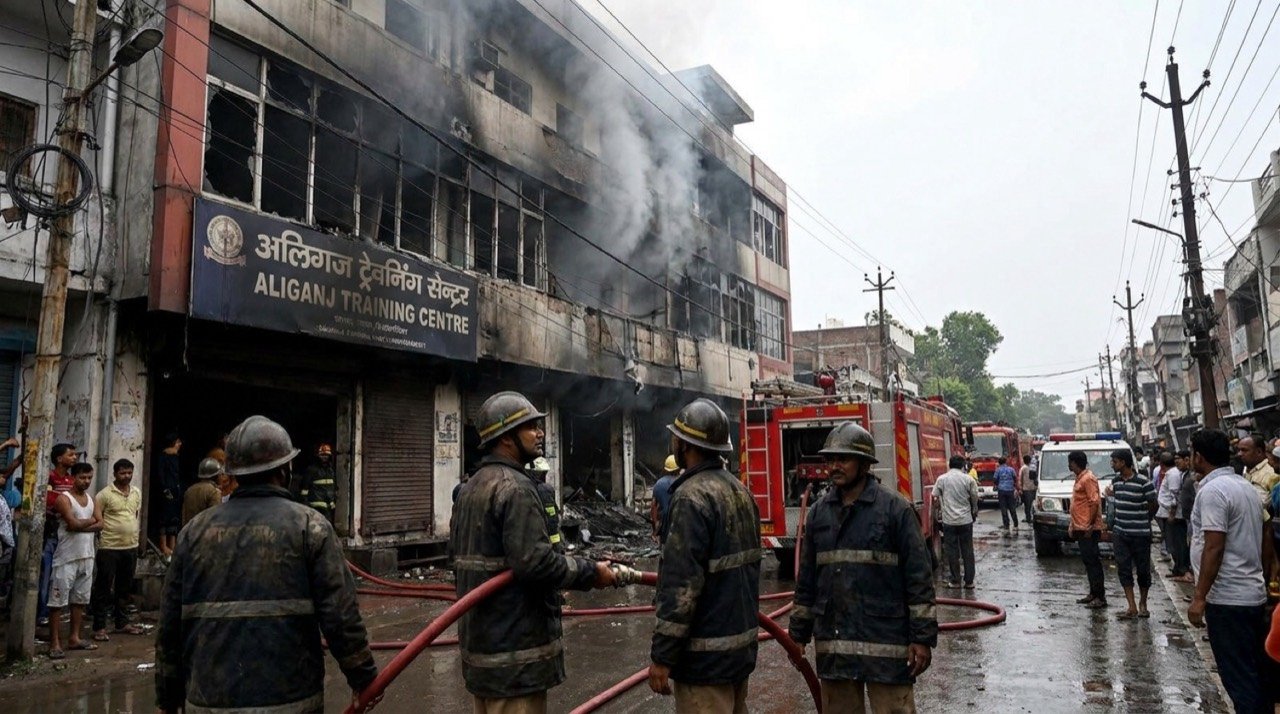
At least 15 people, mostly students and trainees, died in a Lucknow fire, forcing a hard look at fire-safety compliance in coaching centres, gaming studios and training spaces inside commercial buildings.

NCR Regional Plan 2041 Puts Four Namo Cities and Faster Corridors on the Map
The draft NCR Regional Plan 2041 proposes four greenfield Namo cities and new transit corridors to cut travel times as Delhi's urban cluster heads towards 11 crore people.
Project Hawk Eye: AI, Drones and Snipers to Guard the Amarnath Yatra
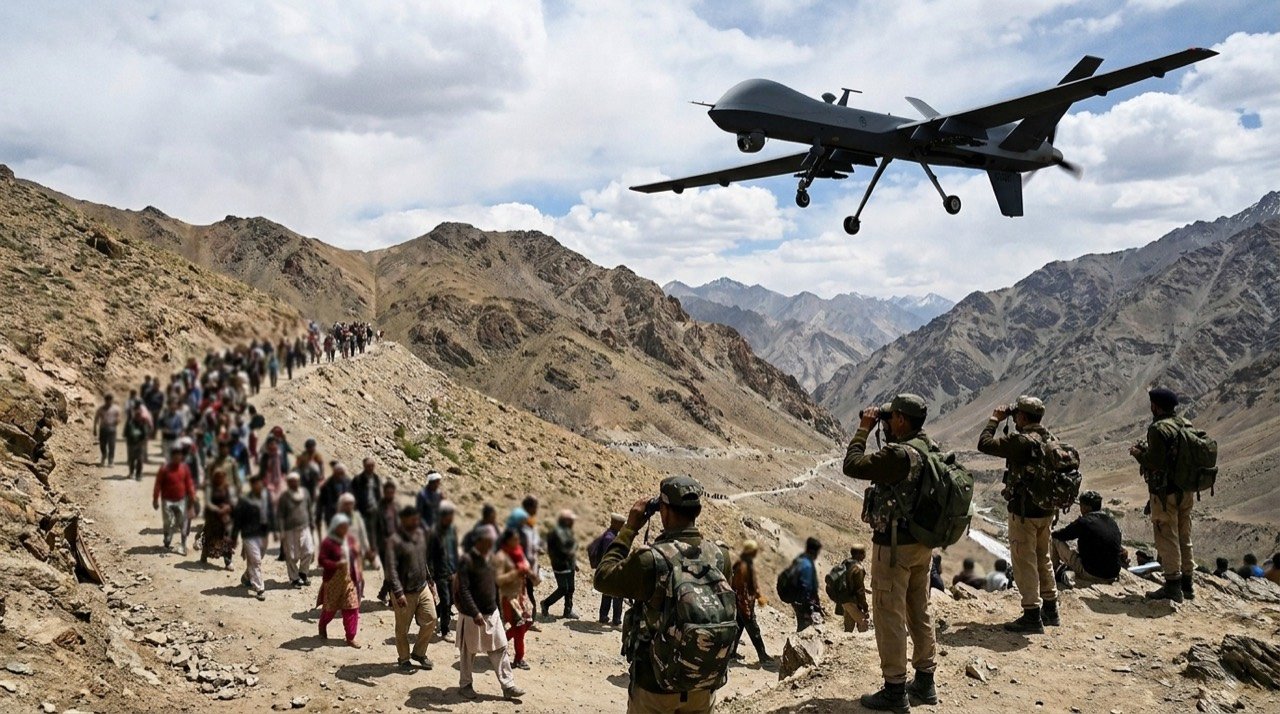
Anantnag police have unveiled Project Hawk Eye, a layered surveillance net of drones, facial recognition, hundreds of CCTV cameras and sniper teams to secure the 2026 Amarnath Yatra beginning 3 July.
More from this section
More
AICTE Industry Fellowship 2026: Rs 1.5 Lakh Scheme Closes July 5
The AICTE Industry Fellowship Programme 2026, which places technical-education faculty inside leading companies on a Rs 1.5 lakh monthly stipend, reached its application deadline on July 5.
Bay of Bengal Low Pressure System Revives Monsoon Over Western India
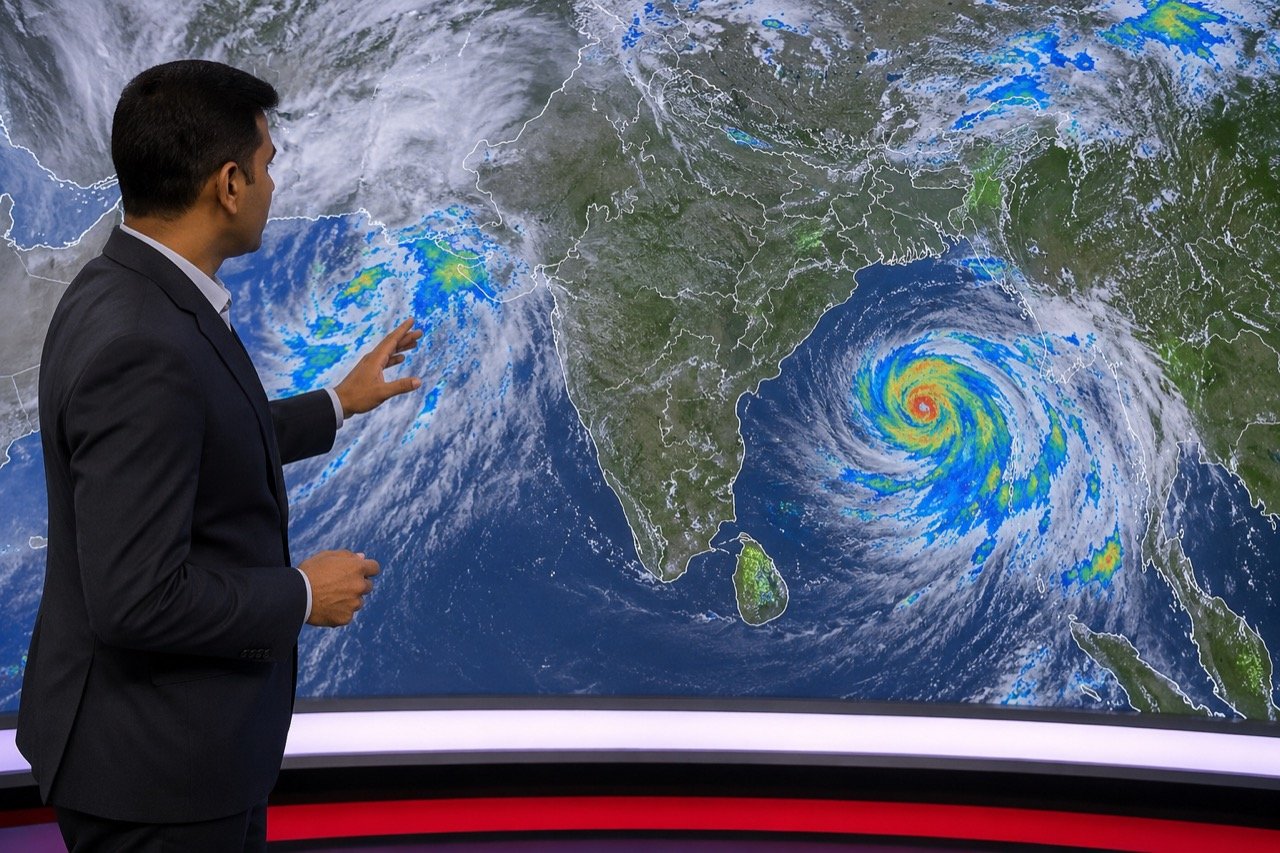
A low-pressure system over the Bay of Bengal has pushed the monsoon back into an active phase, bringing steady heavy rain to Kerala, coastal Karnataka and Maharashtra, and putting Mumbai and Pune on preparedness watch.
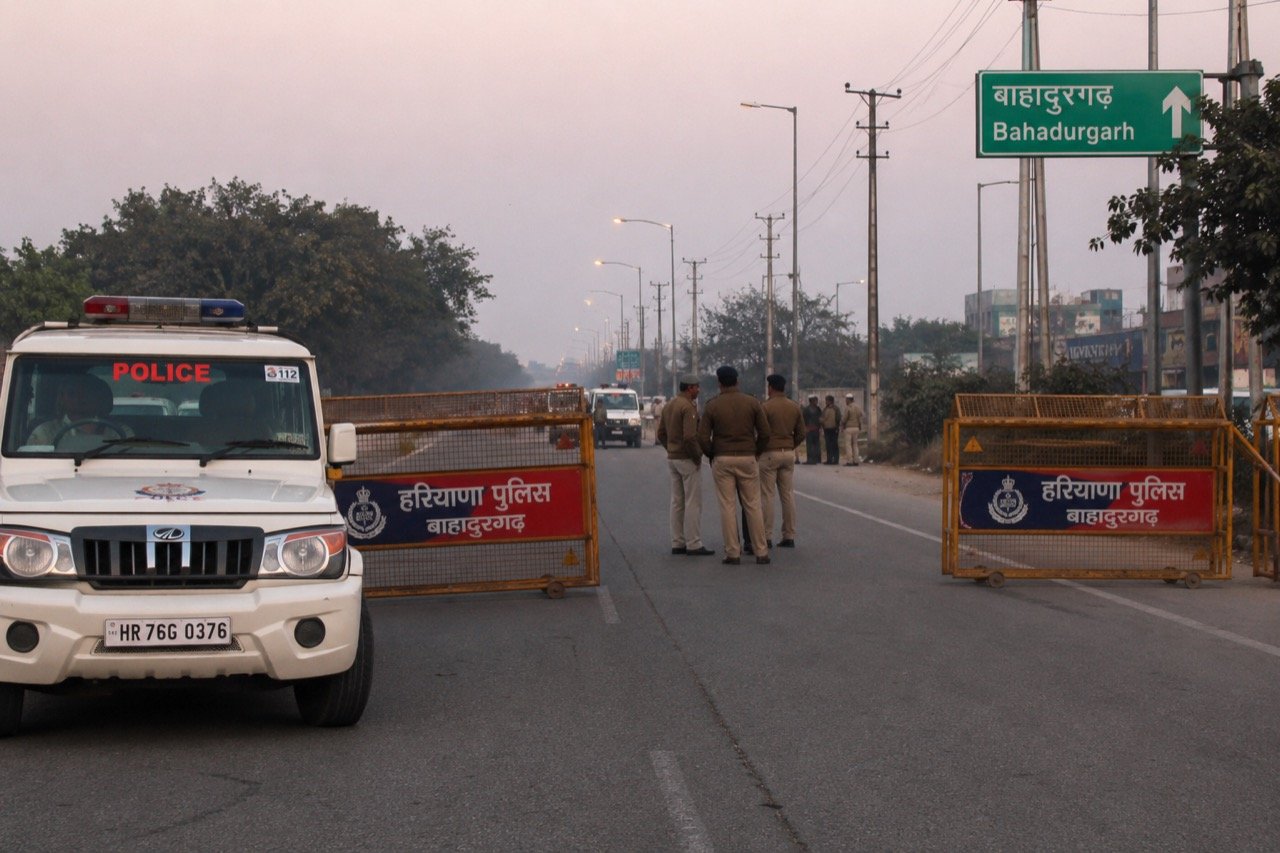
Bishnoi Gang Suspects Injured in Haryana Encounter as Police Tighten Net
A joint Haryana-Delhi Police operation in Bahadurgarh left two suspected Lawrence Bishnoi gang members injured, spotlighting the multi-state coordination now central to India's fight against organised crime networks.