Centre Orders Corrective Measures After Jitu Munda Banking Ordeal in Odisha
After a tribal man in Odisha's Keonjhar district was reportedly forced to exhume his sister's remains over a bank withdrawal dispute, the Centre has ordered corrective action and a branch manager has been suspended.
Commentary & Analysis ·
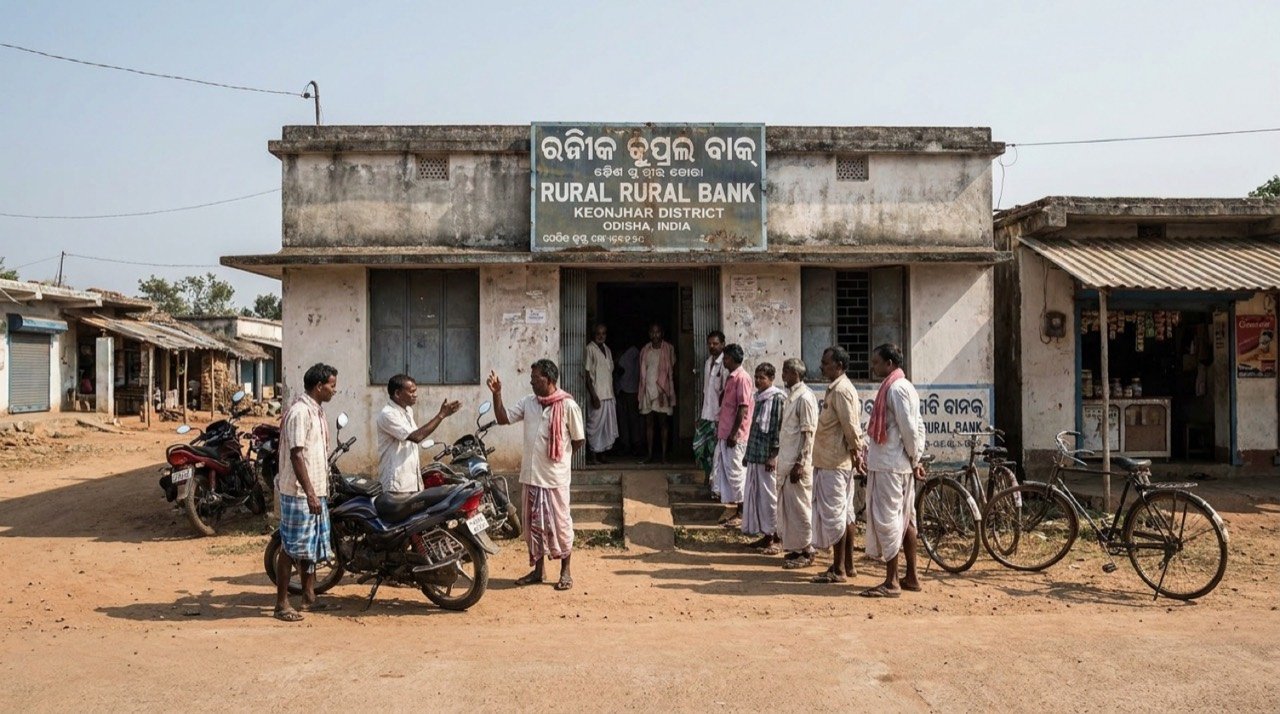
The Centre has ordered corrective measures after a deeply distressing episode in Odisha's Keonjhar district, where a tribal man named Jitu Munda was reportedly compelled to exhume his deceased sister's remains to satisfy a bank's demand for proof during a withdrawal dispute. The case, which spread quickly across national media, has crystallised long-standing anxieties about how India's formal banking system treats its most vulnerable account holders, and it has triggered scrutiny of the procedures that allowed a grieving family to be pushed to such an extreme.
What happened in Keonjhar
According to reports, the dispute centred on the withdrawal of money tied to Jitu Munda's late sister at a branch of the Odisha Gramya Bank. When documentation and verification questions could not be resolved through routine means, the family was driven to the harrowing step of exhuming her remains to establish proof of death or identity. The branch manager was subsequently suspended as the episode drew political and administrative attention.
The incident has been described by commentators as a test of humane banking, with officials acknowledging that empathy and discretion appear to have been absent at the counter where a straightforward claim turned into a public ordeal.
A political and administrative response
The matter quickly reached senior levels. Former Odisha chief minister Naveen Patnaik sought the intervention of Union Finance Minister Nirmala Sitharaman, pressing for a humane and accountable administration of banking services for tribal and rural citizens. The Centre's order for corrective action signals an attempt to ensure that frontline staff are equipped to handle sensitive death-related and inheritance claims without inflicting further trauma.
The wider question of financial inclusion
India has spent more than a decade expanding banking access to remote and tribal communities through Jan Dhan accounts and regional rural banks such as Odisha Gramya Bank. Yet the Munda case underlines that access alone does not guarantee dignity. Rigid documentation rules, designed to curb fraud, can become instruments of exclusion when applied without judgement to people who lack easy access to paperwork.
- A branch manager of Odisha Gramya Bank was suspended after the incident.
- Jitu Munda reportedly exhumed his sister's remains amid a withdrawal dispute.
- Former CM Naveen Patnaik sought Union Finance Minister intervention.
- The Centre ordered corrective measures focused on humane banking practice.
- The case has reopened debate on documentation rules for vulnerable depositors.
“The episode is a stark reminder that financial inclusion must be measured not only by accounts opened, but by the dignity with which the poorest customers are served.”
— Banking sector analyst
The outlook now depends on whether the corrective measures translate into durable change. Clearer death-claim protocols, sensitised staff training and accessible grievance redress for rural depositors would help ensure that no family is forced into a comparable ordeal. For policymakers, the Keonjhar case is likely to feature in future discussions on balancing fraud controls with compassion in last-mile banking.
The NE Times View
That a grieving tribal man was made to exhume his sister's remains to settle a bank's paperwork is a grotesque failure of basic human decency, not a clerical mishap. The Centre's intervention and a suspension are welcome, but the real test is whether rural branches treat Adivasi customers as citizens with rights rather than problems to be processed. India's banking system cannot claim financial inclusion while its frontline still humiliates the poorest.
This article is original commentary and analysis by The NE Times. Background facts were referenced from Business Standard and Deccan Herald.
You may also like to read
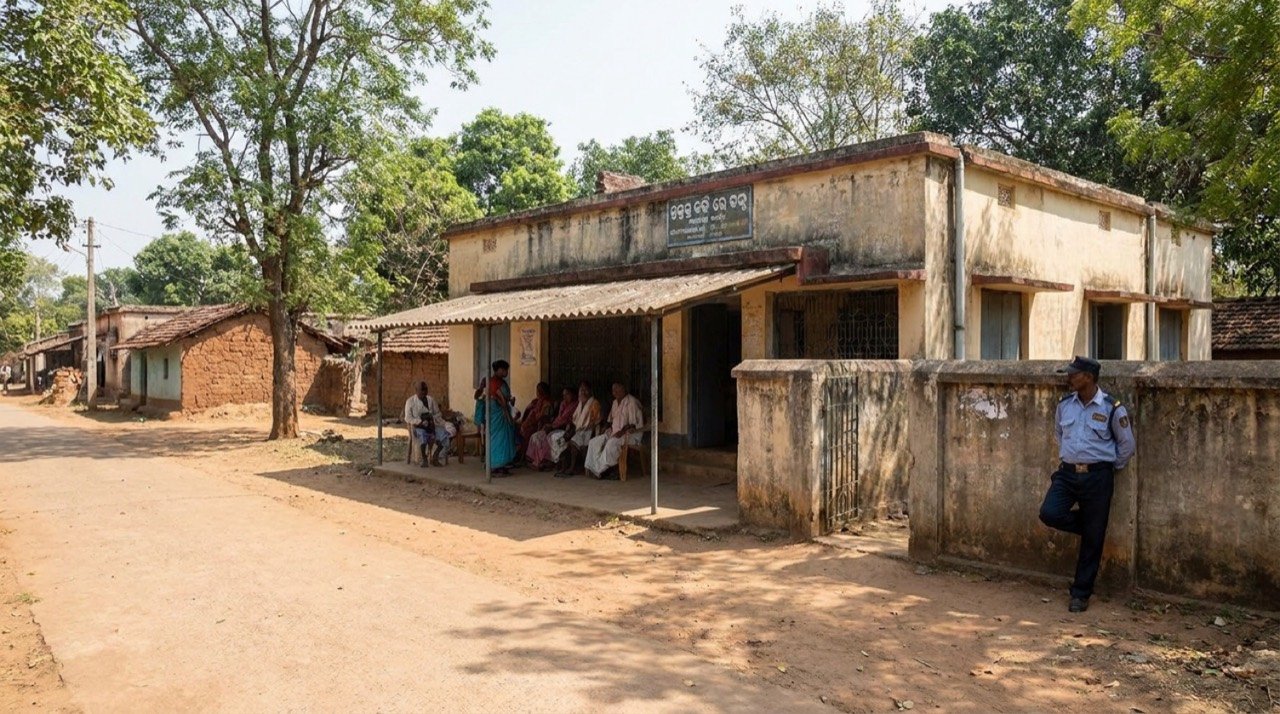
Odisha Bank Suspension Puts Spotlight on Compassionate Service Rules
A branch manager has been suspended after a tribal man carried his sister's skeleton to an Odisha Grameen Bank as proof of death, prompting orders for all 28 regional rural banks to improve compassion.

Brahmapur-Udhna Amrit Bharat Express Goes Daily, Boosting Odisha Link
The Brahmapur-Udhna Amrit Bharat Express is set to run every day, giving passengers travelling between Odisha and Gujarat a more dependable and affordable long-distance rail option for work, study and family journeys.
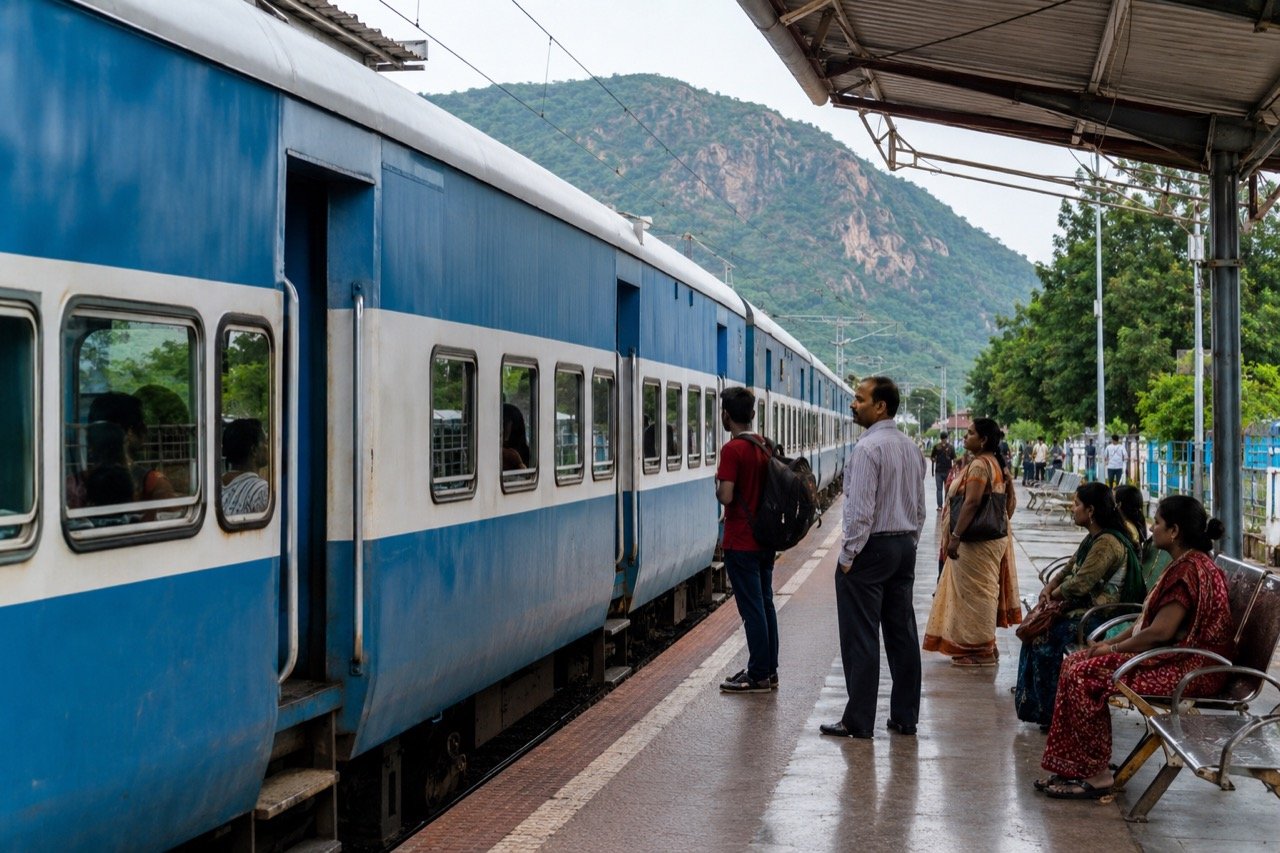
Puri-Koraput Express: New Train to Link Coastal and South Odisha
Indian Railways is introducing the Puri-Koraput Express to give Odisha a more direct passenger link between its coastal pilgrimage hub and the southern hill districts, with route and timetable details now published.

Odisha Seeks Rs 9,000 Crore to Build a Disaster-Proof Power Grid
Odisha has asked the Centre for more than Rs 9,000 crore to storm-harden its electricity network, putting a visible price tag on climate resilience for India's cyclone-prone coastal states.
More from this section
More
AICTE Industry Fellowship 2026: Rs 1.5 Lakh Scheme Closes July 5
The AICTE Industry Fellowship Programme 2026, which places technical-education faculty inside leading companies on a Rs 1.5 lakh monthly stipend, reached its application deadline on July 5.
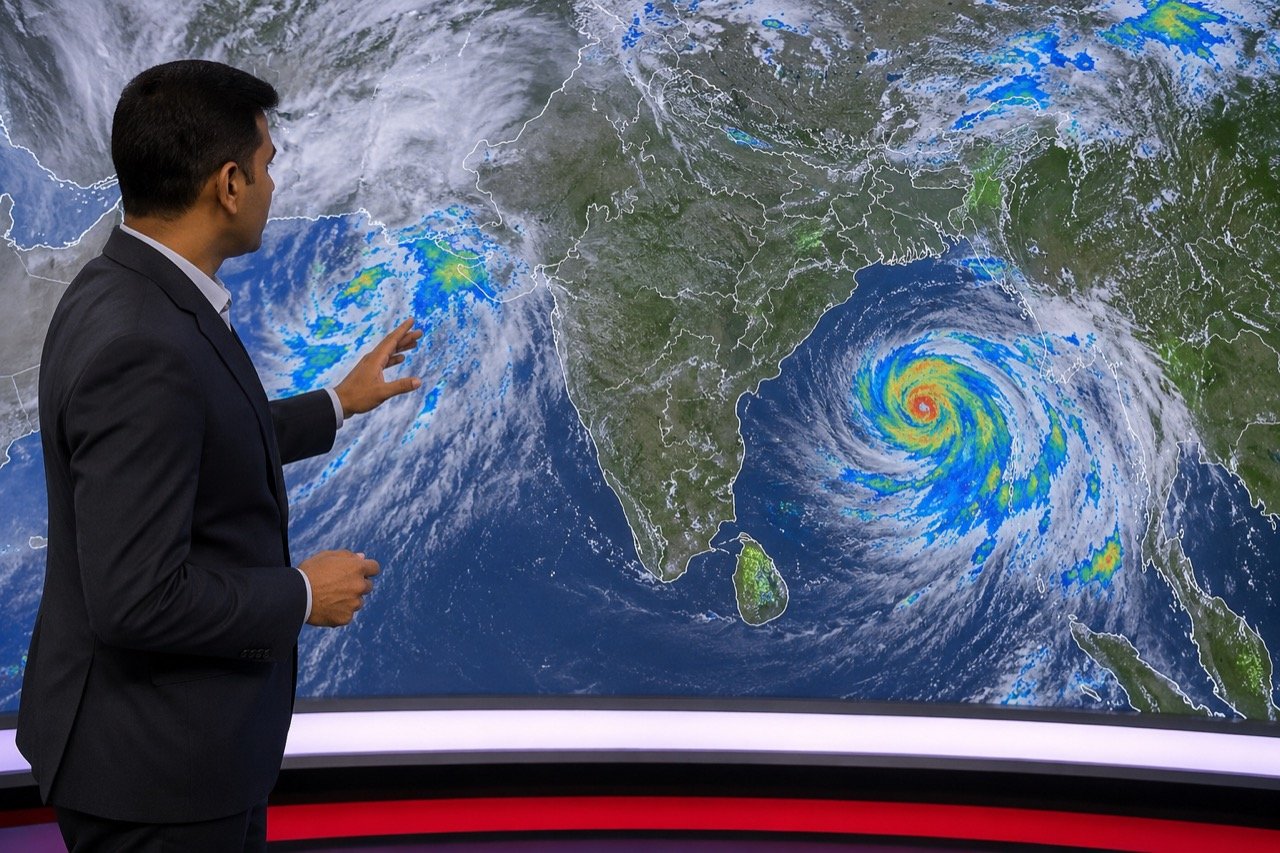
Bay of Bengal Low Pressure System Revives Monsoon Over Western India
A low-pressure system over the Bay of Bengal has pushed the monsoon back into an active phase, bringing steady heavy rain to Kerala, coastal Karnataka and Maharashtra, and putting Mumbai and Pune on preparedness watch.
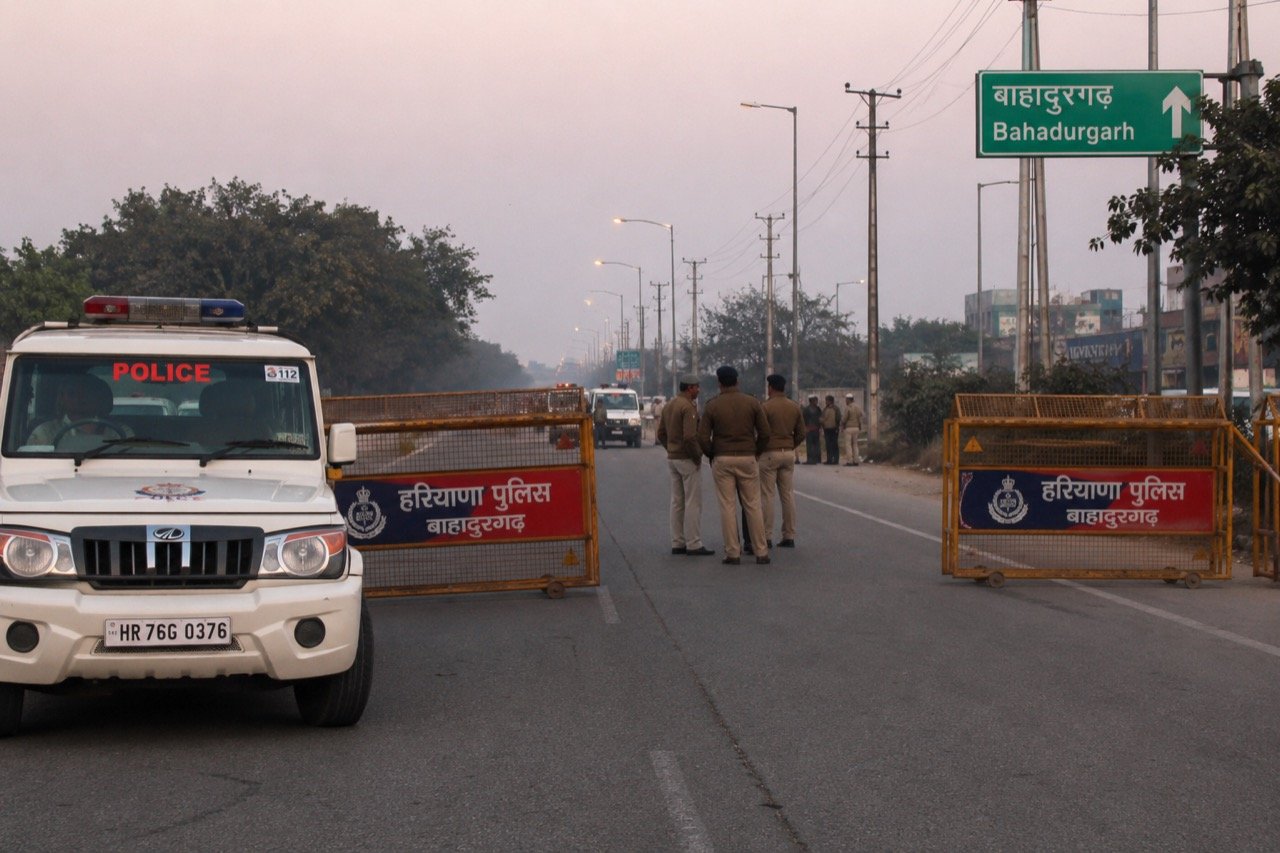
Bishnoi Gang Suspects Injured in Haryana Encounter as Police Tighten Net
A joint Haryana-Delhi Police operation in Bahadurgarh left two suspected Lawrence Bishnoi gang members injured, spotlighting the multi-state coordination now central to India's fight against organised crime networks.