Bengaluru Votes At Last: Five-Corporation GBA Polls Break An 11-Year Civic Drought
After more than a decade without an elected city council, Bengaluru heads to the ballot box for the new Greater Bengaluru Authority corporations, with paper ballots, 369 wards and a Supreme Court deadline driving the contest.
Commentary & Analysis ·
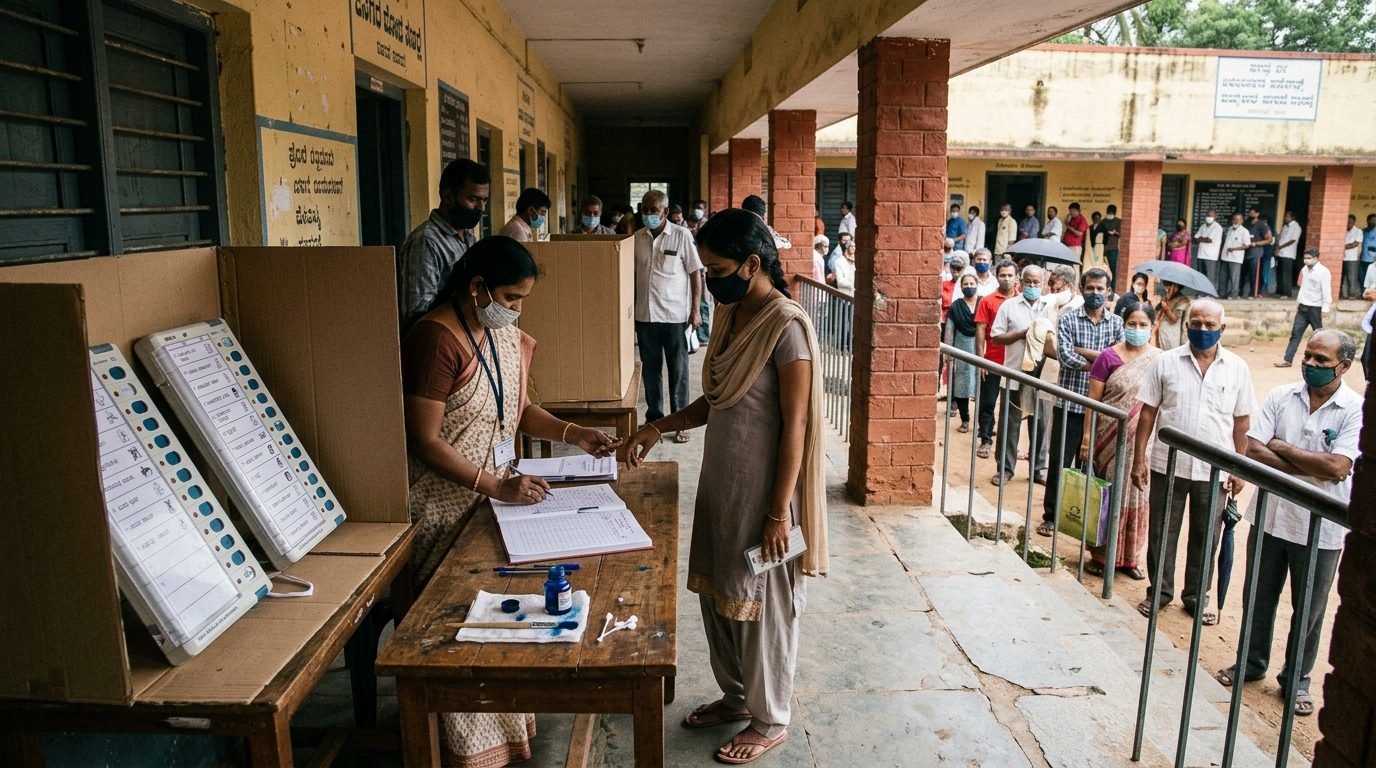
For the first time since 2015, Bengaluru is choosing the people who will run its streets, drains and garbage trucks. Elections to the five city corporations under the newly created Greater Bengaluru Authority are being held in a tight window through late June, ending an extraordinary 11-year gap during which India's tech capital was governed by appointed administrators rather than elected councillors.
One city, five corporations
The poll is the first under a structure introduced in September 2025, when the old Bruhat Bengaluru Mahanagara Palike was split into Central, East, West, North and South city corporations sitting under the umbrella of the Greater Bengaluru Authority. The reorganisation created 369 wards across the metropolitan area, and the State Election Commission set the voting window between June 14 and June 24 after the Supreme Court ordered the Karnataka government to complete the exercise by June 30.
The fragmentation of the once-unified municipal body has been politically contentious, with critics arguing it dilutes accountability and supporters insisting smaller corporations will bring administration closer to neighbourhoods long frustrated by potholes, flooding and patchy waste collection.
Paper ballots and a trust question
In a notable departure from recent practice, the corporations are voting on paper ballots rather than electronic voting machines, following the state government's decision to recommend ballot papers for all future panchayat and urban local body polls. Officials framed the move as a response to questions over public confidence, though it has also raised concerns about slower counting across the sprawling electorate.
- First Bengaluru civic election since 2015, ending an 11-year elected-body vacuum.
- Five new corporations - Central, East, West, North and South - replace the erstwhile BBMP.
- 369 wards across the Greater Bengaluru Authority area are in contention.
- Voting is on paper ballots, not EVMs, with a Supreme Court deadline of June 30.
- Both the ruling Congress and the BJP have shifted into full poll mode.
What is at stake
Beyond party arithmetic, the contest is a referendum on whether Bengaluru's daily civic machinery can finally be held to account at the ballot box. Residents' groups in pockets such as Pai Layout have spent recent weeks protesting neglected roads and safety hazards, and candidates have campaigned heavily on flooding, mobility and the long-promised GIS-based portal to coordinate civic works across departments.
“After more than a decade, the people of this city will once again have a councillor they can hold responsible for the road outside their door.”
— A senior State Election Commission official
Whichever way the wards fall, the larger test begins after counting, when the new corporations must prove that splitting Bengaluru into five has made governance sharper rather than simply more crowded. For a city that has waited eleven years to vote, the patience of its citizens may be the shortest-lived asset of all.
The NE Times View
Eleven years without an elected council is a damning indictment of how casually India treats local democracy, the tier of government closest to potholes, drains and daily life. That it took a Supreme Court deadline to force this vote tells you the political class prefers appointed administrators it can control. The five-corporation split deserves scrutiny too: smaller units can sharpen accountability, or simply multiply the patronage. Bengaluru's real test begins after the count.
This article is original commentary and analysis by The NE Times. Background facts were referenced from The Hindu and Deccan Herald.
You may also like to read
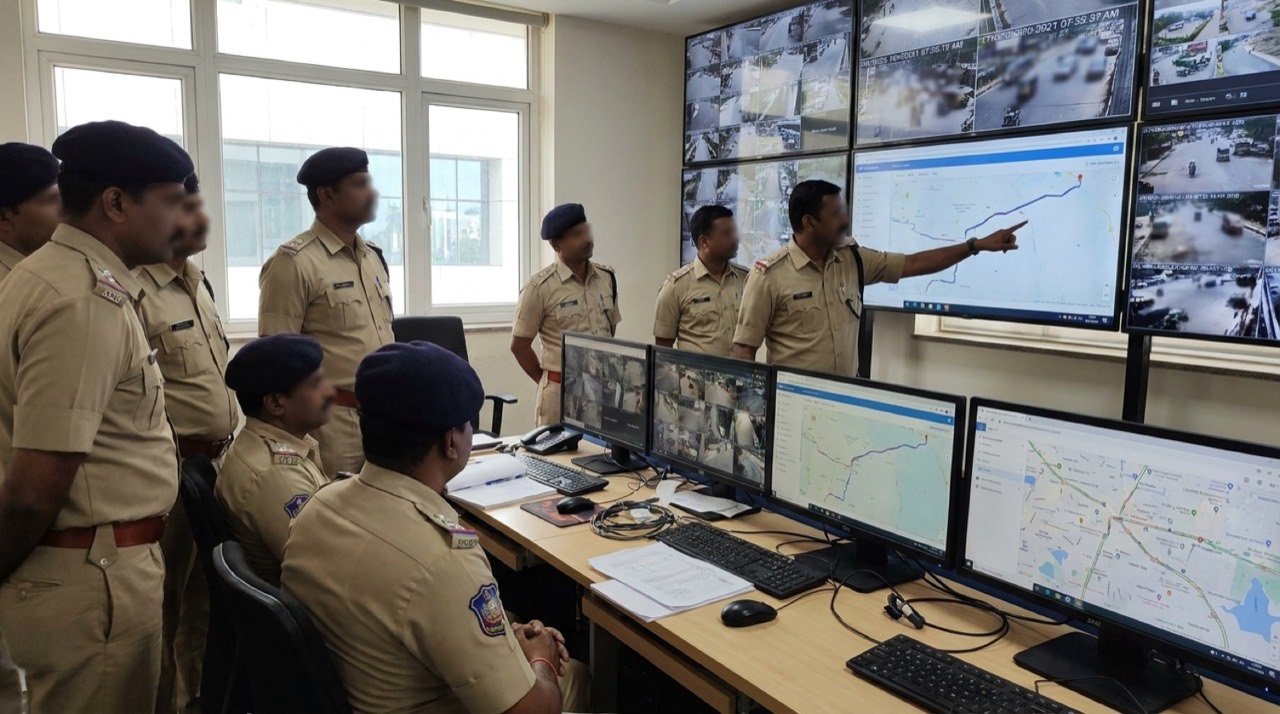
Bengaluru Police Fact-Check: NEET Aspirant's Delay Not Caused by Rally Traffic
Bengaluru police say CCTV footage and route analysis show a NEET candidate left home just 33 minutes before the cut-off, contradicting claims that a Congress rally blocked the route.
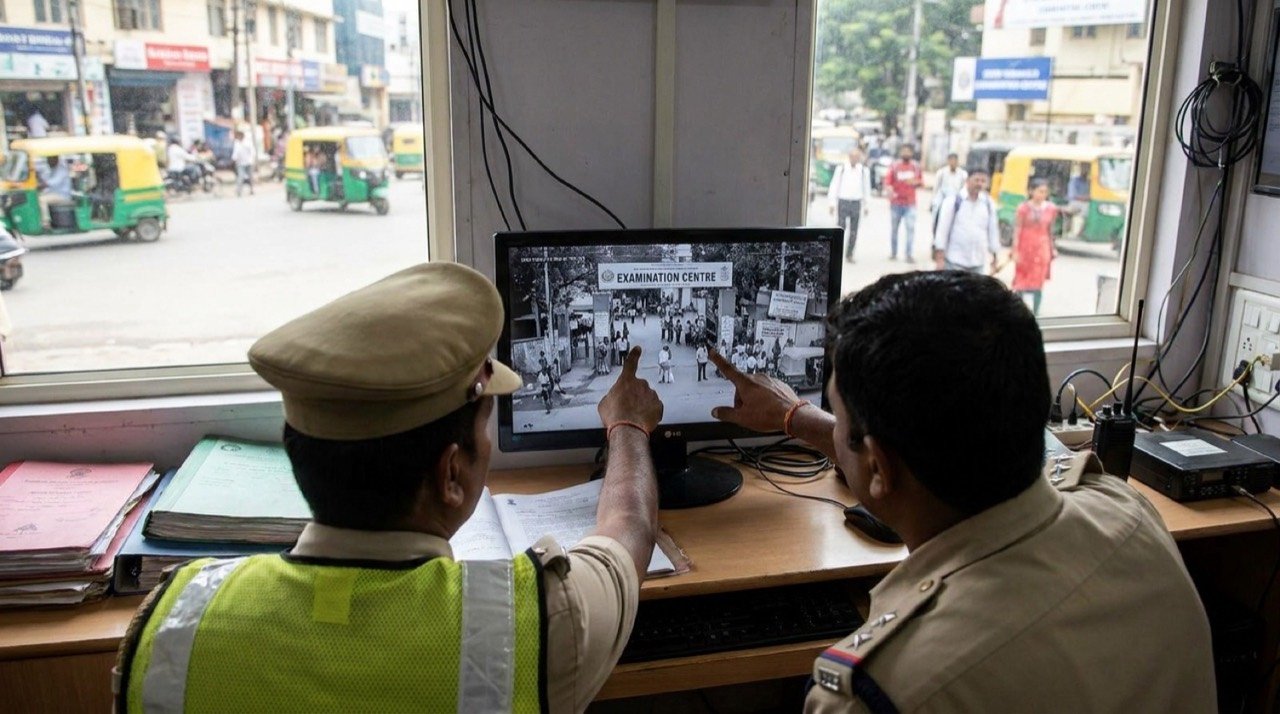
Bengaluru Police Reject Claim That Congress Rally Delayed NEET Aspirant
Bengaluru Traffic Police say CCTV footage does not support viral claims that a Congress rally caused a NEET candidate to miss her re-exam slot, citing a late departure and a longer route.
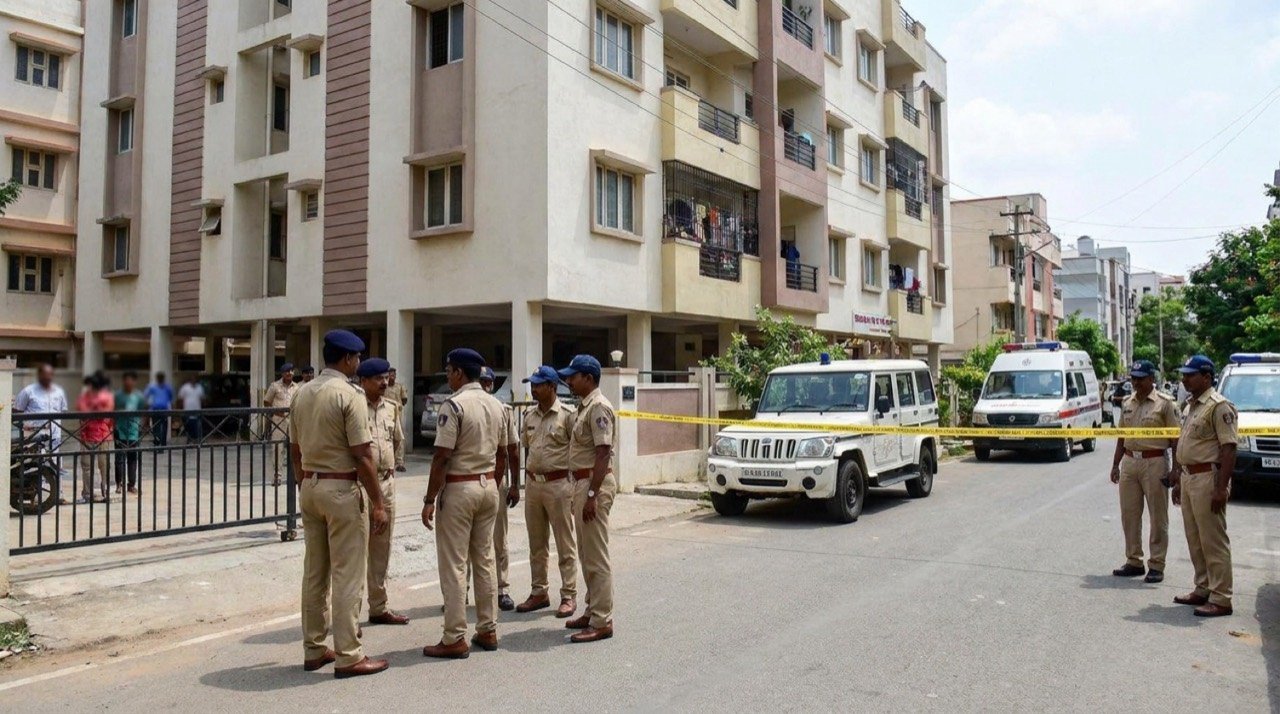
Bengaluru Triple Murder Probe Focuses On Daughter And Her Live-In Partner
Police investigating the killing of an elderly couple and their 19-year-old daughter in Bengaluru are examining whether family opposition to a relationship escalated into extreme violence.

Bidadi Township Protest Becomes First Major Test for Karnataka CM DK Shivakumar
Farmers and the opposition are pressing Karnataka Chief Minister DK Shivakumar over the 9,000-acre Greater Bengaluru township near Bidadi, as final land-acquisition orders reignite a long-running land-rights dispute.
More from this section
More
AICTE Industry Fellowship 2026: Rs 1.5 Lakh Scheme Closes July 5
The AICTE Industry Fellowship Programme 2026, which places technical-education faculty inside leading companies on a Rs 1.5 lakh monthly stipend, reached its application deadline on July 5.
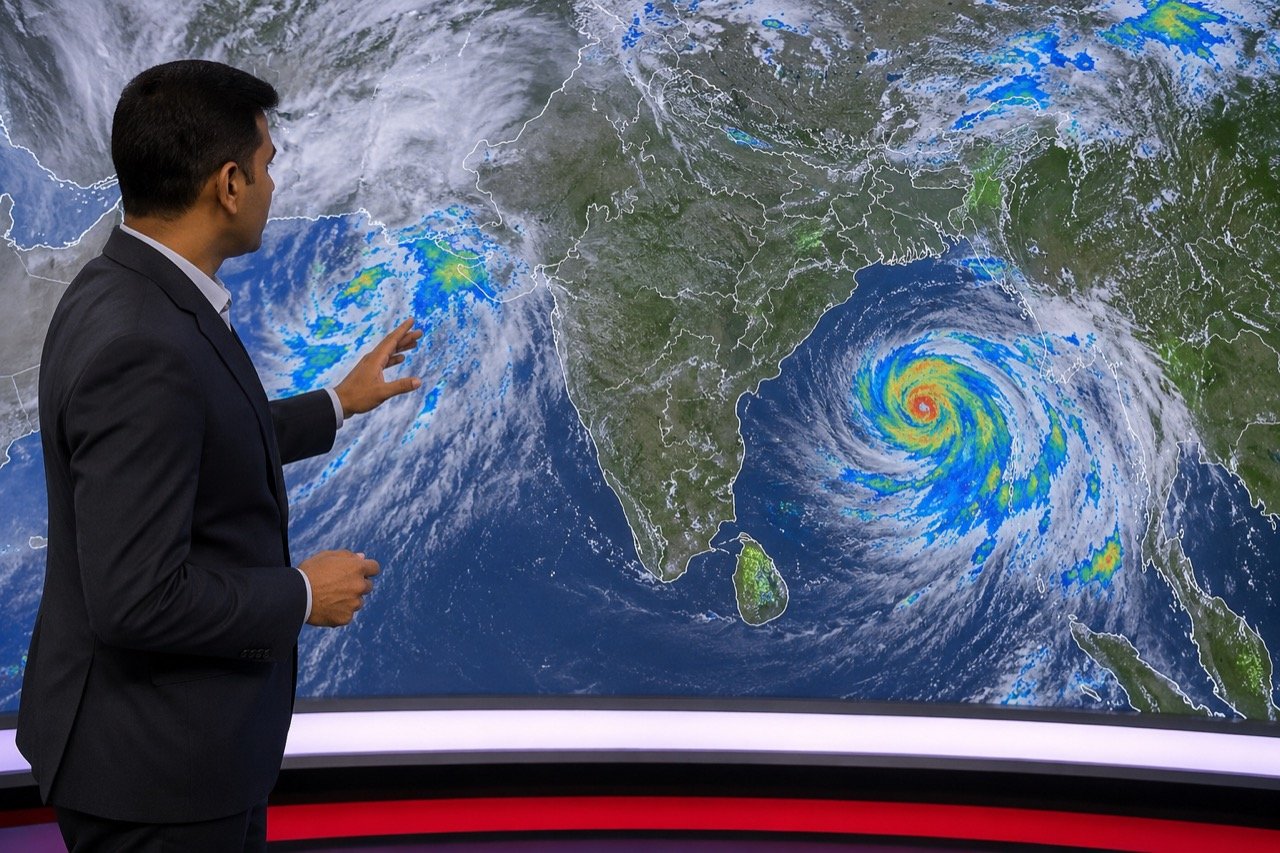
Bay of Bengal Low Pressure System Revives Monsoon Over Western India
A low-pressure system over the Bay of Bengal has pushed the monsoon back into an active phase, bringing steady heavy rain to Kerala, coastal Karnataka and Maharashtra, and putting Mumbai and Pune on preparedness watch.
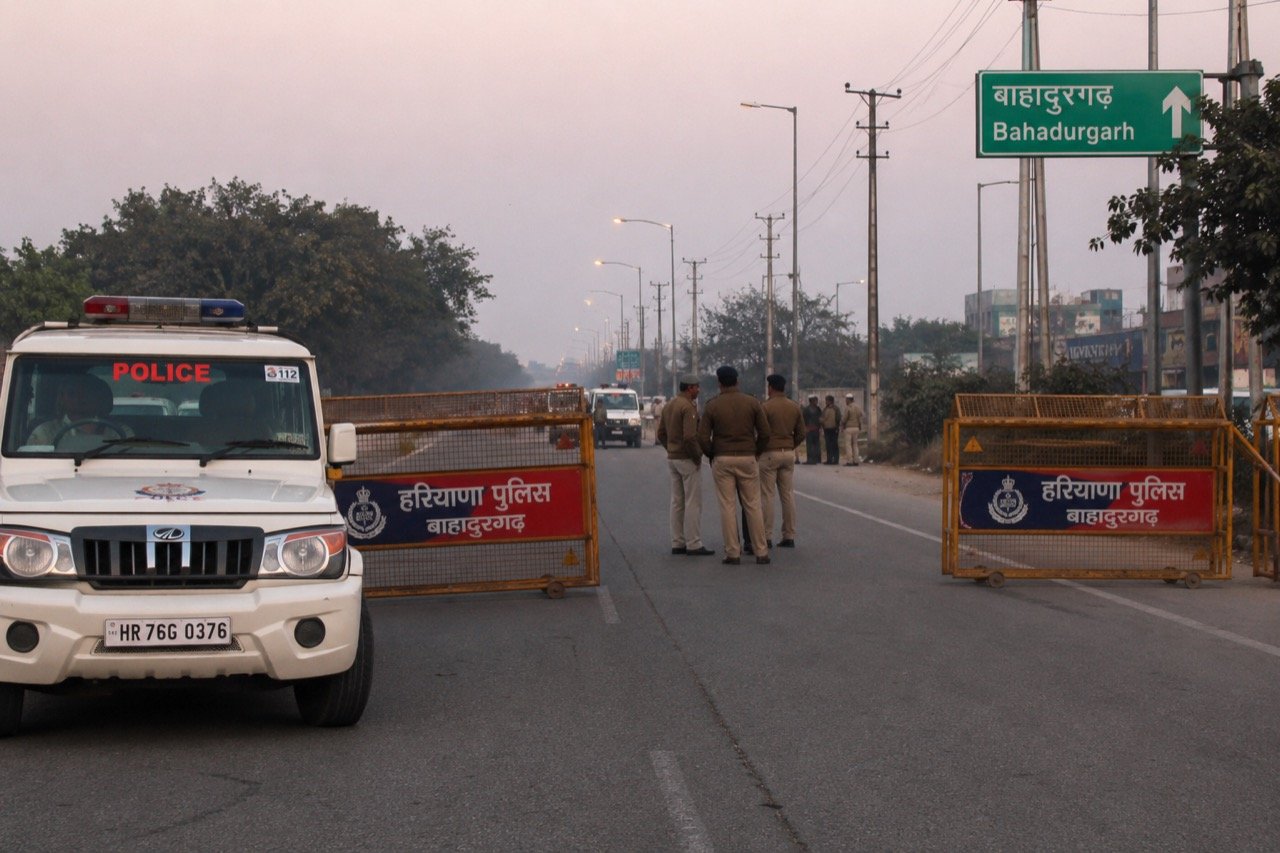
Bishnoi Gang Suspects Injured in Haryana Encounter as Police Tighten Net
A joint Haryana-Delhi Police operation in Bahadurgarh left two suspected Lawrence Bishnoi gang members injured, spotlighting the multi-state coordination now central to India's fight against organised crime networks.