US Appeals Court Refuses to Revive $100,000 H-1B Fee, in a Win for Indian Tech Workers
A US appeals court on 24 July 2026 refused to revive the $100,000 H-1B fee struck down in June, barring USCIS from collecting it during appeal — an interim win for Indian tech workers.
Commentary & Analysis ·
Key facts
- The 1st US Circuit Court of Appeals in Boston declined on 24 July 2026 to stay the ruling striking down the $100,000 H-1B fee
- District Judge Leo Sorokin vacated the fee on 8 June 2026, ruling it an unlawful tax that Congress never authorised
- A coalition of around 20 Democratic-led state attorneys general, led by California, filed the challenge in December 2025
- Judge Sorokin had temporarily allowed USCIS to keep collecting the fee until the appeals court ruled on the stay request
- India-born professionals received about 71 per cent of H-1B approvals in fiscal year 2024, roughly 283,000 petitions
A Reprieve for H-1B Hopefuls, Not a Final Resolution
The Boston-based 1st US Circuit Court of Appeals on 24 July declined to revive the Trump administration's $100,000 fee on new H-1B petitions, rejecting a request to put on hold the June ruling that struck the charge down as unlawful. The order means the government cannot collect the fee while its appeal proceeds, reports said.
A three-judge panel found that the administration had failed to show it was likely to succeed on appeal in demonstrating that it had not exceeded its authority by imposing the fee, according to Reuters. All three judges on the panel were appointed by Democratic presidents, a detail that may shape how the administration plays its remaining legal cards.
For Indian technology professionals, who account for roughly seven in ten H-1B approvals, it is the most consequential immigration development of the year so far. It is also, emphatically, an interim one.
How a Presidential Proclamation Ended Up in a Boston Courtroom
The fee traces back to a proclamation President Donald Trump signed on 19 September 2025, which imposed a $100,000 payment on new H-1B petitions on the stated ground of protecting American workers and curbing abuse of the programme. The announcement set off panic among visa holders and employers before officials clarified that it applied only to new petitions, not to renewals or people already holding the visa.
In December 2025, a coalition of around 20 Democratic-led state attorneys general, led by California, sued in the federal district court in Massachusetts. Their central argument was constitutional rather than narrowly procedural: a charge of this size, they said, was in substance a tax, and the power to levy taxes belongs to Congress, not the president.
What Judge Sorokin Actually Ruled
On 8 June 2026, District Judge Leo Sorokin agreed and vacated the fee in its entirety. He held that the $100,000 payment was an unauthorised tax rather than a regulatory fee, and that the immigration statutes do not delegate Congress's exclusive power to lay and collect taxes to the executive branch.
The judgment also found that the manner in which the fee was imposed, through a proclamation with immediate effect and no rulemaking process, violated the Administrative Procedure Act. Taken together, the ruling rested on both separation of powers and administrative law grounds, giving it two independent legs that the government must now knock out on appeal.
The Procedural Twist That Kept the Fee Alive
The June ruling did not immediately end collection, and the sequence matters for anyone tracking their own petition. Days after vacating the fee, Judge Sorokin temporarily stayed his own order, allowing US Citizenship and Immigration Services to keep assessing the charge until the appeals court could rule on the government's request for a longer stay, which was formally filed on 18 June.
That is why employers continued to face the $100,000 demand through June and July even though the fee had, on paper, been struck down. Immigration law firms, including Fragomen and Clark Hill, repeatedly cautioned clients during this window that the fee still applied pending appeal.
What Changes Now at USCIS
With the 1st Circuit declining a stay, that temporary reprieve for the government lapses. The practical effect, according to analyses published by immigration practitioners, is that USCIS is barred from assessing the $100,000 fee on H-1B petitions while the merits appeal plays out.
Two loose ends remain. First, USCIS had not, at the time of writing, issued fresh public guidance confirming how it will implement the order. Second, it is not yet clear whether employers who already paid the fee will receive refunds; practitioners say that question is likely to be settled only once the litigation concludes.
Why the Stakes Are Highest for Indians
No nationality has more riding on this case. India-born professionals received about 71 per cent of all H-1B approvals in the 2024 fiscal year, roughly 283,000 petitions, according to US government data cited in Indian business media. Computer-related occupations dominate the programme.
A $100,000 charge, equivalent to roughly Rs 87 lakh, effectively priced early-career Indian engineers out of new sponsorship. Employers could absorb such a cost for senior specialists, but not for fresh graduates or mid-level hires, which is precisely the pipeline through which most Indian professionals have historically entered the American labour market.
The timing matters too. The H-1B cap for fiscal year 2027 has already been reached, and the next registration window, for fiscal year 2028, is expected to open in March 2027. Whether the fee is dead or alive by then will shape how many petitions employers are willing to sponsor.
The Administration's Remaining Routes
The government is not out of options, and expectations in India should stay measured. The stay denial decides only what happens during the appeal, not the appeal itself; the 1st Circuit will still hear full arguments on whether Judge Sorokin got the law right.
Beyond that, the administration could ask the full appeals court to reconsider the panel's stay decision, or seek emergency relief from the US Supreme Court, a route it has used repeatedly in immigration disputes and where it has often fared better than in the lower courts. None of those steps had been announced, and officials had not commented on the ruling at the time of writing.
What to Watch Next
Several markers over the coming weeks will indicate where this litigation is heading.
The deeper point for Indian readers is that the courts have so far ruled on who may impose such a charge, not on whether America should have one. Congress could, in principle, legislate a steep H-1B fee tomorrow, and restrictionist sentiment in Washington has not receded. The 24 July order removes an immediate financial barrier; it does not settle the larger argument over high-skilled immigration, in which Indian workers remain the most exposed group.
- Whether the administration approaches the Supreme Court for an emergency stay, which would be the clearest signal that it intends to fight the interim ruling rather than wait for the merits decision.
- Fresh USCIS guidance on fee collection, and any word on refunds for employers who paid between June and July.
- The 1st Circuit's briefing and argument schedule for the merits appeal, which will determine whether a final appellate ruling lands before the March 2027 registration window.
Sources
- US News / Reuters - Boston appeals court rejects Trump administration bid to halt ruling against the $100,000 H-1B fee (24 July 2026)
- Bloomberg Law - First Circuit denies Trump bid to pause order tossing the H-1B fee (24 July 2026)
- Fragomen - Federal appeals court declines to stay lower court order vacating the $100,000 H-1B fee (25 July 2026)
- Clark Hill - Massachusetts court strikes down $100K H-1B fee; ruling partially stayed pending appeal (June 2026, background)
- Business Today - 71 per cent of H-1B approvals went to Indian nationals in FY2024 (19 June 2026, background)
This article is original news analysis and commentary by The NE Times, based on reporting from the sources listed above.
You may also like to read
Indian Worker Stabbed in Utah Religious Hate Attack as Police Investigate Attempted Murder
An Indian Muslim man working at a shopping mall near Salt Lake City was stabbed repeatedly in an attack that local police say was motivated by religion.
EU Leaders Gather In Brussels For Budget, Ukraine And US Trade Showdown
European Union heads meet for a high-stakes two-day summit covering the next long-term budget, Ukraine, Middle East fallout and a fresh vote on the EU-US trade deal.
US Citizenship Fee Hike Proposal Could Hit Indian Immigrants Hard
A proposed near-doubling of the US naturalisation fee, alongside the removal of waivers, threatens to reshape citizenship timelines and household budgets for one of America's largest immigrant communities.
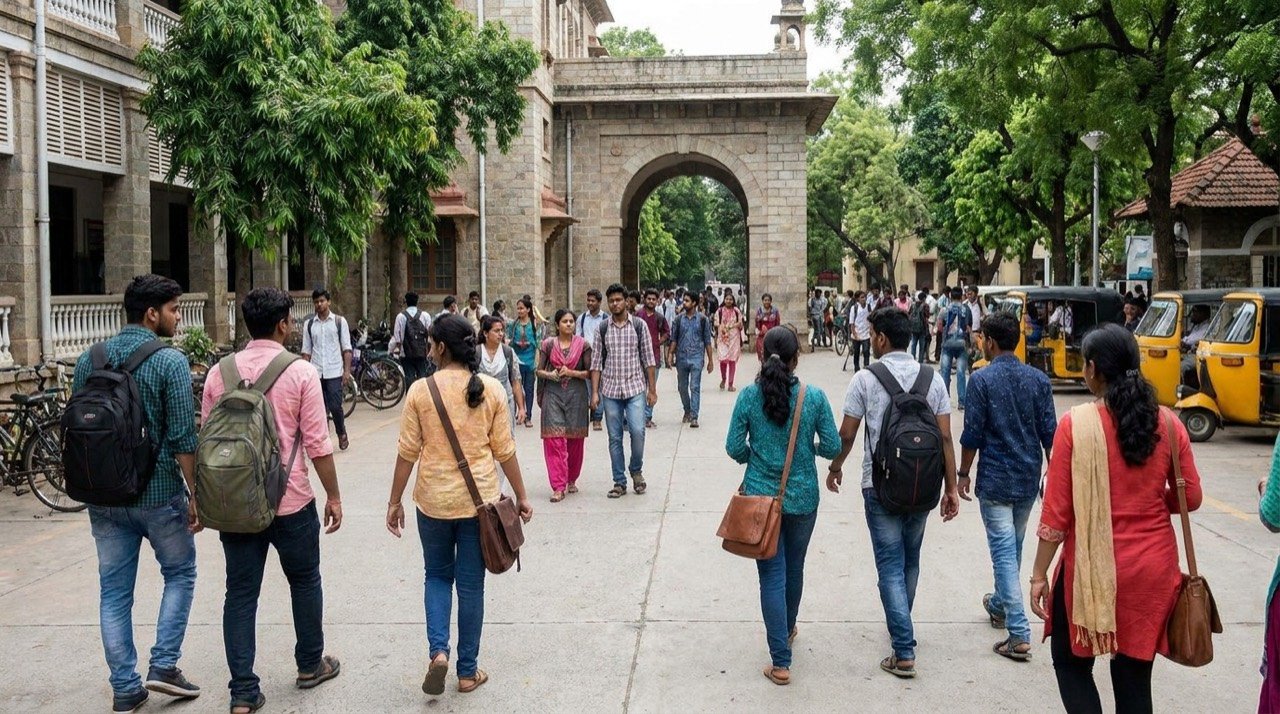
US Moves to End Open-Ended Student Stays, Putting 3.6 Lakh Indian Students on Notice
A US proposal to replace indefinite student status with fixed admission periods and a shorter post-study grace window threatens to reshape choices for the nearly 3.6 lakh Indians who form America's largest international student population.
More from this section
More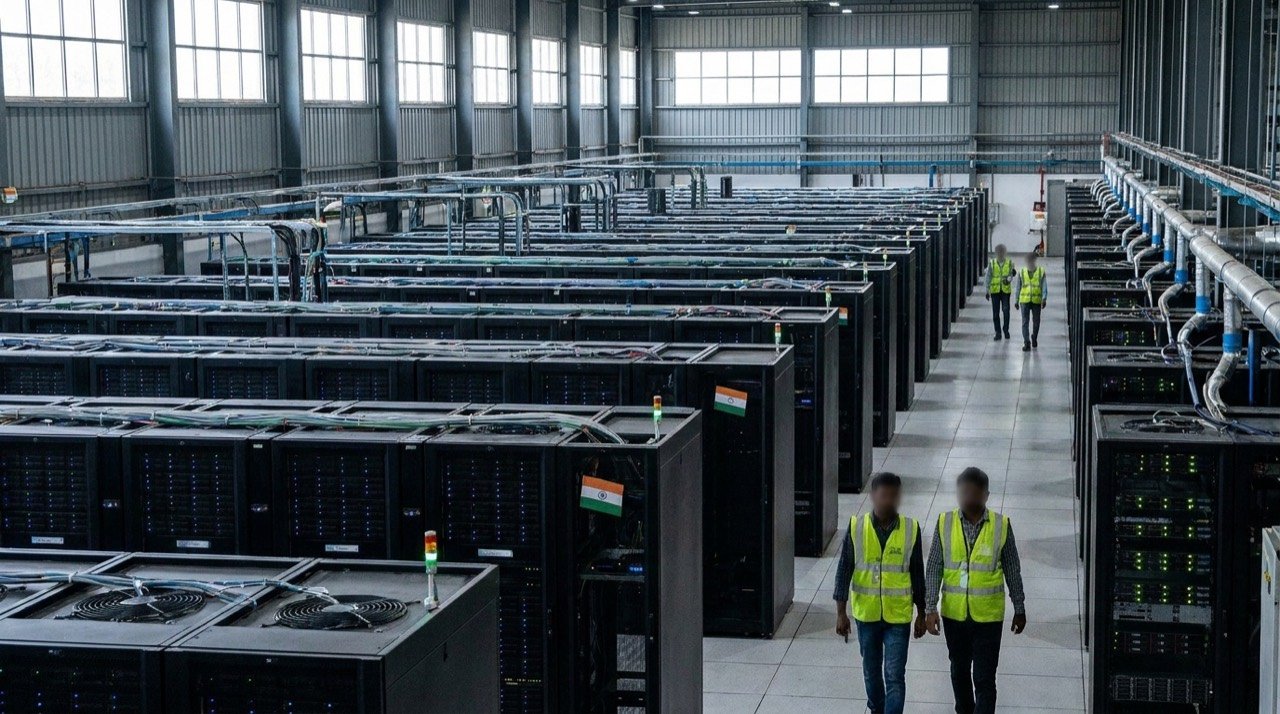
China's LineShine Dethrones US as World's Fastest Supercomputer, Sharpening India's AI Resolve
China has reclaimed the top spot on the global supercomputing rankings with an all-domestic machine running at over two exaflops, a milestone in the US-China tech contest that underscores why India is racing to build its own sovereign computing power.
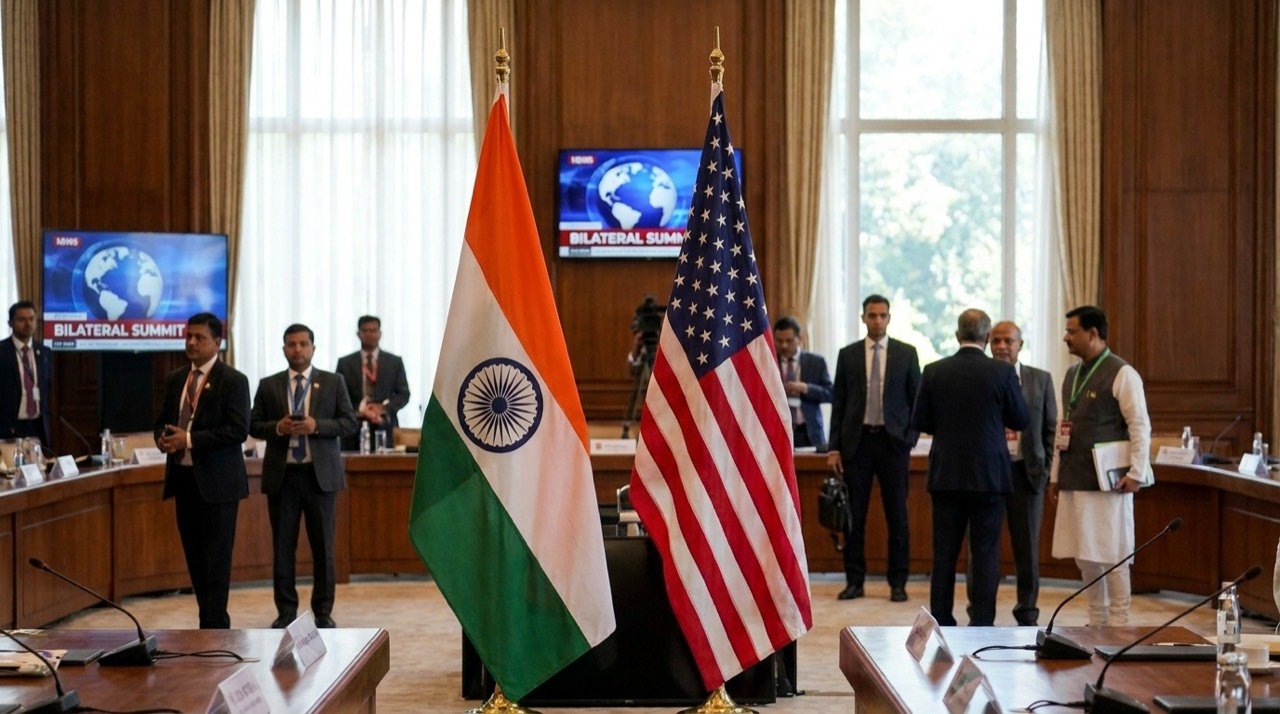
India and Canada Push to Seal the Reset, Targeting a Trade Pact by Year-End
Buoyed by personal rapport between Narendra Modi and Mark Carney, New Delhi and Ottawa are working to convert a fragile diplomatic thaw into a comprehensive trade agreement, with implications for students, professionals and the large Indo-Canadian diaspora.
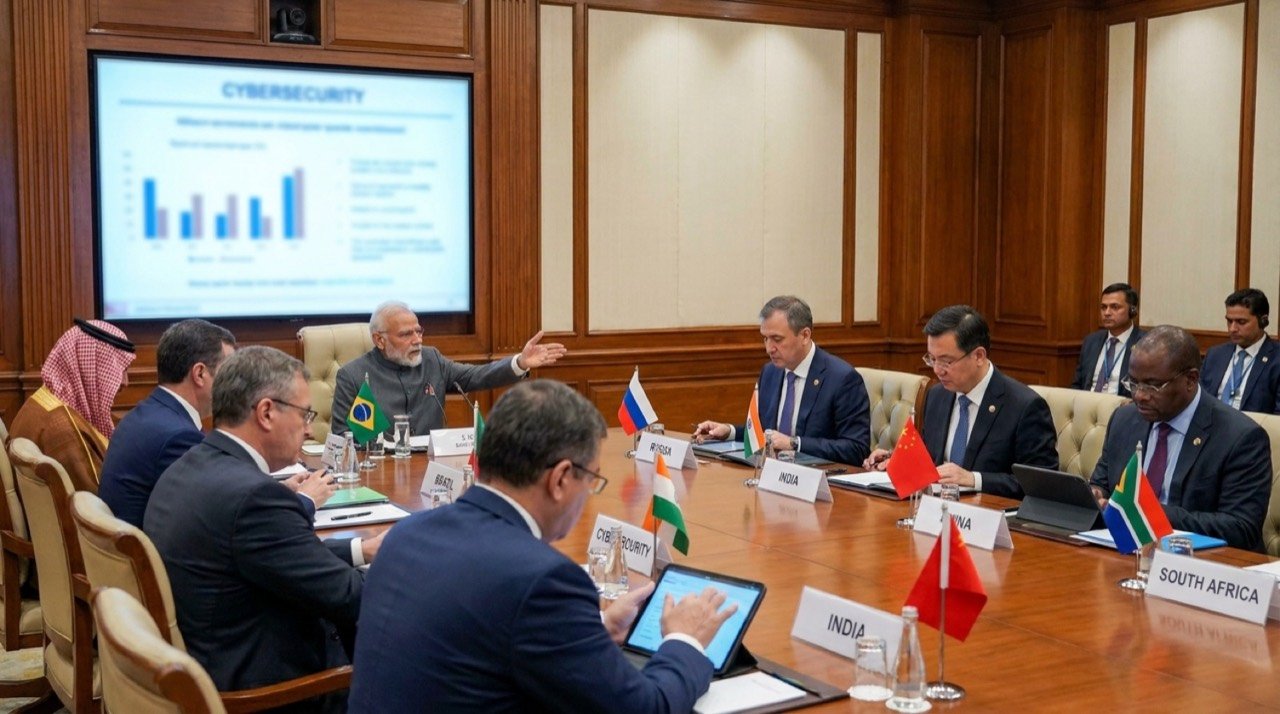
BRICS Security Advisers Meet in India With Tech Threats on Agenda
India is hosting the BRICS national security advisers' meeting chaired by Ajit Doval, placing cyber risks, counter-terrorism and ICT security at the centre of the run-up to the 2026 BRICS Summit.