Andhra Pradesh Reports 12 COVID-19 Cases and Four Deaths as Samples Go for Genome Sequencing
Twelve detected cases across several weeks and districts do not by themselves indicate a large outbreak.
Commentary & Analysis ·
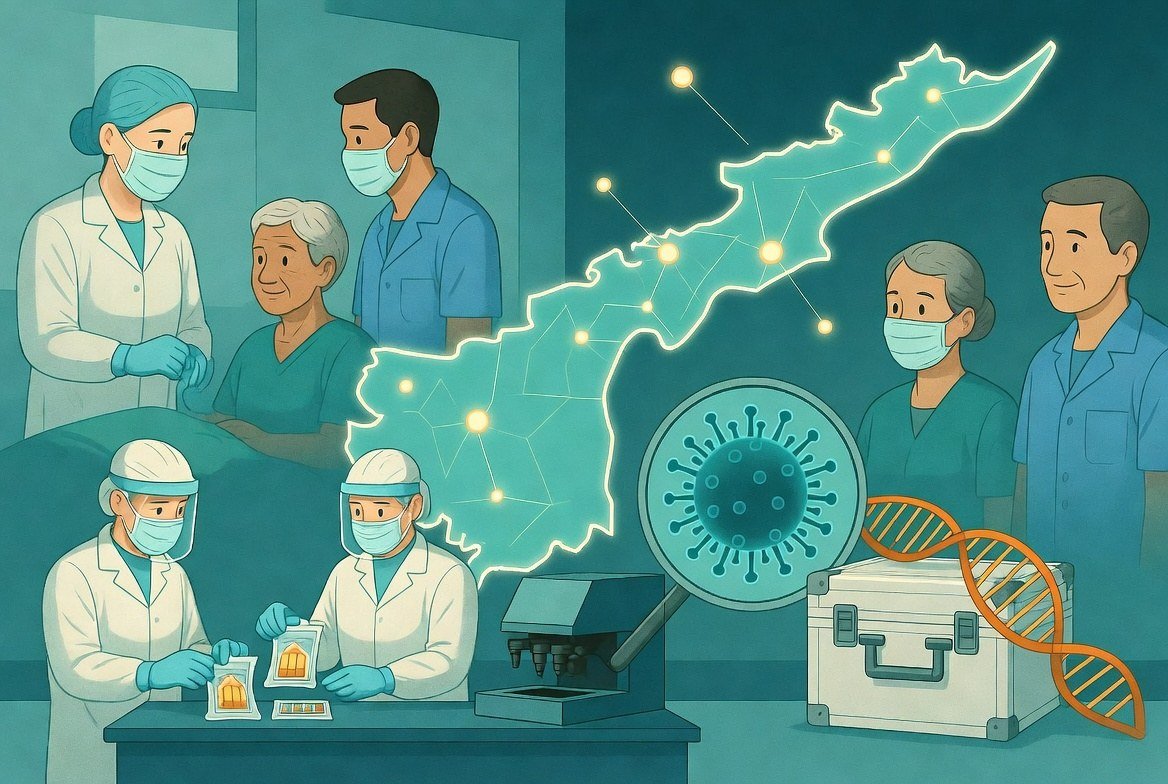
Key facts
- Andhra Pradesh reported 12 COVID-19 cases detected between June 26 and July 16, described in reports as the state's first recorded cases of 2026.
- Four deaths were reported among patients with severe underlying health conditions; officials did not describe a single geographic cluster.
- Cases were reported from districts including Kadapa, Guntur, Visakhapatnam and Kakinada.
- Five samples were sent to the National Institute of Virology in Pune for genome sequencing, and state officials said there was no reason for panic.
A small count that still deserves careful surveillance
Twelve detected cases across several weeks and districts do not by themselves indicate a large outbreak. The significance lies in renewed detection after a period with few or no reported cases in Andhra Pradesh. Respiratory viruses continue to circulate, and surveillance systems need to identify changes before hospitals experience pressure. Officials have emphasised that the cases are scattered rather than concentrated in one cluster. That is reassuring, but the number also depends on how much testing is occurring. When testing is limited mainly to people with severe symptoms or hospital admission, mild infections may not be counted. The appropriate response is neither panic nor indifference: confirm diagnoses, monitor hospital trends, protect vulnerable patients and communicate findings clearly.
Understanding the four reported deaths
The deaths require sensitive and precise reporting. Authorities said the patients had serious underlying health conditions, which can increase the risk from respiratory infection. That does not mean COVID played no role, and it does not mean every infected person faces the same danger. Cause-of-death assessment can involve multiple contributing conditions. Headlines that state only 'four COVID deaths' may create alarm without explaining the clinical context; headlines that dismiss the deaths because of comorbidities can minimise real loss. The most accurate approach is to report the official description, avoid speculation about individual medical histories and wait for any detailed health-department review. Families' privacy should be protected.
Why genome sequencing is being used
Genome sequencing identifies the genetic lineage of the virus in selected samples. It can show whether cases belong to a known variant or contain changes that merit closer monitoring. Sending five samples to the National Institute of Virology is a standard surveillance step, not proof that officials have found a dangerous new strain. Most genetic changes have little effect on disease severity or transmission. Public communication should make that distinction because the phrase 'sent for sequencing' can be misread as an emergency signal. Results become important when combined with epidemiological evidence such as rapid spread, unusual symptoms, vaccine escape or increased hospitalisation. Until then, sequencing is part of routine scientific vigilance.
Scattered districts and the question of transmission
Reports place cases in Kadapa, Guntur, Visakhapatnam and Kakinada, suggesting that detection is geographically dispersed. Scattered cases can arise from separate introductions, routine community circulation or travel. Without detailed contact tracing and sequence results, it is not possible to declare a common source. Health departments may review recent travel, household contacts and hospital exposure, but public disclosure must protect identity. The absence of a cluster lowers immediate concern about a single superspreading event, yet it also means surveillance should continue across the state rather than focus on one locality. Wastewater monitoring, sentinel hospital testing and laboratory reporting can provide a broader picture than individual case counts.
Who should take extra precautions
People at higher risk include older adults, those with weakened immunity and individuals with significant heart, lung, kidney or metabolic conditions. They may wish to discuss vaccination and early treatment plans with a qualified clinician, particularly if local health authorities issue updated guidance. Anyone with respiratory symptoms should avoid close contact with vulnerable people and follow current public-health advice on testing and masking in healthcare or crowded settings. These are proportionate precautions, not a return to emergency restrictions. Medical decisions should be based on individual circumstances and official guidance, not viral social-media claims. This article is informational and cannot replace professional diagnosis or treatment.
Hospitals need readiness without alarm
A small number of cases is the right time to check oxygen systems, isolation practices, testing access and antiviral supply because preparation is easier before demand rises. Hospitals also need to protect staff and prevent infection among patients already admitted for other conditions. Readiness does not imply that a surge is inevitable. It is the routine discipline of managing an endemic respiratory threat. Authorities can reassure the public by publishing indicators such as hospital admissions, intensive-care use and test positivity rather than relying only on cumulative case counts. Those measures are more directly connected to health-system pressure.
The communication challenge after the pandemic
COVID news now triggers two opposite reactions. Some people become highly anxious, while others reject any warning because they are exhausted by years of crisis messaging. Public-health agencies need a middle path: timely facts, clear uncertainty and practical advice. Statements such as 'no need to panic' are useful only when accompanied by information about what is being monitored and when the public will be updated. Officials should avoid unexplained delays in sequence results, and news outlets should not use old images of overwhelmed hospitals unless they accurately represent current conditions. Trust depends on proportionate communication.
What to watch next
The most relevant next developments are the sequencing results, any rise in hospital admissions, whether new cases cluster around institutions or households and whether neighbouring states report a similar pattern. One week of additional surveillance may reveal more than the initial count. If cases remain low and clinical severity does not change, the episode may represent ordinary background circulation. If hospital indicators rise, authorities can escalate testing and protection measures. For now, the evidence supports vigilance rather than fear. The public should rely on state health bulletins and recognised medical guidance, especially because false claims about variants and treatments spread quickly when a new case count appears.
Sources
- India Today, The New Indian Express and The Economic Times reports on Andhra Pradesh's detected cases, deaths and sequencing, July 17, 2026.
- Andhra Pradesh Health Department and National Institute of Virology updates should be used for subsequent case totals and variant findings.
This article is original news analysis and commentary by The NE Times, based on reporting from the sources listed above.
You may also like to read
Dengue Loosens Its Grip on the Monsoon as India Reports Early Cases
Health officials say the once-predictable rainy-season cycle of dengue is blurring, with infections surfacing earlier in the year and surveillance now stretching across almost all twelve months.
CDSCO Flags 159 Substandard Drug Samples in May, One Found Spurious
India's drug regulator CDSCO has marked 159 medicine samples as not of standard quality for May 2026, with one declared spurious, renewing scrutiny of batch-level quality control across the pharmaceutical supply chain.
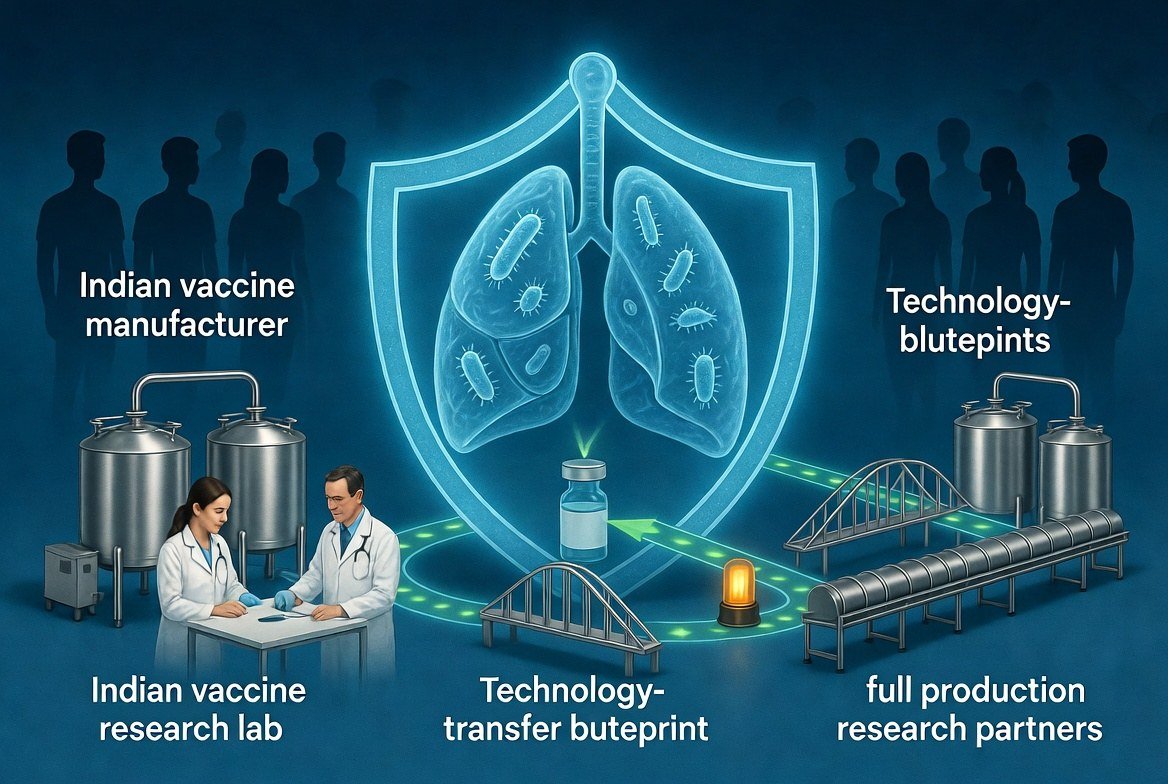
Serum Institute and Gates MRI Agree to Manufacture the M72 Tuberculosis Vaccine Candidate Pending Phase 3 Success
The Serum Institute–Gates MRI agreement is unusual enough to require careful explanation.

Jharkhand Teen Dies During Fracture Treatment; CM Orders Probe
The death of a Jharkhand teenager during treatment for a reported fracture has led to family allegations of medical negligence and an official probe ordered by the Chief Minister into what went wrong.
More from this section
More
Aarogya Setu 2.0 Returns as India's Personal Health Record App
The pandemic-era contact tracing app has been relaunched as a personal health record platform, betting that portable medical data can find a place in India's growing digital health ecosystem.
India Bets on AI to Catch the Next Outbreak Under One Health Mission in 2026
Drawing on the hard lessons of COVID-19, the ICMR is inviting proposals for AI systems to detect emerging pathogens across people, animals and the environment, in a bid to predict outbreaks rather than react to them.
Maharashtra Orders Statewide Blood Centre Checks After FDA Shutdowns
After the Food and Drug Administration shut two blood centres, Maharashtra has ordered inspections of every facility in the state, putting blood-bank safety, licensing and public trust in health infrastructure under fresh scrutiny.