World Bank Approves $1.5 Billion to Back India's Reforms and Jobs
The World Bank's $1.5 billion development policy loan aims to support structural reforms, private-sector growth and job creation as millions of young Indians enter the labour market each year.
Commentary & Analysis ·

The World Bank has approved $1.5 billion in financing for India under a development policy operation designed to support structural reforms, private-sector growth and job creation. The loan lands at a moment when the central economic question facing the country is not headline growth, which remains among the fastest in the world, but whether that growth can generate enough quality jobs for the millions of young Indians joining the workforce every year.
How Development Policy Financing Works
Unlike project loans tied to a specific bridge, plant or programme, a development policy operation disburses against policy actions a government commits to undertake. The money is fungible budget support; its leverage lies in the reforms it is attached to. In practice that means the financing rewards changes to regulation, investment rules and business processes rather than directly funding factories or training centres.
That distinction matters for managing expectations. As the Bank itself frames it, the financing does not create jobs by itself. Its importance lies in backing the policy changes that can make investment, regulation and business expansion easier, lowering the friction that has historically slowed private hiring.
The Demographic Challenge
India's so-called demographic dividend depends on absorbing a vast and growing labour force into productive employment. With millions entering the job market annually, the gap between economic output and formal job creation has become the defining policy test, and a recurring theme in both government planning and multilateral assessments of the economy.
The reform agenda the loan supports is meant to address that gap from the supply side, easing the conditions under which firms invest and scale up. Whether it translates into measurable employment gains will depend on implementation across states, where much of the regulatory burden on business actually sits.
What to Watch Next
Analysts will track which specific reforms are tied to the disbursement and how progress is monitored, since the credibility of policy lending rests on delivery. The headline figure is significant, but the substance is in the conditions.
- $1.5 billion approved under a development policy operation
- Targets structural reforms, private-sector growth and job creation
- Budget support tied to policy actions, not specific projects
- Framed around the challenge of millions of young job-seekers annually
- Outcomes depend on state-level implementation of reforms
“The financing does not create jobs by itself; its value is in backing the reforms that make investment and business expansion easier.”
— World Bank programme description
For India, the loan is both an endorsement and a prod, signalling confidence in the reform direction while keeping pressure on follow-through. The outlook now turns on execution: if the policy changes the financing underwrites are implemented with pace and consistency, the country stands a better chance of converting strong growth into the jobs its young population needs. If reforms stall, the money will have bought goodwill but little lasting employment.
The NE Times View
Concessional capital is useful, but $1.5 billion is marginal against an economy of India's size; the real value of such loans is the reform conditionality and signalling, not the cash. The binding constraint remains jobs for the millions entering the workforce yearly, which formal-sector growth still fails to absorb. Borrowing to back reform is fine. The reform itself, not the loan, is what to scrutinise.
This article is original commentary and analysis by The NE Times. Background facts were referenced from the World Bank and Business Standard.
You may also like to read

Emirates NBD's $3 billion RBL Bank deal nears close, set to be India's biggest banking FDI
The Dubai lender's capital infusion would hand it control of the Indian private bank and reshape the contours of foreign ownership in the sector.
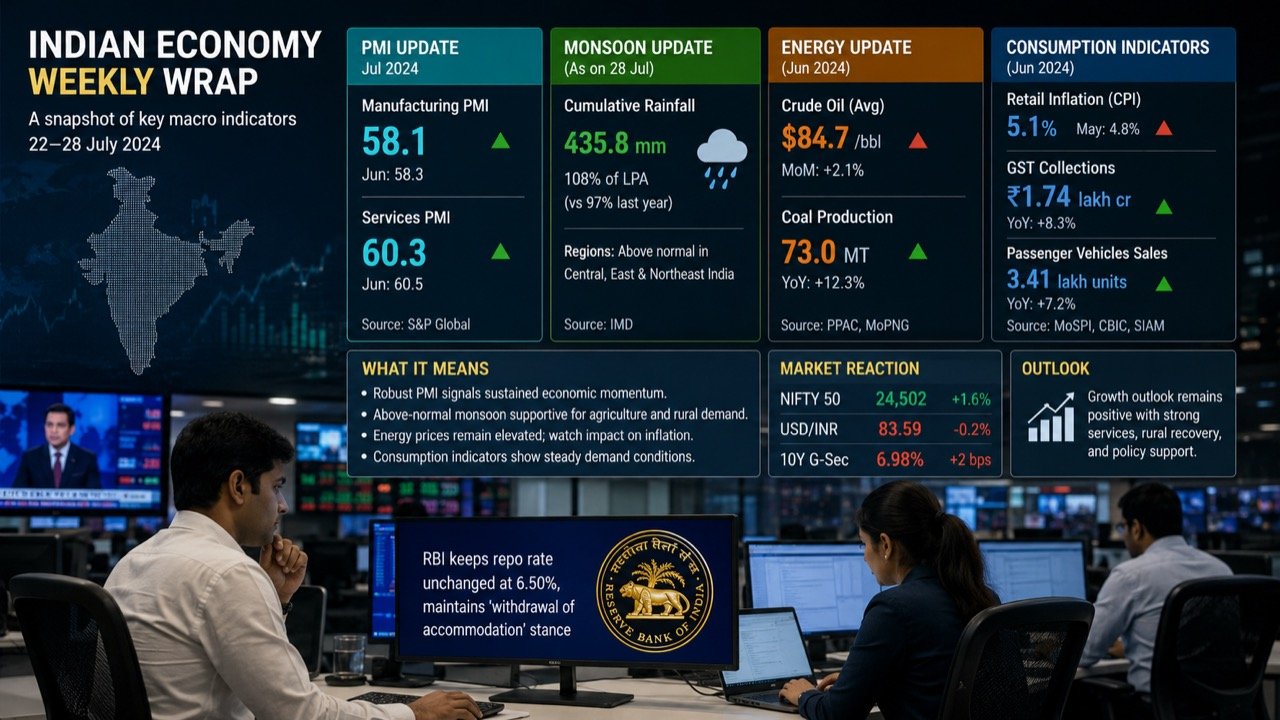
India Economy This Week: Energy Relief, PMI and Monsoon Demand
India's near-term growth picture is being read through a dashboard of indicators this week, with energy costs, PMI activity readings and monsoon-linked rural demand each pulling the conversation in different directions.
OPEC+ Agrees Bigger August Output Hike: What It Means for Oil Prices
OPEC Plus members have signed off on a larger production increase for August, a supply-side shift that puts crude benchmarks, India's import bill and fuel-linked costs firmly back in the market spotlight.

FMCG Demand Outlook Brightens on Rural Recovery and Stable Prices
Consumer goods companies are turning more upbeat as rural demand recovers, input costs hold steady and everyday purchases pick up, offering a telling read on the health of Indian household spending.
More from this section
More
Adani Case: US DOJ Pushes for Permanent Dismissal of Charges
The US Department of Justice has urged a judge to permanently dismiss charges against Gautam Adani, calling the case legally flawed — a reversal with consequences for markets, diplomacy and cross-border enforcement.

Akasa Air Inducts 40th Aircraft in Indian Aviation Scale-Up
Akasa Air's 40th aircraft, ferried to Bengaluru via Seattle, Reykjavik and Cairo, marks a fleet milestone for the young carrier and a fresh signal that India's aviation market remains firmly in expansion mode.

BARC Ratings Suspension Leaves Indian TV Industry Flying Blind
BARC's pause on television ratings has put India's broadcast measurement system under fresh scrutiny, leaving broadcasters, advertisers and media planners without the weekly audience data that anchors the TV economy.