WMO Flags Rapid El Nino Risk, Putting India's Monsoon On Watch
A World Meteorological Organization warning that El Nino could develop rapidly between July and September has revived concerns about below-normal rainfall over the Indian subcontinent and its economic ripple effects.
The NE Times National Desk
Commentary & Analysis ·
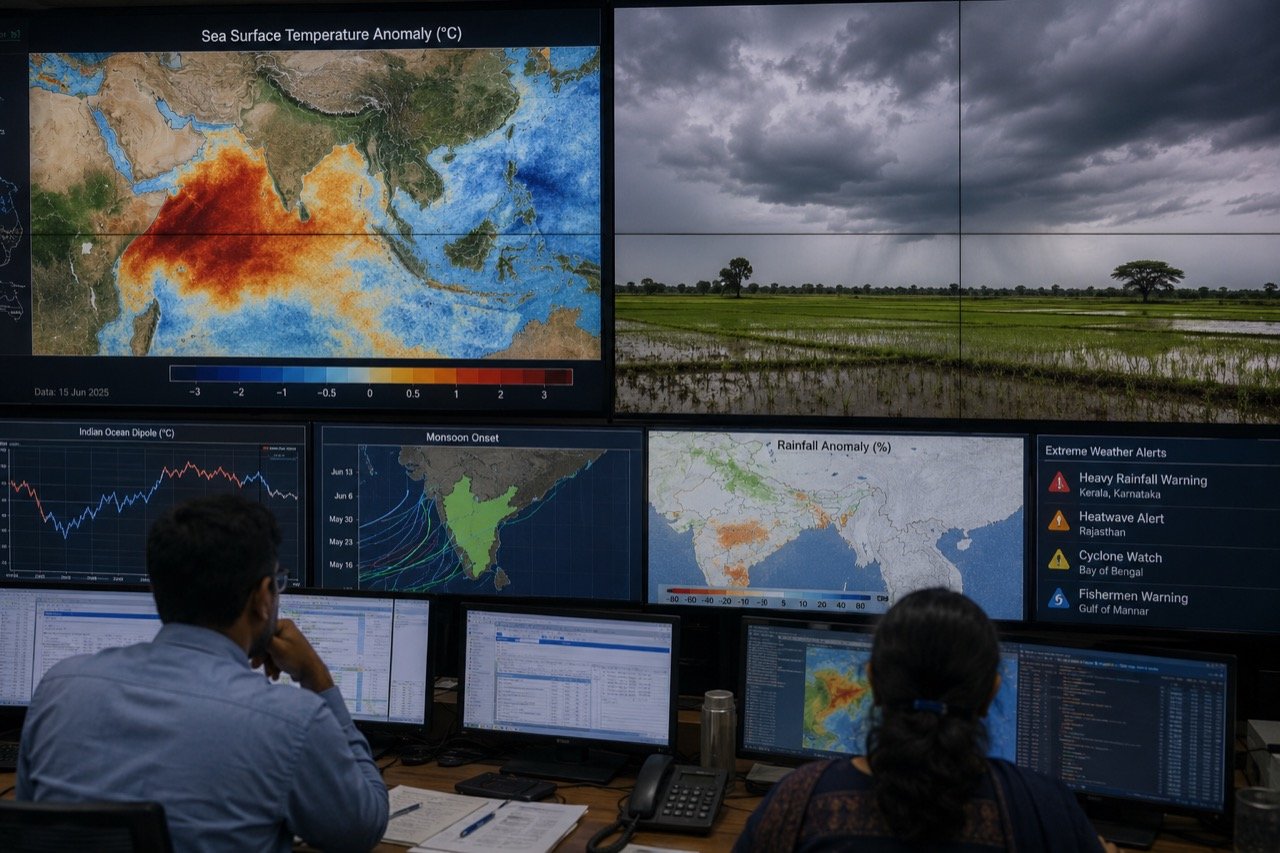
A warning from the World Meteorological Organization that El Nino conditions could develop rapidly during July-September has become one of the most consequential weather stories for India this season, with reports linking the development to a risk of below-normal rain over the subcontinent.
The stakes extend well beyond meteorology. Monsoon rainfall feeds into sowing decisions, rural incomes, reservoir storage, food inflation and even power demand, which is why an ocean-warming pattern thousands of kilometres away in the Pacific commands attention in Delhi.
What El Nino means for Indian rainfall
El Nino refers to a warming of the central and eastern Pacific that can reshuffle global weather patterns. For India the relationship is important but not mechanical: weak monsoons have coincided with El Nino years, yet rainfall here also depends on the Indian Ocean Dipole, low-pressure systems, the behaviour of the monsoon trough and regional circulation.
That is why the WMO's alert is best read as a risk signal rather than a drought forecast. Deterministic conclusions at this stage would outrun the science.
The signals to track from here
The genuinely informative updates will come from India Meteorological Department forecasts, the spatial distribution of rainfall as the season progresses, and reservoir level data. For now, the warning is a prompt for close monitoring, not panic.
The NE Times View
India's real vulnerability to El Nino is less about total rainfall than about preparedness for its uneven distribution. A season can end statistically 'near normal' while leaving specific districts parched at sowing time, and that is where crop losses and price spikes are born. The sensible response to this warning is administrative, not rhetorical: contingency crop plans, honest reservoir accounting and early communication to farmers about seed and sowing options. If states treat the WMO's alert as a rehearsal trigger rather than a headline, the country will be far better placed whether or not El Nino fully materialises.
This article is original commentary and analysis by The NE Times. Background facts were referenced from Times of India and Indian Express.
You may also like to read
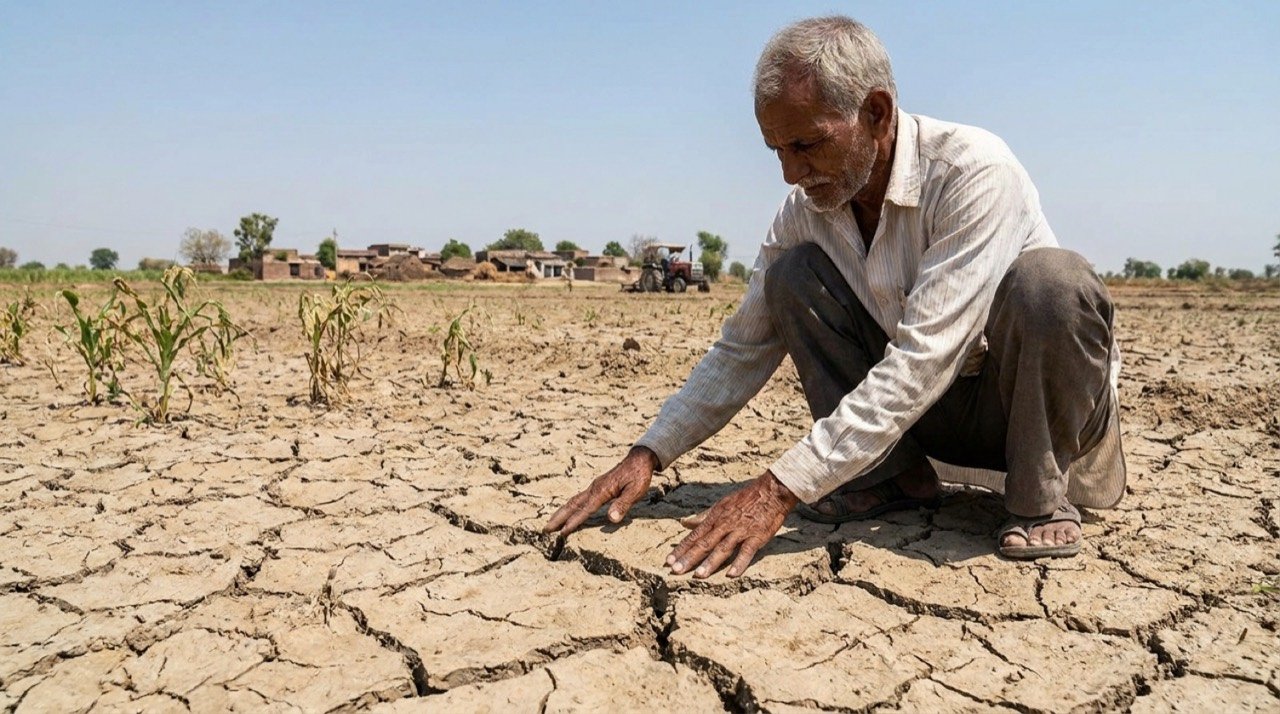
El Nino Risk Flags 111 Districts for Monsoon Deficit Worry
A fresh assessment has identified 111 districts as highly vulnerable to an El Nino-linked monsoon deficit, with Maharashtra and Madhya Pradesh accounting for a large share and farm incomes at stake.
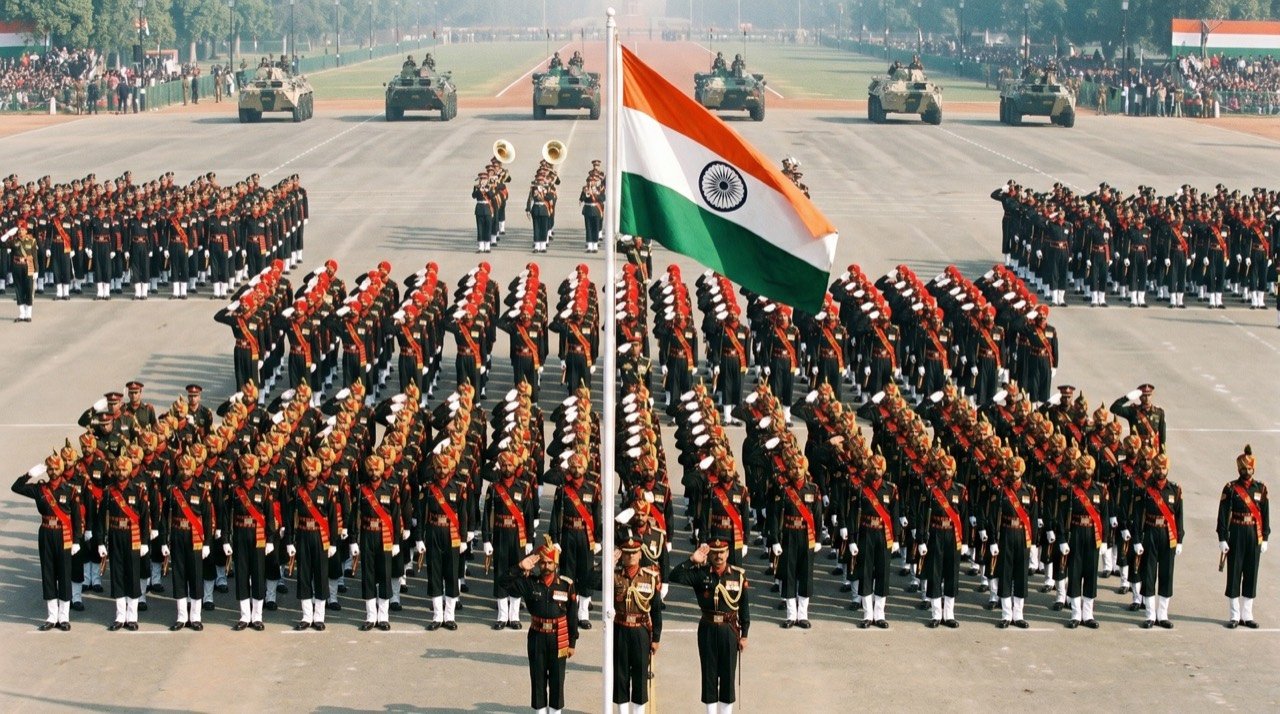
Monsoon advances across the country in June, but IMD warns of a below-normal season
After reaching Kerala on 4 June, the southwest monsoon has spread into eastern and central India, even as the weather office trims its seasonal rainfall forecast to 90% of the long-period average.
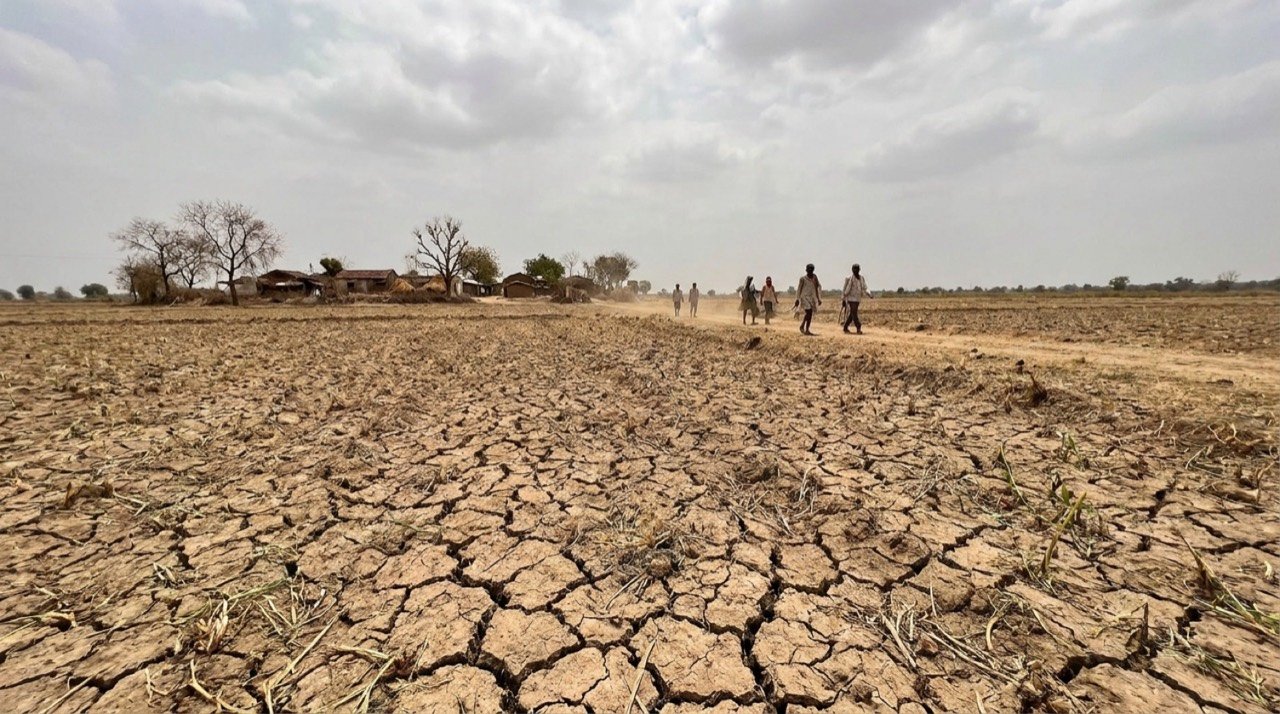
Monsoon Deficit Triggers Farm Contingency Mapping Across 315 Districts
A weak June monsoon, with the rain deficit reported at 43 percent, has pushed the Centre to map 315 districts for contingency measures and tighten oversight of kharif sowing.
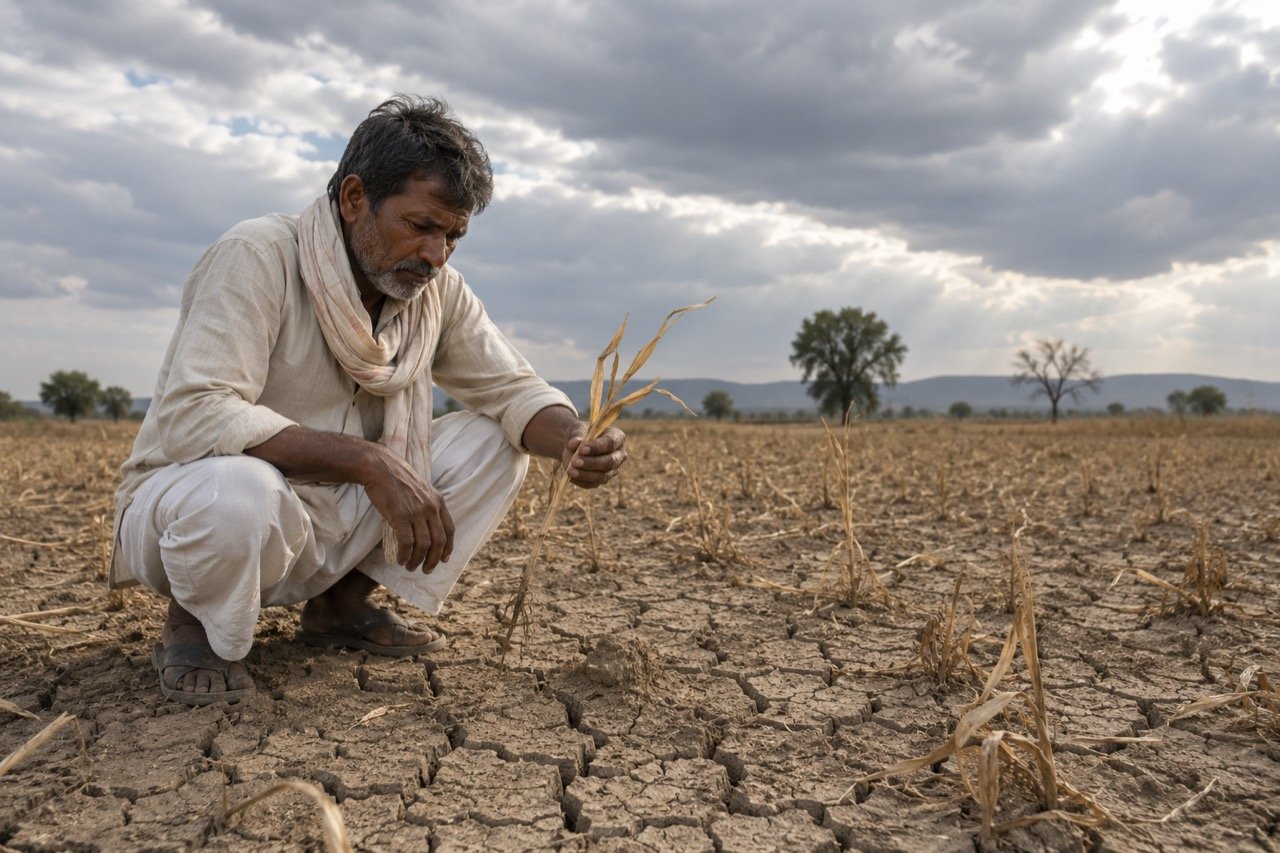
Drought Spreads Across India, Deepening Distress for Farmers
Drought conditions are extending across parts of India, compounding stress for farmers already grappling with uncertain rainfall, rising input costs and difficult sowing decisions at a critical point in the season.
More from this section
More
Ahmedabad Bullet Train Station Gets Kite-Inspired Multimodal Hub Plan
Ahmedabad's bullet train station is set to be developed as a multimodal transport hub with a kite-inspired design, giving India's high-speed rail project a distinctive urban landmark rooted in local identity.
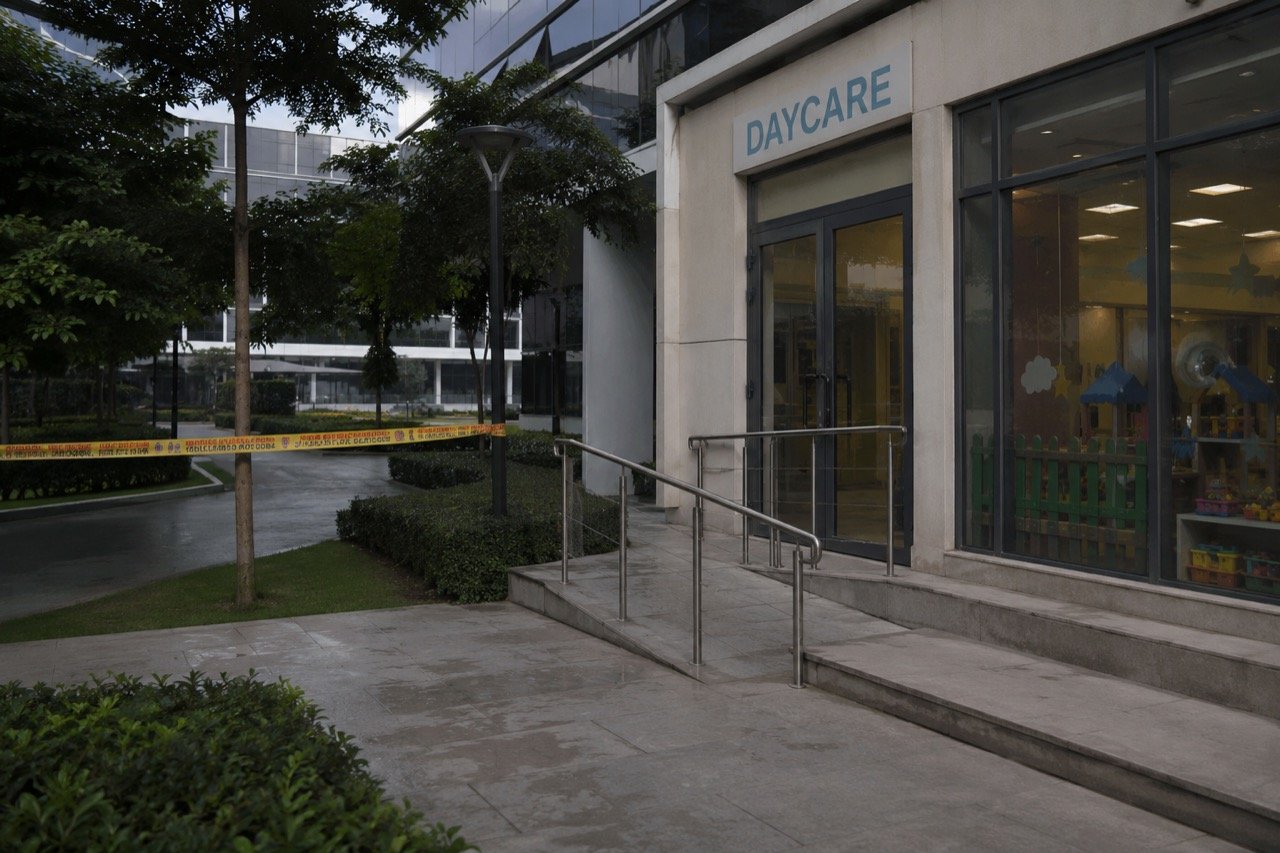
Arrest in Bengaluru Daycare Case Deepens Child Safety Questions
Bengaluru police have arrested a woman connected to the daycare case at a Capgemini campus facility, sharpening scrutiny of caregiver vetting, oversight and accountability at workplace-linked childcare centres.

Assam Case Shows PAN and Voter Cards Are Not Citizenship Proof
A man declared a foreigner in Assam despite holding multiple identity documents has highlighted a crucial legal distinction: everyday IDs establish identity, not citizenship, when a person's legal status is challenged.