TVF's 'The Pyramid Scheme' Turns the Lure of Easy Money Into a Prime Video Drama That Divides Critics
Set in Haridwar and led by Paramvir Singh Cheema and Ranvir Shorey, The Viral Fever's scam saga premiered on Prime Video on June 5 to a sharply split critical response.
Commentary & Analysis ·
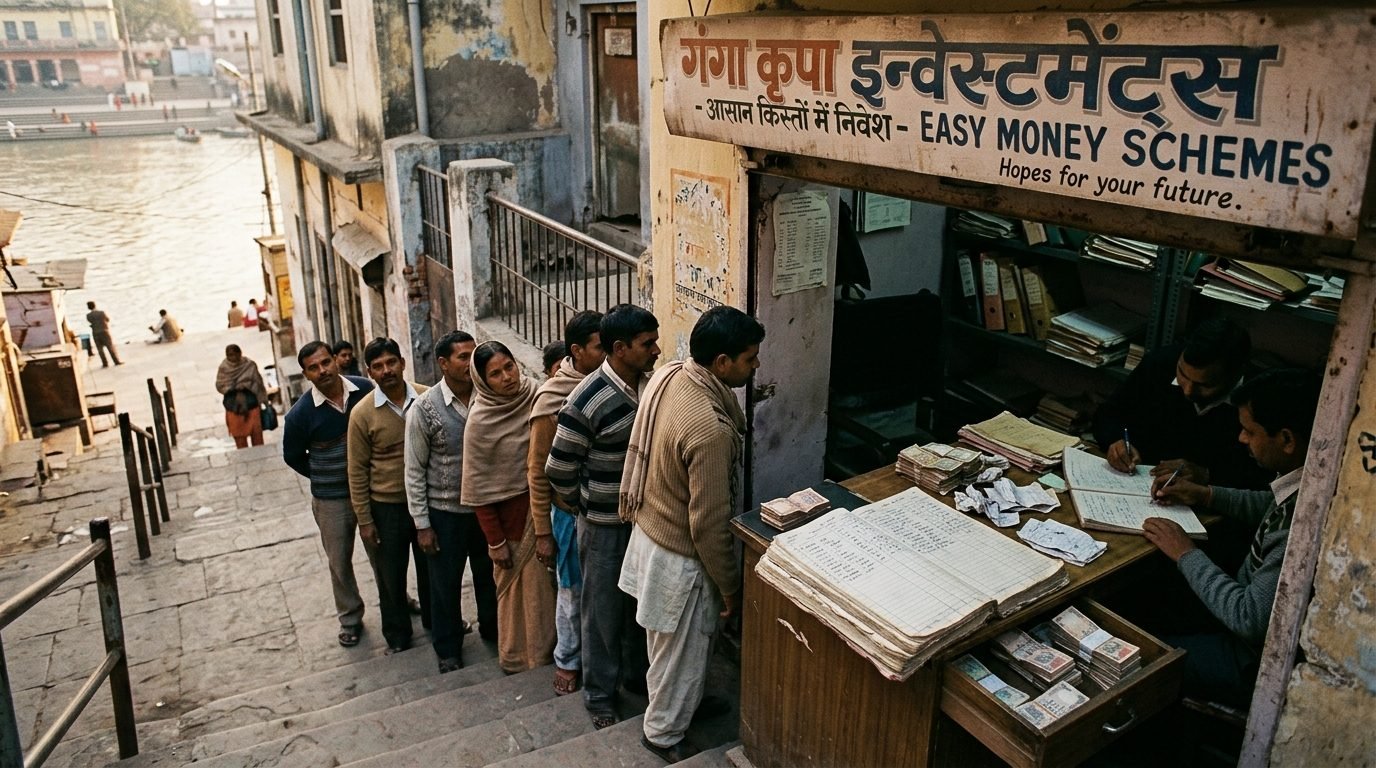
There is a particular kind of Indian dream that television has rarely examined head-on: the promise of getting rich quickly, sold door to door by people who believe it themselves. The Viral Fever, the studio behind some of the country's most beloved streaming comedies, has built an entire series around that promise. The Pyramid Scheme arrived on Prime Video on June 5, trading TVF's familiar warmth for something more uneasy.
Set in Haridwar, the seven-episode first season follows a young man pulled into the seductive machinery of a multi-level marketing operation, where recruitment masquerades as opportunity and friendship doubles as a sales funnel. Paramvir Singh Cheema leads the cast, with Ranvir Shorey providing the show's slippery, charismatic counterweight as the dream is packaged and sold to a vulnerable middle class.
A familiar studio in unfamiliar territory
TVF made its name on relatable, gently comic portraits of everyday strivers, and parts of that DNA survive here. The show opens in a humorous register, mining the absurdity of the motivational seminars and aspirational patter that fuel pyramid selling. But the tone darkens as the episodes progress, shifting from satire toward something closer to a cautionary tale about debt, desperation and the cost of chasing shortcuts.
The central pairing has drawn consistent praise. Cheema gives the protagonist a wide-eyed believability, while Shorey lends the operation its sinister polish, the kind of man who can make a transparent con sound like sound financial advice. Together they make the hustle feel uncomfortably human, which is precisely the point.
Critics can't agree
The reception has been genuinely divided. Some reviewers have called it a smart, increasingly tense drama that captures the psychology of why intelligent people fall for schemes built on hope, awarding it ratings in the region of three and a half stars. Others have been far harsher, describing it as a soulless stab at scam culture that never quite decides whether it wants to be a comedy, a thriller or a morality play.
A recurring criticism concerns pacing. Several critics found the middle stretch repetitive, the same recruitment beats recurring without escalation, before a late twist restores some urgency. The consensus, such as it is, lands on a series with a strong premise and committed performances that does not always trust its own material.
Why the subject resonates now
The timing gives the show an edge. Financial fraud, get-rich schemes and the social-media gloss that lubricates them have become a persistent feature of Indian life, and a drama that dramatises the human wreckage of MLM culture taps directly into that anxiety. The strongest moments are the ones that strip away the spectacle to show ordinary people rationalising their way into ruin.
- Platform: Prime Video, streaming from June 5
- Episodes: Seven, comprising the first season
- Lead cast: Paramvir Singh Cheema and Ranvir Shorey
- Setting: Haridwar, against the backdrop of a multi-level marketing operation
- Studio: The Viral Fever (TVF)
The outlook
For TVF, the series is a deliberate step outside its comfort zone, and the mixed verdict suggests the transition is not yet seamless. Whether audiences embrace a darker, more anxious register from a studio synonymous with feel-good storytelling will determine if The Pyramid Scheme earns a second season. As a conversation-starter about the economics of false promises, however, it has already done part of its job.
The NE Times View
TVF mining the psychology of get-rich-quick schemes is timely in a country where investment frauds and Ponzi traps routinely devour middle-class savings. A divided critical response suggests ambition outrunning execution, but the subject deserves the screen time. If the drama makes even some viewers sceptical of the next too-good-to-be-true pitch, it will have earned its place.
This article is original commentary and analysis by The NE Times. Background facts were referenced from The Hollywood Reporter India and Pinkvilla.
You may also like to read

Prime Video Bets on the Daily Grind: 'Alliance' Becomes Its First-Ever Worldwide Daily Reality Show
Premiering June 26 across 240 territories with Kunal Kemmu as host, the John de Mol-created strategy format drops a fresh episode every day, testing whether streaming audiences will commit to appointment viewing again.

'Panchayat' Season 5 Heads to Prime Video on the Back of Record Numbers
With Season 4 having delivered the franchise's biggest-ever opening and trended in dozens of countries, Prime Video has confirmed the Mishra family's Phulera saga will return in 2026.

OTT Releases This Week: What to Watch June 22–28, 2026
Indian streaming viewers face a packed release window this week, with new films, web series and returning seasons across Netflix, Prime Video, JioHotstar and more for June 22–28.
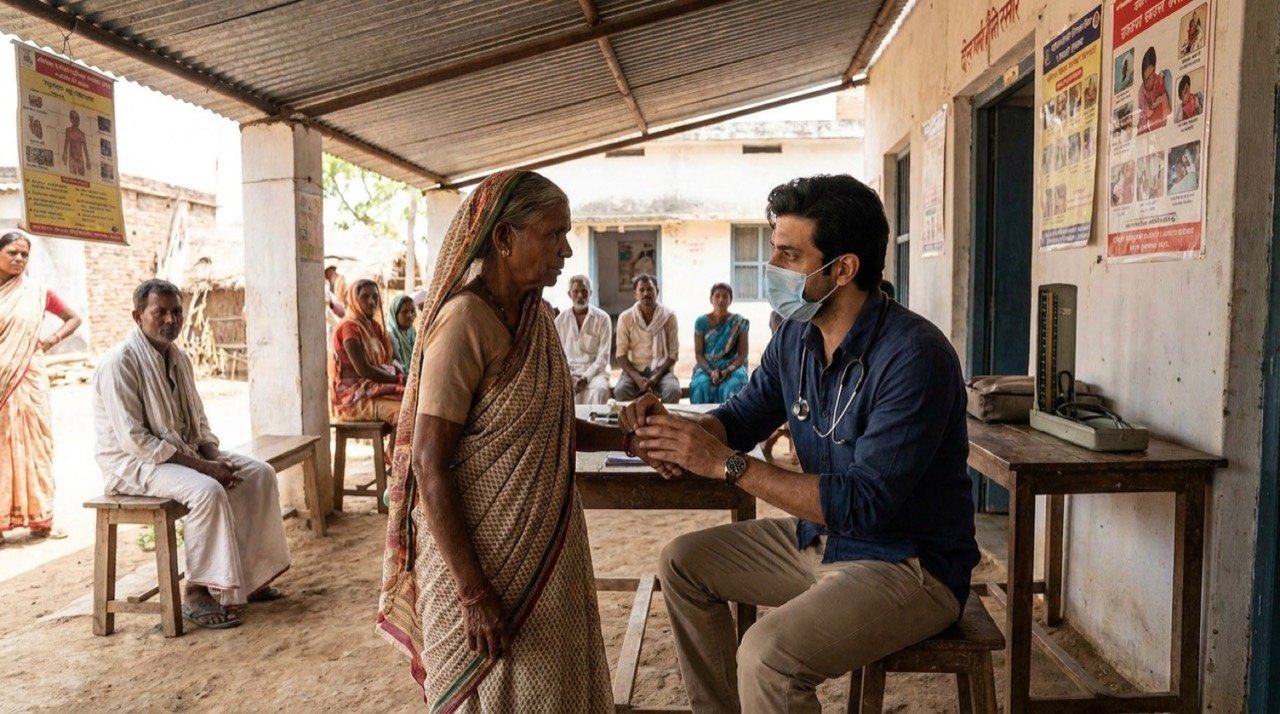
Gram Chikitsalay Season 2 Review: TVF's Rural Healthcare Drama Finds Its Voice
TVF's Gram Chikitsalay returns for a sharper second season, anchoring rural healthcare, community trust and small-town power play in a village clinic led by Amol Parashar.
More from this section
More
72nd National Film Awards: Fans Back Mammootty, Allu Arjun, Sai Pallavi
Speculation around the 72nd National Film Awards is intensifying as fan communities across India's language film industries champion favourites including Mammootty, Allu Arjun and Sai Pallavi ahead of any official announcement.

Aamir Khan Marries Gauri Spratt in Private Pali Hill Ceremony
Aamir Khan and Gauri Spratt tied the knot at the actor's Pali Hill home in Mumbai on July 5, turning a deliberately small family ceremony into Bollywood's biggest story of the day.

Akanksha Chamola's Lock Upp 2 Confession Sets Reality TV Abuzz
A personal revelation by Akanksha Chamola ahead of Lock Upp 2 has handed the reality show a viral talking point, underlining how confession-driven formats continue to dominate Indian television conversation.