Cinema-Only and Loving It: Nolan's 'The Odyssey' Turns a Trailer Into an Event
Christopher Nolan's refusal to put his first 'Odyssey' trailer online has done the opposite of dampening the hype, with leaked phone footage, sold-out 70mm previews and a fan frenzy turning a teaser into a cultural moment.
Commentary & Analysis ·

Christopher Nolan has spent his career arguing that the cinema is the only place a film should truly be seen, and this week he turned that conviction into a marketing strategy that the rest of Hollywood is now studying with a mixture of awe and irritation. The first trailer for his adaptation of Homer's 'The Odyssey' arrived in theatres on 12 June, attached exclusively to Steven Spielberg's 'Disclosure Day', and pointedly nowhere else. There was no YouTube drop, no social media premiere, no behind-the-scenes thread. If you wanted to see it, you had to buy a ticket and sit in the dark.
Predictably, the embargo lasted about as long as it takes to lift a phone. Shaky, vertically filmed clips spread across X and TikTok within hours, most of them swiftly scrubbed under copyright flags before reappearing somewhere else. Rather than blunting the appetite, the scarcity sharpened it. By the weekend, 'The Odyssey' had become the most talked-about piece of footage in the industry despite the fact that, officially, almost nobody outside a cinema auditorium had legitimately seen it.
A myth told in IMAX film
The film follows Odysseus, the war-weary King of Ithaca, on his ruinous voyage home from Troy, a journey that pits his cunning against vengeful gods and the monsters of the ancient world. Nolan has assembled a cast that reads like an awards-season fantasy: Matt Damon as Odysseus, alongside Tom Holland, Anne Hathaway, Robert Pattinson, Lupita Nyong'o, Zendaya and Charlize Theron. Early footage glimpsed in cinemas reportedly offers a first look at the director's interpretation of the Trojan horse, rendered with the tactile heft that has become his signature.
The technical pitch is as audacious as the casting. The picture has been shot with a new generation of IMAX film cameras and is being positioned as the first feature ever lensed entirely on the large-format film stock, a claim that has its own gravitational pull for the cinephile audience Nolan cultivates. For a story about a man trying to get home across an unforgiving sea, the sheer physical scale of the format feels less like a gimmick than a thesis statement.
Scarcity as strategy
The trailer's exclusivity has reignited a debate that has simmered since streaming swallowed much of the release calendar: in an age of instant, frictionless access, is making something hard to see actually a competitive advantage? Demand for premium 70mm screenings reportedly crashed parts of one major chain's ticketing system, with the operator later confirming record first-day sales. Resale listings for some preview screenings drifted into eye-watering territory, the kind of secondary-market mania usually reserved for stadium tours.
Distributors have watched all of this with keen interest, because it suggests a path that runs directly counter to the prevailing logic of maximum reach. The orthodox approach floods every platform at once to capture attention before it evaporates. Nolan's gambit withholds, trusting that anticipation compounds when it is denied an easy outlet.
Why it matters for the wider industry
- It reframes the trailer itself as a destination event rather than a free piece of promotion, potentially driving ticket sales for whatever film it is attached to.
- It strengthens the argument that premium formats like IMAX and 70mm are a genuine differentiator that streaming cannot replicate at home.
- It tests whether deliberate scarcity can outperform saturation marketing in an attention economy built on instant gratification.
- It hands exhibitors a rare piece of good news at a moment when many are still fighting to rebuild the theatrical habit.
“If you wanted to see it, you had to buy a ticket and sit in the dark. By the weekend it was the most talked-about footage in Hollywood.”
There is a counter-argument, of course. A leaked, low-resolution clip filmed off a screen is a poor advertisement for a film built around image quality, and some marketing executives privately worry that the strategy only works because of who is directing. Few film-makers command the loyalty that lets them turn a withheld trailer into a news story; for everyone else, an online absence might simply read as an absence.
Still, the spectacle of audiences queuing for a teaser they could have watched for free in any other era says something about where the appetite for event cinema sits in mid-2026. 'The Odyssey' is scheduled to open on 17 July, and the question now is whether the film can match the mythology its marketing has already built. For a story about the long road home, that is a fittingly uncertain voyage.
The NE Times View
Nolan's theatrical-only stance is a pointed bet that scarcity still commands attention in a streaming-saturated age, and the frenzy proves him right for now. For Indian exhibitors fighting OTT erosion, his insistence that some films belong only on the big screen is a useful ally. The lesson travels: protecting theatrical exclusivity may matter more to cinema's survival than any single release, here as much as in Hollywood.
This article is original commentary and analysis by The NE Times. Background facts were referenced from Variety and BBC.
You may also like to read
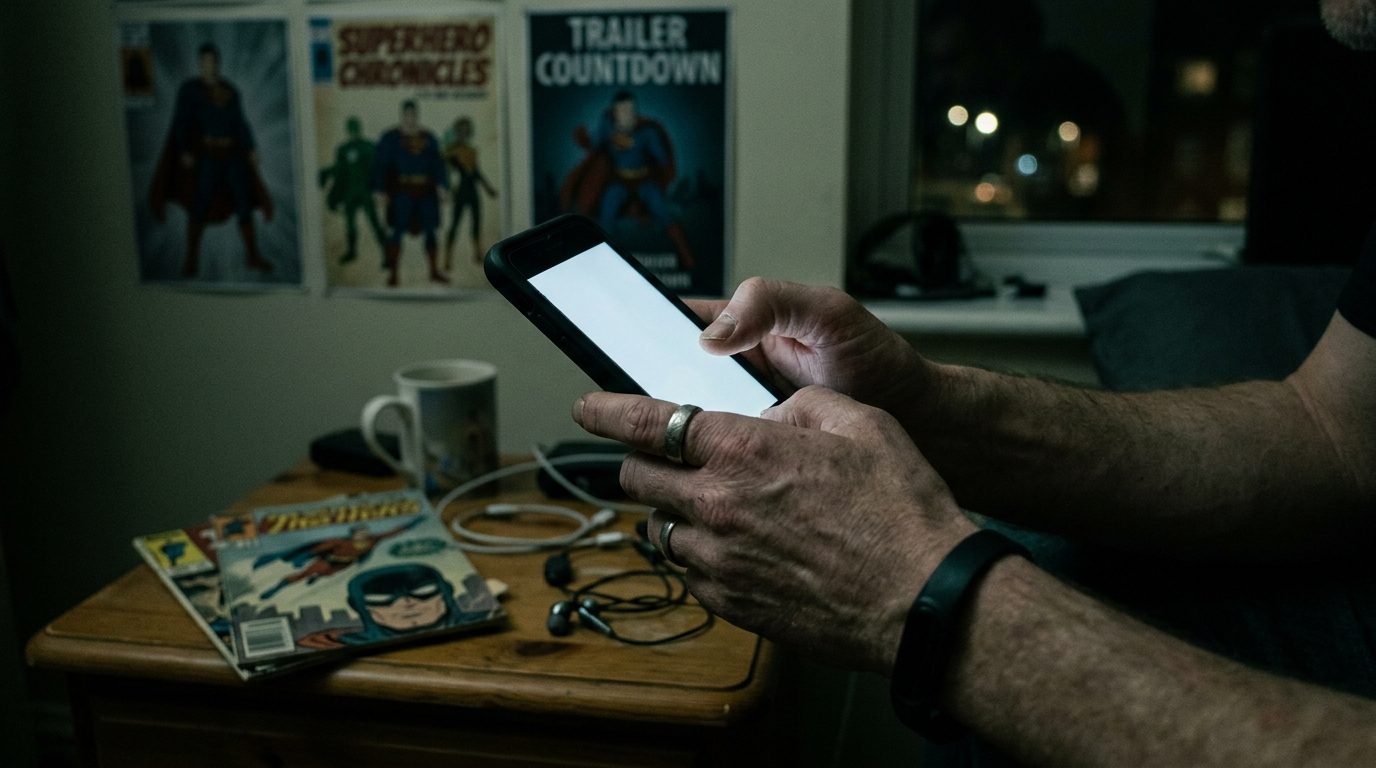
The Internet Is Convinced 'Avengers: Doomsday' Is About to Drop a Trailer
With no public footage since CinemaCon, fan sleuths and industry scoopers are circling a handful of possible dates for the first 'Avengers: Doomsday' trailer, as Marvel keeps its biggest card face-down ahead of a December release.
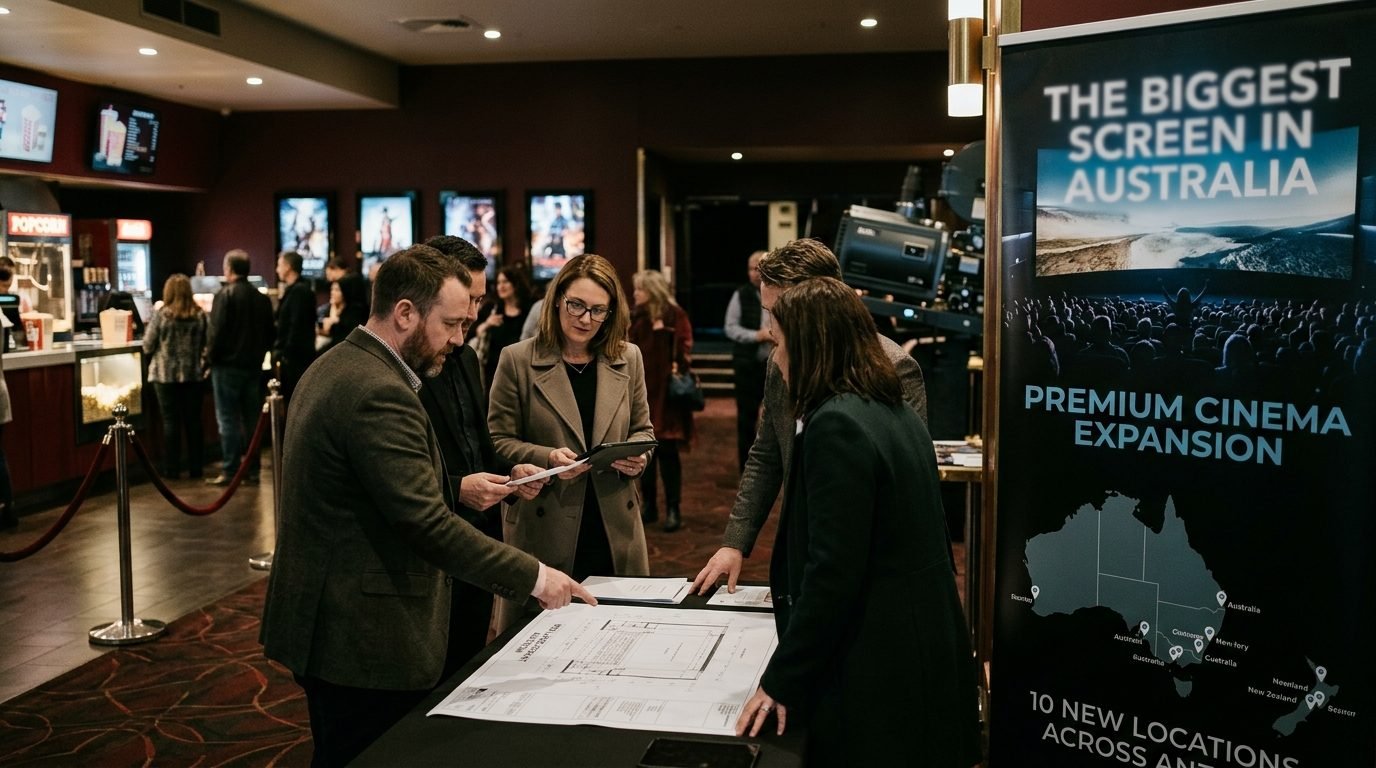
IMAX strikes its biggest-ever Australian deal as HOYTS doubles its premium footprint
An agreement to add ten IMAX with Laser locations across Australia and New Zealand nearly doubles the partners' regional presence, with at least three screens due before the end of 2026 in a market already running at record box office.
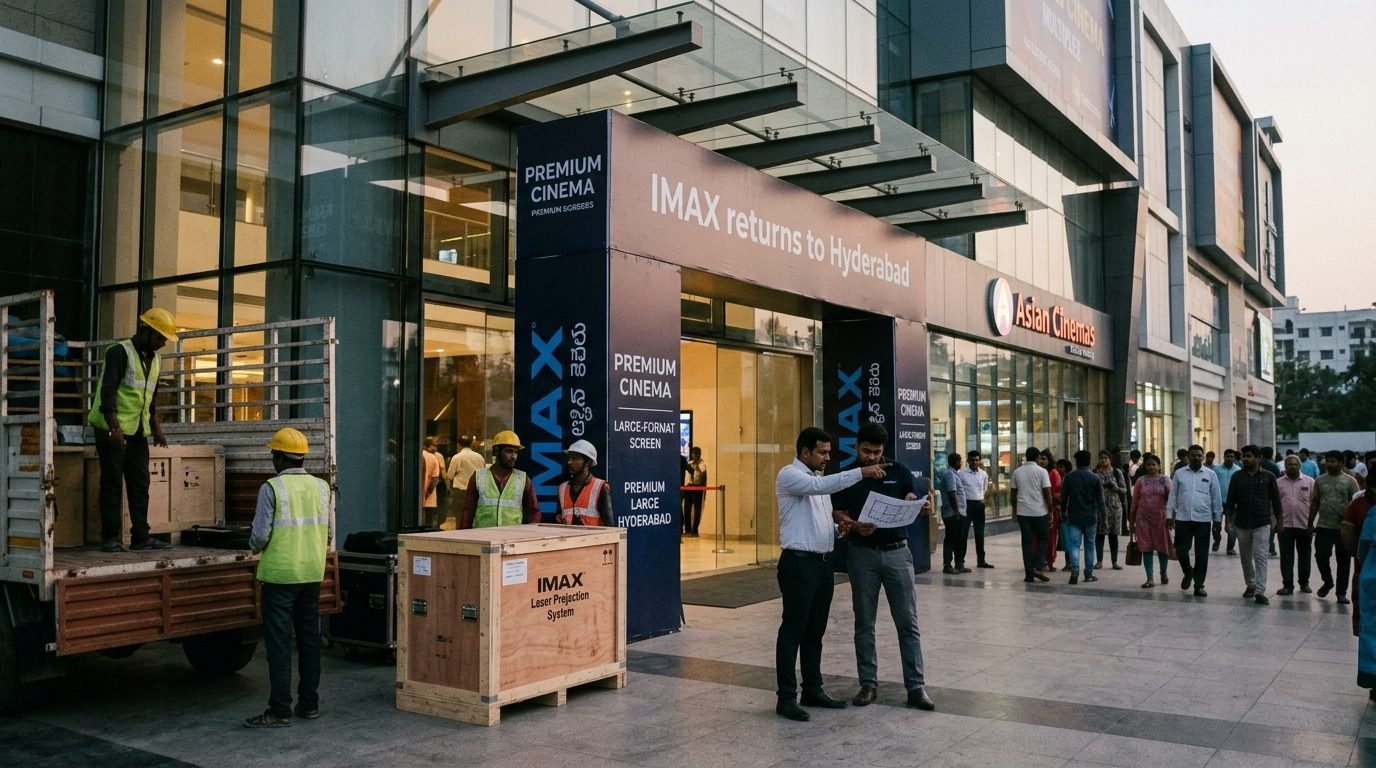
IMAX returns to Hyderabad after a decade as Asian Cinemas deal targets India's premium boom
A new partnership will bring three IMAX with Laser screens to the AMB Cinemas brand, with the first opening at Mahesh Babu's flagship venue ahead of S.S. Rajamouli's 'Varanasi', as large-format exhibition chases record Indian demand.

Anshula Kapoor's Mehendi Turns Kapoor Wedding Into a Family Affair
Glimpses of Anshula Kapoor and Rohan Thakkar's mehendi, shared by Sonam Kapoor ahead of the July 6 wedding, have drawn wide attention to how Bollywood's best-known family stages an intimate milestone.
More from this section
More
72nd National Film Awards: Fans Back Mammootty, Allu Arjun, Sai Pallavi
Speculation around the 72nd National Film Awards is intensifying as fan communities across India's language film industries champion favourites including Mammootty, Allu Arjun and Sai Pallavi ahead of any official announcement.
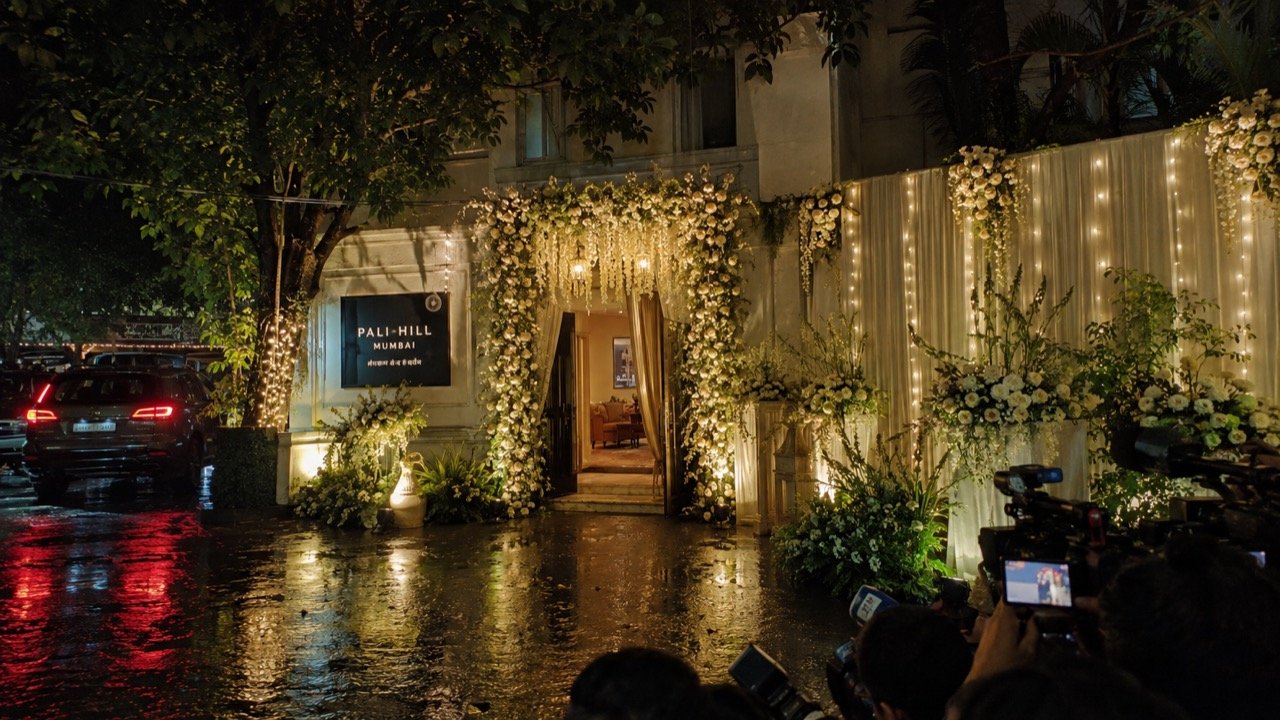
Aamir Khan Marries Gauri Spratt in Private Pali Hill Ceremony
Aamir Khan and Gauri Spratt tied the knot at the actor's Pali Hill home in Mumbai on July 5, turning a deliberately small family ceremony into Bollywood's biggest story of the day.
Akanksha Chamola's Lock Upp 2 Confession Sets Reality TV Abuzz
A personal revelation by Akanksha Chamola ahead of Lock Upp 2 has handed the reality show a viral talking point, underlining how confession-driven formats continue to dominate Indian television conversation.