Telegram Restored in India After Temporary NEET-Linked Block
Telegram is available again for many Indian Android users after a temporary nationwide restriction tied to NEET-UG re-exam integrity, reopening debate on exam security and digital limits.
The NE Times Technology Desk
Commentary & Analysis ·
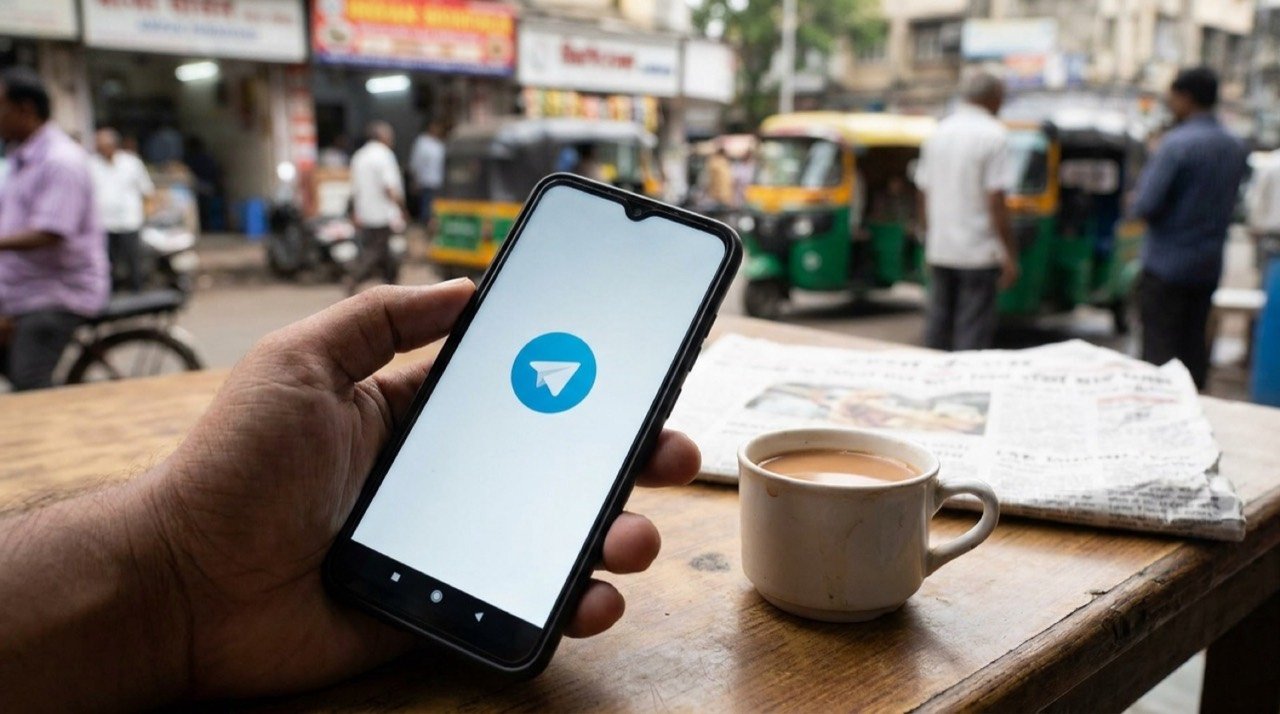
Telegram has become available again for many Indian Android users after a temporary nationwide restriction linked to concerns over the integrity of the NEET-UG re-examination. The brief block, and its swift reversal, has reopened a familiar debate about how India balances exam security against the reach of digital platforms.
Why the app was restricted
Reports indicated that the restriction was tied to fears that messaging channels could be misused around the high-stakes medical entrance test, whether to circulate leak claims, coordinate cheating networks or spread unverified material during a sensitive window. With the NEET-UG re-exam under intense public and official scrutiny, authorities appeared to favour caution.
Telegram's channel-based architecture, which allows large groups to receive broadcasts quickly, has long made it a focus of concern in contexts where rapid, hard-to-trace sharing could undermine an examination's credibility.
The restoration and what changed
The app's return to availability on Android suggests the immediate trigger had passed or that the concerns were addressed to the satisfaction of the relevant authorities. For ordinary users, the disruption was short-lived, but for examinees, parents and coaching networks, even a brief outage of a widely used communication tool can cause anxiety during a critical period.
The episode underlines how quickly access can be switched off and on, and how little visibility users typically have into the reasoning behind such decisions.
The wider policy debate
The restoration has revived questions that extend well beyond a single app. How should examination security be protected without resorting to blunt, blanket restrictions? Where does platform accountability begin and end? And what are the appropriate limits, and oversight, for temporary digital blocks that affect millions of unrelated users?
- Telegram restored for many Indian Android users after a temporary block
- The restriction was linked to NEET-UG re-exam integrity concerns
- Fears centred on misuse of messaging channels for leak or cheating claims
- The brief outage caused anxiety for examinees, parents and coaching networks
- Debate continues over exam security, platform accountability and digital limits
As India conducts more large-scale examinations on a digital backbone, friction between integrity safeguards and open communication is likely to recur. The Telegram episode is a reminder that temporary restrictions, however well-intentioned, carry trade-offs in transparency and public trust that policymakers will need to weigh carefully in future.
The NE Times View
Pulling the plug on a platform used by millions to police one exam is a blunt instrument that punishes everyone for the sins of a few. The NEET leak problem is real and corrosive, but the answer lies in fixing exam security, not in normalising nationwide blackouts. The NE Times sees a worrying reflex here: reach for the kill switch first, ask hard questions about accountability later.
This article is original commentary and analysis by The NE Times. Background facts were referenced from the Times of India and The Economic Times.
You may also like to read
Telegram Faces Fresh India Scrutiny Over Illegal Content and Exam-Security Risks
Indian officials are again examining Telegram over exam-leak misinformation, channels sharing child sexual abuse material and piracy, reopening the debate on encryption, platform accountability and user safety.
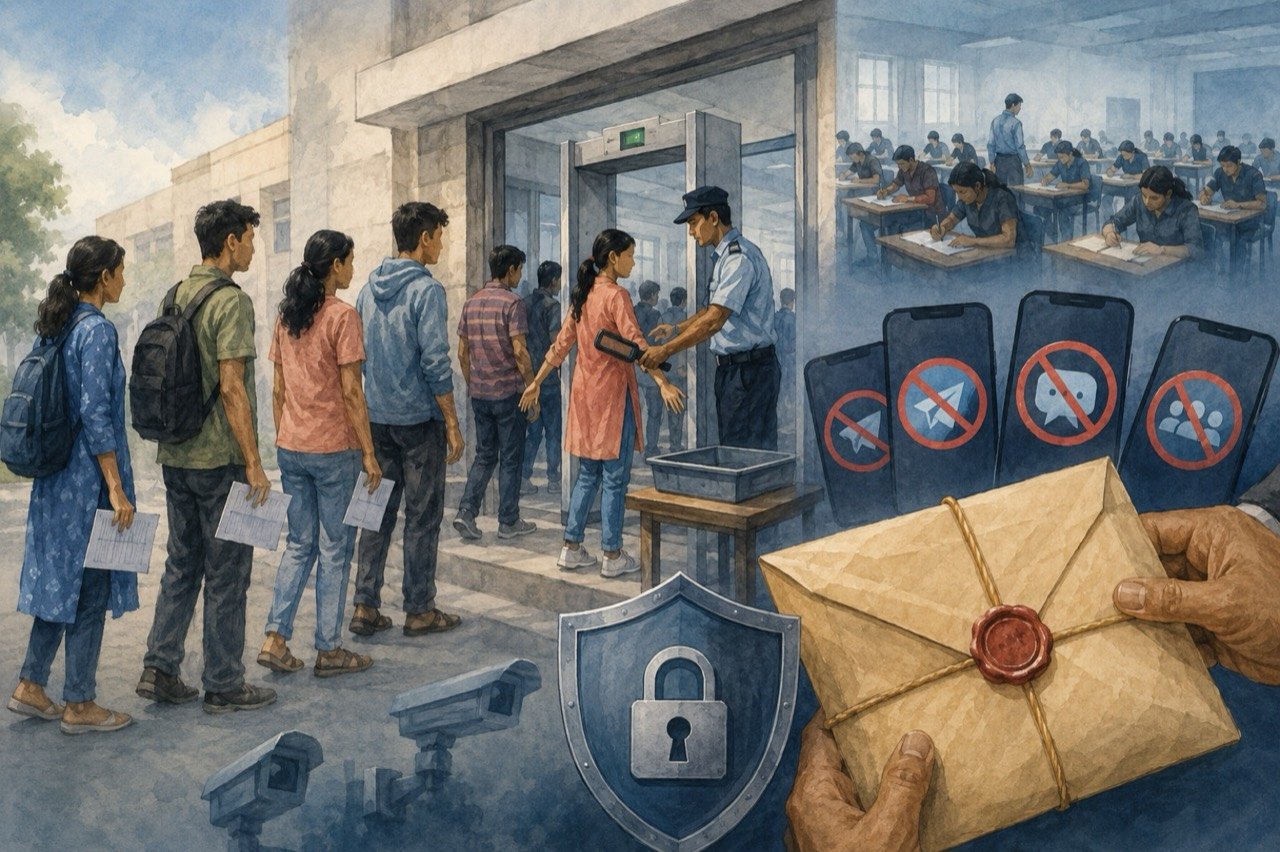
NEET UG Retest Puts Exam Security, Telegram Ban and Misinformation Under Scrutiny
More than two million students resat NEET UG 2026 under tight security after the May paper was scrapped, as the NTA probed a fake video and a temporary Telegram block drew debate.
Telegram Returns to India's Play Store After NEET-UG Re-Exam Block
Google has restored Telegram on India's Play Store after a short government-ordered block during the NEET-UG re-exam, reviving a charged debate over exam security versus digital rights.
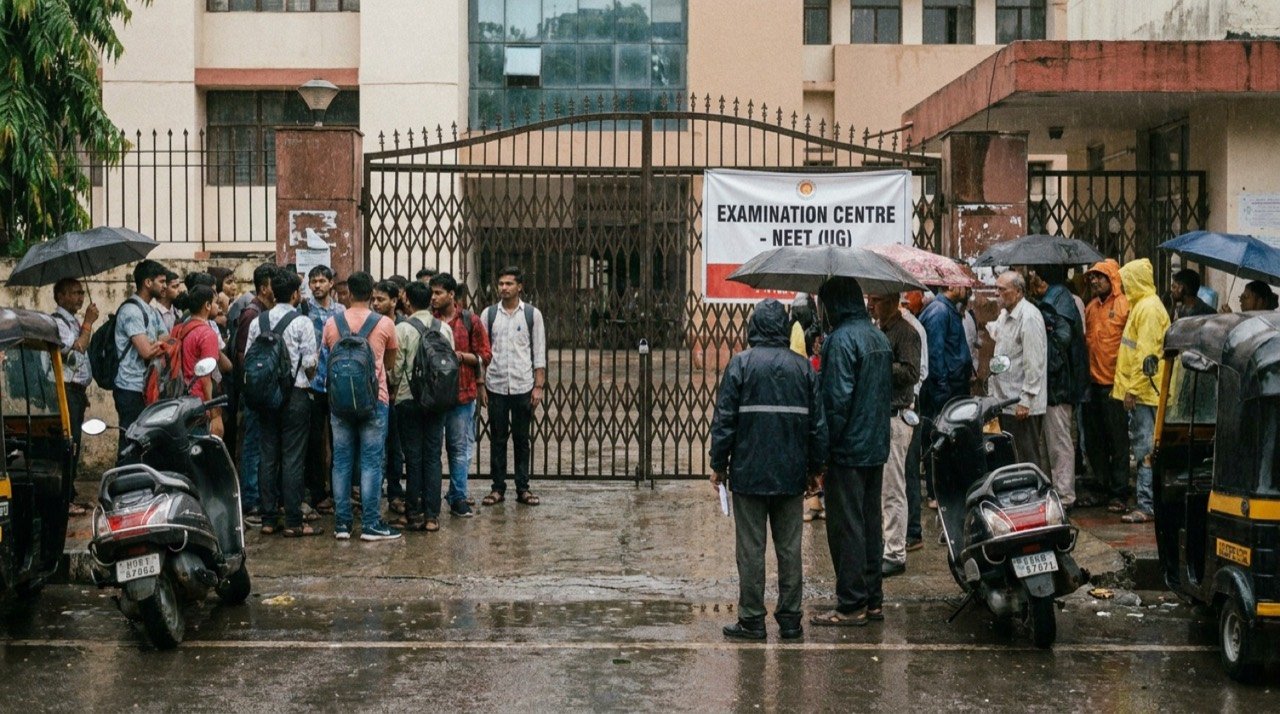
NEET Re-Test Gate Closures Revive Debate Over Exam Fairness
Students turned away minutes late at the NEET re-test have reignited a hard question for India's high-stakes exams: how should rigid rules and uniform deadlines accommodate real-life disruption?
More from this section
More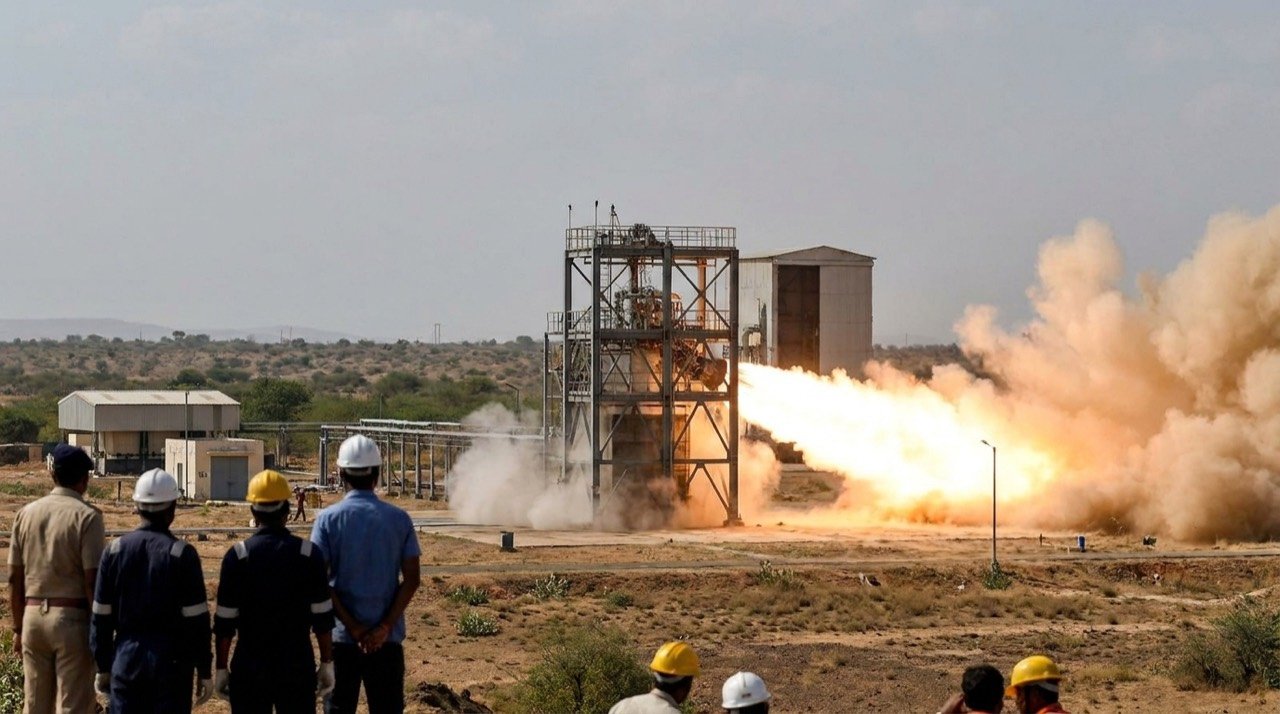
ISRO Fires Semi-Cryogenic Engine Power Head at 175 Tonnes in Landmark Hot Test
ISRO successfully ran its indigenous semi-cryogenic engine power head at 175 tonnes of thrust, clearing a key hurdle toward powering the LVM3 upgrade and the Next Generation Launch Vehicle.
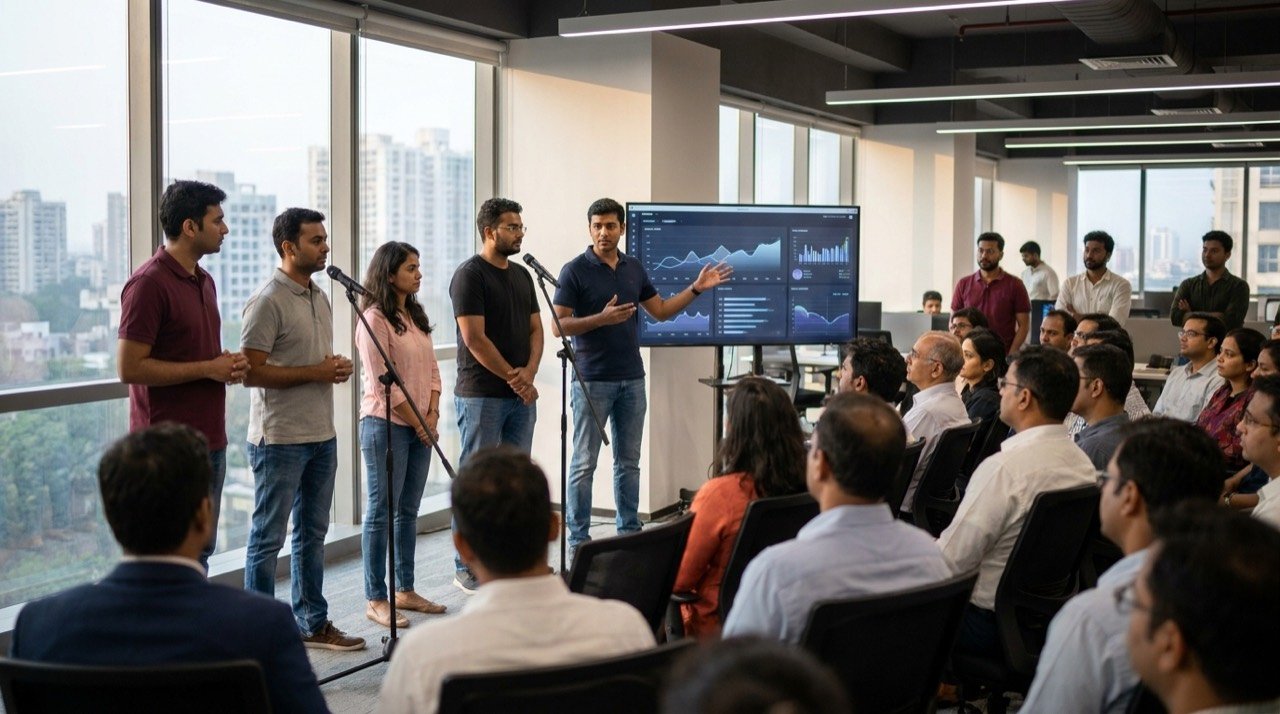
India Tech Funding Climbs to $7.2 Billion in H1 2026 Even as Deal Count Slumps
Indian tech startups raised $7.2 billion in the first half of 2026, up 12 per cent year-on-year, but the number of funding rounds fell sharply as capital concentrated in a handful of mega-deals.
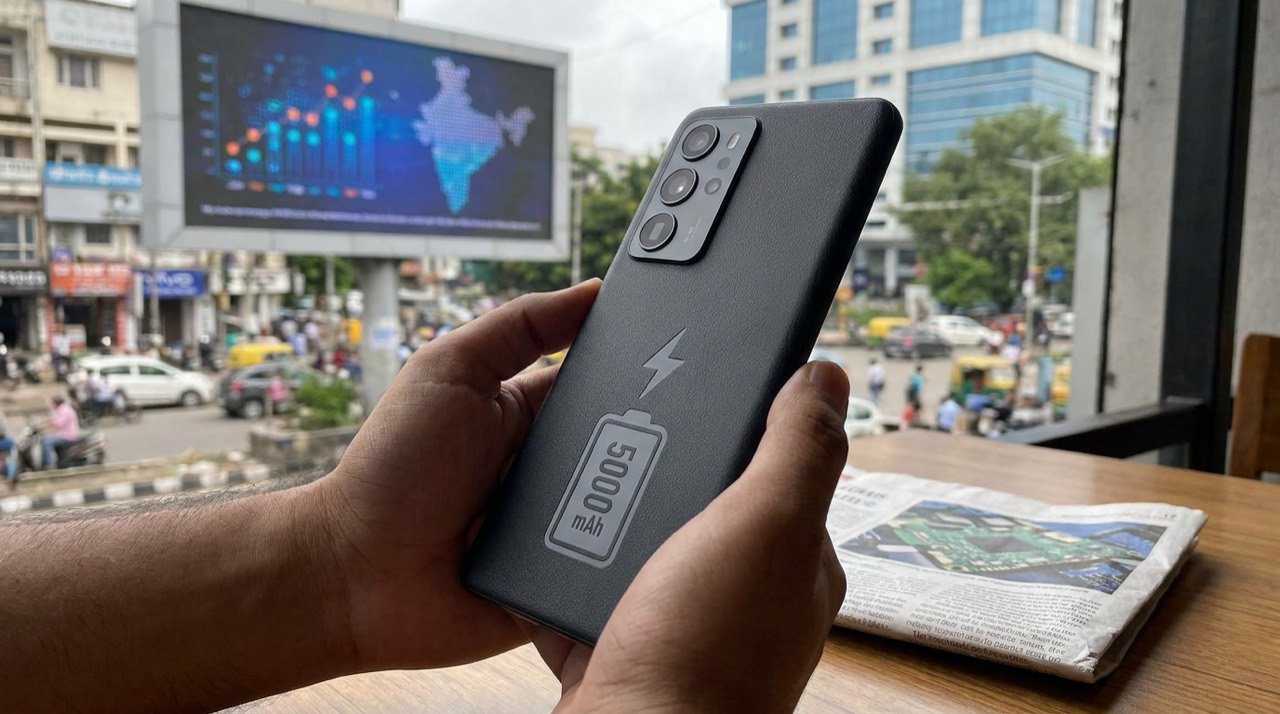
OnePlus N6 Headlines a Crowded End-June Gadget Calendar in India
The OnePlus N6, with its 8,000mAh battery and sub-Rs 25,000 price tag, leads a busy late-June run of smartphone launches in India spanning OnePlus, Oppo and Samsung.