NEET UG Retest Puts Exam Security, Telegram Ban and Misinformation Under Scrutiny
More than two million students resat NEET UG 2026 under tight security after the May paper was scrapped, as the NTA probed a fake video and a temporary Telegram block drew debate.
Commentary & Analysis ·
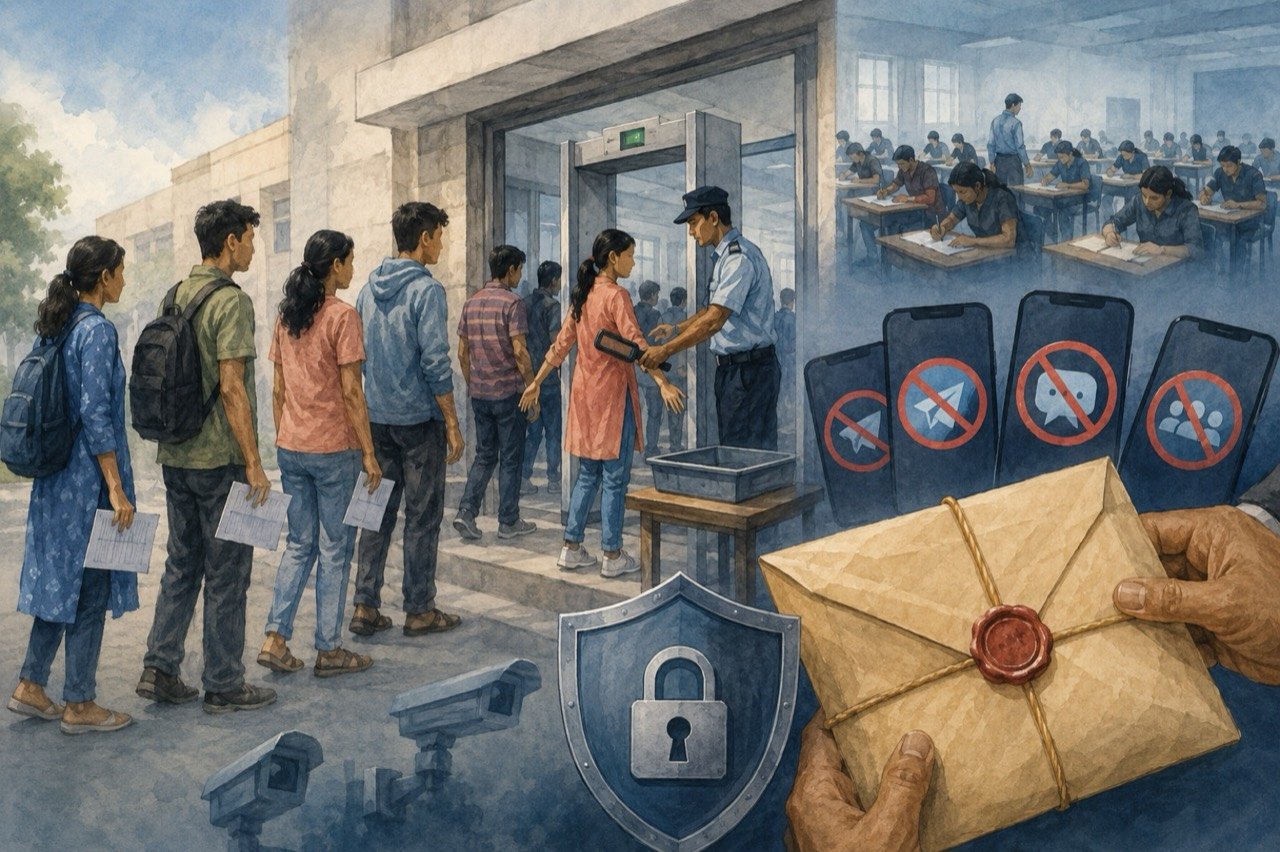
The NEET UG 2026 re-examination, held after the original 3 May paper was cancelled over alleged leaks, has kept India's high-stakes exam system under intense scrutiny. Reports said more than two million students had to resit the medical entrance test under heightened security, with biometric verification, strict entry rules and a temporary block on Telegram aimed at curbing fraud and fake paper-leak claims.
A retest under lockdown conditions
The decision to scrap the May paper and order a fresh test placed an enormous logistical and emotional burden on candidates, many of whom had to prepare and appear all over again. Authorities responded with tightened protocols, deploying biometric checks and rigorous entry screening to safeguard the integrity of the exam.
The scale of the exercise, with over two million aspirants, underscored just how central NEET has become to access to medical education in the country.
The Telegram block and its trade-offs
Among the most debated measures was a temporary block on Telegram, intended to choke channels used to circulate leaked or fabricated material around exam time. While framed as a security step, such blunt digital restrictions also disrupt ordinary users who rely on the platform for routine communication.
The episode revived a recurring tension in India's policy response to exam fraud: how to protect integrity without resorting to sweeping curbs that affect millions of unrelated users.
Misinformation and a fresh probe
On 22 June, the National Testing Agency warned about a fabricated video alleging irregularities in the exam and said it had launched an investigation with law-enforcement support. The move highlighted how misinformation can spread rapidly around major exams, fuelling anxiety even when no breach has occurred.
For students, the controversy is about far more than a single test; it is about confidence in a system that effectively decides who can pursue a medical career.
- More than two million students resat NEET UG 2026 under tight security
- The 3 May paper was cancelled over alleged leaks
- Biometric checks and strict entry rules were enforced at centres
- Telegram was temporarily blocked to curb fake leak claims
- The NTA flagged a fabricated video and launched a probe with police
“For students, the issue is not just one exam but trust in a system that decides medical careers.”
— Assessment of the NEET UG 2026 retest
As the dust settles on the retest, the challenge for policymakers is twofold: restoring faith in the examination process and devising security measures that are effective without being indiscriminate. The credibility of NEET, and of the agencies that run it, will depend on demonstrating that integrity can be protected without penalising the very students it is meant to serve.
The NE Times View
Scrapping a tainted paper and reholding it for two million students was the right call, however painful the disruption. But the episode lays bare the fragility of high-stakes testing in India: leaks, viral rumours and blunt platform bans are now part of the exam season. Blocking Telegram treats a symptom; the cure is a genuinely tamper-proof system, because students' futures cannot keep hanging on damage control.
This article is original commentary and analysis by The NE Times. Background facts were referenced from The Guardian and Times of India.
You may also like to read
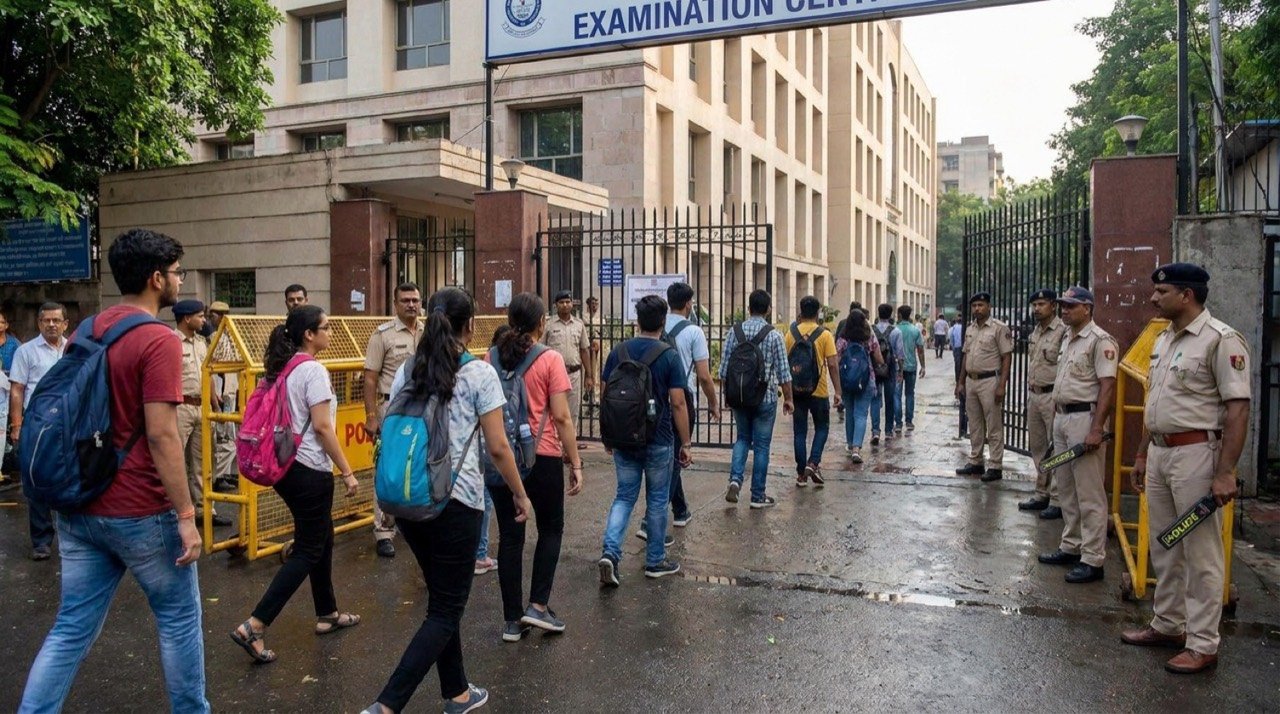
NTA Says NEET-UG 2026 Re-Exam Was Error-Free After Tight Security Checks
The National Testing Agency has declared the NEET-UG 2026 re-examination flawless, citing biometric and facial authentication, as it works to rebuild trust among lakhs of medical aspirants.
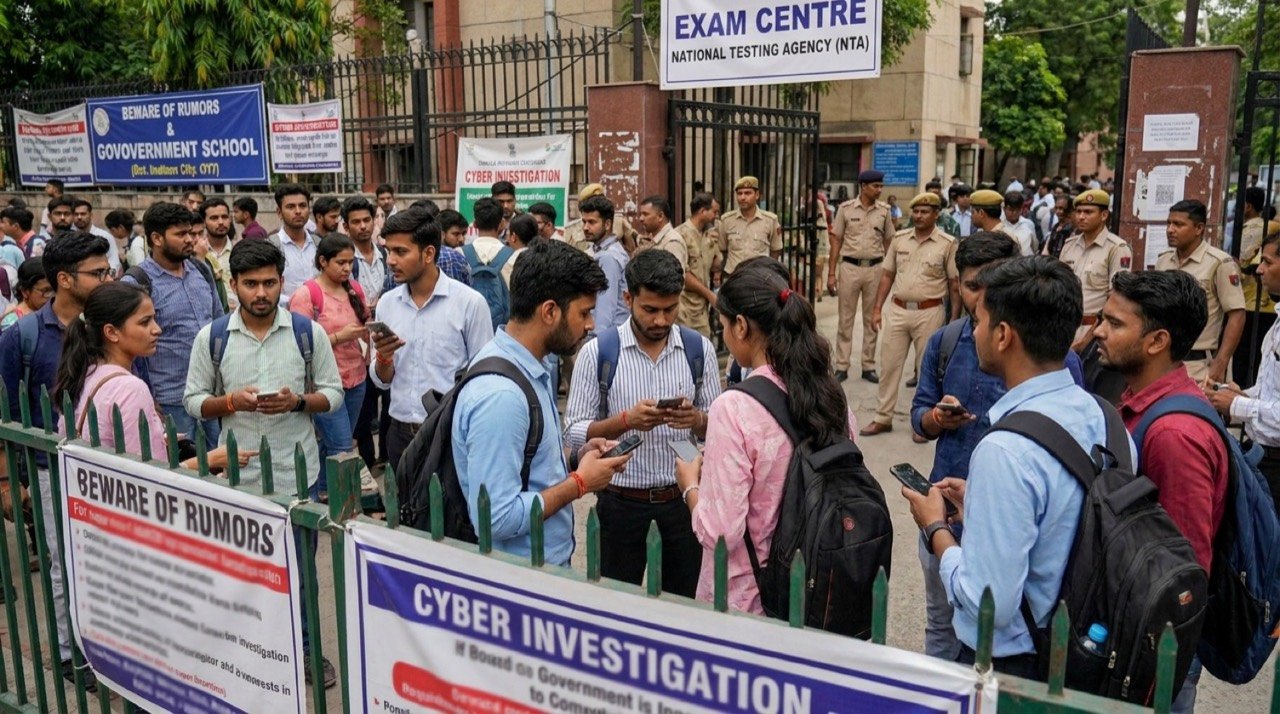
NEET-UG Retest 'Leak' Video Found Fake; NTA Launches Cyber Probe
The Centre and NTA have rejected a viral video claiming the June 21 NEET-UG retest paper was leaked on Telegram, with a cyber probe now under way to trace those behind the misleading content.
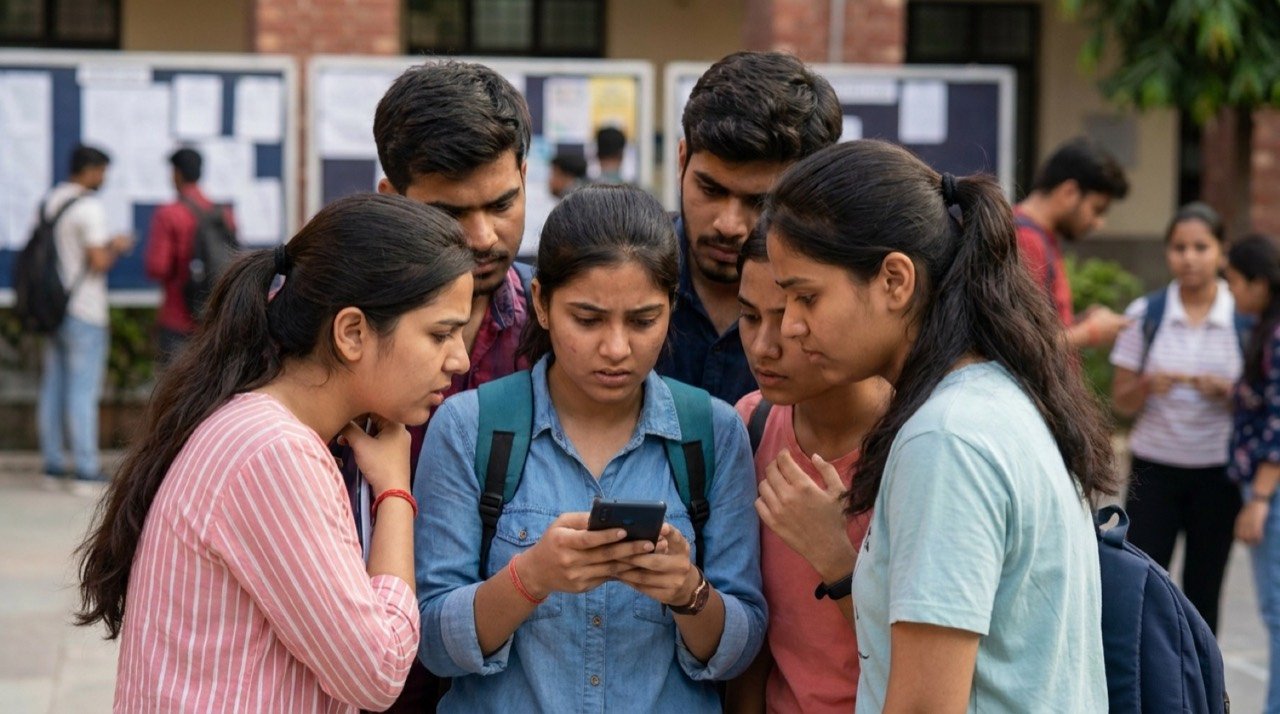
NEET-UG Fake Leak Video Sparks Probe as Exam Misinformation Comes Under Scrutiny
Police and exam authorities are hunting the creators of a fake NEET-UG paper-leak video that spread online around the retest, stoking panic among students and exposing how fast misinformation can erode trust.
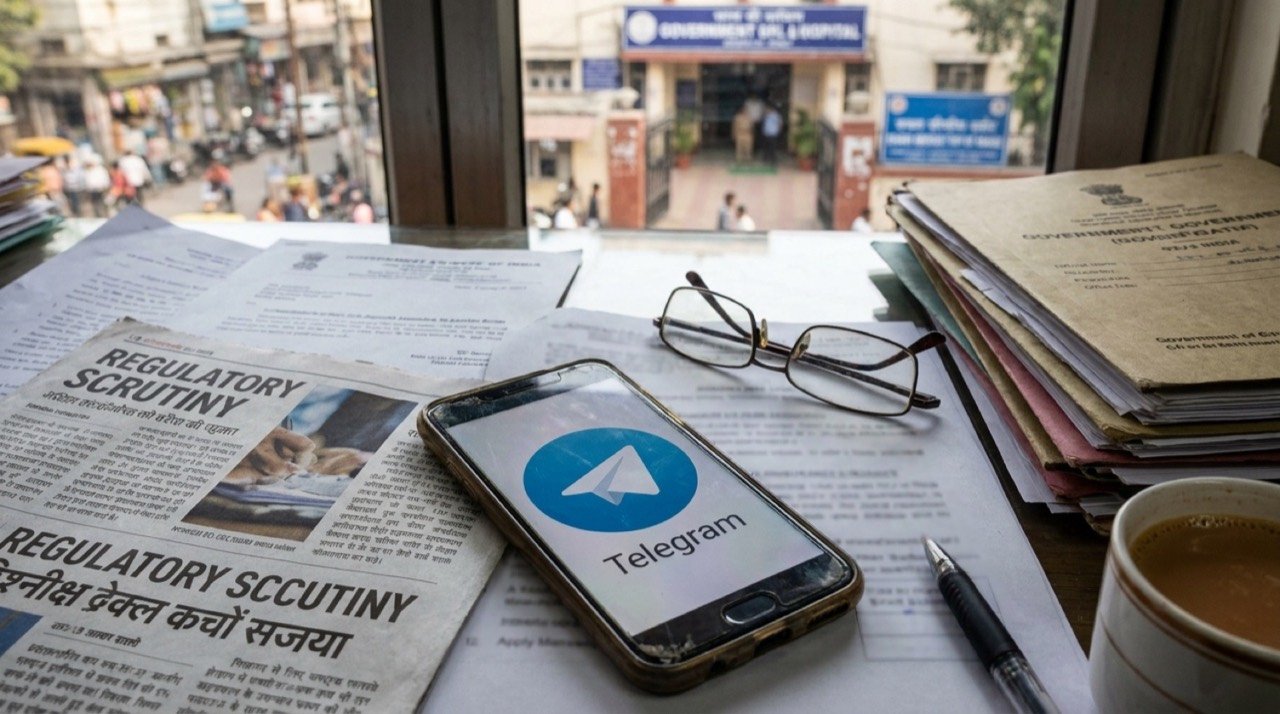
Telegram Faces Fresh India Scrutiny Over Illegal Content and Exam-Security Risks
Indian officials are again examining Telegram over exam-leak misinformation, channels sharing child sexual abuse material and piracy, reopening the debate on encryption, platform accountability and user safety.
More from this section
More
AICTE Industry Fellowship 2026: Rs 1.5 Lakh Scheme Closes July 5
The AICTE Industry Fellowship Programme 2026, which places technical-education faculty inside leading companies on a Rs 1.5 lakh monthly stipend, reached its application deadline on July 5.
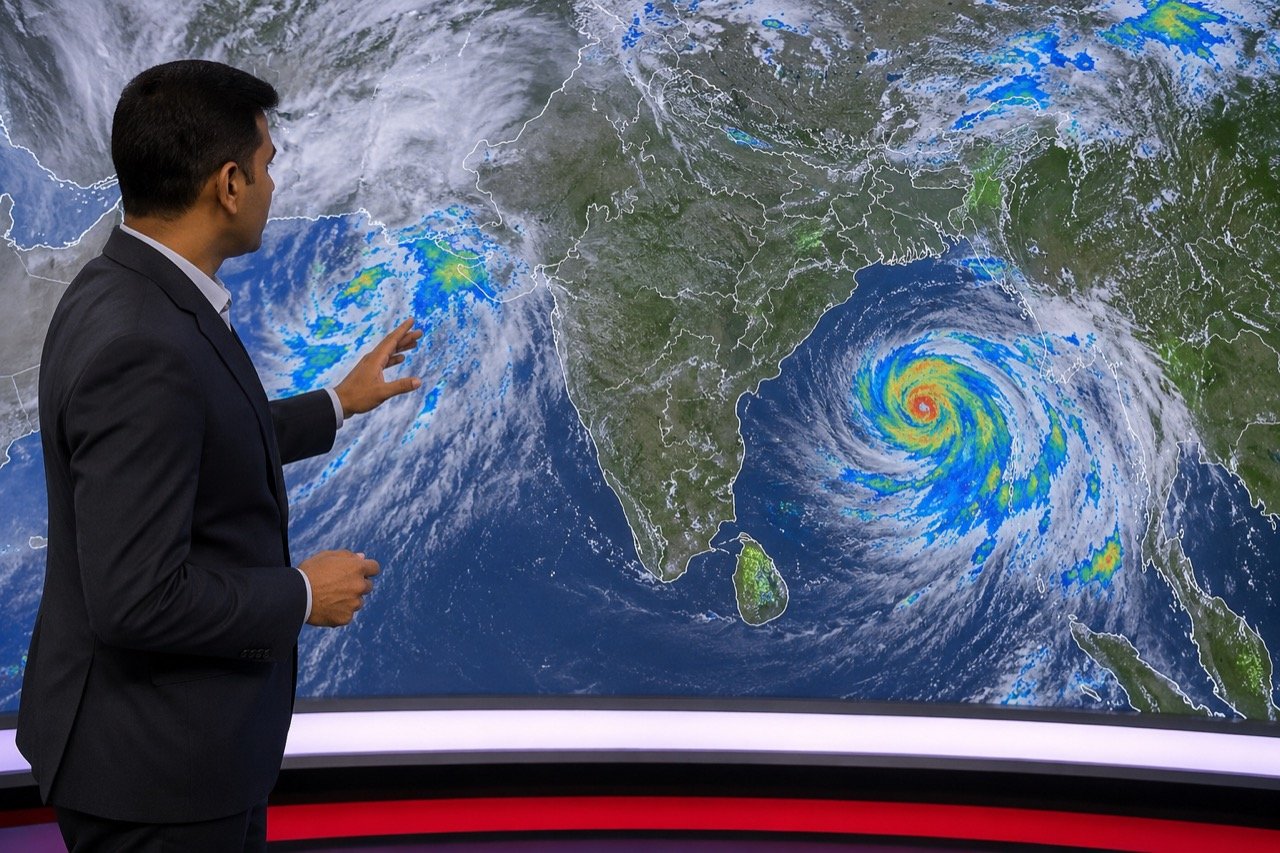
Bay of Bengal Low Pressure System Revives Monsoon Over Western India
A low-pressure system over the Bay of Bengal has pushed the monsoon back into an active phase, bringing steady heavy rain to Kerala, coastal Karnataka and Maharashtra, and putting Mumbai and Pune on preparedness watch.
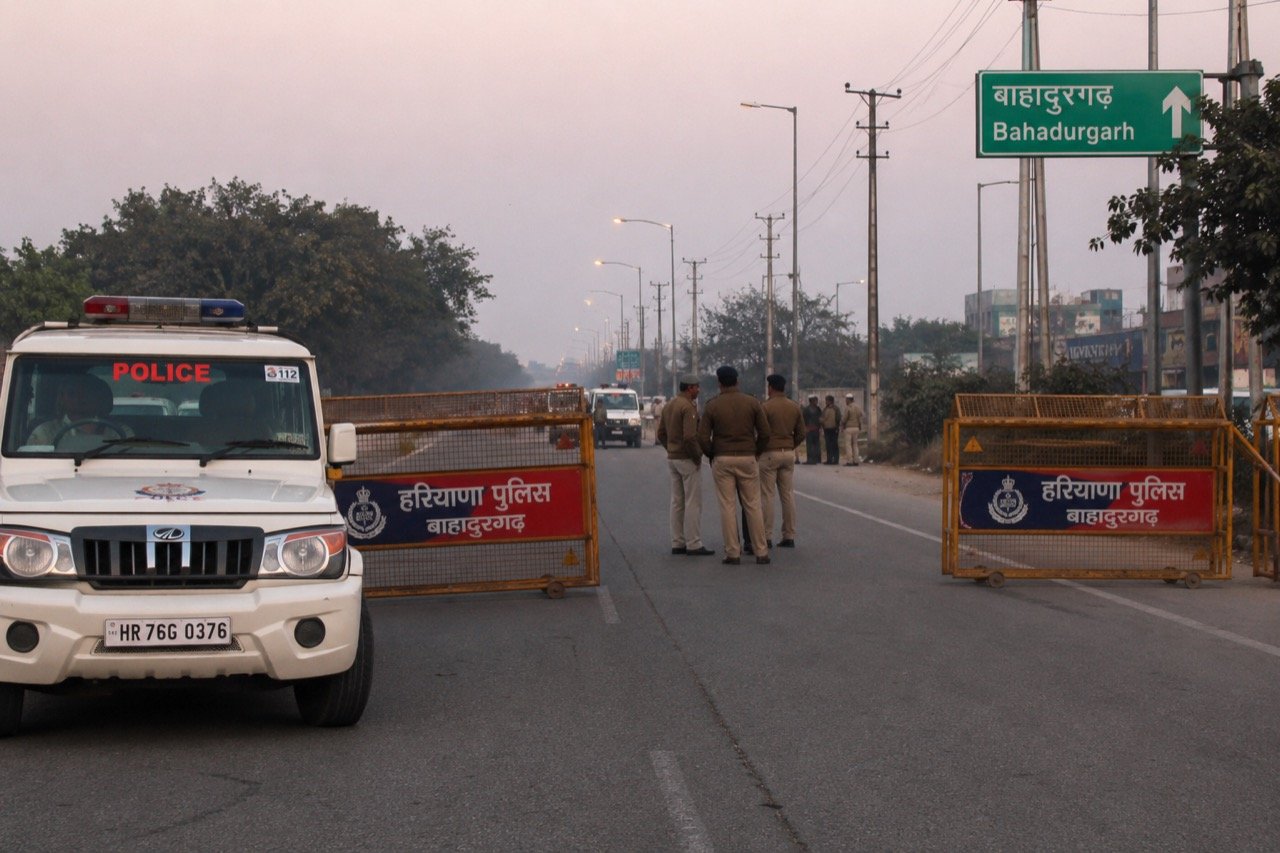
Bishnoi Gang Suspects Injured in Haryana Encounter as Police Tighten Net
A joint Haryana-Delhi Police operation in Bahadurgarh left two suspected Lawrence Bishnoi gang members injured, spotlighting the multi-state coordination now central to India's fight against organised crime networks.