How Social Media Made Sonam Wangchuk’s Hunger Strike a National Story - and Why Misinformation Is Growing
Social media turned the hunger strike into a national issue, but viral health claims, recycled images and personality-driven coverage can distort the movement’s demands
Commentary & Analysis ·
Key facts
- CJP developed as a digital movement before establishing an on-ground protest.
- Viral clips of Wangchuk’s declining strength and appeals for July 20 accelerated national attention.
- Celebrity posts and political visits further increased search interest.
- The same speed has enabled outdated health figures, confused demands and recycled images to spread.
A protest designed for the feed
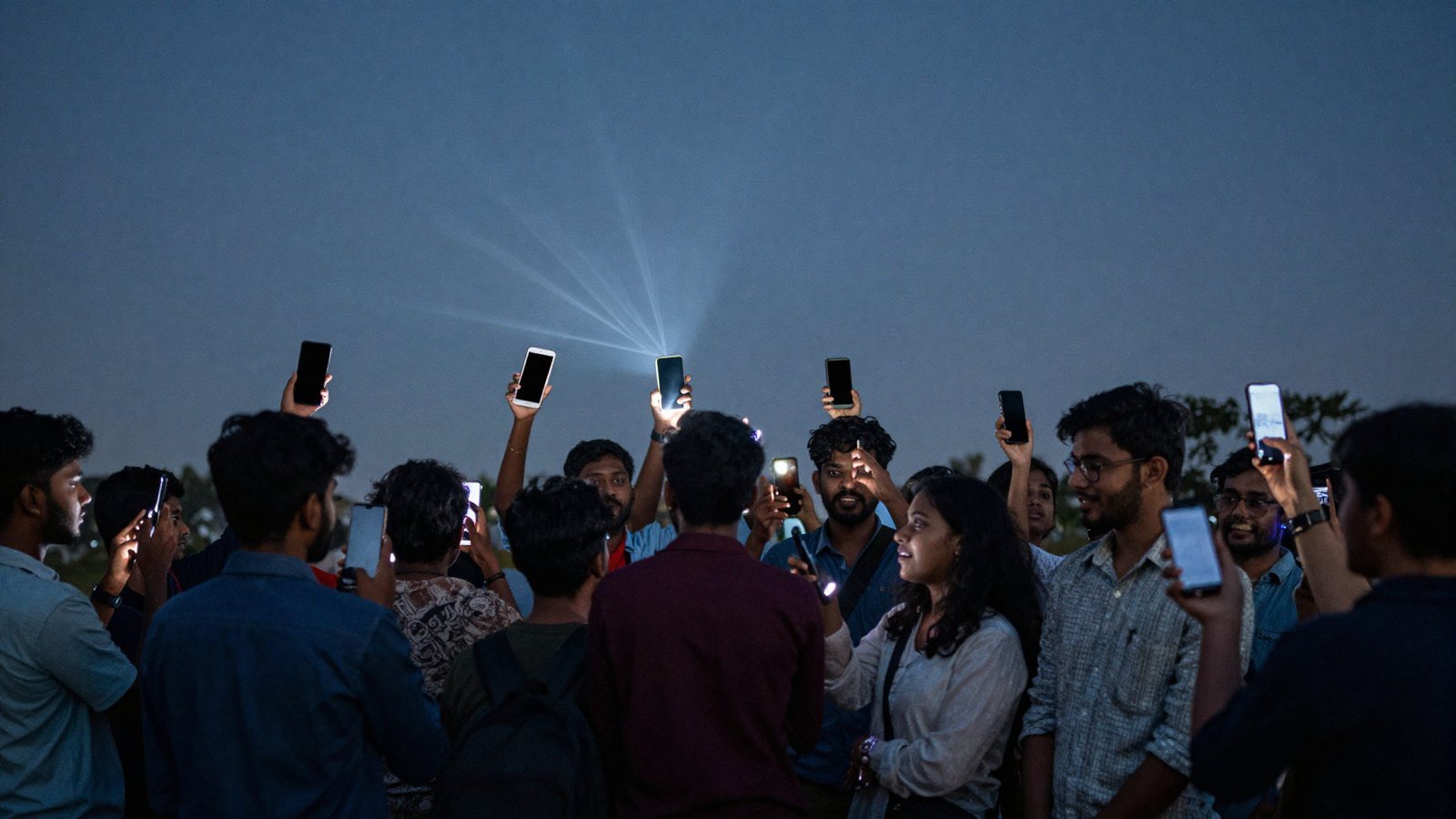
The CJP name, visual symbolism and direct video appeals fit the logic of social platforms. Short clips can communicate anger and vulnerability faster than policy documents. Wangchuk’s ability to speak calmly from a protest site created a powerful contrast between non-violent language and physical decline. Users could share the story with a single health statistic or quote. That design helped the movement bypass traditional party structures and reach young audiences who consume news through reels and posts rather than television bulletins.
The health-update cycle
Every day of a hunger strike produces a new number: day count, weight loss, blood pressure or hours since a medical check. These figures are highly searchable, but they can become detached from time and source. A report saying eight kilograms on one date may circulate after a later bulletin reports nine. A photograph may be several days old. Responsible accounts should date every update, name the medical source and correct earlier posts rather than quietly deleting them. Newsrooms should avoid placing unverified figures in headlines.
Celebrity amplification and algorithmic reach
When Sonakshi Sinha, Kiran Rao or other public figures post, algorithms expose the protest to entertainment audiences. Political leaders produce another wave of clips and debate. This cross-audience circulation explains why search terms combine celebrity names with Wangchuk’s. It also means the issue can be reframed around the celebrity rather than the students. Organisers can use the attention effectively by linking every endorsement to a concise, verified demand page.
Misinformation about the protest’s purpose
The most persistent confusion is whether the fast concerns NEET, Ladakh’s Sixth Schedule demand or both. Wangchuk’s history makes the confusion understandable, but repeated inaccurate captions are still misinformation. Another risk is fake permission notices or protest routes ahead of July 20. A movement coordinating a large crowd needs one verified channel for logistics and rapid correction of false messages. Platform badges alone are not enough; posts should link to written notices and official police updates.
The ethics of viral suffering
Images of a visibly weakened protester generate engagement, but repeated close-ups can turn suffering into content. Editors should ask whether an image informs the public or merely intensifies emotion. They should avoid countdown language that treats collapse as an anticipated event. Supporters should not pressure Wangchuk to continue for the sake of momentum. The moral purpose of documenting a hunger strike is to encourage resolution, not to reward the most alarming footage.
Building a trustworthy digital archive
CJP and independent observers can preserve a dated timeline of statements, medical bulletins, court orders and government responses. Such an archive would help journalists and researchers distinguish current facts from viral fragments. It would also strengthen the movement’s case by showing consistency and correcting errors openly. Digital mobilisation becomes more durable when it creates public records, not only trending hashtags.
What readers and publishers should monitor
Readers following this angle should track verified health-update channels, fake march logistics, platform moderation decisions, changes in hashtag activity, and publication of a dated protest archive. Because this is a fast-moving protest, every figure and procedural claim should carry a date. Health information should come from doctors or court records; protest logistics should come from organisers and police; legal conclusions should be tied to the actual order; and allegations about examination wrongdoing should remain attributed until established by investigation or judgment. The primary keyword should appear naturally in the headline, introduction, one subheading, image alt text and conclusion. Secondary terms should be used only where they answer a genuine reader question. Repeating a phrase mechanically can reduce readability and search quality. The strongest publication strategy is to update the article rather than create a misleading new headline for every minor development. Add a timestamp, preserve the earlier context, explain what has changed and correct outdated numbers visibly. That approach serves readers, protects credibility and prevents the hunger strike from being reduced to a stream of disconnected viral claims.
A final editorial perspective
A final point is that the issue should be covered as a democratic accountability story rather than a contest of personal endurance. The policy questions concern secure examinations, public responsibility, student welfare and the state’s response to peaceful dissent. The human question concerns how to protect a protester’s life without erasing autonomy or turning medical risk into spectacle. Good reporting keeps both dimensions visible. It presents competing arguments fairly, marks uncertainty, uses precise dates and returns repeatedly to the people most affected: students and families who need a trustworthy system. The article should also explain what would count as evidence of progress, which institution has authority to act, and how readers can distinguish an official update from a political claim. That additional context makes the piece useful after the immediate search spike fades.
Sources
- AP and Guardian reporting on CJP’s digital origins and growth.
- Delhi High Court reporting on restoration of the CJP X account.
- Economic Times and Times of India coverage of celebrity amplification.
This article is original news analysis and commentary by The NE Times, based on reporting from the sources listed above.
You may also like to read

Who Is Sonam Wangchuk? From SECMOL and Ice Stupas to a National Hunger Strike
A factual profile of Sonam Wangchuk’s work with SECMOL, alternative education and Ice Stupas, with a clear explanation of the disputed 3 Idiots connection

Misinformation Around the Protests: Foreign Accounts, Old Videos and Claims That Need Verification
The volume of viral content made verification a central public-safety issue, but official claims about coordinated misinformation also require evidence
Why Is Sonam Wangchuk on Hunger Strike? The Demands Behind the Jantar Mantar Protest
The current Jantar Mantar fast centres on examination accountability, the demand for Dharmendra Pradhan’s resignation and wider reforms to protect students

Medical Risks of a 20-Day Hunger Strike: What Doctors Monitor and Why Refeeding Is Also Dangerous
A medically cautious guide to what doctors monitor during a prolonged hunger strike, why risk varies and why restarting food requires careful supervision
More from this section
More
WhatsApp Usernames: Why Reserving a Handle Is a Big Privacy Shift
WhatsApp is letting users reserve unique usernames ahead of a wider rollout, giving Indians a way to be reachable on the app without handing out their personal phone number in every new interaction.

PSLV Technology Transfer Opens a New Chapter for India's Private Space Firms
India's plan to hand proven PSLV rocket technology to private space companies could reshape the country's space economy, moving industry from parts supply to full launch capability.

CBSE On-Screen Marking Controversy: Why It Became Part of the Student Protest
Concerns about digital marking widened the movement beyond a single leaked paper to the reliability and transparency of assessment technology