Puri Holds Its Breath: Chariots Ready, Grand Road Dressed as Rath Yatra 2026 Arrives on July 16
India's Supreme Court imposed Rs 3 lakh costs on Samay Raina, Ranveer Allahbadia and Ashish Chanchlani after finding non-compliance with directions in a disability-related case.
Commentary & Analysis ·

Verified key facts
- The Jagannath Rath Yatra in Puri takes place on Thursday, July 16, 2026, with preparations complete, ANI reported on July 15
- About 220 artisans built the three chariots, which have been moved from the Ratha Khala yard to the temple's Lion's Gate
- Odisha Police and central agencies have rolled out a multi-layered security plan; a multi-agency mock drill with the NDRF was held on July 14
- Hundreds of artists have decorated the nearly 3-km Bada Danda, the Grand Road route of the chariots
- A low-pressure area over the Bay of Bengal may bring overcast skies and intermittent rain to Puri on July 16, Argus English reported
Puri counts down to the chariot festival
Puri spends tonight on the threshold of its biggest day. The Jagannath Rath Yatra rolls on Thursday, July 16, and temple authorities say preparations are complete. News agency ANI reported on Wednesday that work in the Odisha temple town had entered its final hours, with lakhs of devotees expected.
The festival's choreography is unchanged across centuries. Lord Jagannath, his elder brother Balabhadra and sister Subhadra leave the 12th-century shrine and travel to the Gundicha temple. They ride three towering wooden chariots, pulled by hand through a sea of devotees along the Grand Road.
The yatra follows a fortnight in which the deities stay out of public view. After the ritual bathing festival of Snana Purnima, they are believed to fall ill and rest in seclusion, a period called anasara. Their reappearance just before the yatra draws its own huge crowds.
New chariots, ancient rituals
The chariots are built fresh every single year, a rule as old as the ritual itself. This year, about 220 artisans worked on them, according to the Organiser's report from Puri. The team included carpenters, painters, tailors and their assistants, many from families who have done this for generations.
The finished chariots were ceremonially moved on Wednesday from the Ratha Khala construction yard to the Singhadwara, the temple's Lion's Gate. Nandighosha carries Jagannath, Taladhwaja carries Balabhadra and Darpadalana carries Subhadra. Each is assembled from sacred timber, largely from memory, without modern drawings.
The morning belongs to the Pahandi, when servitors carry the deities out in a slow, swaying procession. Cymbals, conch shells and gongs mark every step. For many devotees, this first glimpse of the deities on the street is the emotional peak of the festival.
Then comes Chhera Pahanra, one of India's most striking gestures of humility. The Gajapati king of Puri, ritually the temple's first servitor, sweeps the chariot platforms with a golden-handled broom. Only after this does the pulling begin, usually in the afternoon.
A security net across the temple town
Odisha Police and central agencies have rolled out what officials describe as a multi-layered security plan, the Organiser reported. The arrangements cover the temple precinct, the Grand Road and the town's entry points. The stated aim is a safe, peaceful and incident-free festival.
Preparedness was rehearsed, not just planned. A multi-agency mock drill was held in Puri on Tuesday, ANI reported. The National Disaster Response Force, Odisha Fire Service and Scouts and Guides worked through emergency response, crowd management and disaster scenarios together.
IBC World News reported that the town wrapped up its final arrangements on Wednesday, from barricading along the route to medical posts and drinking water points. Officials expect attendance to run into several lakhs, in line with recent years.
The Grand Road, dressed for the gods
The nearly three-kilometre Bada Danda, the Grand Road running from the temple to Gundicha, has become a canvas. Hundreds of artists from Odisha and other states have decorated the stretch, the Free Press Journal reported. Traditional motifs and installations now line the route the chariots will take.
The festival is also the town's biggest economic moment. Hotels, homestays, flower sellers, prasad kitchens and rickshaw pullers all build their year around this week. Extra transport is laid on for the festival period, as it is every year.
Will the rain hold off?
The one variable nobody controls is the sky. A low-pressure area over the Bay of Bengal is likely to keep Puri's weather unstable on July 16, Argus English reported. Forecast models point to overcast skies, high humidity and intermittent showers through the day.
Rain rarely stops the yatra; the chariots have rolled through downpours before. Devotees should still pack light rain protection and expect slippery stretches on the Grand Road. Authorities have advised people to follow official announcements through the day.
A festival that travels
Rath Yatra long ago outgrew Puri. Ahmedabad holds its own massive chariot procession, and ISKCON temples in Delhi, Mumbai, Bengaluru and Chennai run yatras open to people of every faith. Diaspora communities from London to New York now mirror the ritual in the same season. Wherever it travels, the grammar stays the same: wooden wheels, thick ropes and a crowd that pulls together.
The symbolism explains the pull. For one day, the deity leaves the sanctum and comes to the street, where anyone can see him and touch the ropes. There is no ticket and no queue for darshan. That openness has made the yatra one of India's most democratic festivals.
If you are going
- Reach the Grand Road early; entry points are controlled once crowds build
- Carry water, oral rehydration salts and rain protection; July humidity in Puri is intense
- Follow police and temple announcements for chariot-pulling timings
- Expect patchy mobile networks near the temple during peak hours
The deities stay at the Gundicha temple for about a week before the return journey, the Bahuda Yatra. Soon after comes Suna Besha, when they appear on the chariots in gold ornaments. For Puri, Thursday is not an ending but the opening act of a nine-day season.
Sources
- ANI - Preparations in full swing for Jagannath Rath Yatra in Puri (15 July 2026)
- Organiser - Rath Yatra 2026: Puri gears up with final chariot preparations and multi-layered security shield (9 July 2026)
- IBC World News - Puri completes final preparations for grand Jagannath Rath Yatra (15 July 2026)
- Argus English - Exclusive forecast: low-pressure area may keep Puri weather unstable on July 16 (July 2026)
You may also like to read

Guwahati-Dubai Direct Flights: Northeast India Gets UAE Link
Air India Express becomes the first airline to link Northeast India directly with the UAE, with Guwahati-Dubai and Guwahati-Abu Dhabi flights from August 2026.

India Couture Week 2026 Opens in Hyderabad at Falaknuma Palace
India Couture Week 2026 breaks with tradition, opening at Hyderabad's Falaknuma Palace on July 23 with Anamika Khanna before a week of shows in New Delhi.
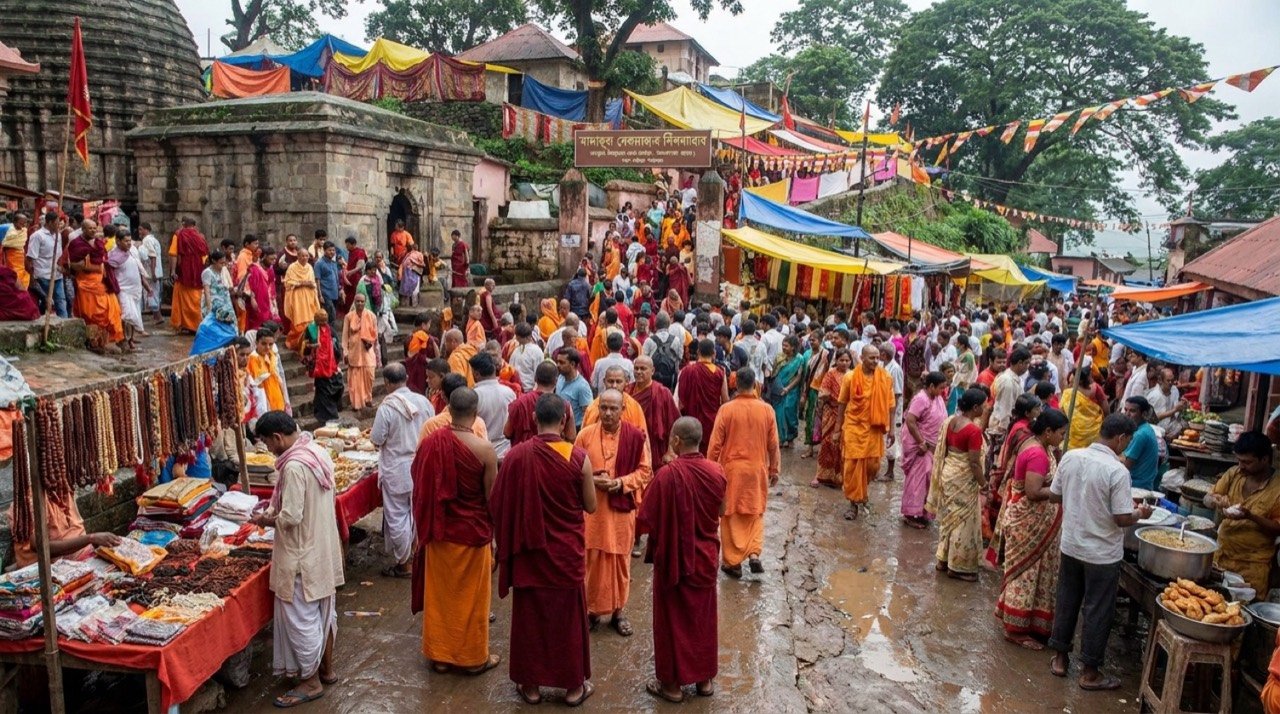
Ambubachi Mela Opens at Kamakhya Temple, Drawing Pilgrims and Livelihoods
The annual Ambubachi Mela at Guwahati's Kamakhya Temple has begun, drawing lakhs of pilgrims, sadhus and traders to one of India's most revered Shakti Peethas on Nilachal Hill.
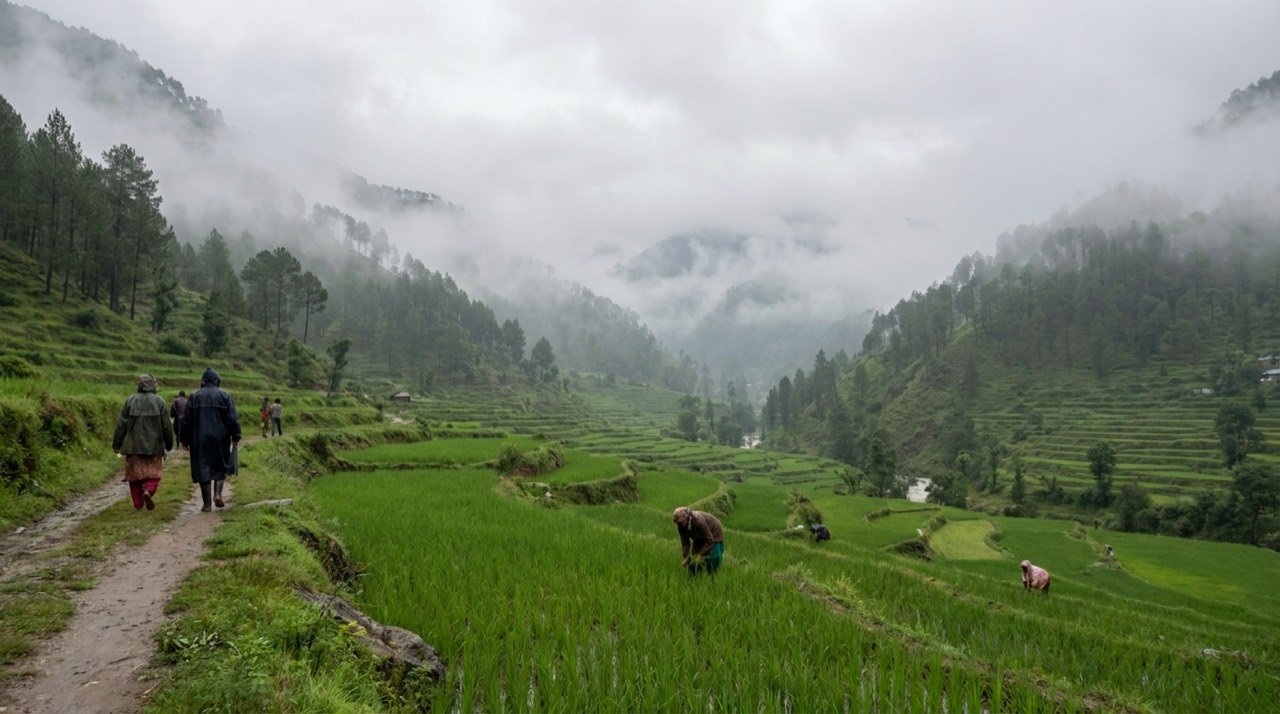
Misty Valleys and Cheaper Fares: India's Offbeat Monsoon Travel Boom in 2026
With domestic fares falling sharply and travellers seeking solitude, offbeat Himalayan hamlets, the rain-soaked Northeast and Ladakh's rain-shadow deserts are redrawing India's monsoon travel map in 2026.