Puri gears up for Rath Yatra as chariot construction races toward schedule
Artisans and servitors work through long days on the three new chariots of Lord Jagannath, Balabhadra and Devi Subhadra as the temple administration locks in the ritual calendar from Snana Purnima to Niladri Bije.
Commentary & Analysis ·
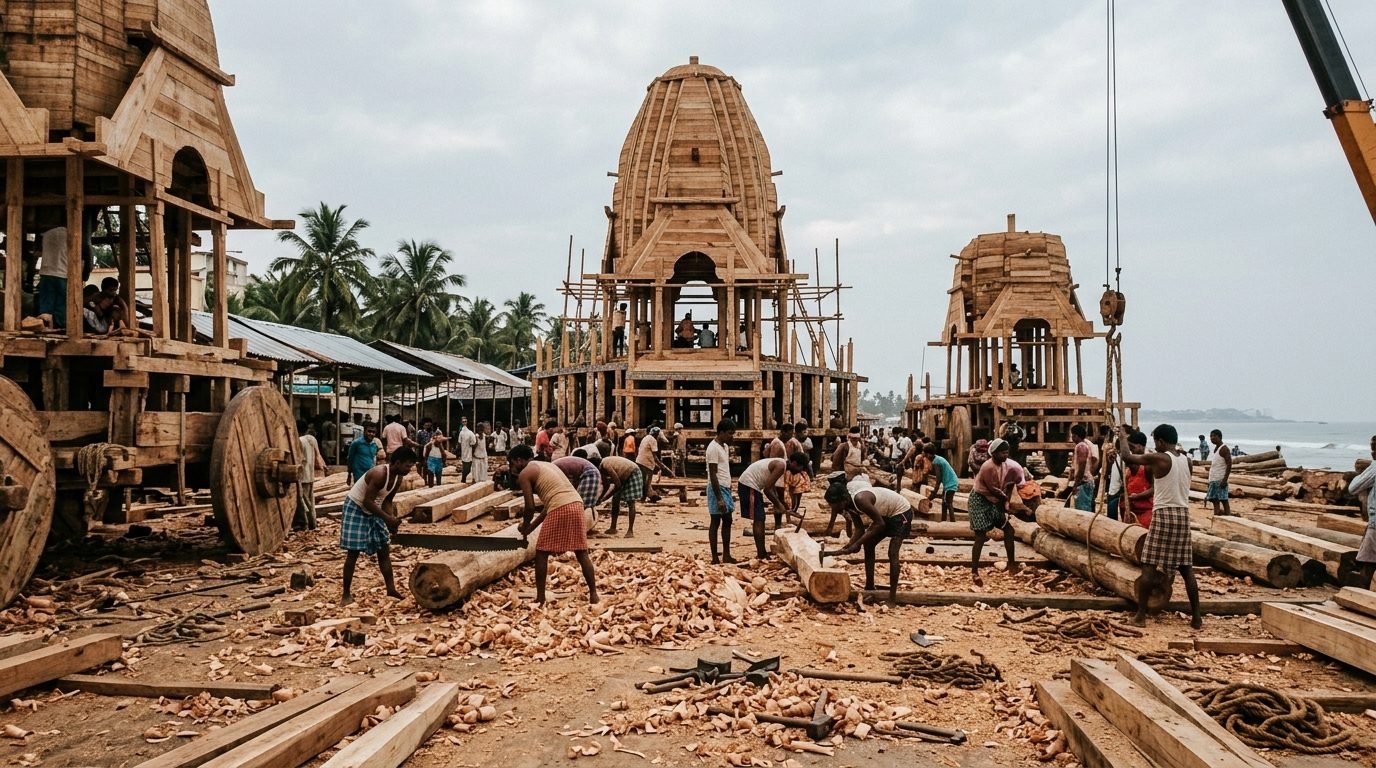
On the timber yards near the Shree Jagannath Temple in Puri, the rhythmic tap of mallets and the smell of fresh-cut wood have returned. Carpenters, painters and servitors are working through long summer days to build the three new chariots that will carry Lord Jagannath, Lord Balabhadra and Devi Subhadra during this year's Rath Yatra, the chariot festival that draws lakhs of devotees to the coastal town of Odisha each year.
Officials say the construction is progressing in step with the traditional schedule. Unlike most temple processions, the Puri chariots are built afresh every year from specified timber, following customs handed down over generations. Each stage of the work is supervised by designated servitors, and the administration has reported that the assembly of wheels, axles and superstructures is on track for the main procession in July.
A calendar fixed down to the ritual
The Shree Jagannath Temple Administration has finalised the sequence of rituals that frames the festival, working with the temple's traditional body of servitors. The schedule stretches from the preparatory rites through the holy bathing ceremony and the grand procession to the deities' return, with each ritual tied to a fixed day in the religious calendar.
A central marker this year is Deba Snana Purnima, the ceremonial bathing of the deities, which falls on 29 June. The main Rath Yatra, when the chariots are pulled along the Grand Road toward the Gundicha Temple, is scheduled for July. The administration has appealed to servitors for cooperation in conducting the Snana Yatra, the Rath Yatra and the Bahuda Yatra, or return journey, without disruption.
Why the chariots are rebuilt each year
The annual rebuilding of the chariots is one of the festival's most distinctive features. The three chariots differ in height, number of wheels and colour scheme, and each is associated with its own deity, presiding guardian and team of horses depicted in cloth and decoration. The work is divided among hereditary groups of craftsmen, each responsible for a particular component, in an arrangement that has shaped the local economy of devotion for centuries.
- Nandighosha, the chariot of Lord Jagannath, is the tallest of the three and traditionally carries the largest number of wheels.
- Taladhwaja, the chariot of Lord Balabhadra, follows in the procession with its own distinct colour scheme.
- Darpadalana, the chariot of Devi Subhadra, completes the trio that moves along the Grand Road.
- Each chariot is dismantled after the festival, with the timber reused for temple kitchens and other purposes.
Crowds, logistics and the long road ahead
With the festival expected to draw enormous crowds, the temple administration and the district authorities have begun coordinating on crowd management, sanitation and movement along the procession route. The Grand Road, which links the main temple to the Gundicha Temple, becomes the focal point of the festival, and managing the flow of devotees safely is a recurring challenge.
Servitors involved in the rituals have been asked to keep to the agreed timings so that the sequence of ceremonies unfolds smoothly. The administration has framed the appeal as a shared responsibility, noting that the orderly conduct of the Snana Yatra and the chariot festival depends on the discipline of those performing the rites as much as on the arrangements made for visitors.
A festival that anchors a calendar
For Puri, the Rath Yatra is more than a single day of spectacle. It is the culmination of weeks of preparation that begin with the felling and shaping of timber and run through a tightly ordered series of rituals. The festival also shapes travel and hospitality across Odisha, with pilgrims and tourists planning their journeys around the procession dates.
As the chariots take shape on the yards and the ritual calendar is confirmed, the months of quiet preparation are giving way to the visible build-up that announces the approach of one of India's most widely watched religious events. The coming weeks will see the bathing ceremony, the period the deities traditionally spend in seclusion, and then the public procession that defines the festival.
The NE Times View
The Rath Yatra is a logistical marvel as much as a spiritual one, mobilising artisans, servitors and an administration that must marry centuries-old ritual with modern crowd safety. The race to finish three chariots on schedule underscores how living tradition depends on hereditary craft that quietly resists commercialisation. The real measure of success will be a festival that honours its devotees without a stampede, the test every mass pilgrimage in India must pass.
This article is original commentary and analysis by The NE Times. Background facts were referenced from ANI and ETV Bharat.
You may also like to read
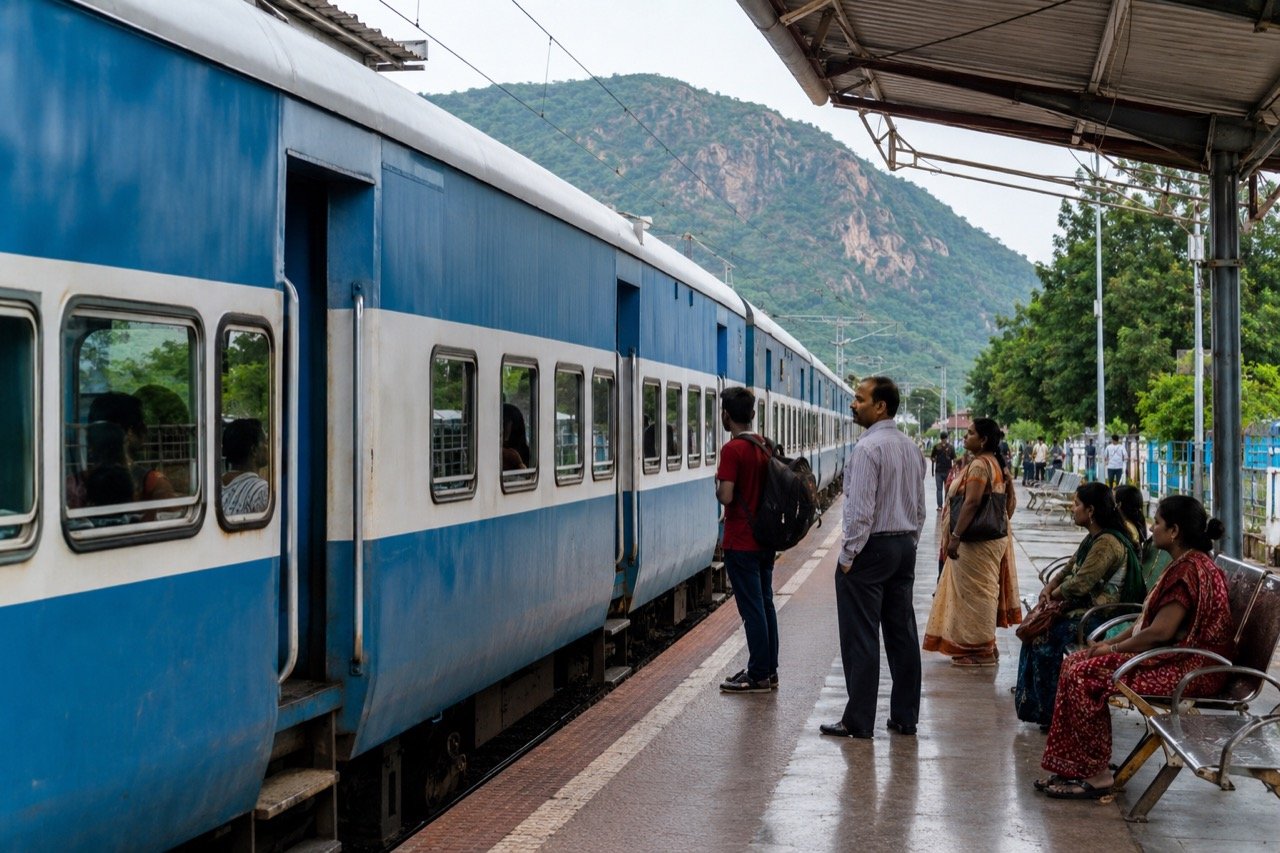
Puri-Koraput Express: New Train to Link Coastal and South Odisha
Indian Railways is introducing the Puri-Koraput Express to give Odisha a more direct passenger link between its coastal pilgrimage hub and the southern hill districts, with route and timetable details now published.
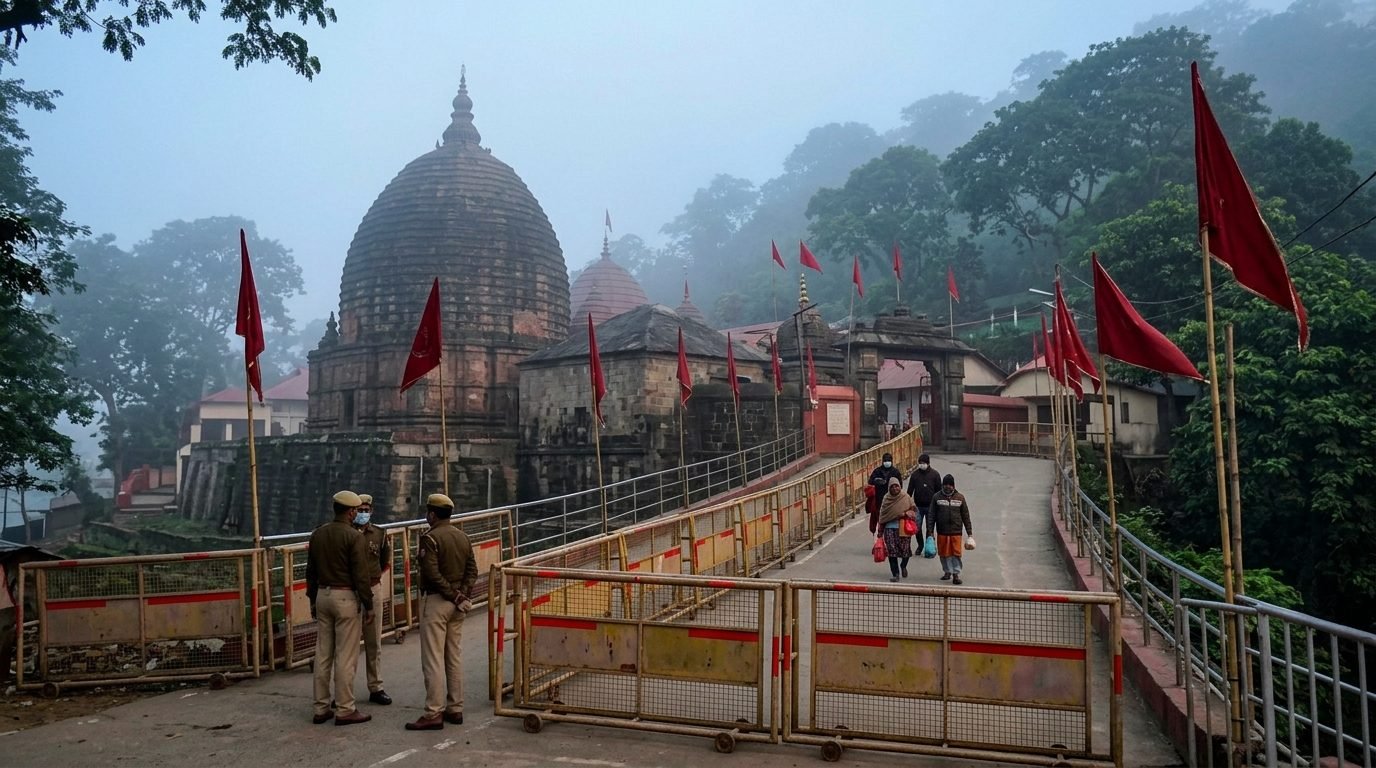
Kamakhya gears up for Ambubachi Mela 2026 with new entry route and tighter security
The four-day festival on Guwahati's Nilachal Hills, often called the 'Mahakumbh of the East', opens late on 22 June, with authorities adding a fresh access road from the Pandu side to ease the crush of lakhs of pilgrims, sadhus and tantriks.

Brahmapur-Udhna Amrit Bharat Express Goes Daily, Boosting Odisha Link
The Brahmapur-Udhna Amrit Bharat Express is set to run every day, giving passengers travelling between Odisha and Gujarat a more dependable and affordable long-distance rail option for work, study and family journeys.
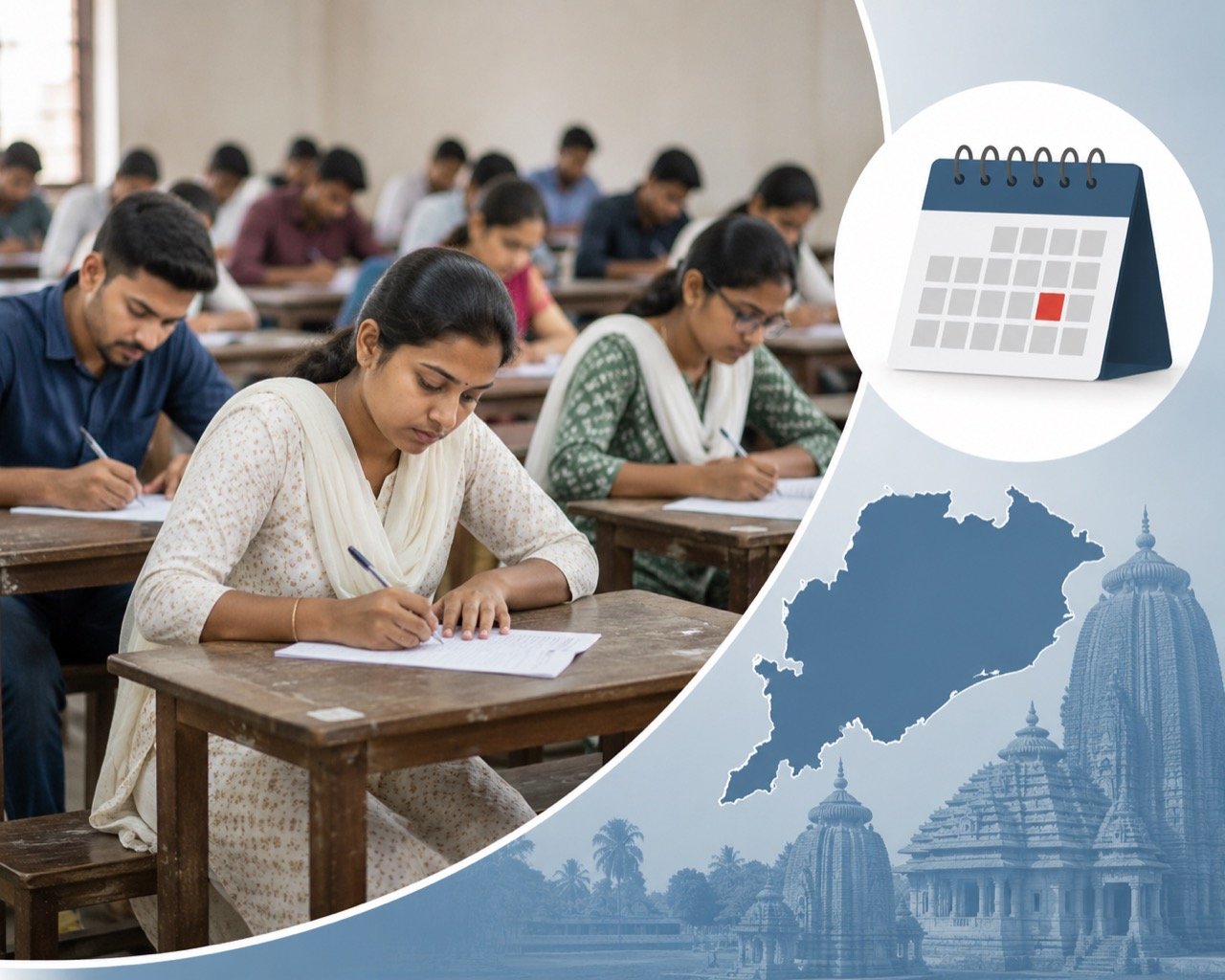
OTET 2026 Moved to July 5 After Clash With OSSSC Exam Sparks Protests
Odisha's Teacher Eligibility Test has been rescheduled to July 5 after candidates flagged a date clash with an OSSSC recruitment exam, a shift that spotlights how poorly coordinated exam calendars can cost aspirants opportunities.
More from this section
More
AICTE Industry Fellowship 2026: Rs 1.5 Lakh Scheme Closes July 5
The AICTE Industry Fellowship Programme 2026, which places technical-education faculty inside leading companies on a Rs 1.5 lakh monthly stipend, reached its application deadline on July 5.

Bay of Bengal Low Pressure System Revives Monsoon Over Western India
A low-pressure system over the Bay of Bengal has pushed the monsoon back into an active phase, bringing steady heavy rain to Kerala, coastal Karnataka and Maharashtra, and putting Mumbai and Pune on preparedness watch.
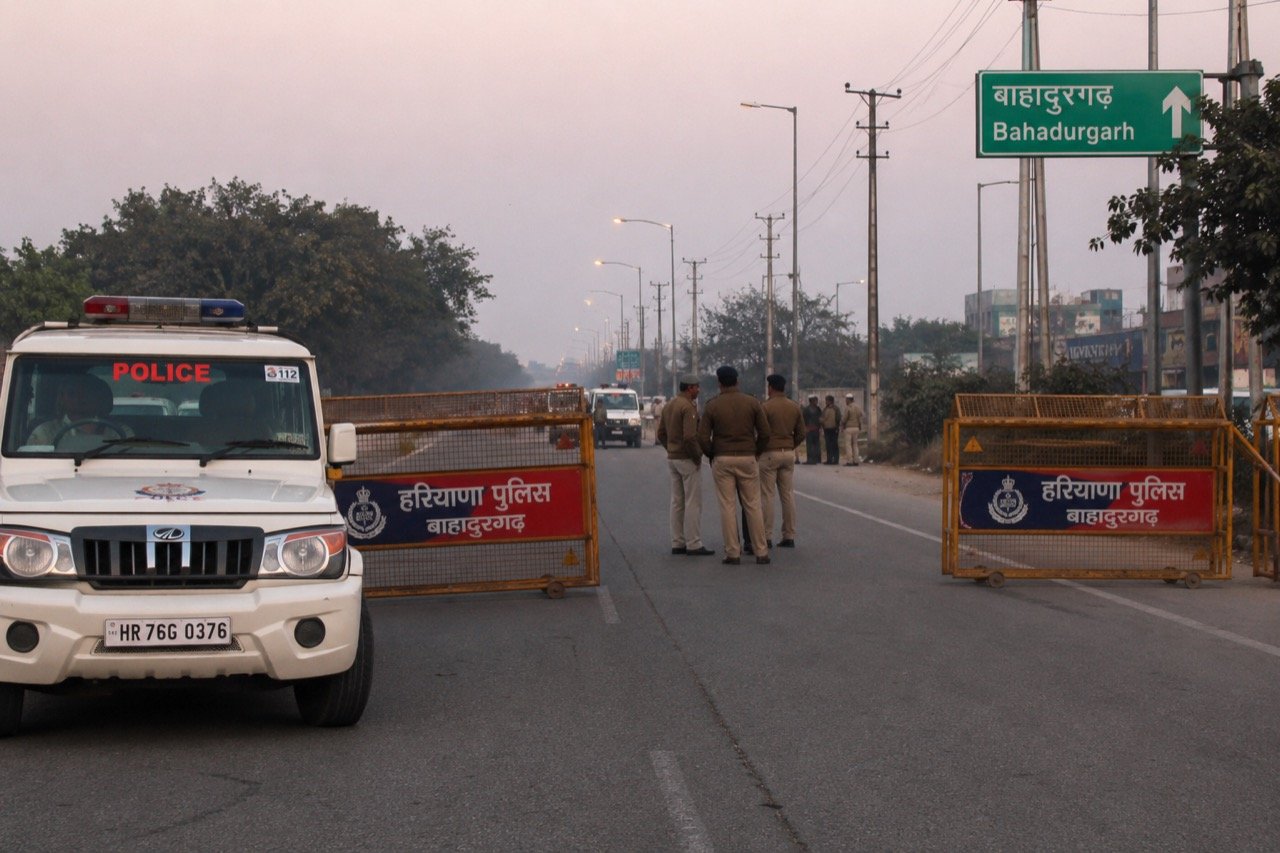
Bishnoi Gang Suspects Injured in Haryana Encounter as Police Tighten Net
A joint Haryana-Delhi Police operation in Bahadurgarh left two suspected Lawrence Bishnoi gang members injured, spotlighting the multi-state coordination now central to India's fight against organised crime networks.