Parliament's Monsoon Session to Take Up Key Economic and Welfare Bills
Lawmakers return to a packed legislative agenda, with debate expected on data-protection rules, labour codes and a fresh welfare push ahead of state polls.
Commentary & Analysis ·
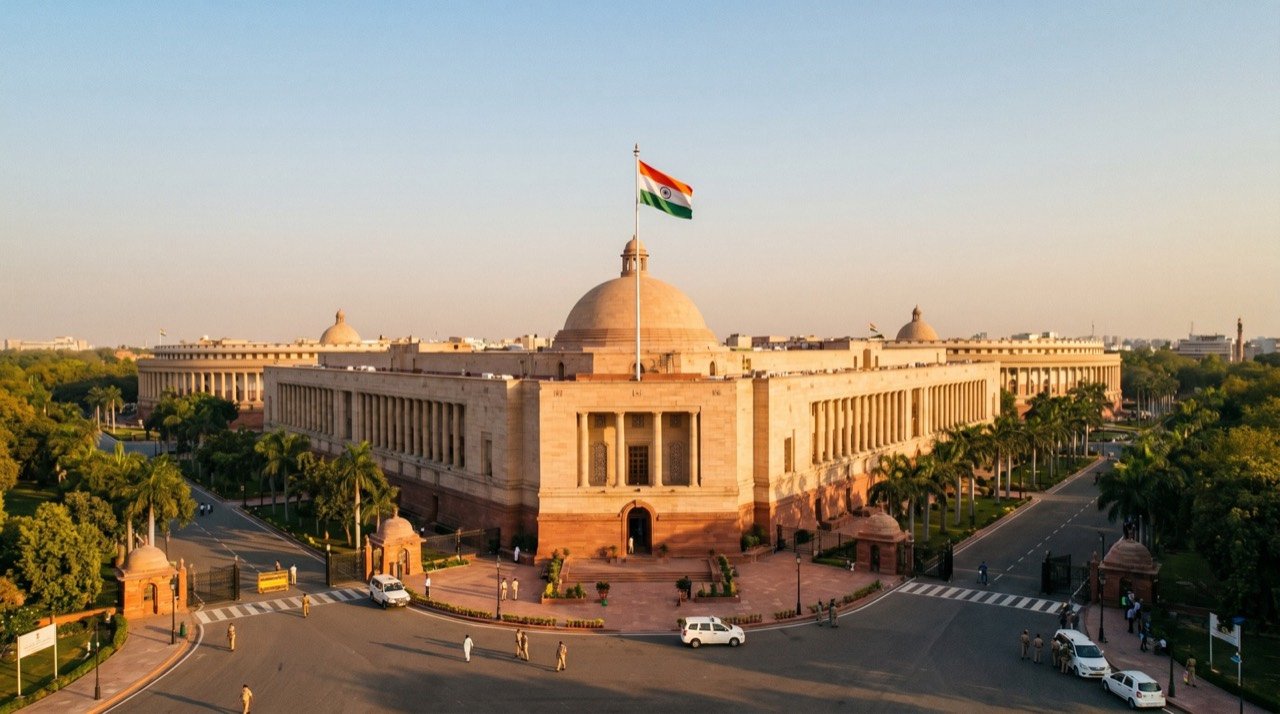
Parliament is set to convene for its monsoon session with a crowded order paper, as the government lines up a series of economic and welfare measures for debate and the opposition sharpens its lines of attack. The session, one of the busier stretches of the legislative year, arrives at a moment when both sides are eager to define the political narrative for the months ahead.
Among the items expected to draw the sharpest exchanges are revised rules under the data-protection framework, the rollout of consolidated labour codes, and a renewed package aimed at rural employment and small enterprise. Each touches on questions that affect large numbers of citizens and businesses, ensuring that the debates will be watched closely well beyond the walls of Parliament.
The legislative agenda
The data-protection rules sit at the intersection of privacy, technology and commerce, and the fine print of how personal information may be collected, stored and used is likely to attract scrutiny from lawmakers, industry and civil society alike. The consolidated labour codes, meanwhile, represent an effort to streamline a tangle of older laws governing wages, working conditions and industrial relations — a reform whose practical implementation has long been a subject of debate.
Rounding out the headline measures is a fresh welfare push directed at rural employment and small enterprise, areas seen as central both to livelihoods and to the political calculations of an election season. Together, the bills span the economy from the digital frontier to the village workshop.
A test of numbers and nerves
Floor managers on both sides have spent the recess shoring up alliances. Analysts say the session will be as much about political signalling ahead of upcoming state polls as about the legislation itself, with every speech and procedural move calibrated for an audience that extends to the electorate. The arithmetic of votes in each chamber, and the discipline of coalition partners, will shape what passes and what stalls.
“This session will set the tone for the political year. Every bill is also a message to the electorate.”
— A political analyst
Calls for careful scrutiny
Civil-society groups have urged lawmakers to allow committee scrutiny of complex bills rather than fast-tracking them, warning that rushed legislation often returns to haunt the statute books. Detailed examination in parliamentary committees, they argue, can surface drafting flaws and unintended consequences before laws take effect, sparing the trouble of amendments and legal challenges later.
The session is also likely to feature pointed questions on inflation, employment and the pace of infrastructure spending — the everyday concerns that tend to dominate the opposition's questioning and to test the government's account of its record.
- Revised rules under the data-protection framework
- Rollout of consolidated labour codes
- A renewed welfare package for rural employment and small enterprise
- Pointed questions expected on inflation, jobs and infrastructure
The outlook
With state polls on the horizon, the monsoon session is poised to be a proving ground for both the government's agenda and the opposition's challenge, setting the political temperature for the year to come. How much of the legislative programme clears both houses, and how heated the debates become, will offer an early read on the balance of forces heading into the campaign.
The NE Times View
A session loaded with data-protection rules, labour codes and a pre-poll welfare push is consequential, and that is precisely why it must not be rushed. India's recent record of passing major laws with thin debate and minimal scrutiny has hurt the quality of legislation. Welfare timed to state elections deserves particular scepticism about motive versus merit. We will watch whether Parliament deliberates or merely processes these bills through.
You may also like to read
Centre Lines Up Six New Bills for Monsoon Session as Crowded Legislative Agenda Takes Shape
The Union government is preparing a packed monsoon session of Parliament, slating six fresh bills alongside the Finance Bill and a high-stakes return of the delimitation legislation in late July.
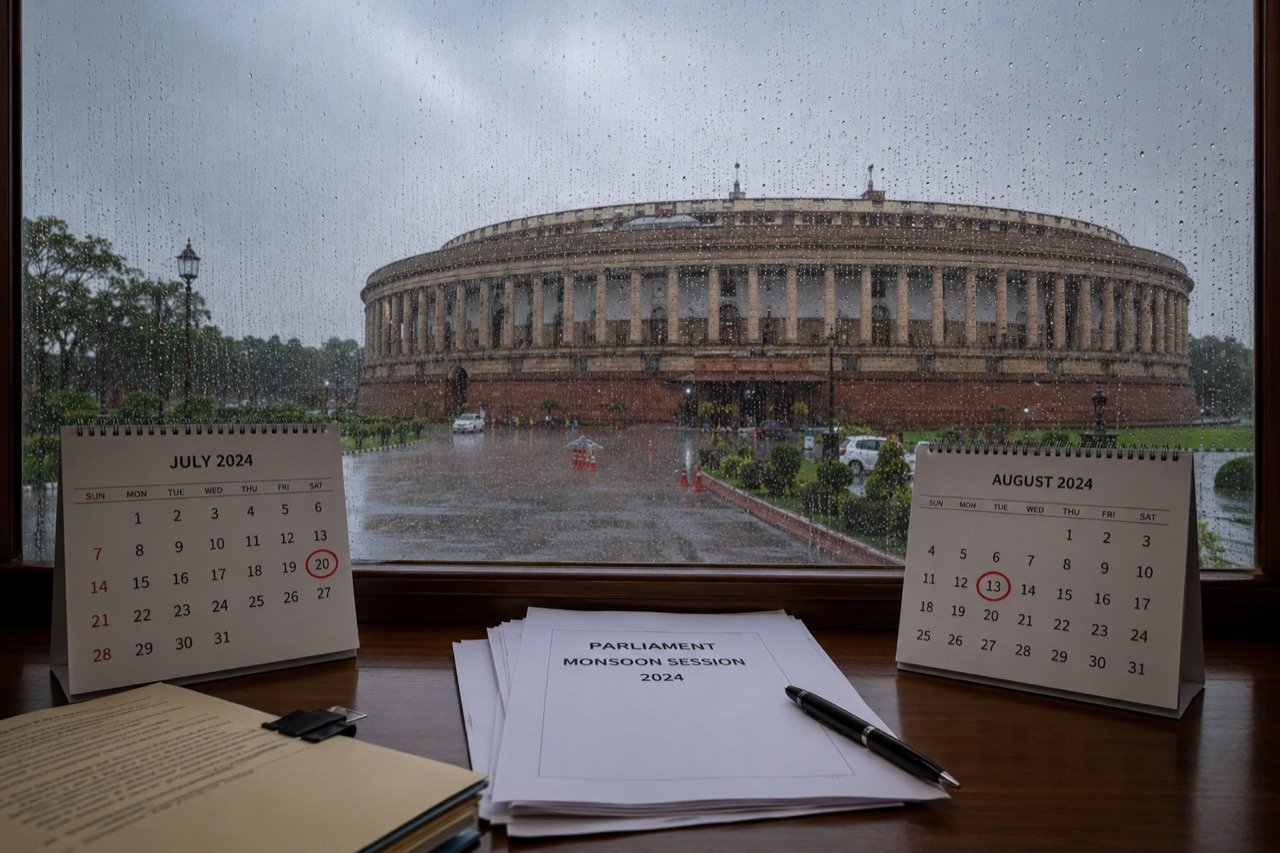
Parliament's Monsoon Session Set For July 20 To August 13
President Droupadi Murmu has approved the government's recommendation for the 2026 Monsoon Session, giving India's political calendar a fixed window for legislation, debate and opposition strategy.
Six New Bills, Disaster Law Overhaul Headline Parliament's Monsoon Session
The government is preparing six fresh bills, including an amendment to the disaster management law and a new aviation statute, for a monsoon session set to run from 21 July to 12 August.
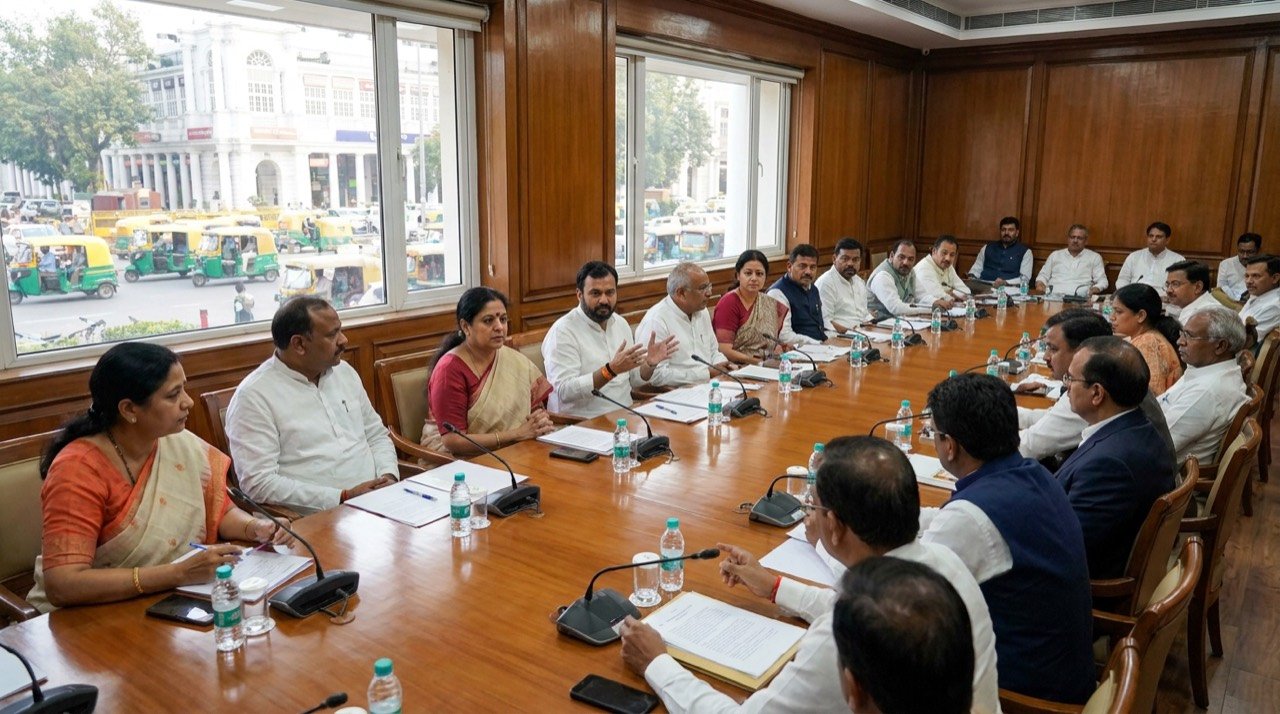
INDIA Bloc Reaches Five-Point Consensus After Allies Push Back on Congress
A tense INDIA alliance meeting in New Delhi ended with a five-point agreement and a vow to meet bimonthly, even as Left, SP and RJD leaders bluntly told the Congress to act as the coalition's glue.
More from this section
More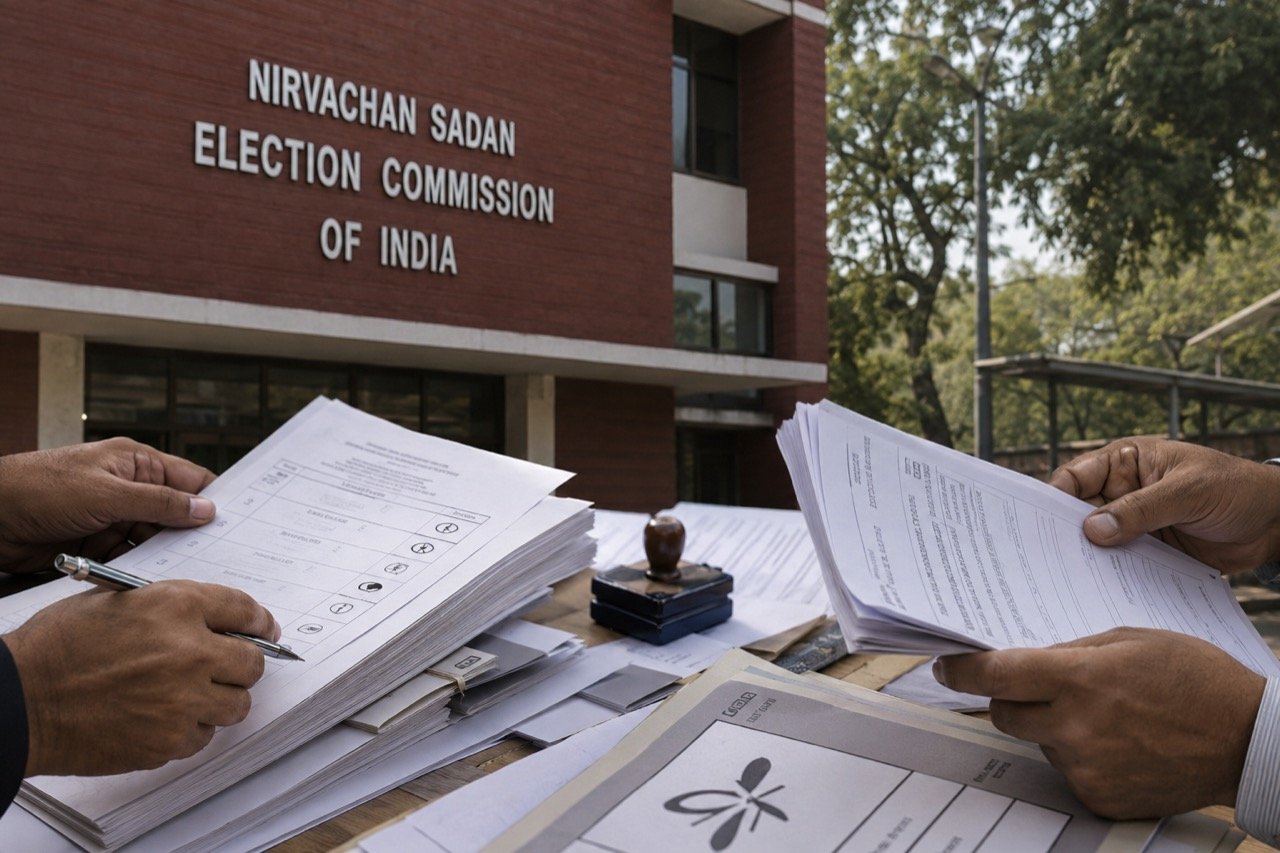
K Kavitha Party Denied TRS Name by Election Commission
The Election Commission has refused to register K Kavitha's Telangana Rakshana Sena under the TRS acronym after objections, forcing a branding reset for the new party at a politically sensitive moment in Telangana.
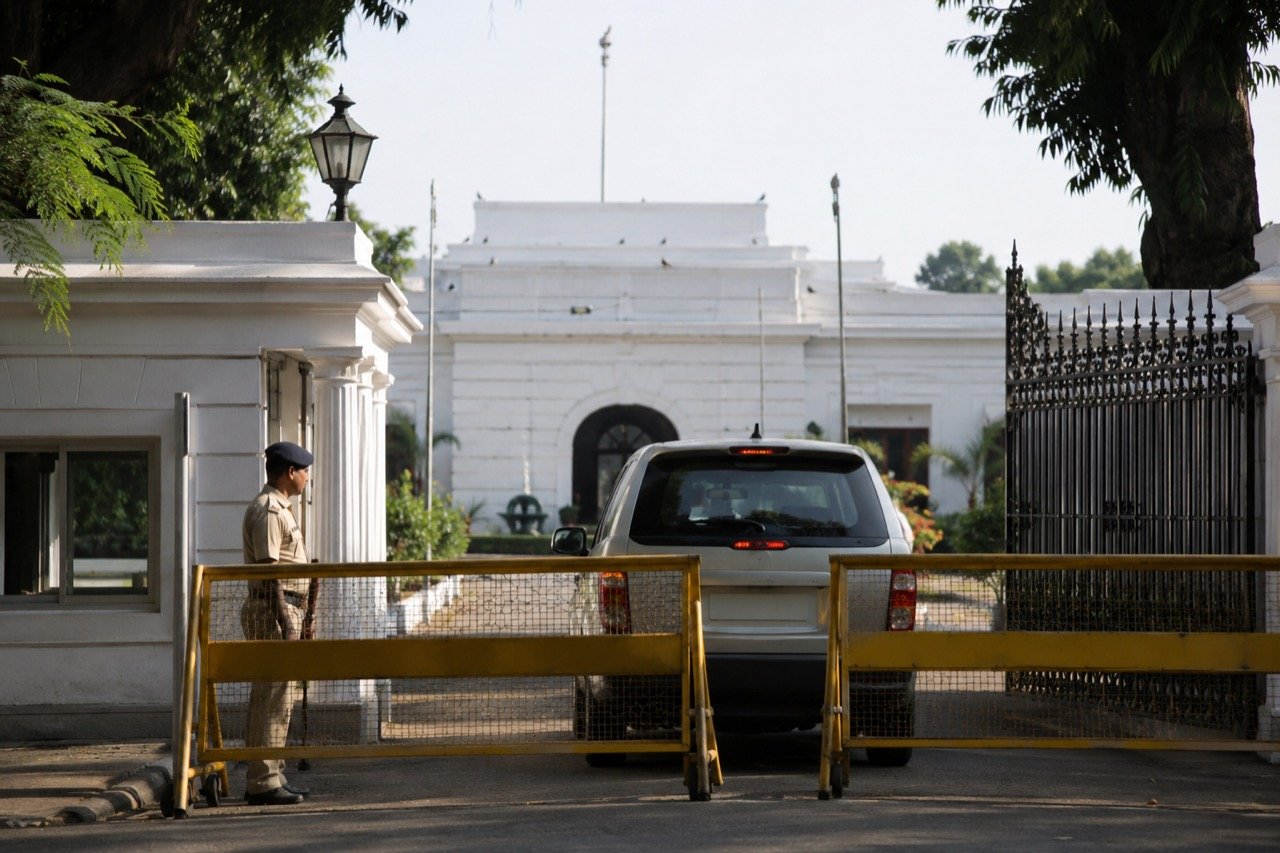
Lalu Prasad Yadav Security Downgrade, Bungalow Order Stir Bihar
A government order downgrading Lalu Prasad Yadav's security cover and asking him to vacate an official bungalow has opened a fresh political flashpoint in Bihar, with the RJD chief's reaction fuelling the row.
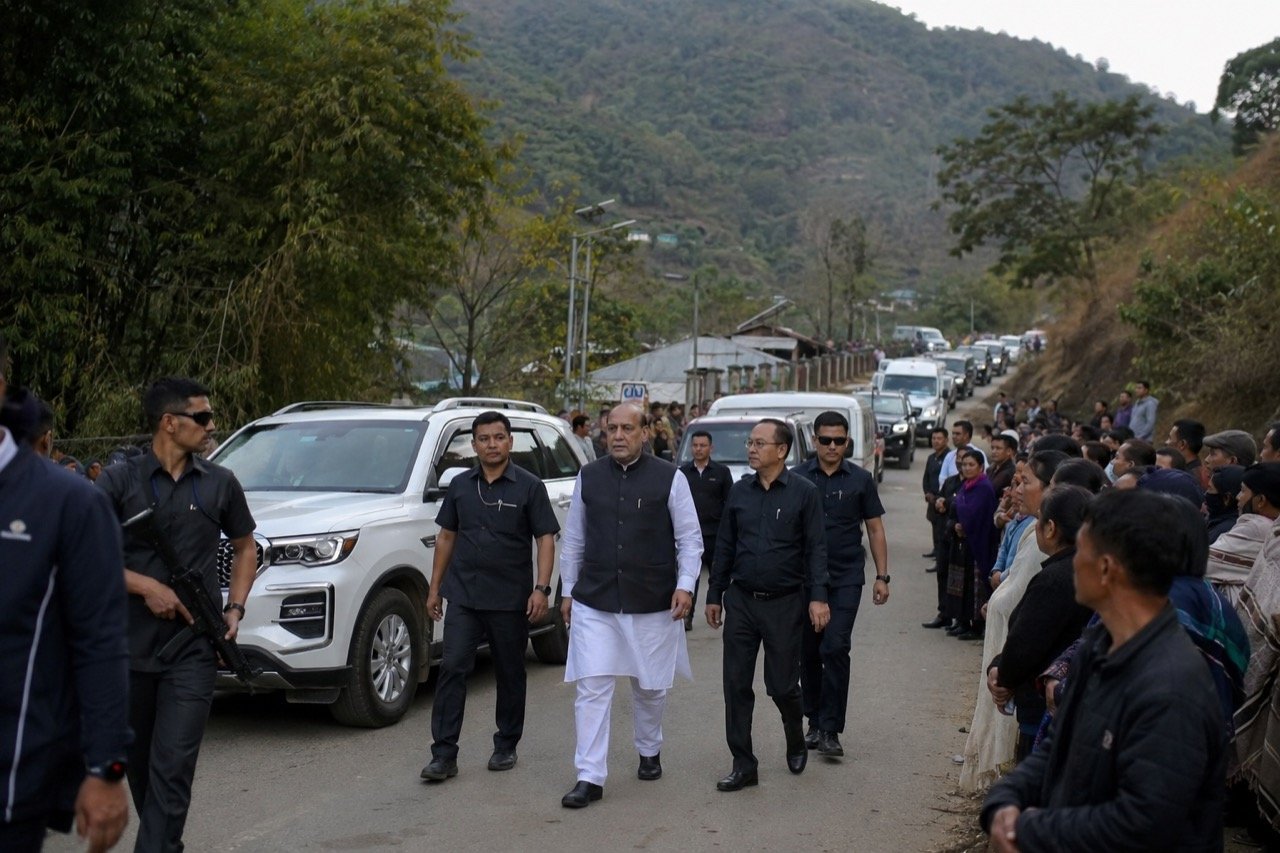
Manipur CM's Churachandpur Visit: First Since 2023 Unrest
The Manipur Chief Minister travelled to Churachandpur for a BJP MLA's funeral, his first visit to the district since the 2023 violence, lending the sombre occasion an unmistakable political significance.