Parliament Monsoon Session Set For July 21 To August 12 With Heavy Legislative Load
Parliamentary Affairs Minister Kiren Rijiju has confirmed the 2026 monsoon session will run from July 21 to August 12, with the government lining up a crowded bills agenda for both Houses.
Commentary & Analysis ·
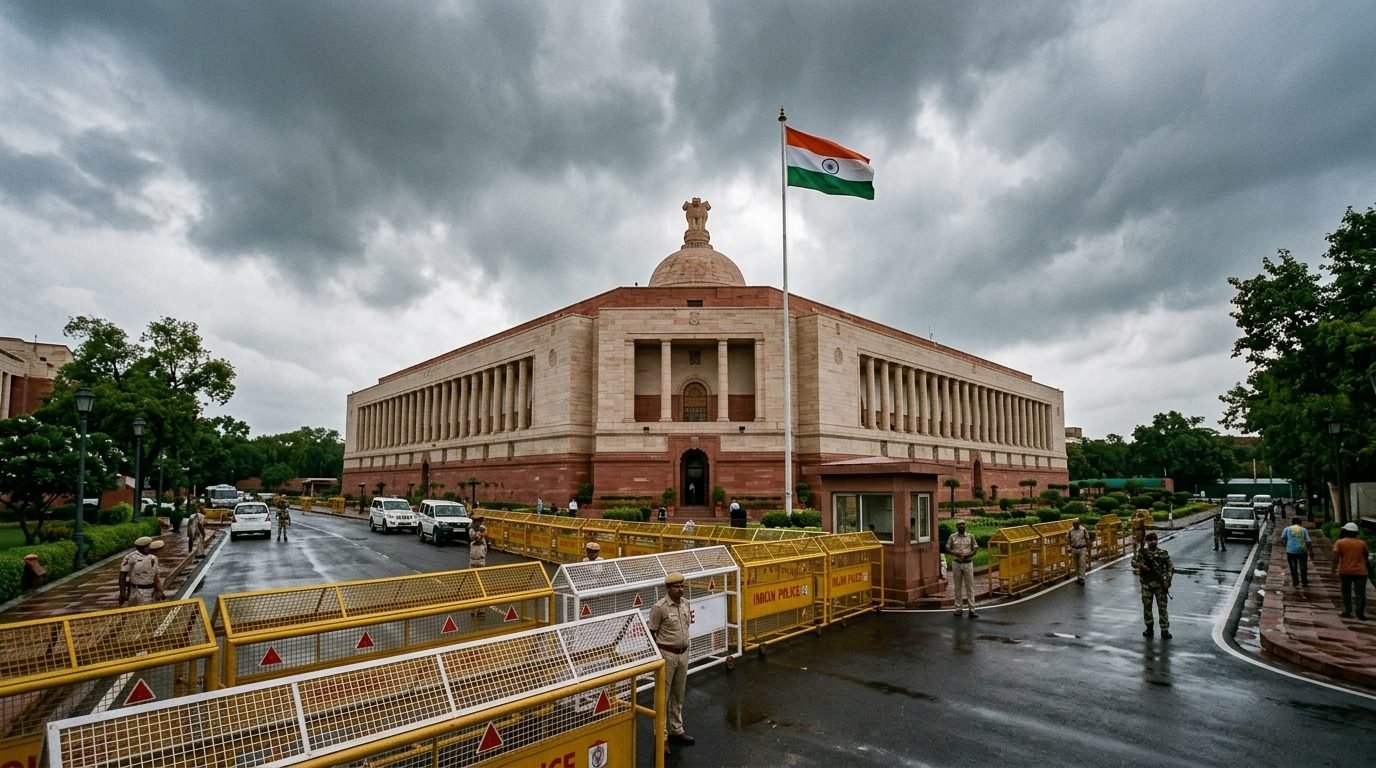
The Union government has firmed up the calendar for the monsoon session of Parliament, with Parliamentary Affairs Minister Kiren Rijiju confirming that both Houses will sit from July 21 to August 12. The roughly three-week window, spanning a tight clutch of working days, is expected to host one of the busier legislative agendas of the year, with the Treasury benches keen to clear a backlog of measures that slipped through earlier sessions.
What the calendar looks like
The session has been pencilled in across the second half of July and the first fortnight of August, a period that traditionally overlaps with the southwest monsoon at its peak in the capital. Officials say the dates were settled after consultations within the Cabinet Committee on Parliamentary Affairs, balancing the need for adequate sitting days against the calendar of state-level engagements and the budget cycle.
The government has signalled that it wants to use the available days efficiently, with managers indicating that question hour, zero hour and scheduled bill debates will be protected as far as possible from disruption. The Opposition, for its part, has flagged a long list of issues it intends to raise once the House convenes.
The bills in the queue
A number of measures are expected to come up for consideration, including legislation that lapsed or was deferred in the budget session. Among the most closely watched is the government's stated intention to revisit delimitation-related legislation after an earlier constitutional amendment failed to clear the required threshold. Financial and administrative measures, along with sector-specific reform bills, are also expected to feature in the list of business circulated to members.
- Session dates: July 21 to August 12, 2026, across both Houses.
- Government plans to reintroduce delimitation-linked legislation after an earlier setback.
- A mix of financial, administrative and sector reform bills is expected on the agenda.
- Opposition parties have signalled they will press for debates on price rise and federal issues.
- Sitting days remain limited, raising pressure to avoid disruptions.
What to watch
The arithmetic of the two Houses will shape how much the government can push through. With the Lok Sabha and Rajya Sabha numbers what they are, measures requiring only a simple majority are likely to move more smoothly than those needing special majorities, a distinction that proved decisive in the budget session. Floor coordination between coalition partners and the management of Opposition demands for discussions will be the early tests of the session's temper.
“The government wants a productive session and is open to discussion on the issues members wish to raise, within the rules of the House.”
— Kiren Rijiju, Parliamentary Affairs Minister
With the session still a few weeks away, both sides are expected to spend the interregnum sharpening their strategies. For the government, the priority is a clean run on its priority bills; for the Opposition, the session offers a national stage ahead of a busy electoral calendar. How the two impulses collide on the floor will set the tone for the second half of the year.
The NE Times View
A confirmed calendar and a crowded bills list mean little if the session dissolves into the disruption-and-adjournment ritual both sides have perfected. A heavy legislative load demands actual scrutiny, committee referrals and debate, not bills bulldozed through a thinning House in minutes. Parliament's worth is measured in deliberation, not throughput. The government should resist haste and the opposition should resist theatre, though recent sessions give little cause for optimism.
This article is original commentary and analysis by The NE Times. Background facts were referenced from DD News and The Statesman.
You may also like to read
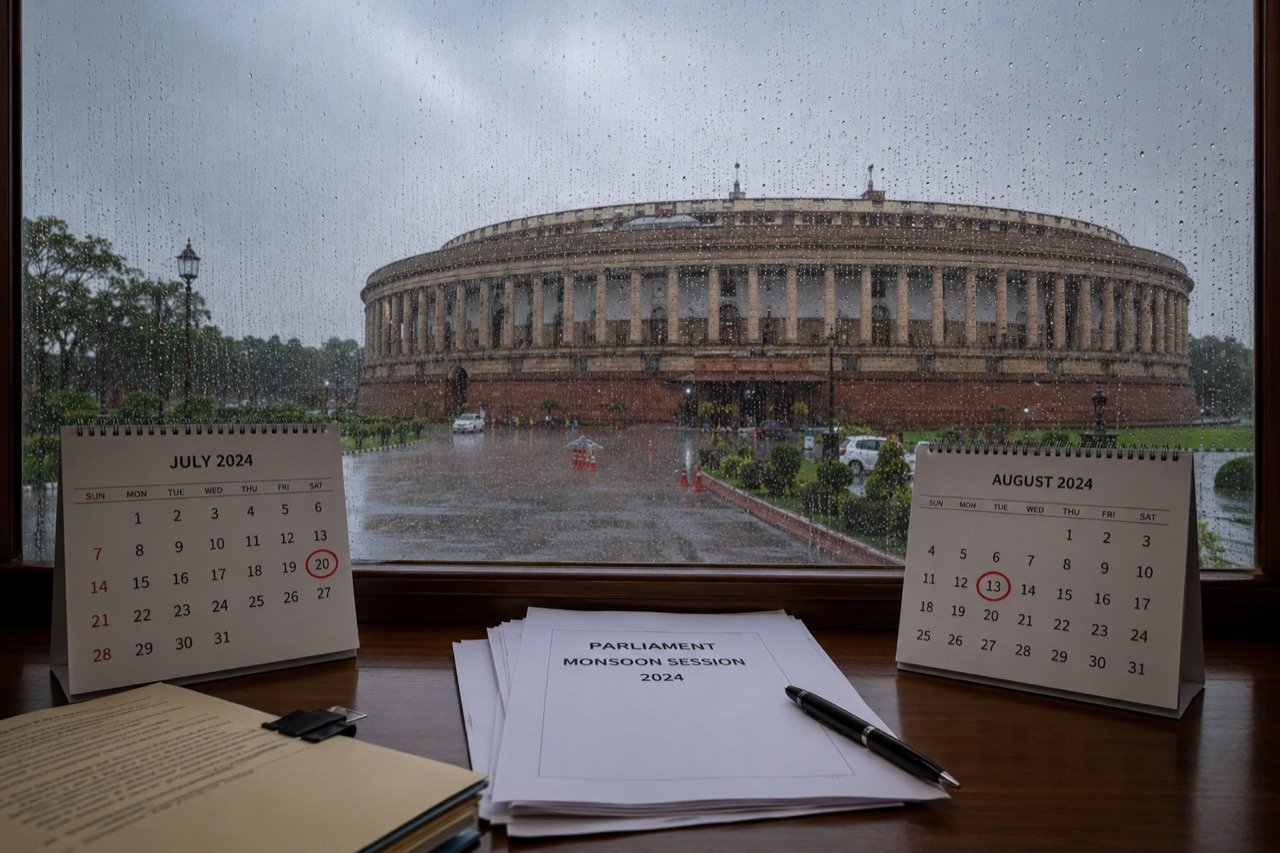
Parliament's Monsoon Session Set For July 20 To August 13
President Droupadi Murmu has approved the government's recommendation for the 2026 Monsoon Session, giving India's political calendar a fixed window for legislation, debate and opposition strategy.
Centre Lines Up Six New Bills for Monsoon Session as Crowded Legislative Agenda Takes Shape
The Union government is preparing a packed monsoon session of Parliament, slating six fresh bills alongside the Finance Bill and a high-stakes return of the delimitation legislation in late July.
Parliament's Monsoon Session to Take Up Key Economic and Welfare Bills
Lawmakers return to a packed legislative agenda, with debate expected on data-protection rules, labour codes and a fresh welfare push ahead of state polls.
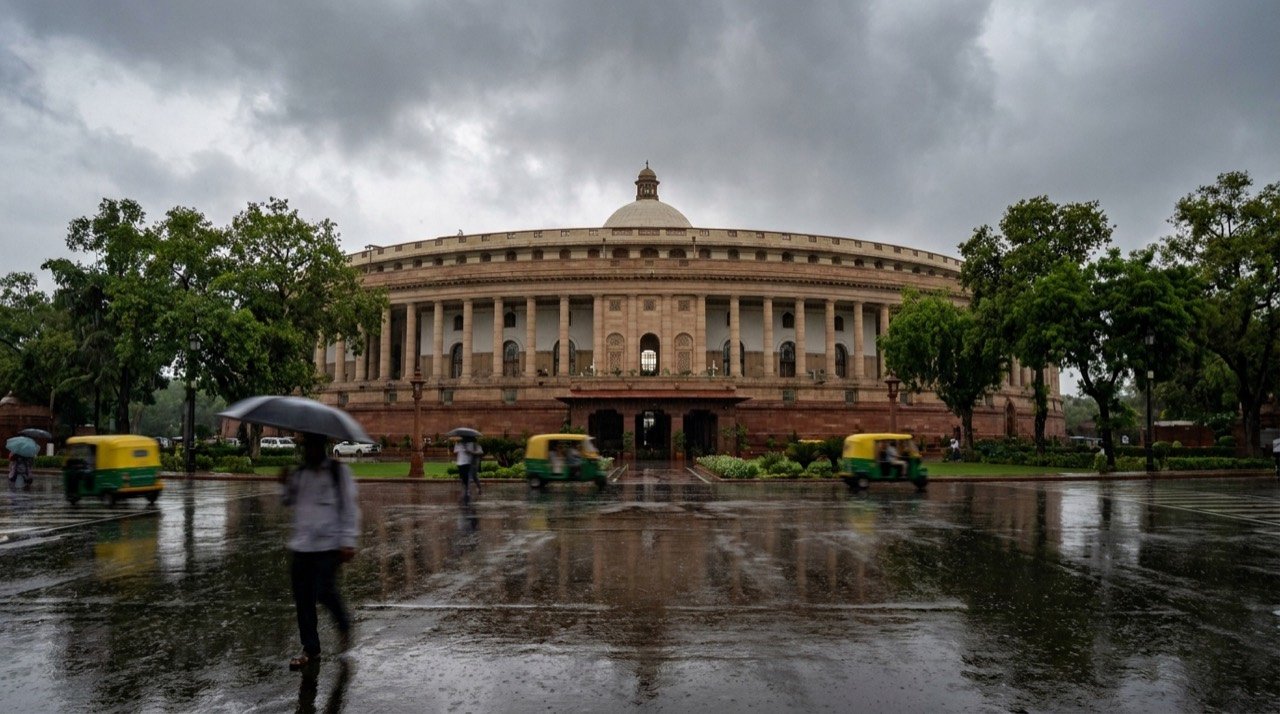
Six New Bills, Disaster Law Overhaul Headline Parliament's Monsoon Session
The government is preparing six fresh bills, including an amendment to the disaster management law and a new aviation statute, for a monsoon session set to run from 21 July to 12 August.
More from this section
More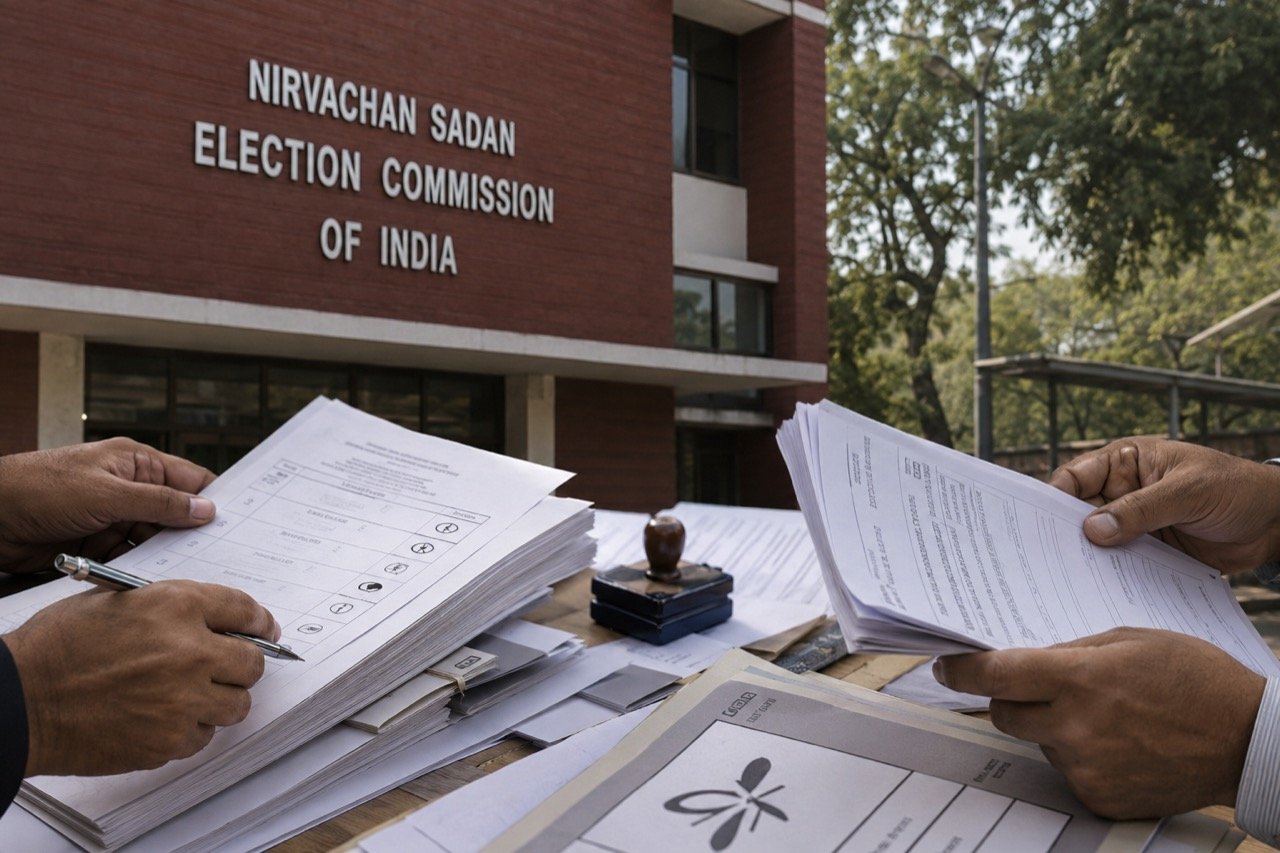
K Kavitha Party Denied TRS Name by Election Commission
The Election Commission has refused to register K Kavitha's Telangana Rakshana Sena under the TRS acronym after objections, forcing a branding reset for the new party at a politically sensitive moment in Telangana.
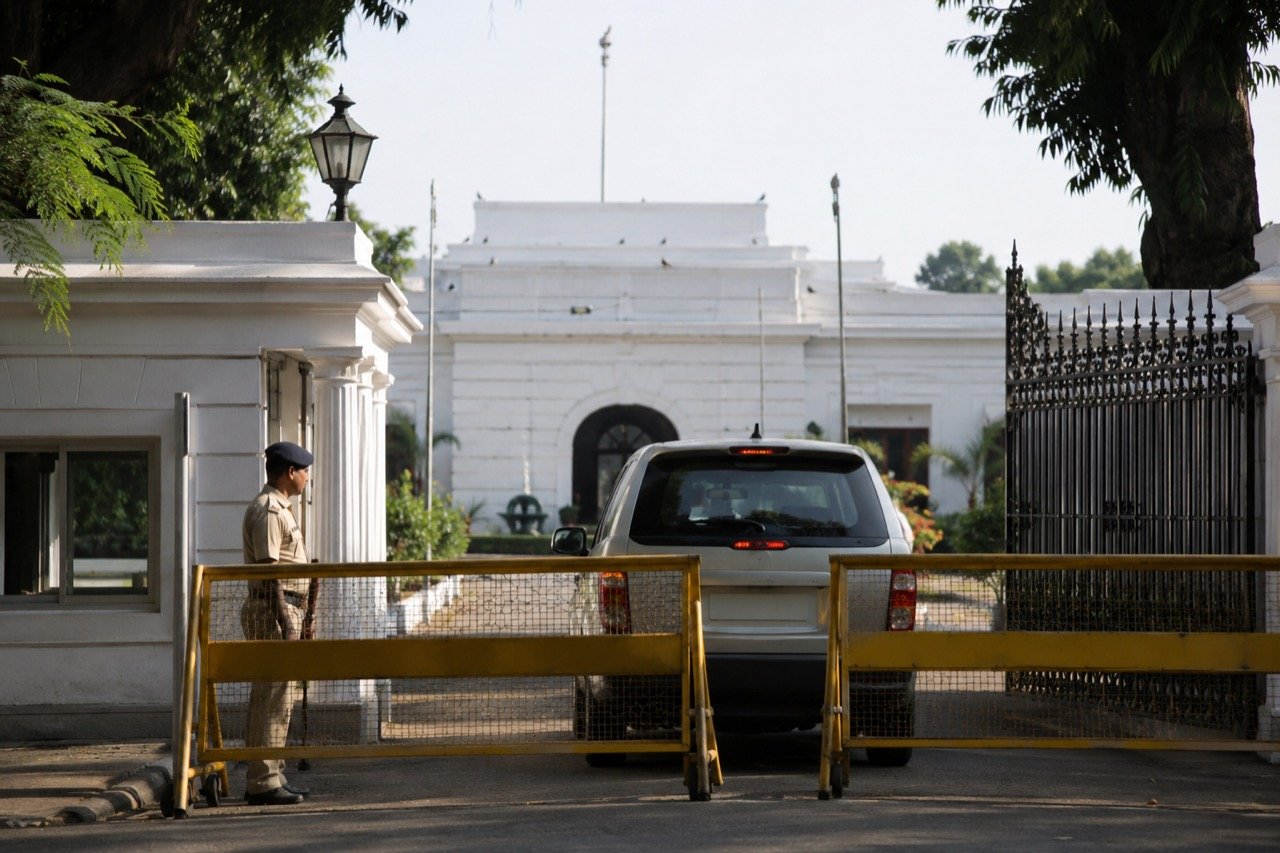
Lalu Prasad Yadav Security Downgrade, Bungalow Order Stir Bihar
A government order downgrading Lalu Prasad Yadav's security cover and asking him to vacate an official bungalow has opened a fresh political flashpoint in Bihar, with the RJD chief's reaction fuelling the row.
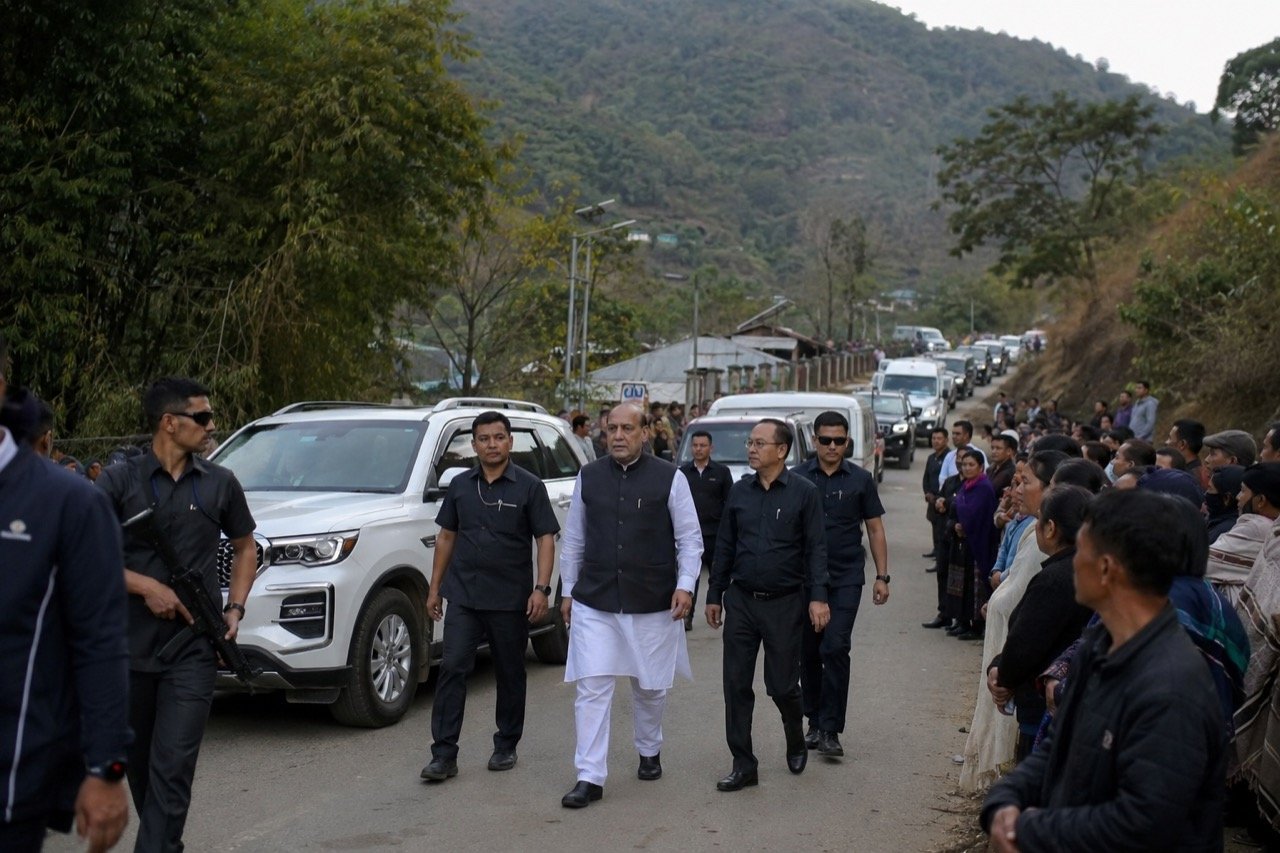
Manipur CM's Churachandpur Visit: First Since 2023 Unrest
The Manipur Chief Minister travelled to Churachandpur for a BJP MLA's funeral, his first visit to the district since the 2023 violence, lending the sombre occasion an unmistakable political significance.