Government Plans Fresh Push On Delimitation After 131st Amendment Defeat
Having seen the Constitution (131st Amendment) Bill fall short of the two-thirds majority earlier this year, the Centre is preparing to bring delimitation-linked legislation back in the monsoon session.
Commentary & Analysis ·

The Centre is preparing to make a fresh attempt at delimitation legislation in the upcoming monsoon session, returning to a subject that handed the government a rare floor reverse earlier in the year. The Constitution (131st Amendment) Bill, 2026, which sought to fast-track the implementation of women's reservation by enabling a delimitation exercise, fell short of the two-thirds majority it required, forcing the withdrawal of dependent statutory measures.
How the earlier bill fell
When the constitutional amendment was put to vote, it secured 298 votes in favour, well below the threshold needed to amend the Constitution in a House of its strength. Because the amendment did not pass, the linked Delimitation Bill, 2026, and the Union Territories Laws (Amendment) Bill, 2026, could not proceed and were withdrawn, leaving the women's reservation timeline once again uncertain.
Opposition members had argued that tying women's reservation to a population-based delimitation risked penalising states that had effectively controlled their population growth, a concern voiced sharply by southern and northeastern members who warned of a demographic penalty in any future redistribution of seats.
The Centre's calculation
Government managers are now weighing how to restructure the package so that it can clear the House. One option being discussed is to decouple the women's reservation question from the contentious delimitation timeline, an approach the Congress had urged during the earlier debate when it suggested implementing reservation on the current strength of 543 Lok Sabha seats. Whether the government moves a recast amendment or a narrower statutory bill will determine the political reception it receives.
- The 131st Amendment got 298 votes, short of the two-thirds majority required.
- Its defeat forced withdrawal of the linked Delimitation and UT Laws bills.
- Opposition fears a 'demographic penalty' for population-control states.
- Congress wants women's reservation delinked from delimitation timing.
- Government is expected to reintroduce a recast measure in the monsoon session.
The road ahead
Delimitation touches one of the most sensitive fault lines in Indian federal politics, balancing the principle of equal representation against the fear that a redistribution based on later census figures could shift parliamentary weight towards the more populous northern states. Any fresh bill will therefore be read as much for its political signalling as for its constitutional mechanics, and the government will need to build cross-party comfort to avoid a repeat of the budget-session outcome.
“The principle of women's reservation enjoys broad support; the disagreement is over how and when it is operationalised.”
— A senior opposition floor manager, paraphrased
For now, the subject sits at the intersection of women's empowerment, federal balance and electoral strategy, a combination that guarantees a charged debate whenever the bill returns. The coming weeks will reveal whether the Centre has found a formula capable of bridging the divide that sank its earlier effort.
The NE Times View
Delimitation is the most consequential and least discussed fault line in Indian federalism, because population-based reapportionment risks punishing the southern states that controlled their numbers and rewarding those that did not. The 131st Amendment's defeat showed the Centre cannot simply muscle this through. Bringing it back demands genuine consensus and a formula that does not hollow out the South's voice. This is constitutional surgery, not ordinary legislation, and it should not be rushed.
This article is original commentary and analysis by The NE Times. Background facts were referenced from PTI and Indian Express.
You may also like to read
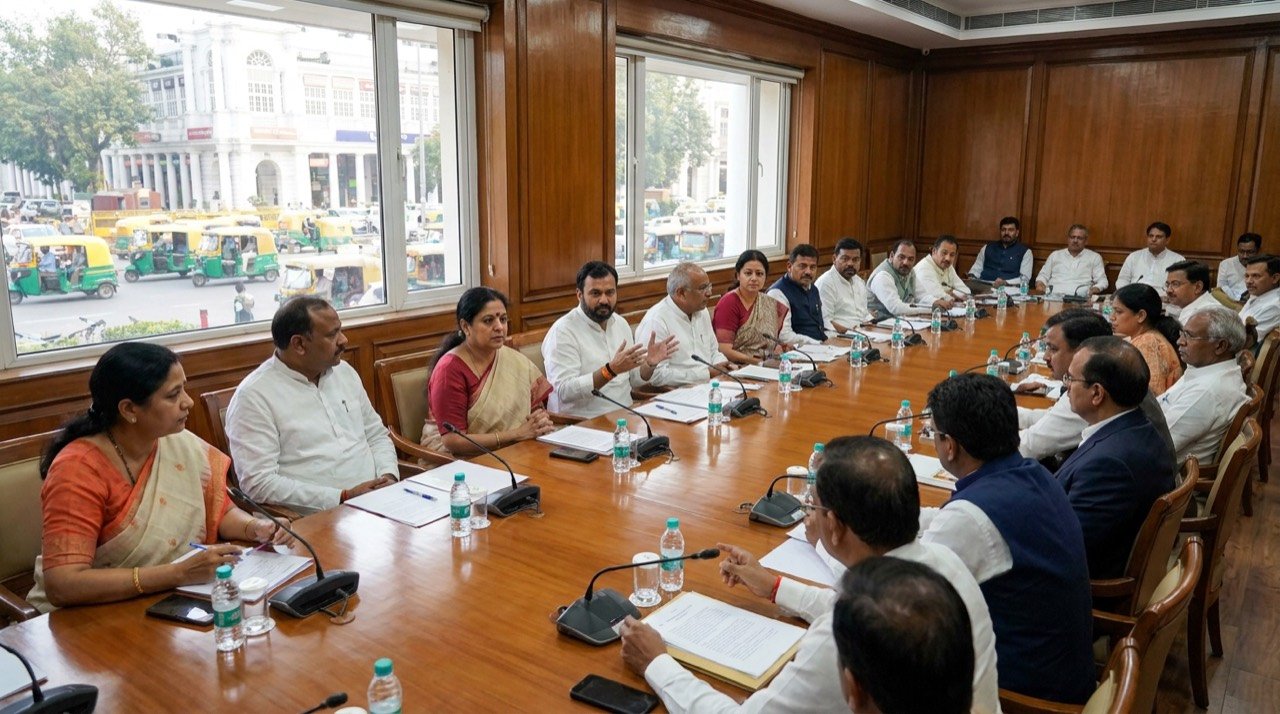
INDIA Bloc Reaches Five-Point Consensus After Allies Push Back on Congress
A tense INDIA alliance meeting in New Delhi ended with a five-point agreement and a vow to meet bimonthly, even as Left, SP and RJD leaders bluntly told the Congress to act as the coalition's glue.
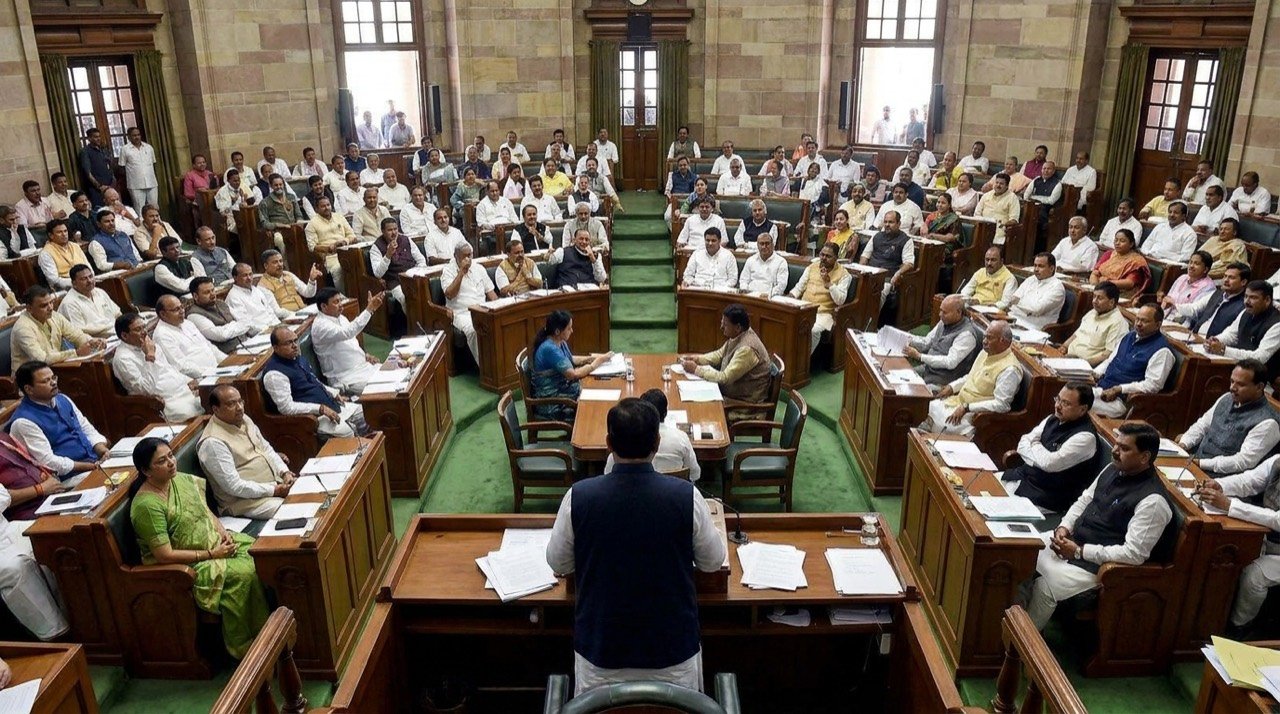
NDA Eyes Second Run at Delimitation and Women's Quota Bills With DMK, TMC Outreach
After its April defeat, the central government is courting DMK and Trinamool Congress MPs to revive the delimitation and women's reservation bills, with shifting numbers in the Lok Sabha reopening the arithmetic.
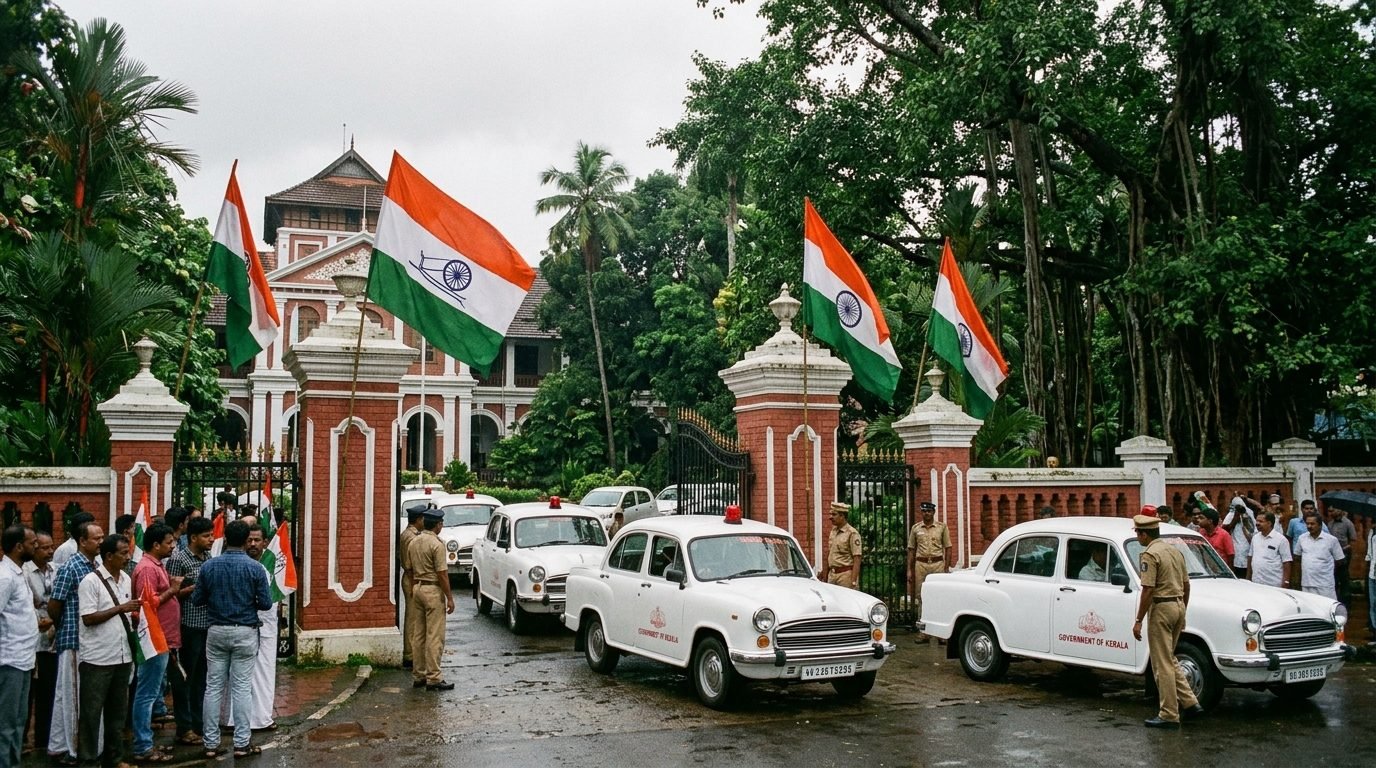
Kerala's UDF Government Under Satheesan Beds In as LDF Reckons With Defeat
V. D. Satheesan's Congress-led UDF ministry, formed after a sweeping win that ended a decade of Left rule, is finding its feet even as the LDF and a sidelined Pinarayi Vijayan weigh their next moves.
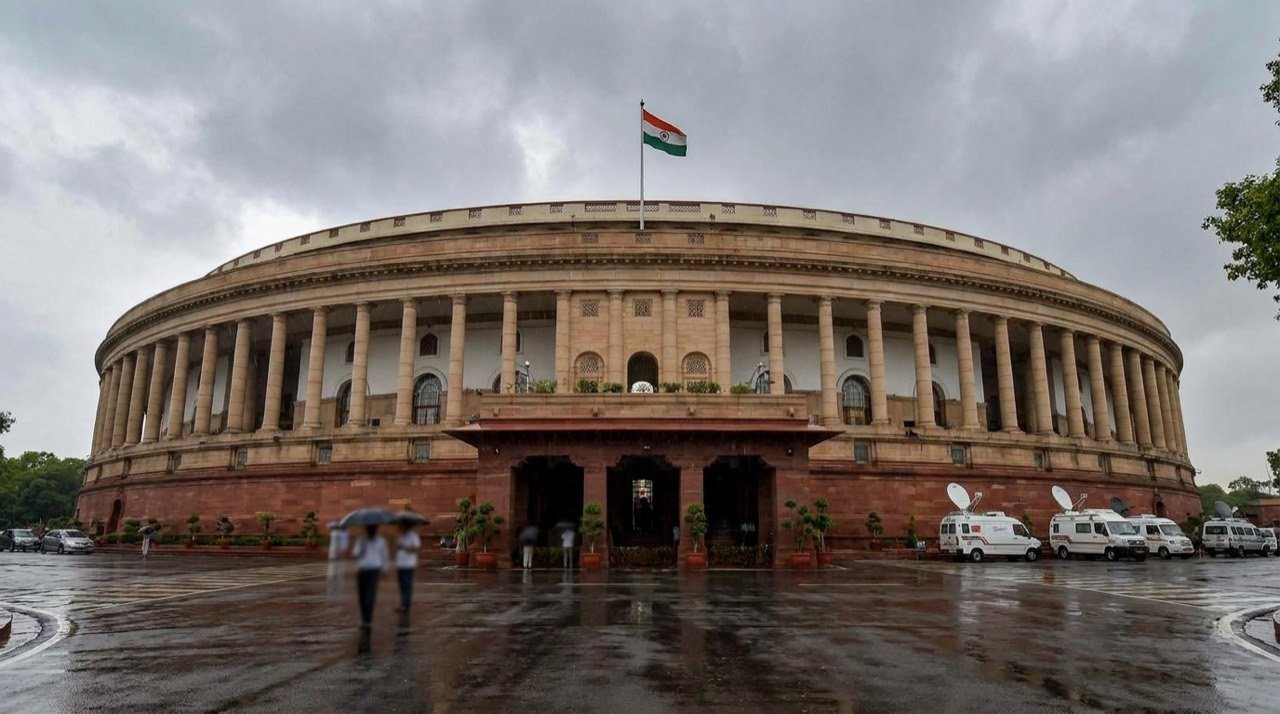
Centre Lines Up Six New Bills for Monsoon Session as Crowded Legislative Agenda Takes Shape
The Union government is preparing a packed monsoon session of Parliament, slating six fresh bills alongside the Finance Bill and a high-stakes return of the delimitation legislation in late July.
More from this section
More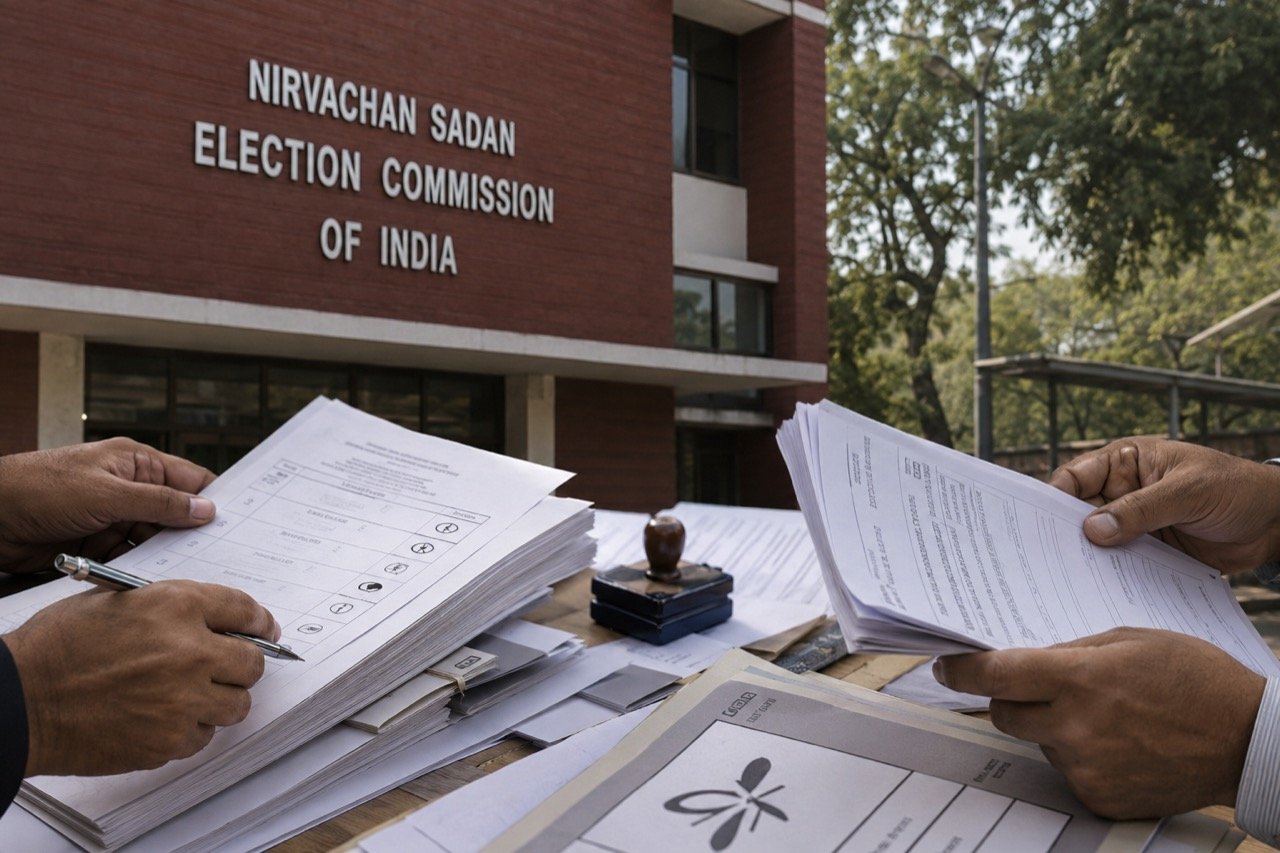
K Kavitha Party Denied TRS Name by Election Commission
The Election Commission has refused to register K Kavitha's Telangana Rakshana Sena under the TRS acronym after objections, forcing a branding reset for the new party at a politically sensitive moment in Telangana.
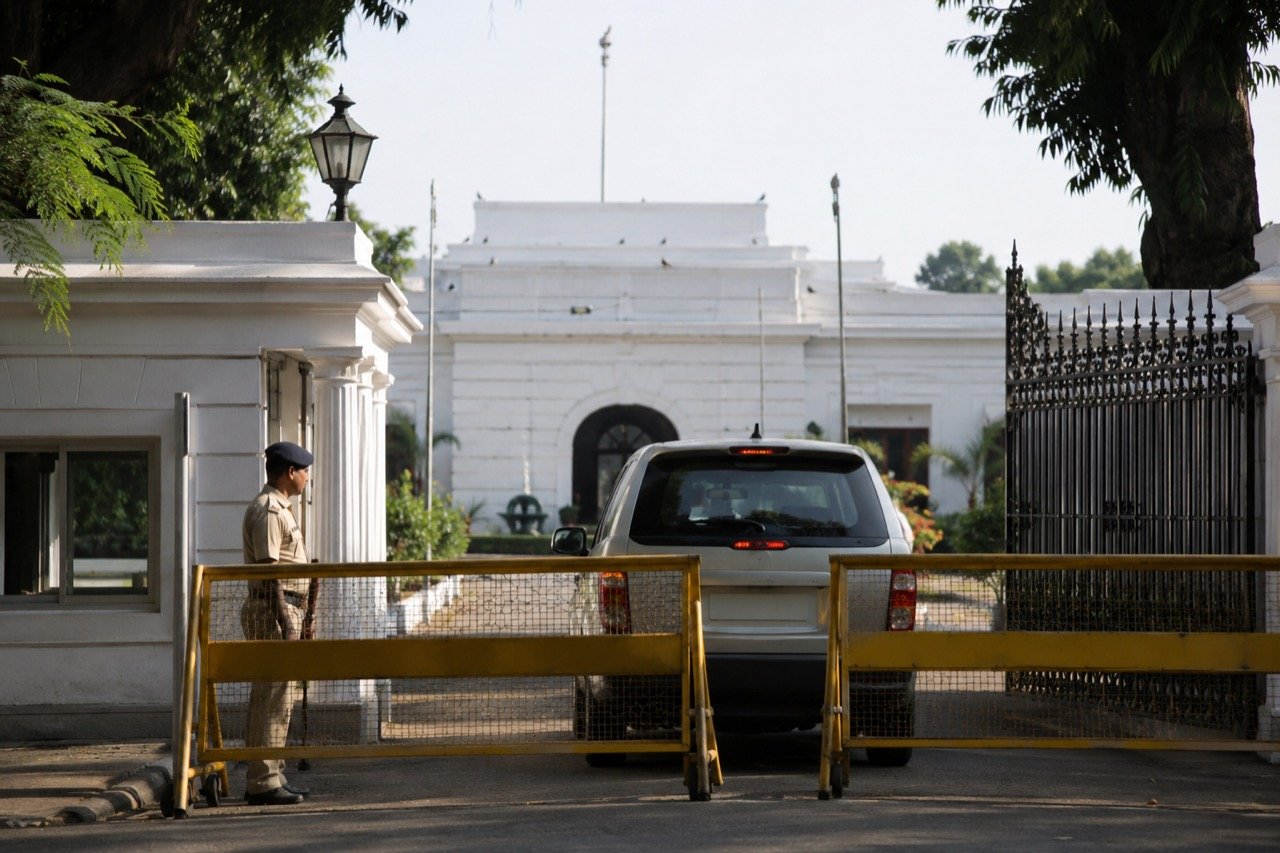
Lalu Prasad Yadav Security Downgrade, Bungalow Order Stir Bihar
A government order downgrading Lalu Prasad Yadav's security cover and asking him to vacate an official bungalow has opened a fresh political flashpoint in Bihar, with the RJD chief's reaction fuelling the row.
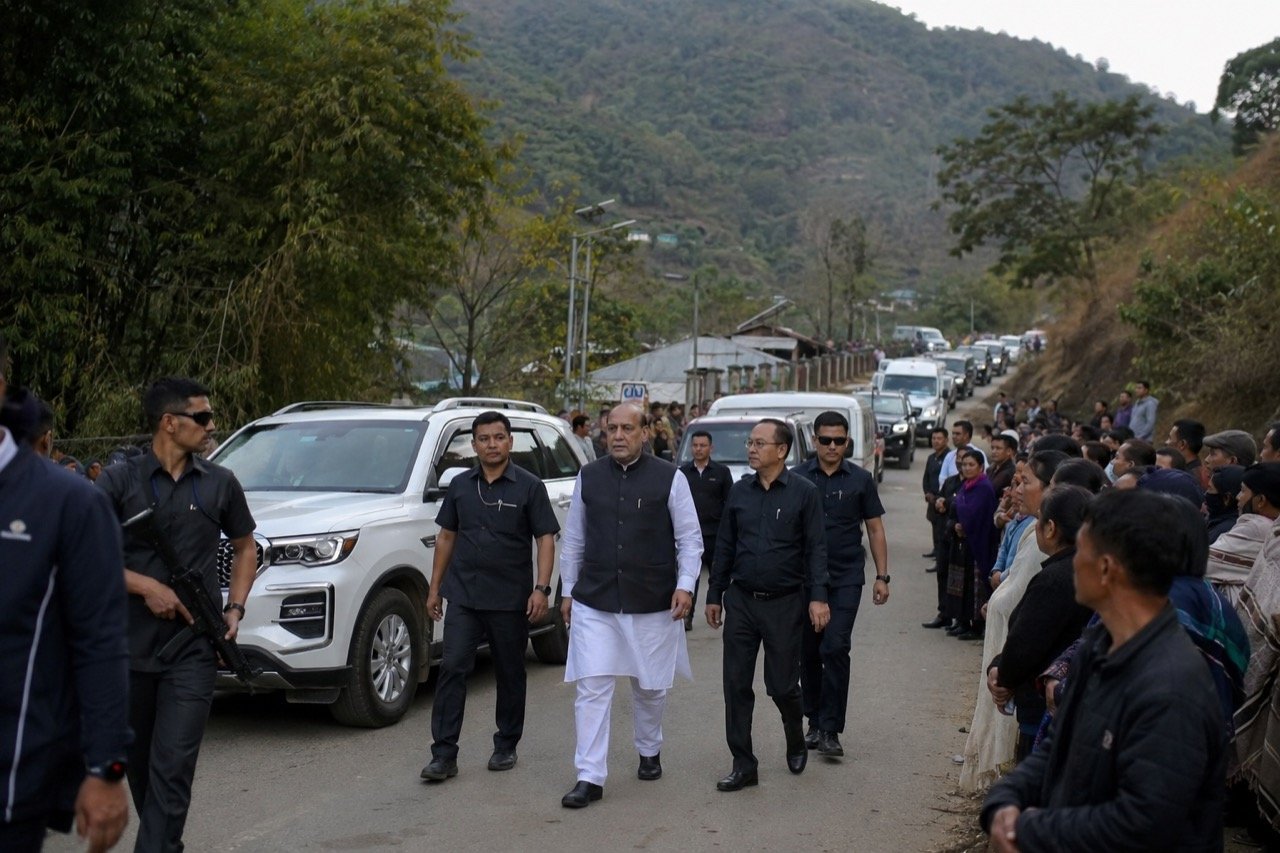
Manipur CM's Churachandpur Visit: First Since 2023 Unrest
The Manipur Chief Minister travelled to Churachandpur for a BJP MLA's funeral, his first visit to the district since the 2023 violence, lending the sombre occasion an unmistakable political significance.