Assam Case Shows PAN and Voter Cards Are Not Citizenship Proof
A man declared a foreigner in Assam despite holding multiple identity documents has highlighted a crucial legal distinction: everyday IDs establish identity, not citizenship, when a person's legal status is challenged.
The NE Times National Desk
Commentary & Analysis ·

A case in Assam, reported by Hindustan Times, in which a man was declared a foreigner despite holding multiple identity documents has put fresh attention on a crucial civic point: documents such as PAN cards and voter cards may establish identity or administrative presence, but they are not automatically accepted as proof of citizenship in legal proceedings.
The distinction matters because most Indians use everyday documents interchangeably. A voter card enables voting, a PAN card serves taxation, and other IDs unlock banking, employment and welfare access. Citizenship determination, however, can demand an entirely different evidentiary standard — a difference that becomes urgent the moment a person's legal status is questioned.
What a document proves, and what it does not
For citizens, the central issue is clarity: understanding what a given document proves, what it does not, and why the same record can carry different weight in different forums. The Assam case illustrates how that gap can upend a life when authorities apply the stricter standard.
The case also raises public-interest questions about access to legal help and record preservation. Families frequently rely on old land papers, legacy documents, school certificates or parental records to establish lineage. When such records are missing, inconsistent or difficult to retrieve, the burden of proof can become overwhelming for ordinary people.
Responsible coverage must resist turning one case into a sweeping conclusion about any community or region. The procedural angle is the fair one: identity systems are complex, and authorities owe citizens clearer communication about what constitutes acceptable proof.
The NE Times View
This case is a warning that India's documentation architecture has a dangerous blind spot. Citizens are encouraged to accumulate cards for every transaction, yet none of those cards may protect them in the one proceeding where the stakes are highest. The state should publish, in plain language and every major Indian language, exactly which documents carry citizenship weight and how families can secure them. Equally, legal aid must reach those facing foreigner tribunals, because the burden of proof falls heaviest on the poorest and least documented. Paperwork is not bureaucratic trivia — it is the difference between security and statelessness.
This article is original commentary and analysis by The NE Times. Background facts were referenced from Hindustan Times India News.
You may also like to read
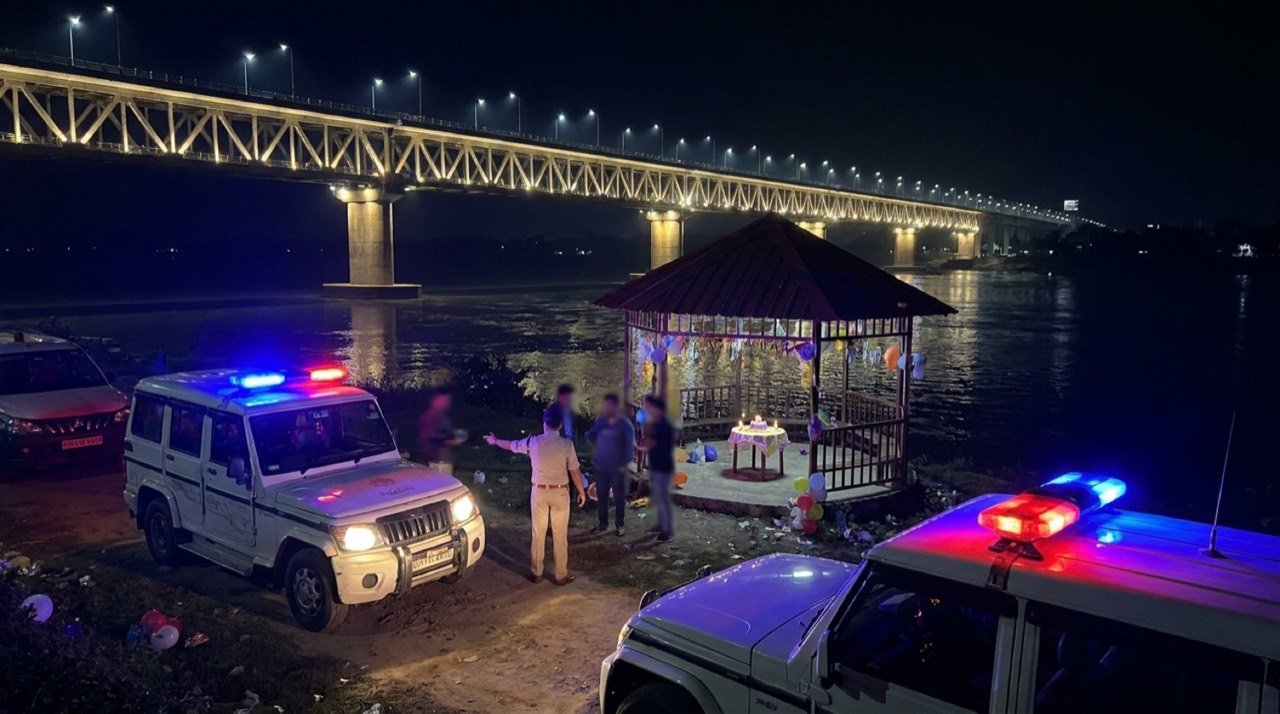
Guwahati Bridge Birthday Party Lands 14 in Legal Trouble as Assam Cracks Down
Assam authorities have booked 14 people after a late-night birthday party with luxury cars on Guwahati's Kumar Bhaskar Varma Bridge, framing the viral stunt as a public-safety and traffic hazard.

Assam Floods Worsen as Brahmaputra Swells, Lakhs Displaced Across Northeast
Early-monsoon deluge has inundated villages across multiple Assam districts, with rivers flowing above danger levels and relief camps filling as the wider Northeast battles landslides.

Assam Floods Worsen As Barak Valley Reels And Lakhs Take Shelter
Nearly seven lakh people across more than twenty districts are battling rising waters as the Brahmaputra and Barak rivers swell, with Chief Minister Himanta Biswa Sarma touring the worst-hit south of the state.
Bengaluru Court Issues Non-Bailable Warrant Against Prakash Raj in Voter ID Case
A Bengaluru court has ordered a non-bailable warrant against actor Prakash Raj in a case alleging multiple voter identity cards, after he reportedly missed court appearances following summons.
More from this section
More
Ahmedabad Bullet Train Station Gets Kite-Inspired Multimodal Hub Plan
Ahmedabad's bullet train station is set to be developed as a multimodal transport hub with a kite-inspired design, giving India's high-speed rail project a distinctive urban landmark rooted in local identity.
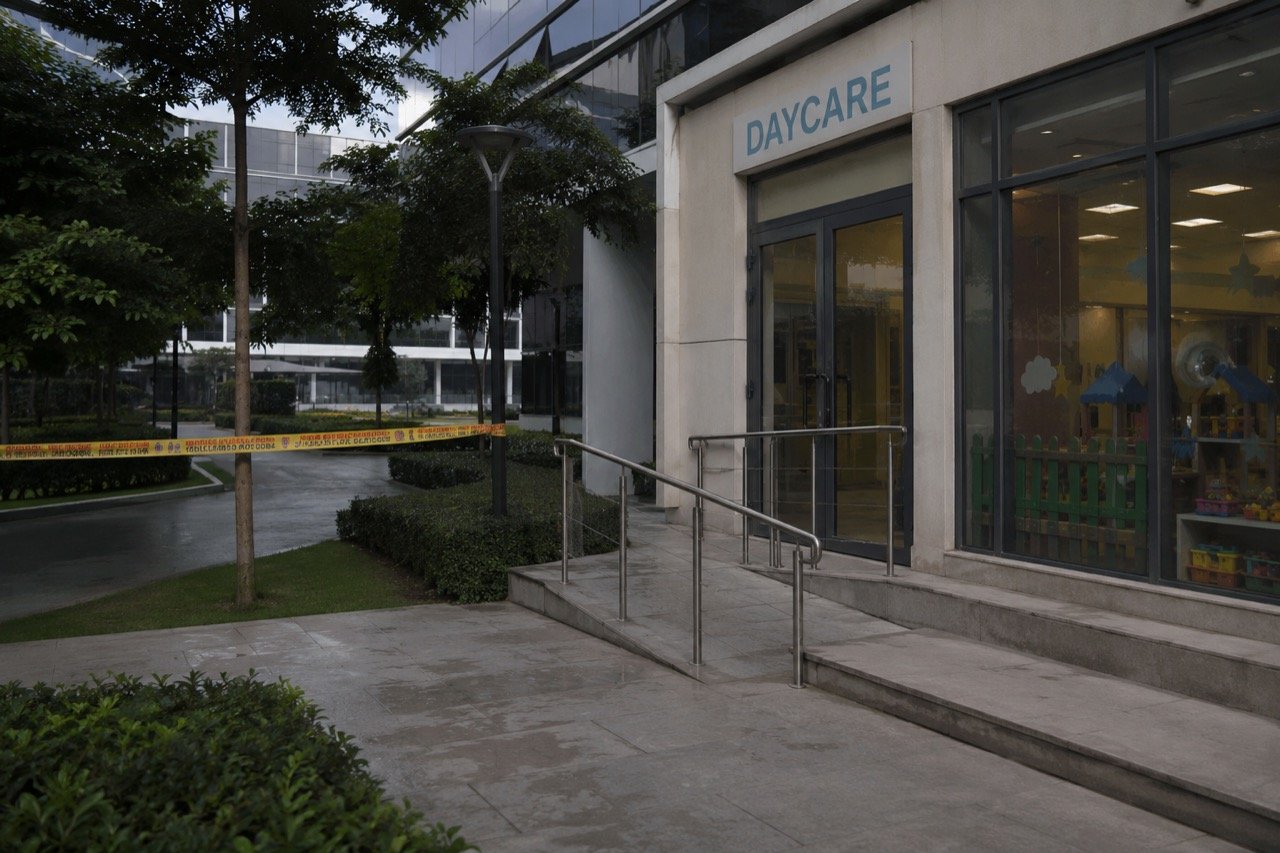
Arrest in Bengaluru Daycare Case Deepens Child Safety Questions
Bengaluru police have arrested a woman connected to the daycare case at a Capgemini campus facility, sharpening scrutiny of caregiver vetting, oversight and accountability at workplace-linked childcare centres.
BJP MLA Raju Singh Jailed Four Years Over Celebratory Firing Death
A Delhi court has sentenced BJP legislator Raju Singh to four years in prison after holding him responsible for a fatal bullet fired in celebration, renewing focus on reckless gun use at private events.