Samay Raina's Rs 3 Lakh Fine Is a Fee for Growing Up, Not a Fine for Joking
The Supreme Court's rebuke of Samay Raina, Ranveer Allahbadia and Ashish Chanchlani was never about comedy — it was about broken undertakings, and the creator economy should take note.
Opinion & Analysis ·
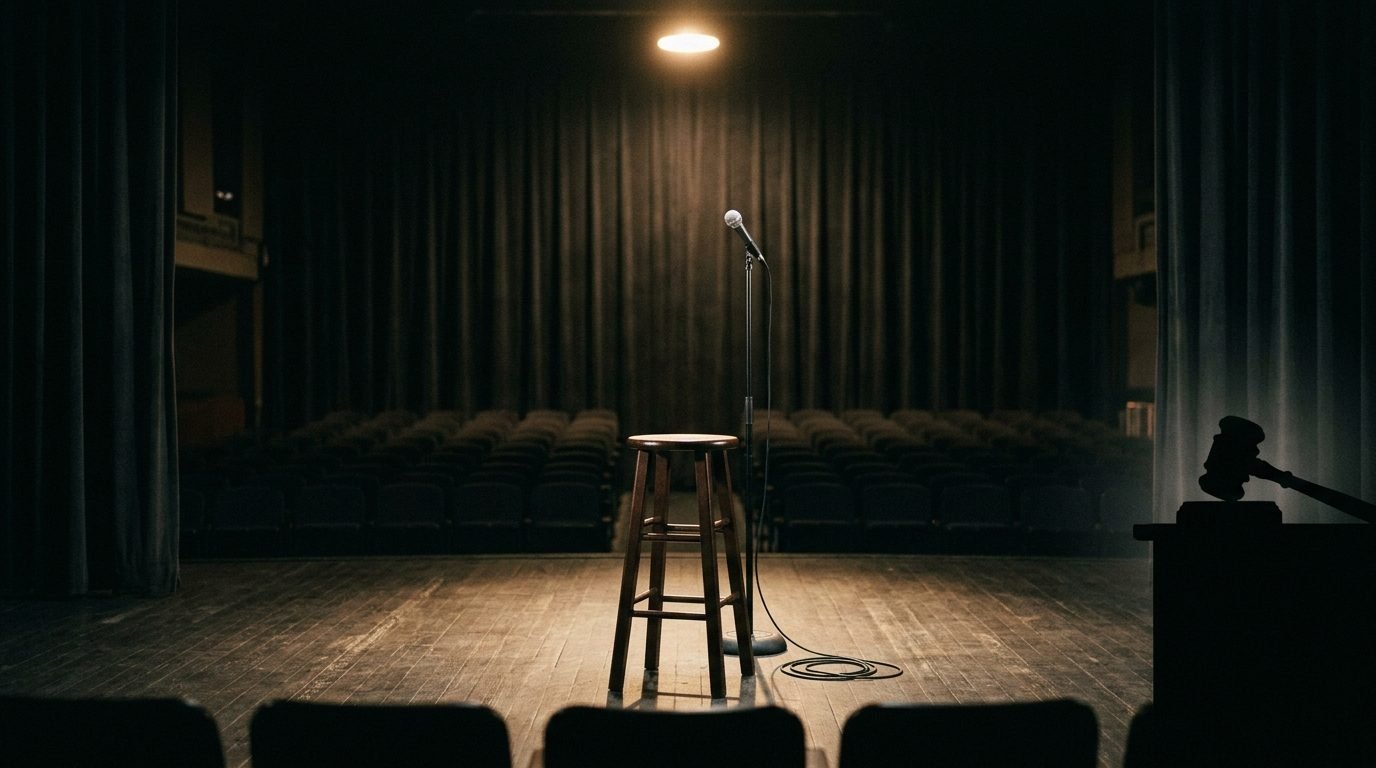
Rs 3 lakh is loose change to anyone who fills stadiums or racks up crores of views. That is precisely why the Supreme Court's decision to fine Samay Raina, Ranveer Allahbadia and Ashish Chanchlani that amount each should not be read as a punishment sized to hurt their wallets. It should be read as a warning sized to hurt their credibility. When a three-judge bench led by Chief Justice of India Surya Kant tells a comedian he has taken the court for a ride, the modest rupee figure is beside the point. The message is that India's creator economy has been operating on the assumption that fame is a form of immunity, and the country's highest court has just said, plainly, that it is not.
This was never really about jokes
It has been tempting, in the days since the order, to fold this story into the familiar argument about comedy and offence: can you joke about disability, who gets to decide what is funny, is India getting too sensitive to laugh at itself. That is a genuine debate and it deserves a real hearing. But it is not the debate the Supreme Court was having. The bench's frustration, as reported, was about non-compliance with its own directions and questions over the delay in filing a compliance affidavit. That is a much narrower and much less forgivable failure. It is the difference between disagreeing with a teacher's mark and simply not handing in the assignment at all. Creators and their lawyers are free to contest an order, appeal it, or ask for it to be modified. What they are not free to do is treat a court's direction as a suggestion that can be quietly shelved once the news cycle moves on.
The undertaking is the whole point
Courts do not run on suspicion; they run on trust in the word given to them. Earlier directions in this matter, arising from a petition by Cure SMA India Foundation over remarks about persons with disabilities and rare genetic conditions made on India's Got Latent, had reportedly required apologies or other compliance steps. When a party gives an undertaking and then fails to honour it, the damage is not confined to that one case. It erodes the basic mechanism that lets courts manage millions of matters without policing every promise line by line. That is presumably why the bench, before settling on Rs 3 lakh, is reported to have considered costs as high as Rs 10 lakh, and warned that continued defiance would invite a steeper penalty still. This was not a bench nitpicking a technicality. It was a bench signalling that it noticed the pattern and did not like what it saw.
The strongest counterargument, and where it falls short
The fairest objection to all this is the free-speech one, and it deserves to be taken seriously rather than waved away. Comedy has always thrived on discomfort, and a legal system that punishes every tasteless joke would be a legal system that has quietly abolished satire. We should be wary of any framework in which a court, rather than an audience, decides what is acceptable humour. But that argument, however sound in the abstract, does not actually rescue the creators here. Nobody was fined for the original jokes in this order. They were pulled up for what happened afterwards: directions were given, undertakings were apparently made, and compliance did not follow on time. A creator can defend edgy material and still be expected to file paperwork when a court tells them to. Free expression is a shield against censorship of ideas; it was never designed as a shield against basic procedural obligation once a legal process has actually begun.
Fame is not a parallel jurisdiction
What makes this case worth dwelling on is the underlying assumption it exposes about how much of the influencer economy currently operates: small teams, rapid upload schedules, a direct and informal relationship with an audience, and a working culture where deadlines are treated as flexible because platform algorithms are forgiving of a late post. That informality is charming when it is about content. It is dangerous when it drifts into how creators treat their legal obligations. A person with millions of viewers is not merely a personality; they are functionally a publisher, and publishers who reach that many people can trigger defamation exposure, consumer complaints and constitutional litigation just as easily as any newsroom can. The reach that makes a creator commercially valuable is the same reach that makes a careless remark, or a broken undertaking, land harder and linger longer online. Scale cuts both ways, and it is well past time the industry treated it that way.
What should happen from here
The immediate obligation is straightforward: the creators must meet the court's directions and pay the costs within the period set. But the more useful outcome would be structural rather than symbolic. Platforms need actual escalation procedures for content that draws legal scrutiny, including someone accountable for tracking deadlines rather than hoping they resolve themselves. Talent managers who currently chase sponsorship deliverables with real diligence should apply the same energy to court timelines, because missing one is evidently no longer a minor embarrassment. Brands attaching themselves to shock-driven formats would do well to ask, before signing a deal, what happens if the content invites a legal challenge, not just what happens if it goes viral. None of this requires pre-approving every punchline. It only requires accepting that an industry this large cannot keep running on the same casual footing as a hobby.
The bottom line
- The fine itself was modest, but the rebuke from Chief Justice Surya Kant's bench was not about money — it was about a creator allegedly treating a court's undertaking as optional.
- The case is not a referendum on whether disability jokes can be funny; it is a referendum on whether public figures honour commitments once a court is involved.
- Free speech protects the right to make provocative comedy; it does not protect a party from the consequences of missing directions it previously agreed to.
- The creator economy's next test is not restraint on stage, but discipline off it — platforms, managers and brands all need to start treating legal deadlines with the seriousness they already give sponsorship deadlines.
You may also like to read

Faith Disputes Need Courts to Act Early, Not Just Clean Up Later
The Bhojshala prayer order shows courts intervening early to keep faith disputes out of the street; the Ayodhya donation scandal shows the cost when no one intervenes at all.
The three-language policy is right in theory, reckless in its rollout
CBSE's own court filings show fewer than half its schools are actually ready for compulsory trilingual teaching — proof the reform's substance is sound but its timing has outrun the classroom.

Mukesh Khanna and Samay Raina Promo Sparks Digital Comedy Debate
Promo chatter around Mukesh Khanna appearing with Samay Raina for India's Got Latent 2 has renewed debate over how legacy television stars and creator-led comedy share the same digital stage.
Delimitation's Real Test Isn't the Seat Count, It's the Formula Behind It
Supriya Sule's 50% expansion condition is a smart opening bid, but a bigger Lok Sabha means nothing without a transparent formula, and Odisha's 20 lakh deletions show why the underlying count must be trusted too.