Odisha Seeks Rs 9,000 Crore to Build a Disaster-Proof Power Grid
Odisha has asked the Centre for more than Rs 9,000 crore to storm-harden its electricity network, putting a visible price tag on climate resilience for India's cyclone-prone coastal states.
The NE Times National Desk
Commentary & Analysis ·

Odisha has drawn up a plan to make its power grid disaster-proof and is seeking more than Rs 9,000 crore from the Centre to fund it. For a state battered repeatedly by cyclones and extreme weather, the proposal turns a familiar vulnerability — electricity networks that collapse when storms hit — into a concrete infrastructure demand.
The stakes go well beyond blackouts. When a grid fails during a storm, hospitals, water supply, communications, transport and relief operations all falter with it. In a cyclone-prone state, power resilience is effectively a public safety system.
What disaster-proofing involves
Hardening a grid means investment before disaster strikes, not just restoration money afterwards: underground cabling in high-risk corridors, stronger poles and towers, smarter substations and better backup systems. These upgrades are expensive up front, but they are designed to break the costly cycle of rebuilding the same infrastructure after every major storm.
The funding question
The proposal also lands in the middle of a live federal debate. Disaster management responsibilities are shared across levels of government, and the state wants central support for a bill it argues serves national resilience goals. The real test is not only who pays, but how quickly such projects can be approved and executed before the next cyclone season.
Odisha's request has national resonance. As extreme weather risks intensify, other coastal and climate-exposed states are likely to bring similar demands, making grid resilience a recurring line item in India's infrastructure planning rather than a one-off emergency response.
The NE Times View
Odisha is doing what climate adaptation actually requires: putting a number on it. The state's disaster-management record since the 1999 super cyclone has been widely praised, and this proposal extends that logic from evacuation to infrastructure. The Centre should treat it less as one state's wishlist and more as a pilot for a national coastal-resilience framework — because Andhra Pradesh, West Bengal, Tamil Nadu and Gujarat will not be far behind. Paying Rs 9,000 crore before a disaster is almost always cheaper than paying it, repeatedly, after one. The worst outcome would be for the plan to languish in inter-governmental correspondence until the next cyclone makes the case at far higher cost.
This article is original commentary and analysis by The NE Times. Background facts were referenced from Indian Express.
You may also like to read
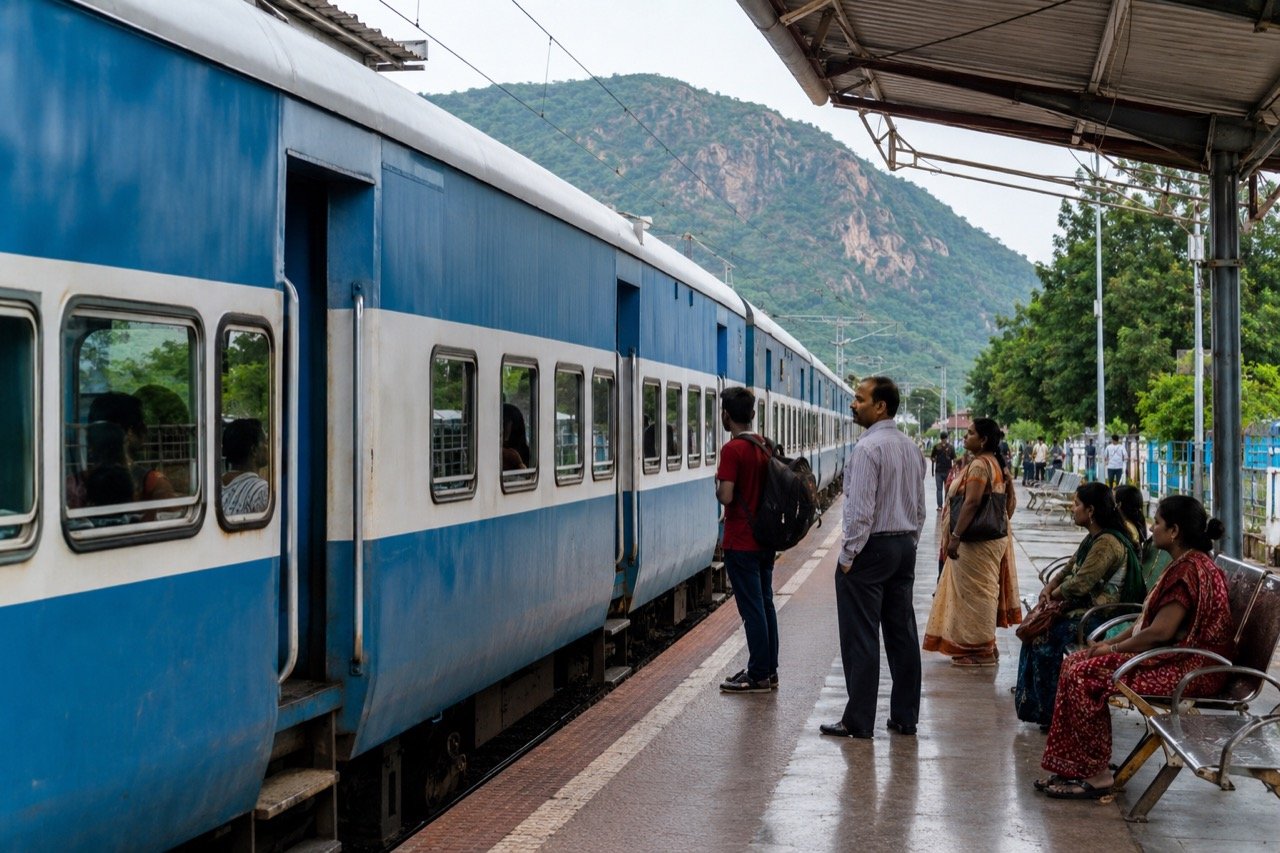
Puri-Koraput Express: New Train to Link Coastal and South Odisha
Indian Railways is introducing the Puri-Koraput Express to give Odisha a more direct passenger link between its coastal pilgrimage hub and the southern hill districts, with route and timetable details now published.
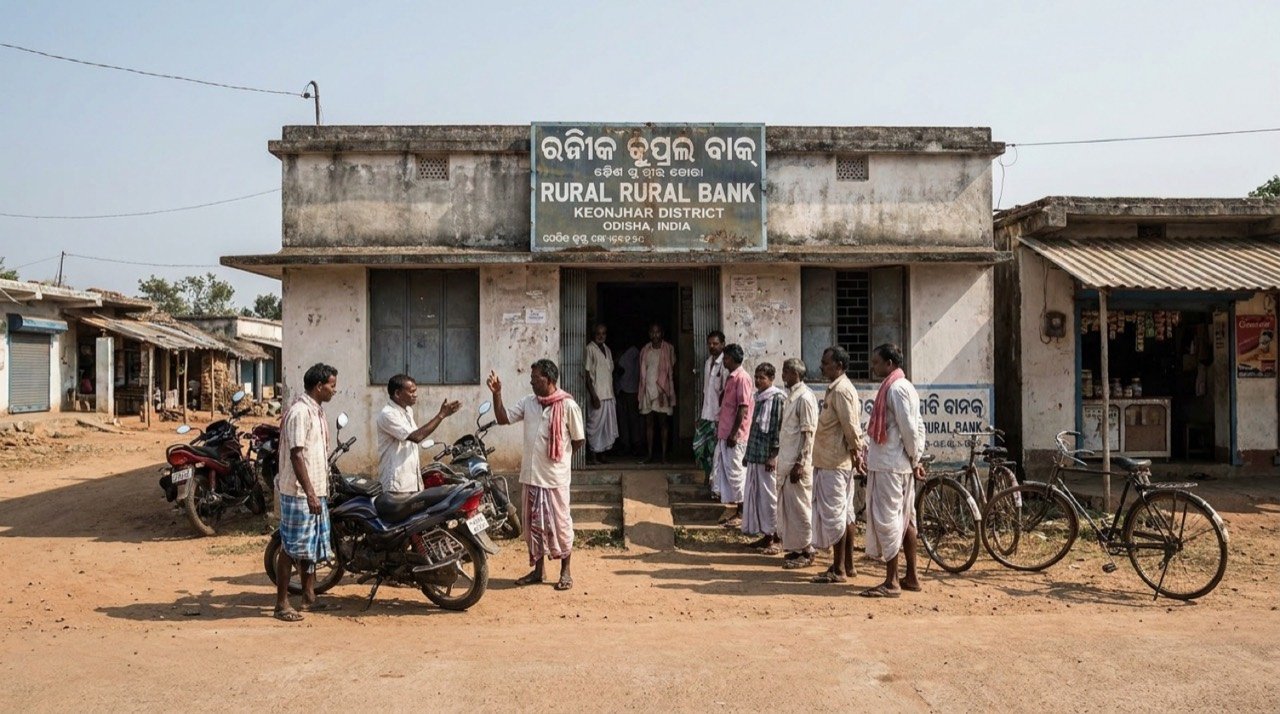
Centre Orders Corrective Measures After Jitu Munda Banking Ordeal in Odisha
After a tribal man in Odisha's Keonjhar district was reportedly forced to exhume his sister's remains over a bank withdrawal dispute, the Centre has ordered corrective action and a branch manager has been suspended.
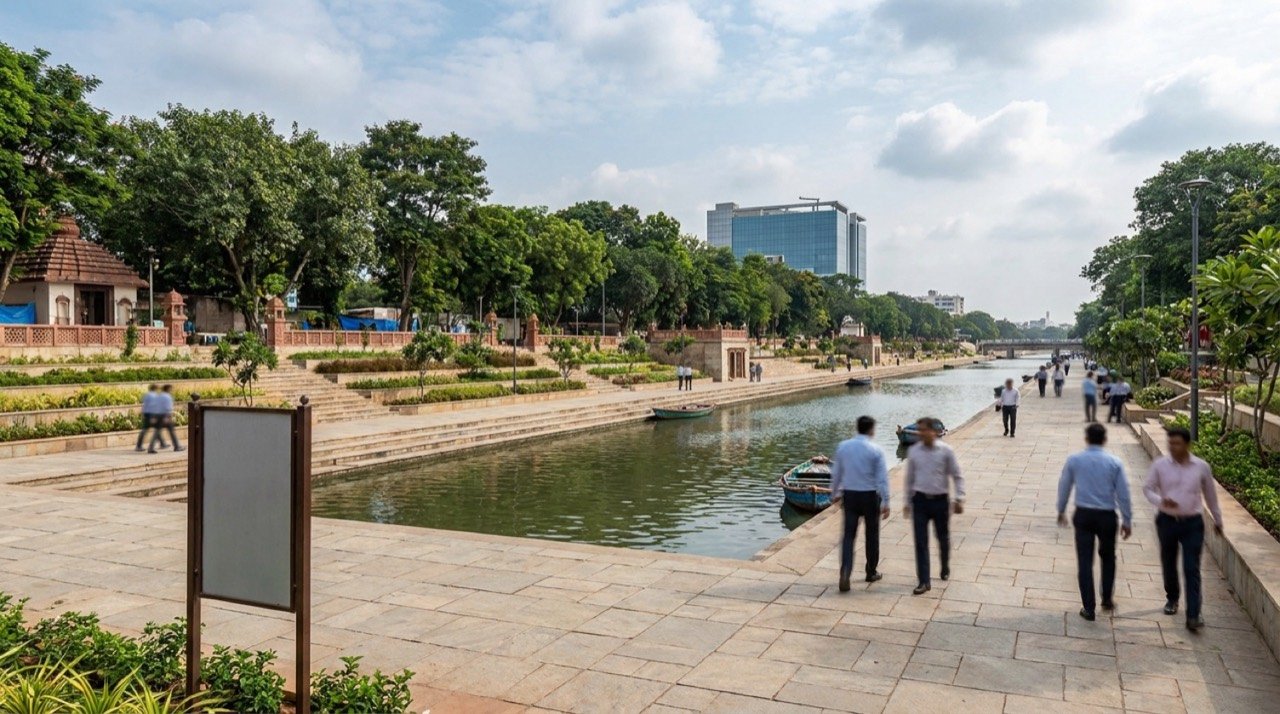
Odisha Launches Rs 500 Crore Push To Revive Riverfronts And Urban Water Bodies
Odisha has approved a Rs 500 crore, five-year waterfront development programme to restore riverfronts and urban water bodies, improve public access and boost eco-tourism across selected cities.

Brahmapur-Udhna Amrit Bharat Express Goes Daily, Boosting Odisha Link
The Brahmapur-Udhna Amrit Bharat Express is set to run every day, giving passengers travelling between Odisha and Gujarat a more dependable and affordable long-distance rail option for work, study and family journeys.
More from this section
More
AICTE Industry Fellowship 2026: Rs 1.5 Lakh Scheme Closes July 5
The AICTE Industry Fellowship Programme 2026, which places technical-education faculty inside leading companies on a Rs 1.5 lakh monthly stipend, reached its application deadline on July 5.
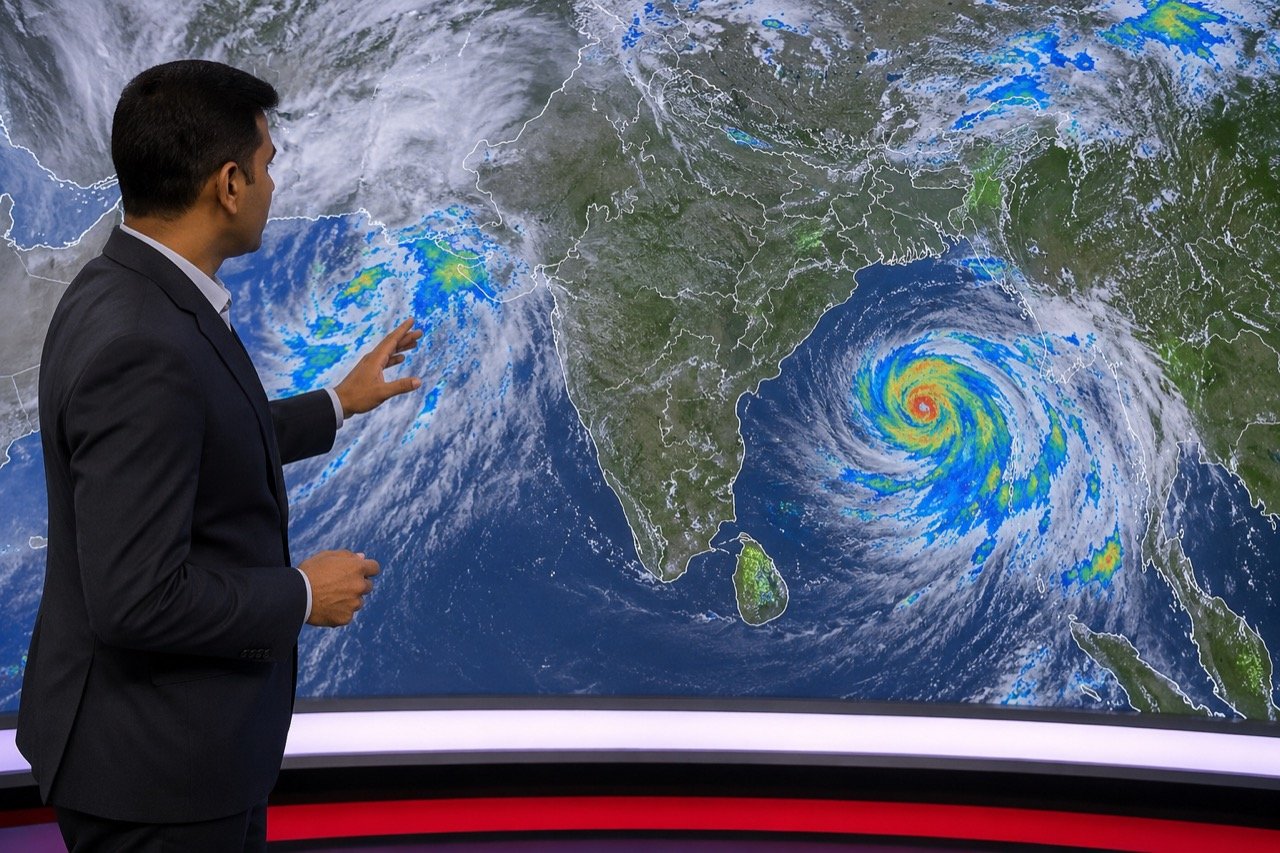
Bay of Bengal Low Pressure System Revives Monsoon Over Western India
A low-pressure system over the Bay of Bengal has pushed the monsoon back into an active phase, bringing steady heavy rain to Kerala, coastal Karnataka and Maharashtra, and putting Mumbai and Pune on preparedness watch.
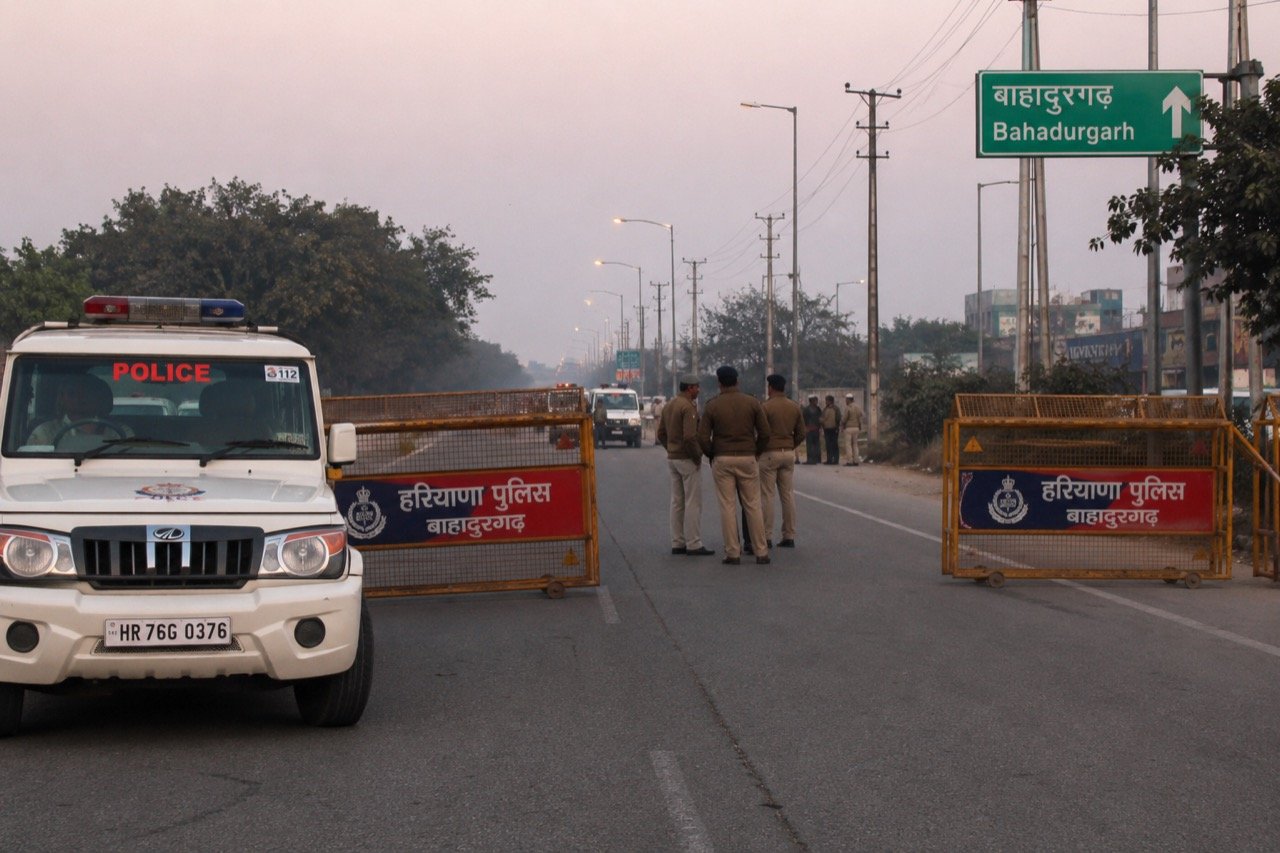
Bishnoi Gang Suspects Injured in Haryana Encounter as Police Tighten Net
A joint Haryana-Delhi Police operation in Bahadurgarh left two suspected Lawrence Bishnoi gang members injured, spotlighting the multi-state coordination now central to India's fight against organised crime networks.