Odisha Launches Rs 500 Crore Push To Revive Riverfronts And Urban Water Bodies
Odisha has approved a Rs 500 crore, five-year waterfront development programme to restore riverfronts and urban water bodies, improve public access and boost eco-tourism across selected cities.
Commentary & Analysis ·
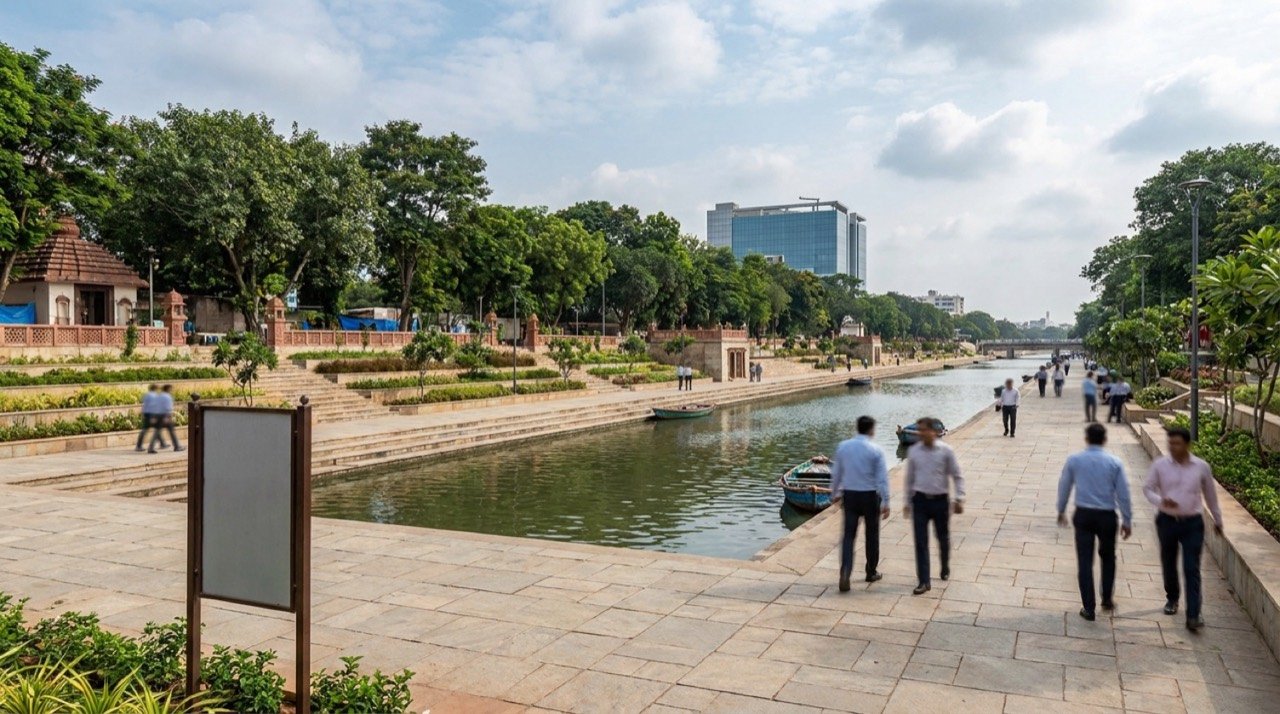
Odisha has cleared a Rs 500 crore waterfront development programme that will run over five years, putting a sustained financial focus on riverfronts and urban water bodies across selected cities. The scheme aims to improve public access to waterside spaces, restore neglected water-linked areas and support eco-tourism and city-level recreation, positioning rivers and lakes as civic assets rather than forgotten backwaters.
What the programme covers
The five-year outlay is designed to fund the redevelopment of riverfronts and the rejuvenation of urban water bodies in chosen urban areas. Typical interventions under such schemes include promenades, public walkways, landscaping, improved access points and measures to clean and protect the water itself. The stated intent is a blend of ecological restoration and public-space creation, with eco-tourism and recreation as anticipated dividends.
By committing funds over a multi-year horizon rather than a single budget cycle, the state has signalled that it wants the effort treated as a sustained programme rather than a one-off project.
Why it matters
The scheme arrives at a moment when many Indian cities are trying to reclaim degraded waterfronts, often after decades of encroachment, pollution and neglect. Done well, restored riverfronts can lift property values, draw visitors, create local livelihoods and improve urban climate resilience. The challenge lies in balancing ecology, heritage and commercial development so that one does not crowd out the others.
The implementation test
Ultimately, the programme's success will be decided not by the headline figure but by execution. The central question is whether Odisha can build a durable, sustainable public-space model, with maintenance, community use and ecological care baked in, or whether the effort ends up as another round of cosmetic beautification that fades once the funds are spent.
- Odisha has approved a Rs 500 crore waterfront programme over five years.
- The focus is on riverfronts and urban water bodies in selected cities.
- Goals include better public access, restoration and eco-tourism.
- Many Indian cities are racing to reclaim neglected waterfronts.
- Long-term maintenance will determine whether the model is sustainable.
“Implementation will decide whether the programme becomes a sustainable public-space model or just another beautification exercise.”
— Programme analysis
If Odisha manages to pair design quality with genuine ecological restoration and ongoing upkeep, the initiative could become a template for other states grappling with the same dilemma of how to bring their rivers and lakes back into public life. The next few years of delivery will tell whether the ambition holds.
The NE Times View
Reviving urban water bodies is smart policy if it means genuine ecological restoration and flood resilience, not just photogenic promenades. India's cities have paved over their lakes and rivers for decades, so reversing that deserves support. The risk is that 'waterfront development' tilts toward eco-tourism aesthetics over the harder work of cleaning water and restoring drainage. Odisha should measure success by water quality and public access, not by ribbon-cuttings and footfall.
This article is original commentary and analysis by The NE Times. Background facts were referenced from Moneycontrol and Times of India.
You may also like to read

Tata Steel Plans Rs 20,000 Crore FY27 Capex for India Growth
Tata Steel's roughly Rs 20,000 crore capital spending plan for FY27 signals sustained confidence in Indian steel demand, even as execution risks, raw-material costs and emissions pressures loom over the sector.
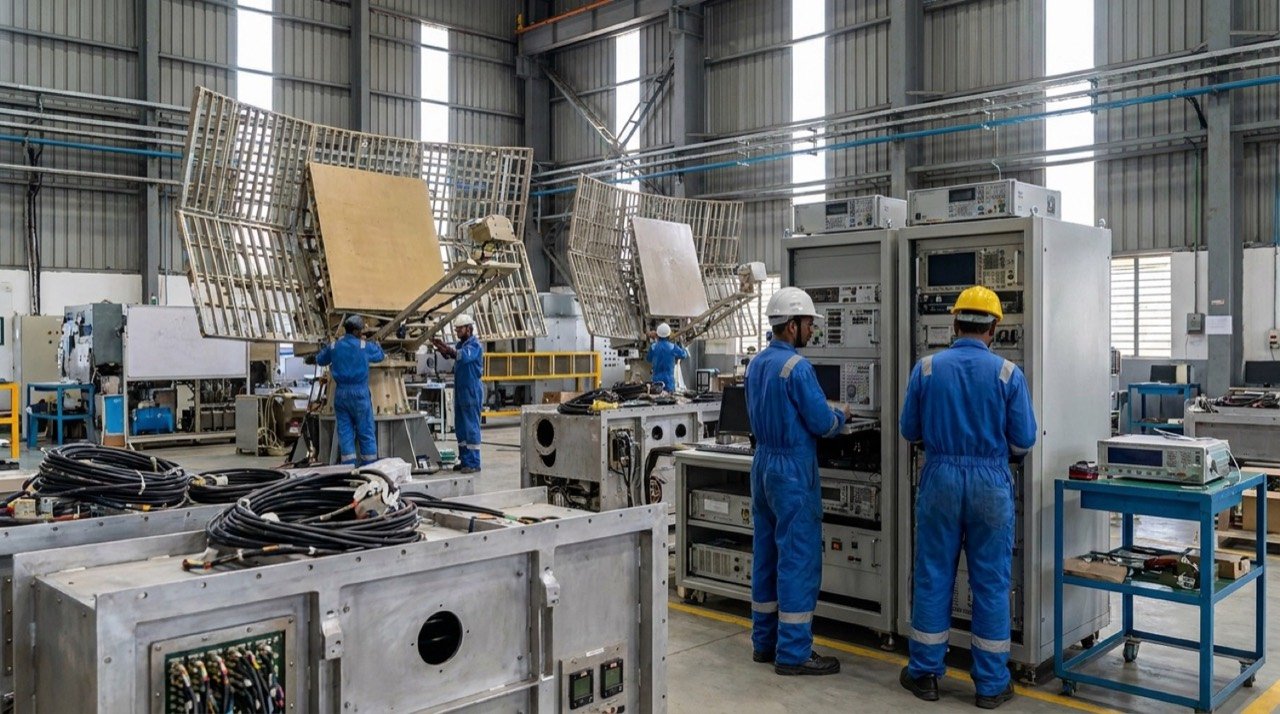
BEL Wins Rs 1,081 Crore in Fresh Defence Electronics Orders, Strengthening India's Indigenisation Push
Bharat Electronics Ltd has secured roughly Rs 1,081 crore in additional orders spanning radar, avionics, jammers and tank protection, reinforcing India's drive for self-reliant defence electronics.
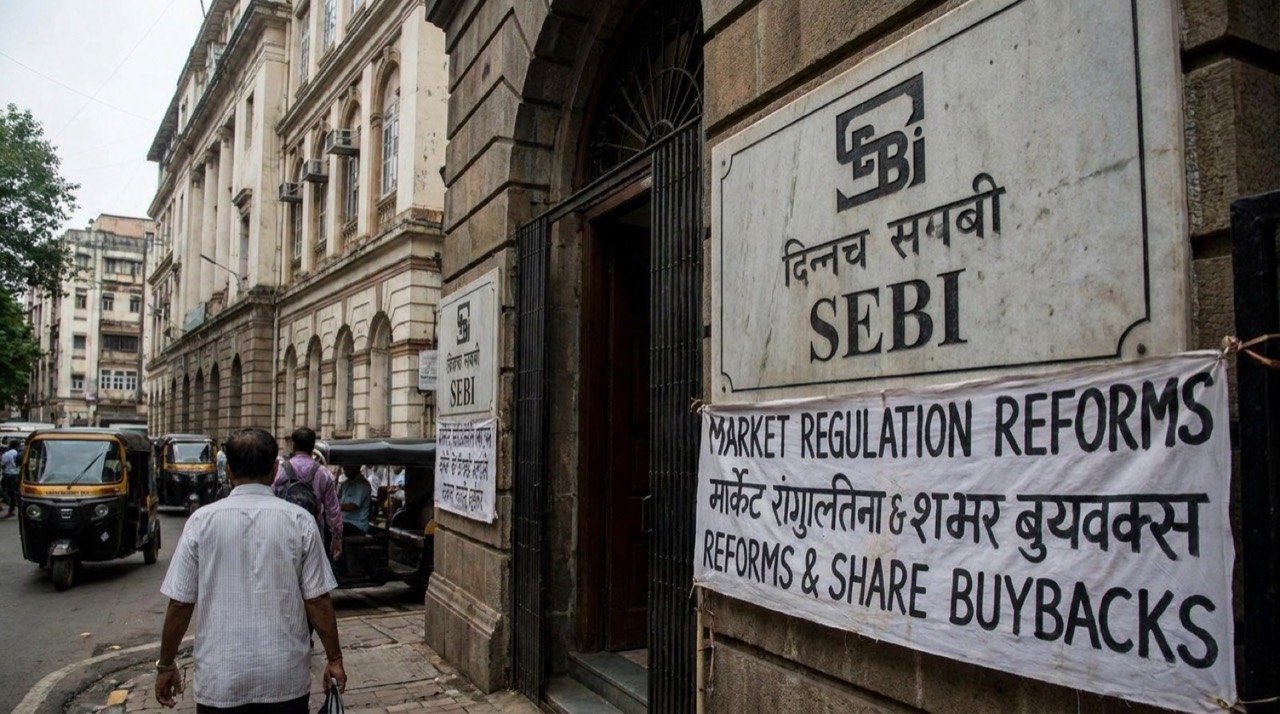
SEBI Reform Push Aims to Simplify Market Plumbing and Revive Open-Market Buybacks
SEBI has proposed a simpler rulebook for stock exchanges and clearing corporations and cleared the return of open-market share buybacks from August 1, signalling a lighter-touch yet sturdier market framework.
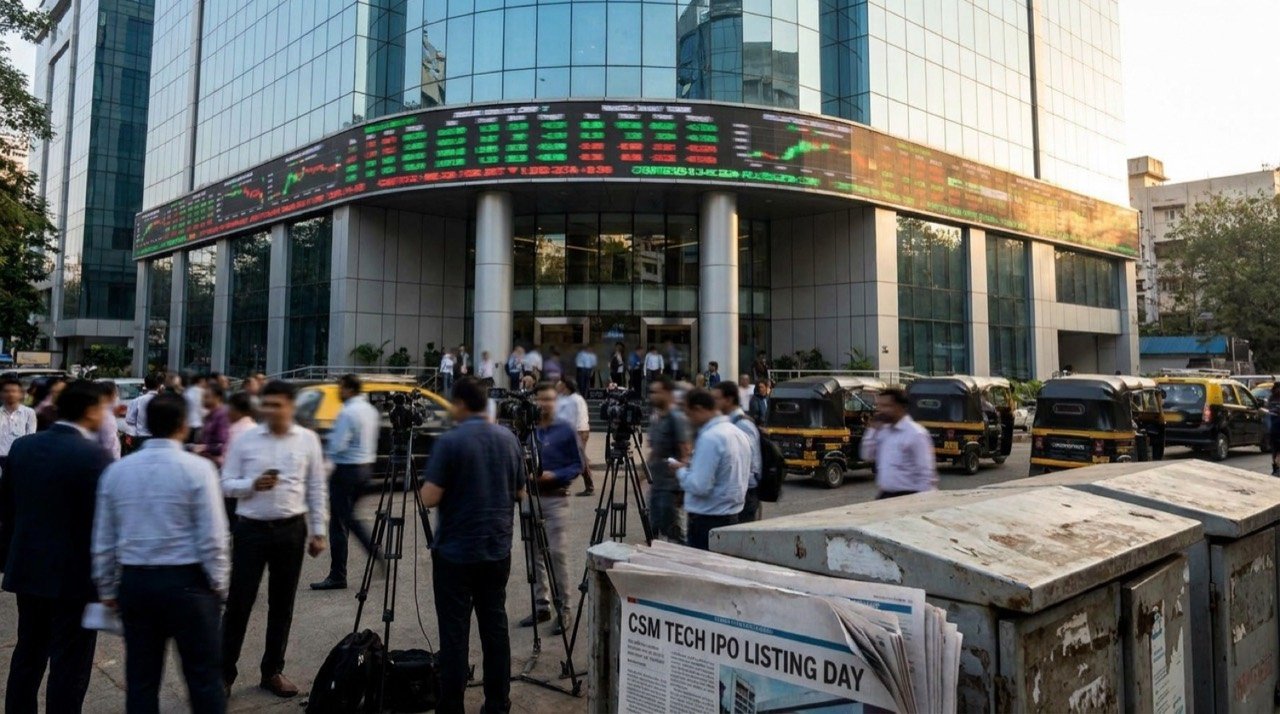
CSM Technologies IPO Opens June 24 With Price Band of Rs 107-113
The Odisha-based govtech and IT services firm enters India's busy primary market on June 24, testing investor appetite for e-governance and digital public infrastructure plays.
More from this section
More
Adani Case: US DOJ Pushes for Permanent Dismissal of Charges
The US Department of Justice has urged a judge to permanently dismiss charges against Gautam Adani, calling the case legally flawed — a reversal with consequences for markets, diplomacy and cross-border enforcement.

Akasa Air Inducts 40th Aircraft in Indian Aviation Scale-Up
Akasa Air's 40th aircraft, ferried to Bengaluru via Seattle, Reykjavik and Cairo, marks a fleet milestone for the young carrier and a fresh signal that India's aviation market remains firmly in expansion mode.

BARC Ratings Suspension Leaves Indian TV Industry Flying Blind
BARC's pause on television ratings has put India's broadcast measurement system under fresh scrutiny, leaving broadcasters, advertisers and media planners without the weekly audience data that anchors the TV economy.