NITI Aayog MCQ Exam Proposal Revives Assessment Quality Debate
A NITI Aayog-linked recommendation backing multiple-choice exams has reignited India's debate over whether standardised testing can measure real learning without rewarding rote memorisation and coaching patterns.
The NE Times National Desk
Commentary & Analysis ·
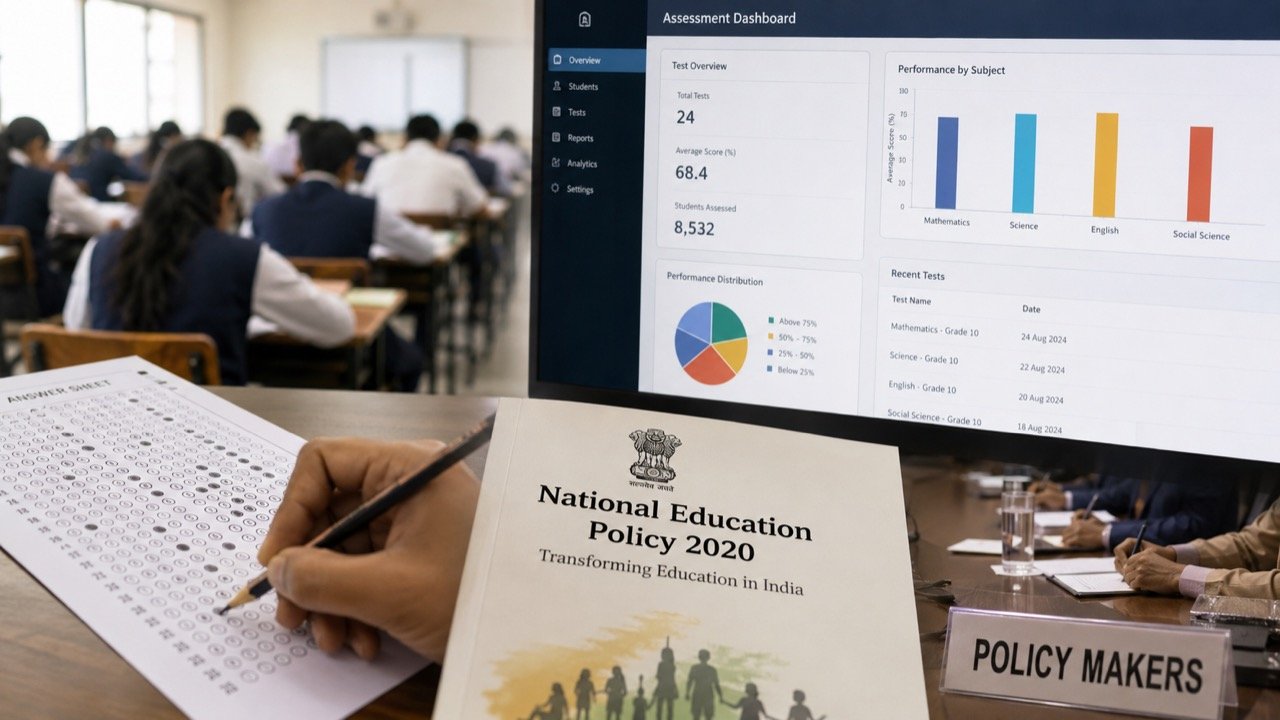
A proposal linked to NITI Aayog endorsing multiple-choice question exams has reopened one of Indian education's longest-running arguments: what should tests actually measure? Business Standard reported the recommendation as part of a broader push to improve the country's testing systems.
The stakes go well beyond format. Exam design shapes what students study, how teachers teach and how institutions define learning itself. A shift toward MCQs at scale would ripple through classrooms, coaching centres and recruitment pipelines alike.
The case for multiple choice
MCQ formats bring real advantages: they can be administered and scored at enormous scale, results arrive quickly, and marking is objective — no examiner mood or handwriting bias. For a country running some of the world's largest examinations, those are not trivial gains.
The case for caution
Critics counter that poorly designed MCQs test recognition rather than reasoning. The evidence cuts both ways: well-constructed items can probe application and analysis, while weak ones reward memorisation and pattern-spotting — precisely the skills India's coaching industry is built to drill. That makes question quality, teacher training and safeguards against coaching-driven predictability the real battleground, not the format itself.
Assessment reform, in other words, is an implementation problem as much as a design choice. A recommendation on paper becomes meaningful only when item banks, examiner capacity and review processes are funded and built.
The NE Times View
India keeps litigating exam formats when the deeper deficit is question quality. A brilliant MCQ can test more reasoning than a lazy essay prompt, and a lazy MCQ can hollow out a generation's learning — so the NITI Aayog proposal is neither a cure nor a threat by itself. What would actually move outcomes is an unglamorous investment: professional item-writing, published quality audits and rotation that keeps coaching factories guessing. If the reform arrives without that machinery, it will simply hand the coaching industry a more predictable target. Policymakers should be judged on the question bank, not the buzzword.
This article is original commentary and analysis by The NE Times. Background facts were referenced from Business Standard.
You may also like to read
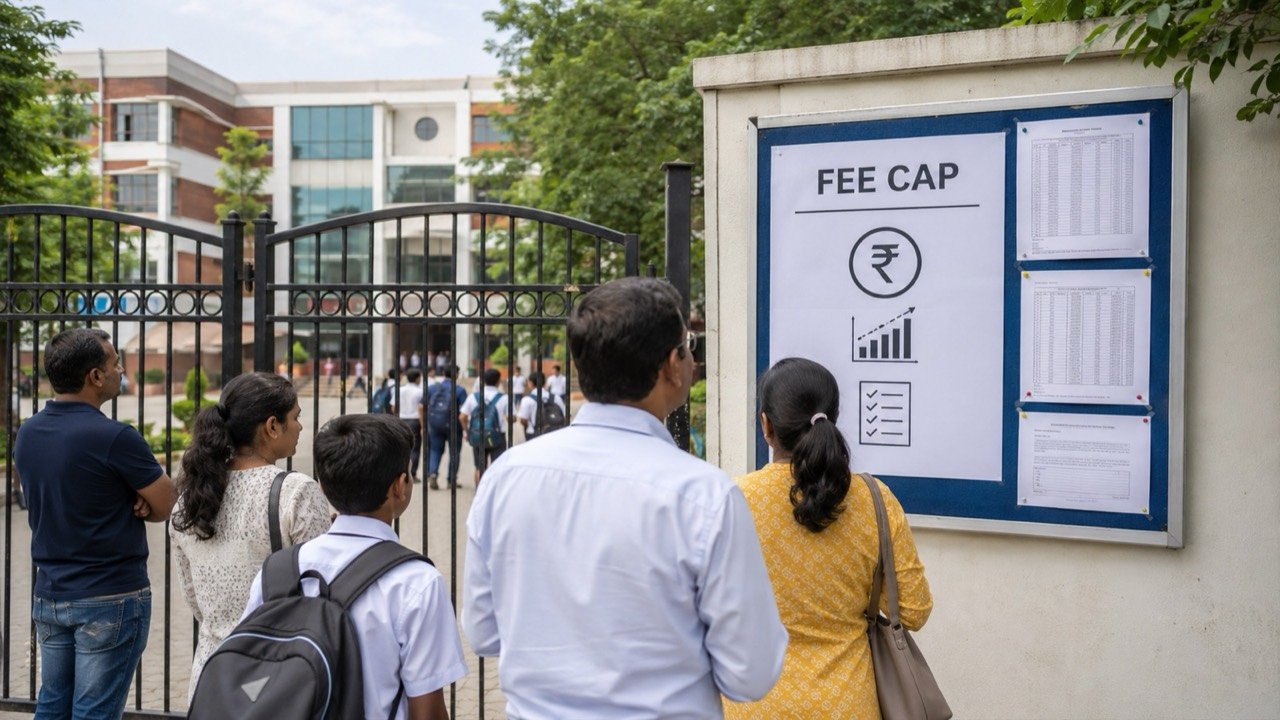
Punjab Moves to Cap Private School Fee Hikes at Five Percent
The Punjab Cabinet has cleared an ordinance limiting annual private school fee increases to five percent and mandating refunds of excess collections, in a bid to bring predictability for parents.

Rushikonda Complex PPP Plan Revives Andhra Coastal Asset Debate
Andhra Pradesh has invited private operators to run the nearly Rs 450 crore Rushikonda Building Complex in Visakhapatnam, reopening questions about tourism potential, transparency and the future of a politically contested coastal asset.
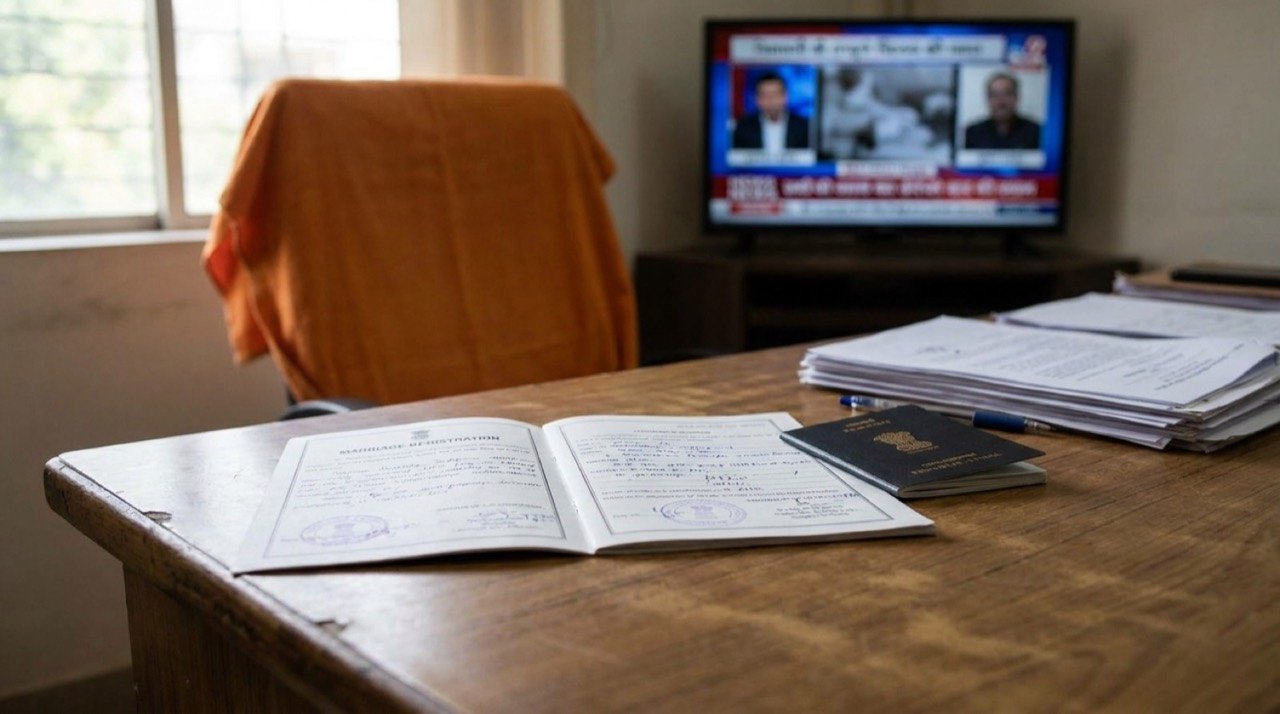
NRI Marriage Registration Proposal Enters Madhya Pradesh UCC Debate
A BJP submission to Madhya Pradesh's Uniform Civil Code committee proposes registering NRI marriages within a week and linking them to passports, aiming to curb abandonment in cross-border unions.
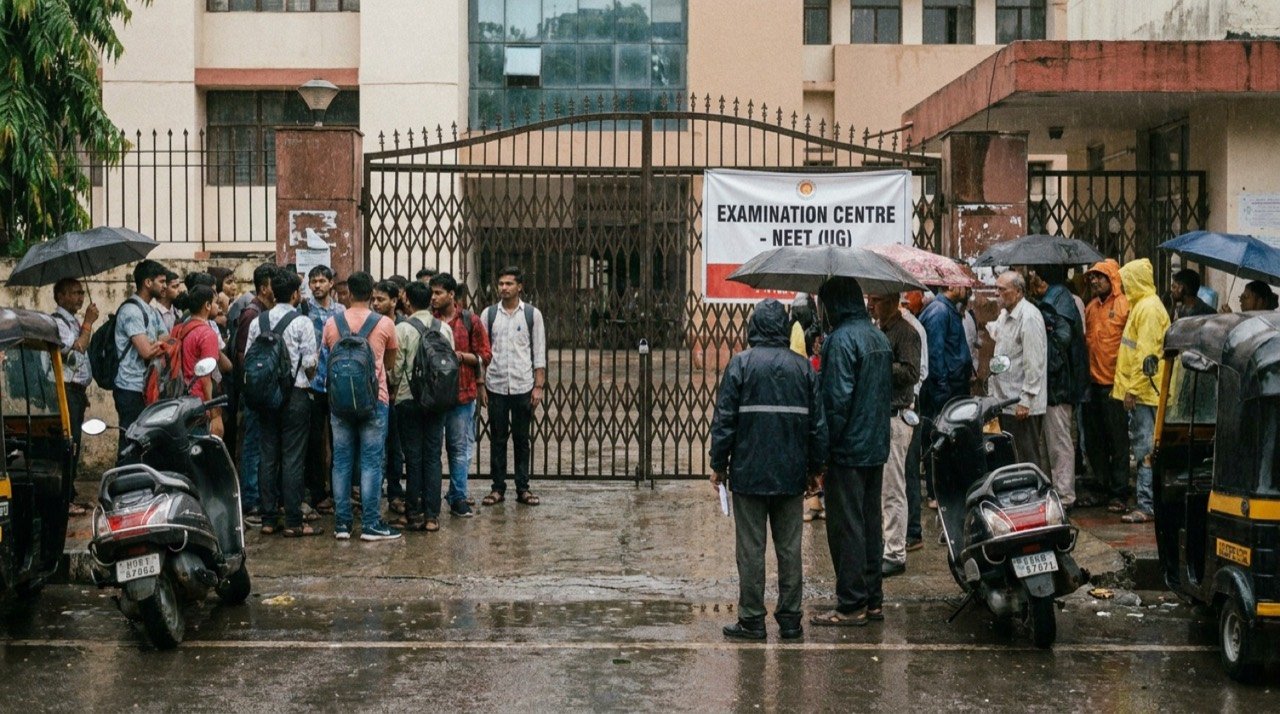
NEET Re-Test Gate Closures Revive Debate Over Exam Fairness
Students turned away minutes late at the NEET re-test have reignited a hard question for India's high-stakes exams: how should rigid rules and uniform deadlines accommodate real-life disruption?
More from this section
More
AICTE Industry Fellowship 2026: Rs 1.5 Lakh Scheme Closes July 5
The AICTE Industry Fellowship Programme 2026, which places technical-education faculty inside leading companies on a Rs 1.5 lakh monthly stipend, reached its application deadline on July 5.
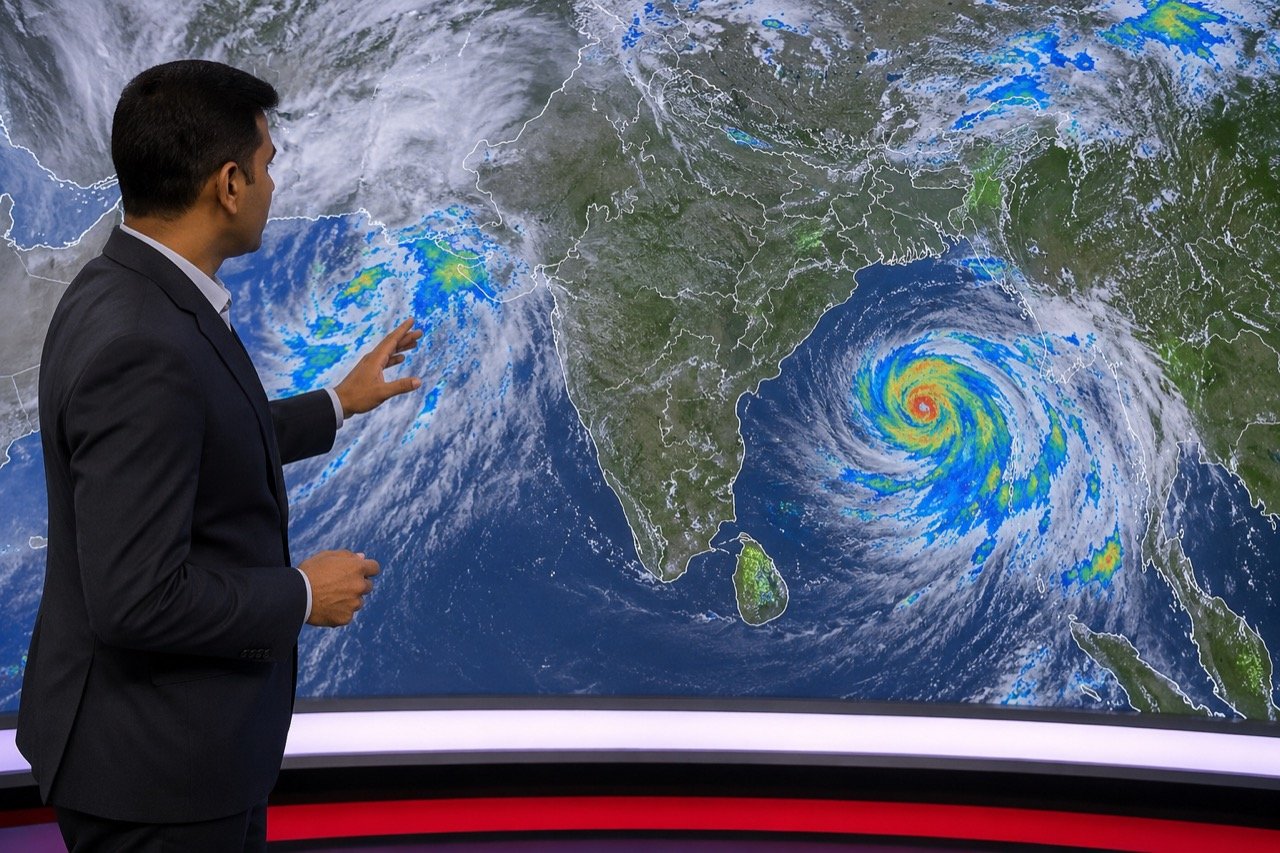
Bay of Bengal Low Pressure System Revives Monsoon Over Western India
A low-pressure system over the Bay of Bengal has pushed the monsoon back into an active phase, bringing steady heavy rain to Kerala, coastal Karnataka and Maharashtra, and putting Mumbai and Pune on preparedness watch.
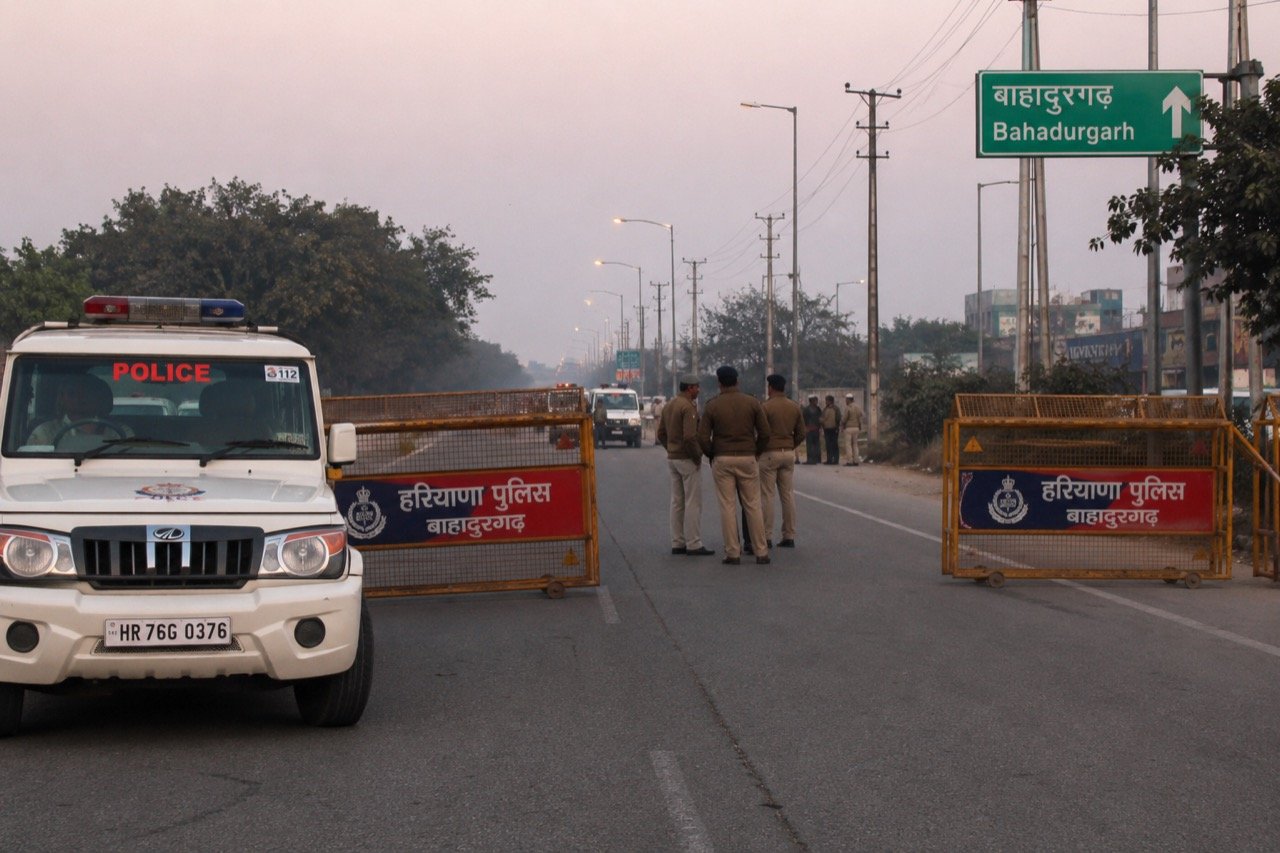
Bishnoi Gang Suspects Injured in Haryana Encounter as Police Tighten Net
A joint Haryana-Delhi Police operation in Bahadurgarh left two suspected Lawrence Bishnoi gang members injured, spotlighting the multi-state coordination now central to India's fight against organised crime networks.