Punjab Moves to Cap Private School Fee Hikes at Five Percent
The Punjab Cabinet has cleared an ordinance limiting annual private school fee increases to five percent and mandating refunds of excess collections, in a bid to bring predictability for parents.
Commentary & Analysis ·
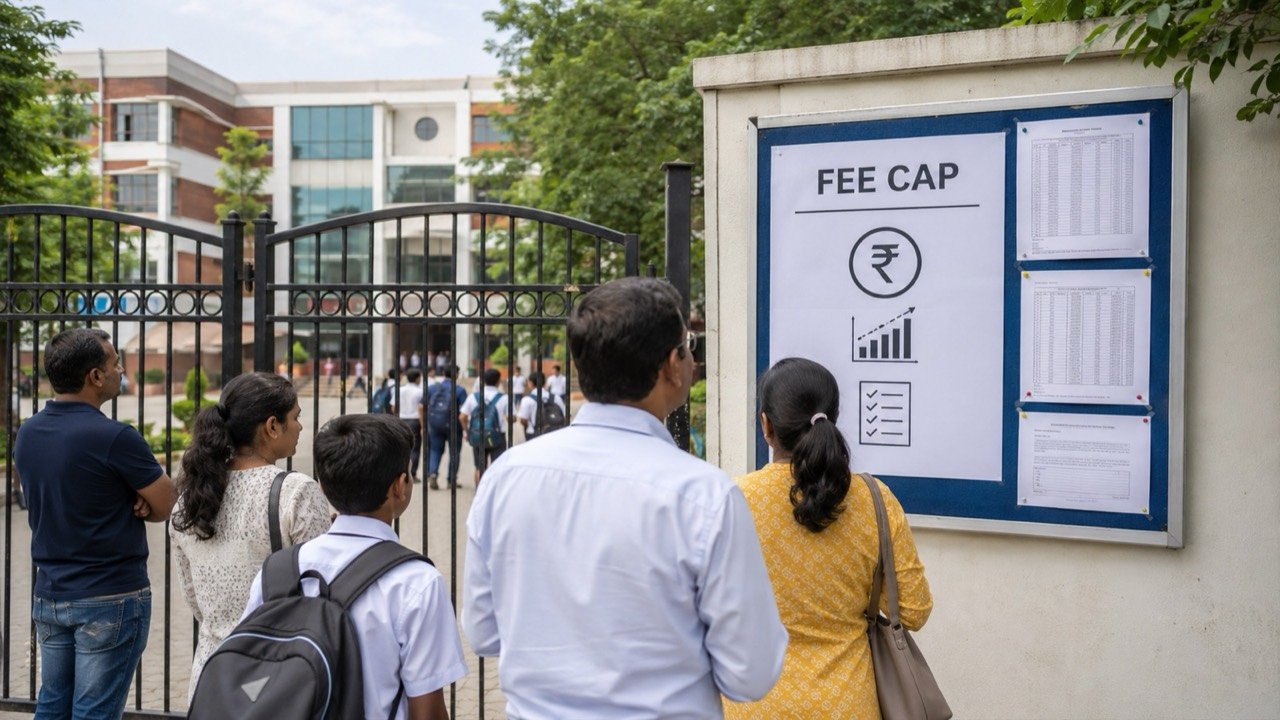
The Punjab Cabinet has approved an ordinance to regulate fee increases in private schools, a long-demanded intervention that, according to reports, will cap annual hikes at five percent and may require schools to refund collections made in excess of the permitted limit. The decision responds to years of grievances from parents over abrupt fee demands and opaque school accounts, and it sets the stage for a closely watched test of enforcement.
What the ordinance proposes
Under the framework cleared by the Cabinet, private schools would be barred from raising fees by more than five percent in a year. Where schools have already collected amounts beyond what the new rule allows, the ordinance is reported to provide for refunds, shifting the burden of proof and compliance onto institutions rather than parents.
The move follows repeated complaints about sudden and steep fee demands, compulsory purchases of books, uniforms and other materials from designated vendors, and uneven transparency in how schools maintain and disclose their accounts. By placing a numerical ceiling on increases, the government is attempting to convert a recurring source of friction into a predictable, rule-bound process.
Relief for families, pressure on schools
For households, the policy promises a measure of certainty at a time when education costs are climbing faster than many family budgets can absorb. Predictable fees allow parents to plan, and the prospect of refunds offers redress where overcharging has already occurred.
For schools, the cap introduces a tighter balancing act. Managements will have to reconcile teacher salaries, infrastructure upkeep and rising operating costs with a fixed limit on revenue growth and a new compliance regime. Institutions are likely to argue that quality and staffing cannot be sustained on a flat ceiling, making the design of exemptions and review mechanisms a point of contention.
Enforcement will decide the outcome
The real test of the ordinance lies not in its headline figure but in implementation. Clear audit rules, a functioning complaint-handling system and timely refunds will determine whether the five-percent cap becomes a meaningful protection for parents or remains a reform that looks good on paper. Past attempts at fee regulation in several states have faltered precisely at this stage, when administrative machinery struggles to keep pace with disputes.
- Annual private school fee hikes to be capped at five percent.
- Excess collections may have to be refunded to parents.
- The ordinance follows complaints over sudden fee demands and compulsory purchases.
- Schools must balance salaries, infrastructure and compliance within the cap.
- Audit rules, complaint handling and refund timelines will decide its impact.
“The cap promises predictability for families, but it will only be as strong as the system built to enforce it.”
— Education policy analyst, Chandigarh
As the ordinance moves toward implementation, attention will turn to the rules and institutional capacity that accompany it. If Punjab can pair the cap with credible audits and swift grievance redress, it could offer a template for affordable private schooling; if not, the reform risks joining a familiar list of well-intentioned measures that struggled to bite.
The NE Times View
Capping fee hikes at five percent and ordering refunds answers a real grievance, but blunt price controls invite quiet workarounds, cuts to quality, or fresh charges dressed up as something else. The NE Times View: parents will only benefit if Punjab pairs the cap with transparent fee audits and a fast complaints route, otherwise this becomes another well-meaning ordinance that schools simply route around.
This article is original commentary and analysis by The NE Times. Background facts were referenced from The Indian Express and Hindustan Times.
You may also like to read
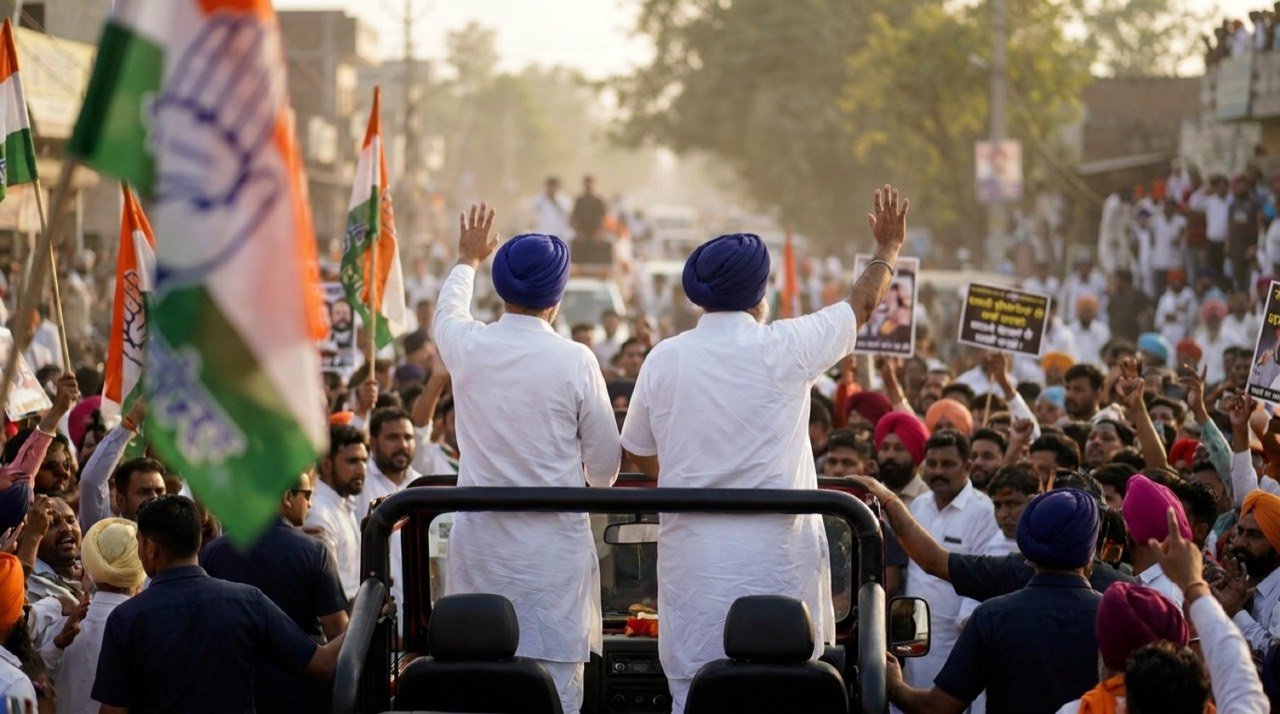
Kejriwal's Punjab Visit Comes as Akal Takht Summons Looms Over Mann Government
AAP convenor Arvind Kejriwal toured Punjab to rally workers just days before the Akal Takht's June 29 summons of Chief Minister Bhagwant Mann's cabinet over a contentious Sikh affairs law.
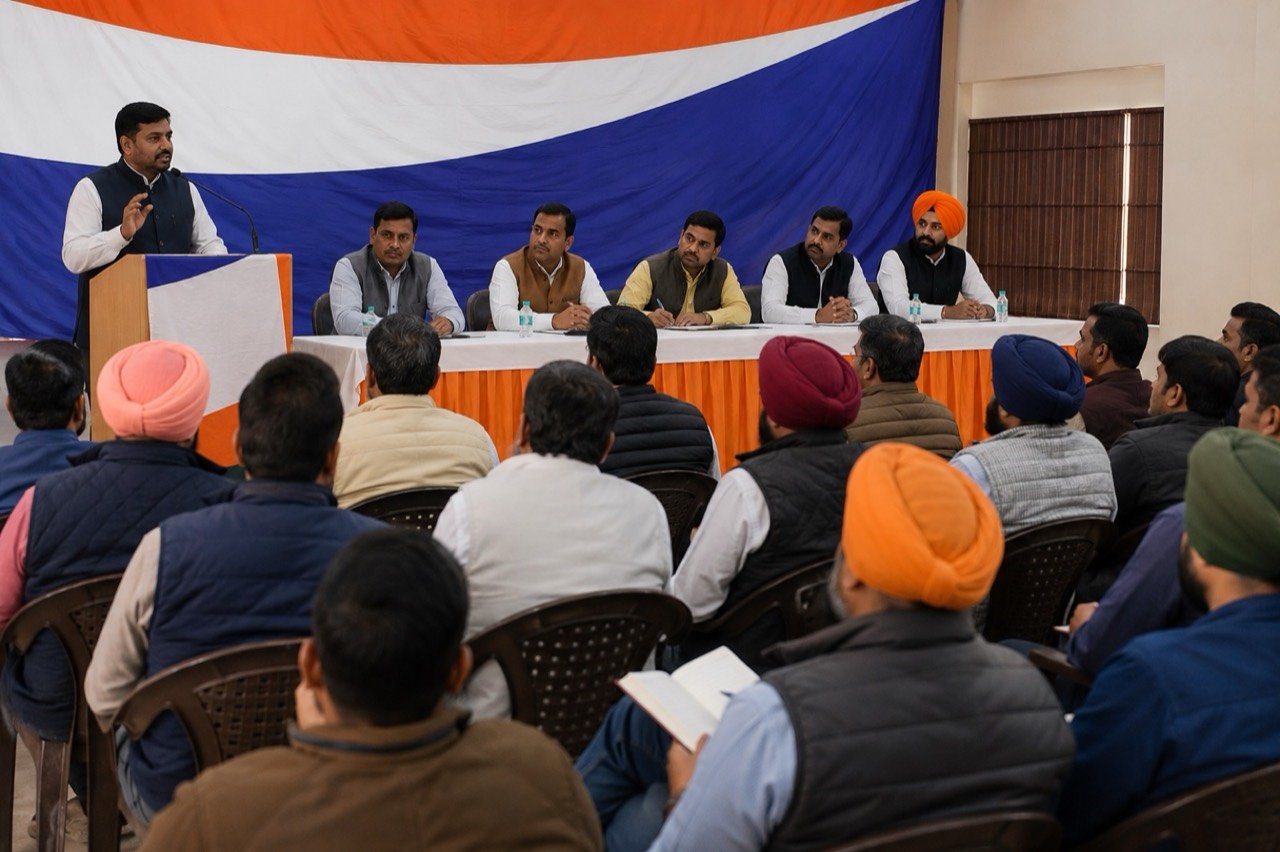
Nitin Nabin's Punjab Outreach Signals BJP's Early 2027 Election Push
BJP national president Nitin Nabin's Punjab visit sharpened the party's positioning for the 2027 Assembly polls, with sharp attacks on CM Bhagwant Mann and plans to contest all 117 seats.
Gurugram Arrests Deepen Row Over Forensic Report on Bhagwant Mann Video
Gurugram police have arrested two men accused of fabricating a forensic report tied to a viral video involving Punjab CM Bhagwant Mann, sharpening a debate over digital evidence and forensic integrity.
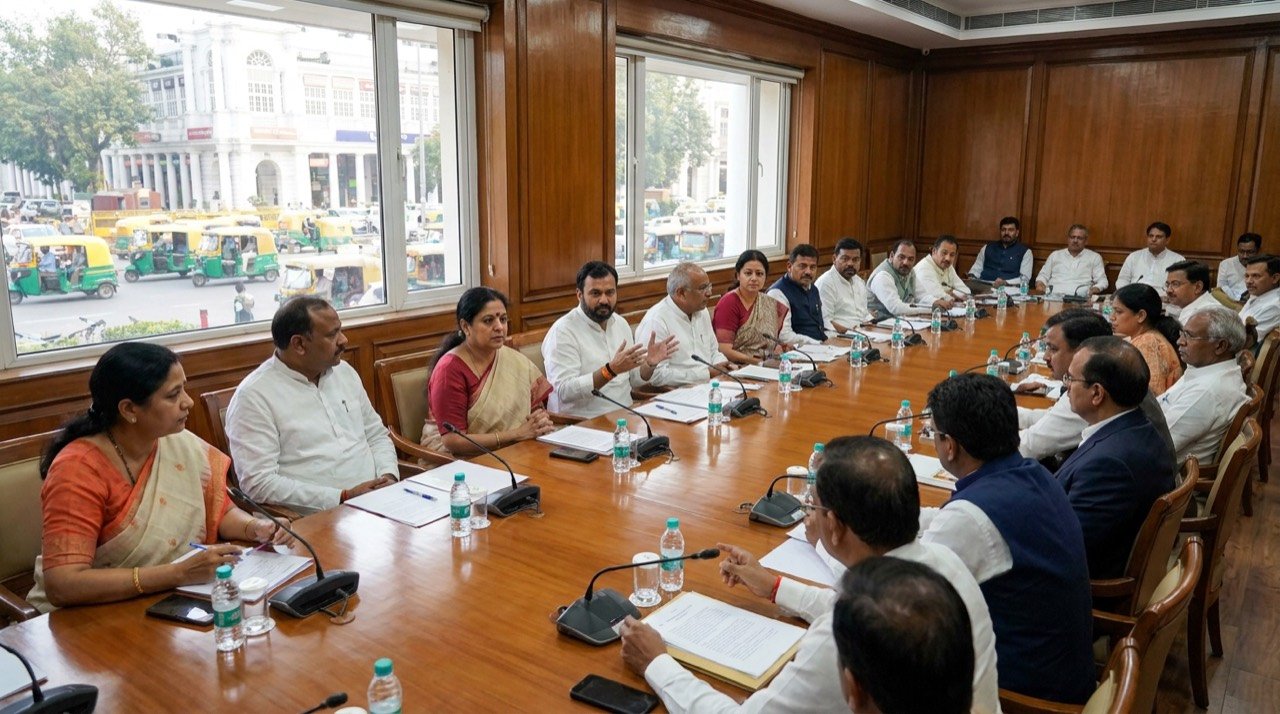
INDIA Bloc Reaches Five-Point Consensus After Allies Push Back on Congress
A tense INDIA alliance meeting in New Delhi ended with a five-point agreement and a vow to meet bimonthly, even as Left, SP and RJD leaders bluntly told the Congress to act as the coalition's glue.
More from this section
More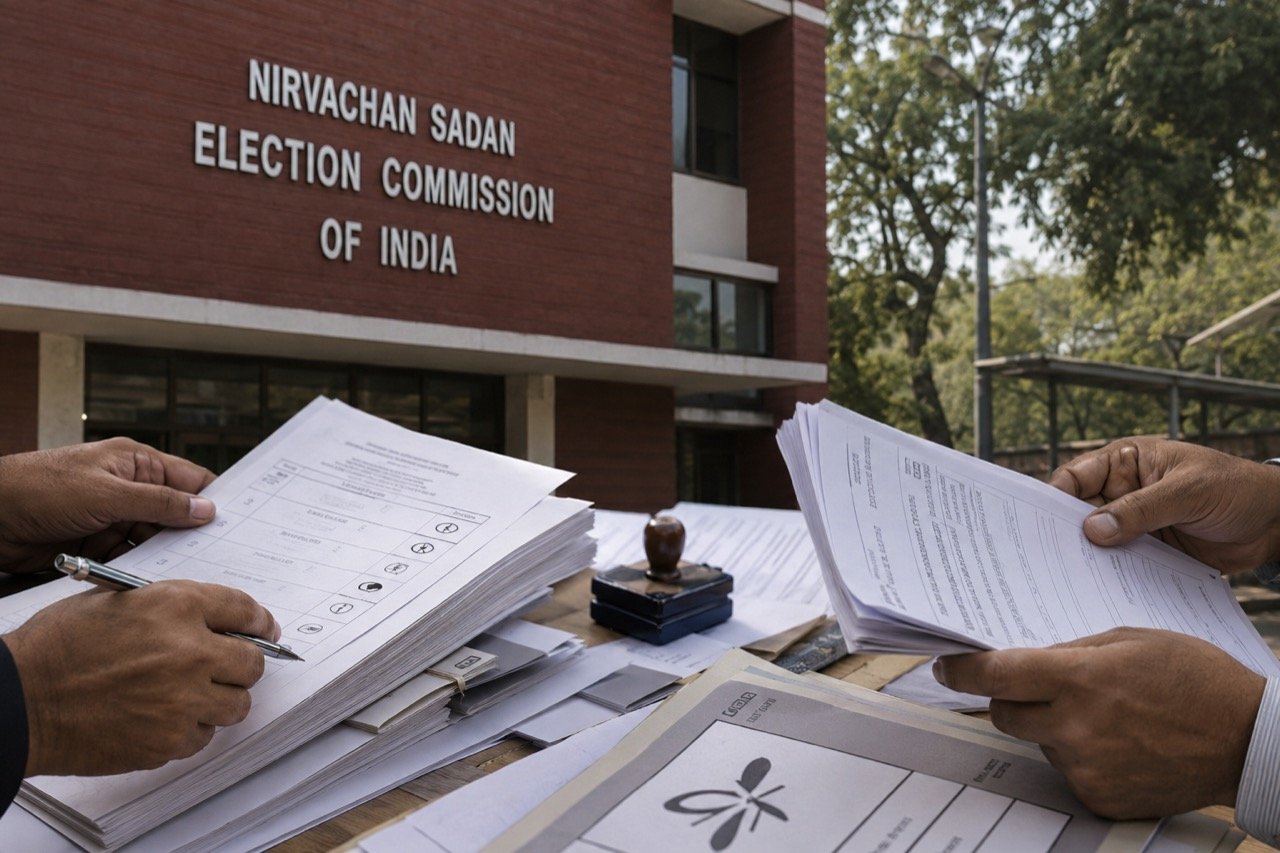
K Kavitha Party Denied TRS Name by Election Commission
The Election Commission has refused to register K Kavitha's Telangana Rakshana Sena under the TRS acronym after objections, forcing a branding reset for the new party at a politically sensitive moment in Telangana.
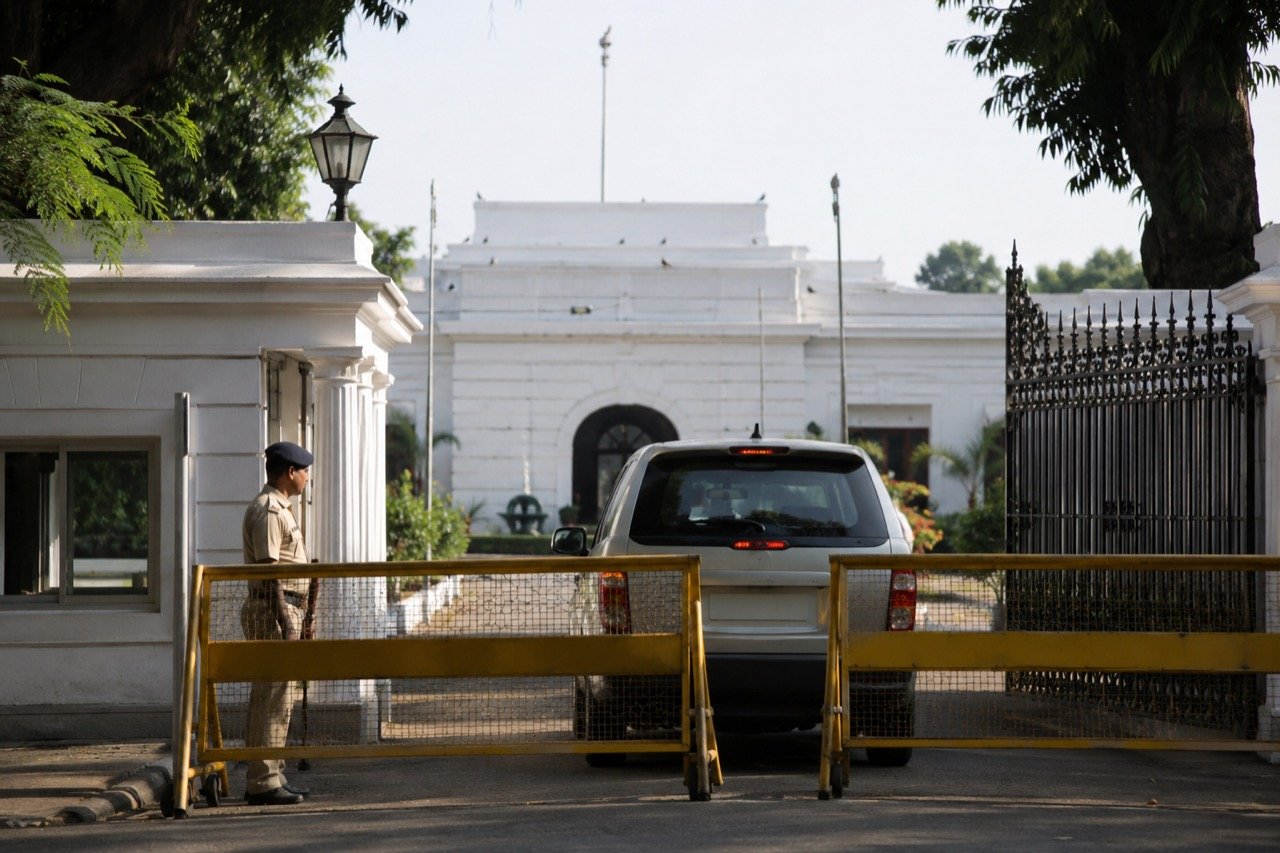
Lalu Prasad Yadav Security Downgrade, Bungalow Order Stir Bihar
A government order downgrading Lalu Prasad Yadav's security cover and asking him to vacate an official bungalow has opened a fresh political flashpoint in Bihar, with the RJD chief's reaction fuelling the row.
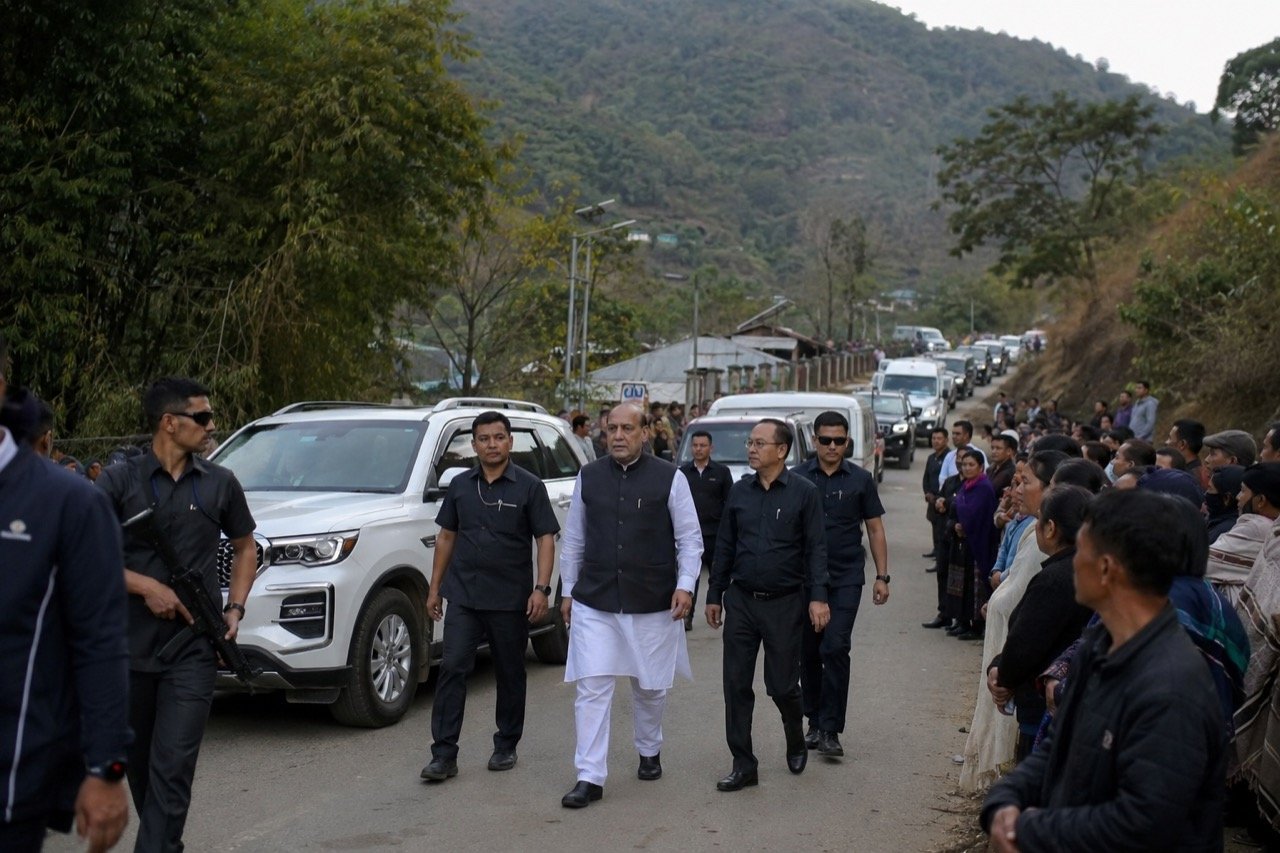
Manipur CM's Churachandpur Visit: First Since 2023 Unrest
The Manipur Chief Minister travelled to Churachandpur for a BJP MLA's funeral, his first visit to the district since the 2023 violence, lending the sombre occasion an unmistakable political significance.