Parliament's Monsoon Session Set For July 20 To August 13
President Droupadi Murmu has approved the government's recommendation for the 2026 Monsoon Session, giving India's political calendar a fixed window for legislation, debate and opposition strategy.
The NE Times Politics Desk
Commentary & Analysis ·
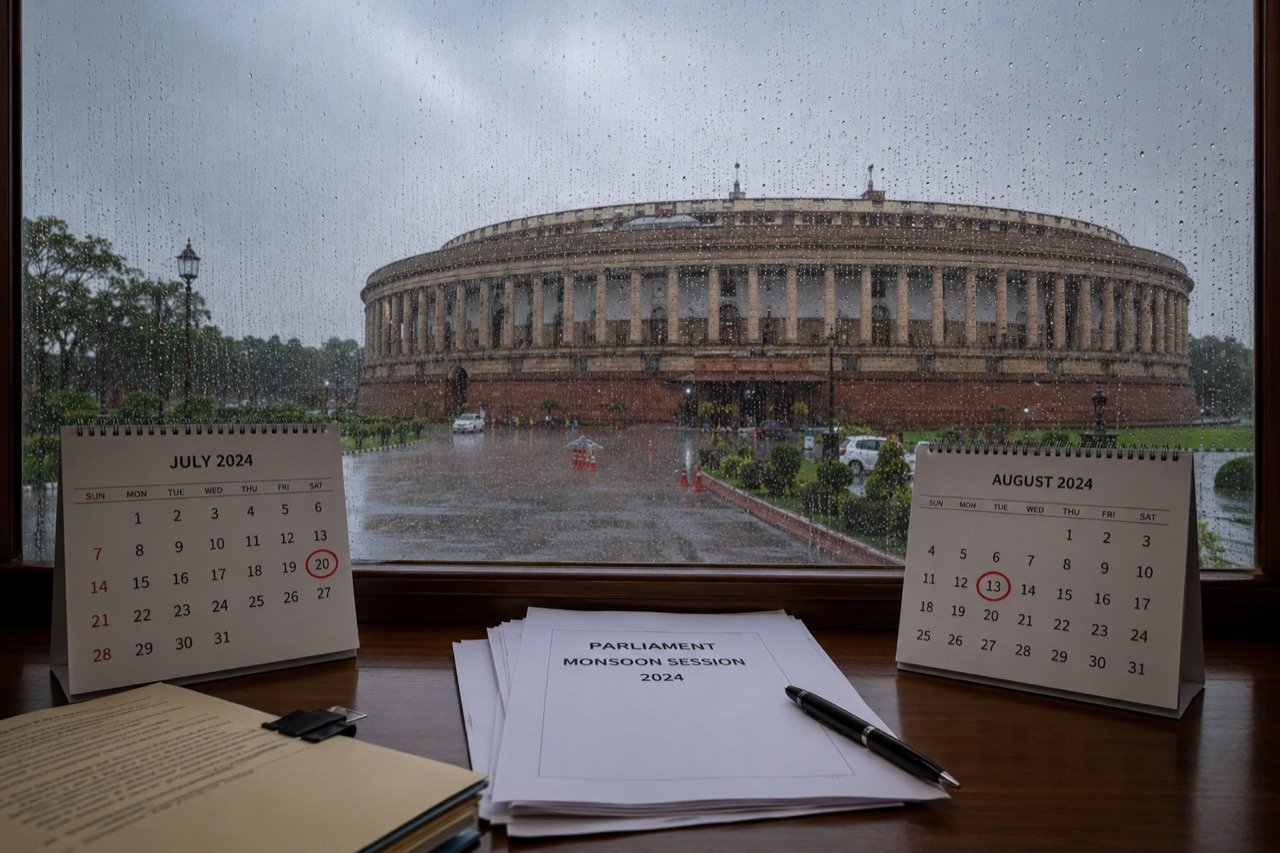
India's political calendar now has its next fixed point. The Monsoon Session of Parliament will begin on July 20 and run until August 13, after President Droupadi Murmu approved the government's recommendation on the dates.
The roughly three-and-a-half-week window concentrates the machinery of national politics into a single stretch: legislative business, opposition floor strategy, committee pressure, ministerial statements and the daily theatre of questions and answers.
Why this session carries extra weight
The Monsoon Session tends to be an unusually active one. Arriving midway through the year, it lands amid live concerns over weather, agriculture and public finances, and gives opposition parties their first sustained chance since the Budget Session to press the government on the economy, federal relations, security and social welfare.
The government, for its part, will be judged on its bill list and its floor management. Recent sessions have often featured sharp exchanges, and while disruption is never a certainty, both sides will arrive with carefully planned messaging that will ripple out into state-level politics and media coverage.
What to watch next
The dates tell readers when Parliament sits; the legislative agenda will reveal what the government actually wants to prioritise. That bill list, expected closer to the session, is the next genuinely informative signal.
The NE Times View
A session calendar sounds like procedural housekeeping, but it is really a countdown clock for accountability. Twenty-five days is not long to scrutinise a year's worth of governance, so the quality of this session will depend on whether both benches treat floor time as a resource rather than a battlefield. Readers should watch the ratio of bills passed to hours debated: rushed legislation with minimal scrutiny has become a quiet habit of Indian parliaments, and it costs citizens more than any noisy walkout does. If the government publishes a substantive agenda early and the opposition engages with it, this session could be more productive than recent precedent suggests.
This article is original commentary and analysis by The NE Times. Background facts were referenced from Times of India and NDTV.
You may also like to read
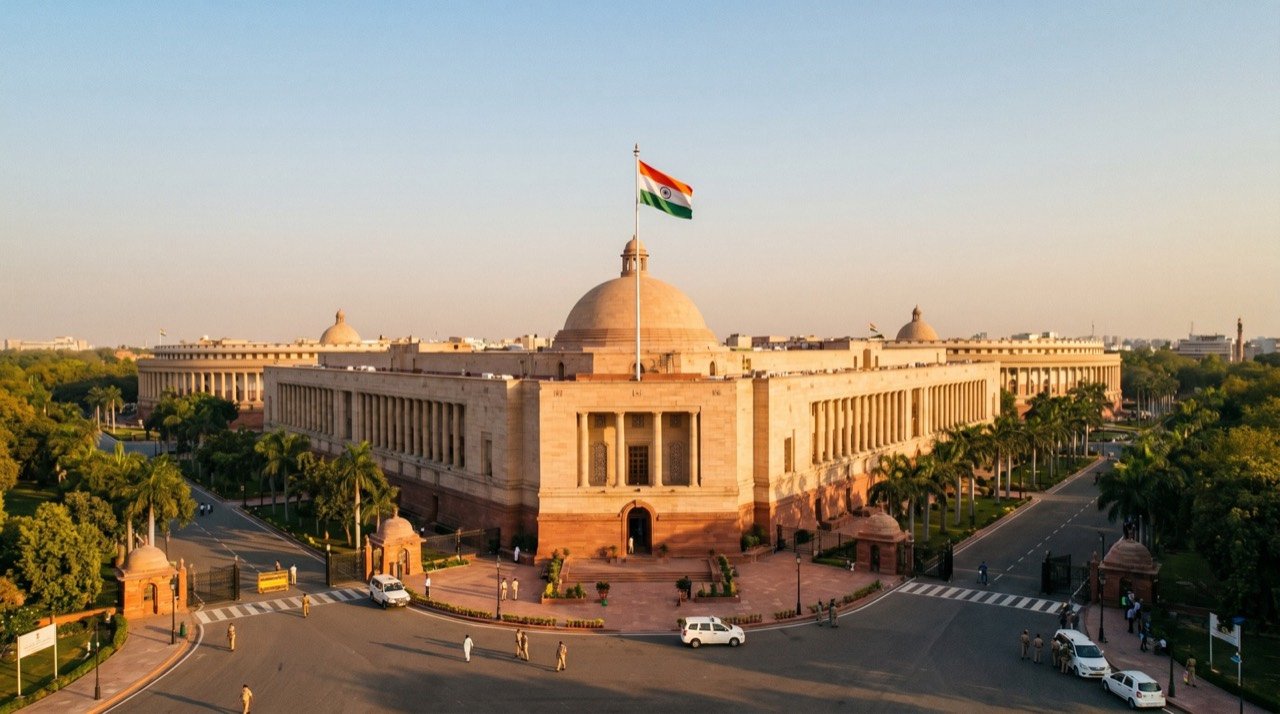
Parliament's Monsoon Session to Take Up Key Economic and Welfare Bills
Lawmakers return to a packed legislative agenda, with debate expected on data-protection rules, labour codes and a fresh welfare push ahead of state polls.
Parliament Monsoon Session Set For July 21 To August 12 With Heavy Legislative Load
Parliamentary Affairs Minister Kiren Rijiju has confirmed the 2026 monsoon session will run from July 21 to August 12, with the government lining up a crowded bills agenda for both Houses.
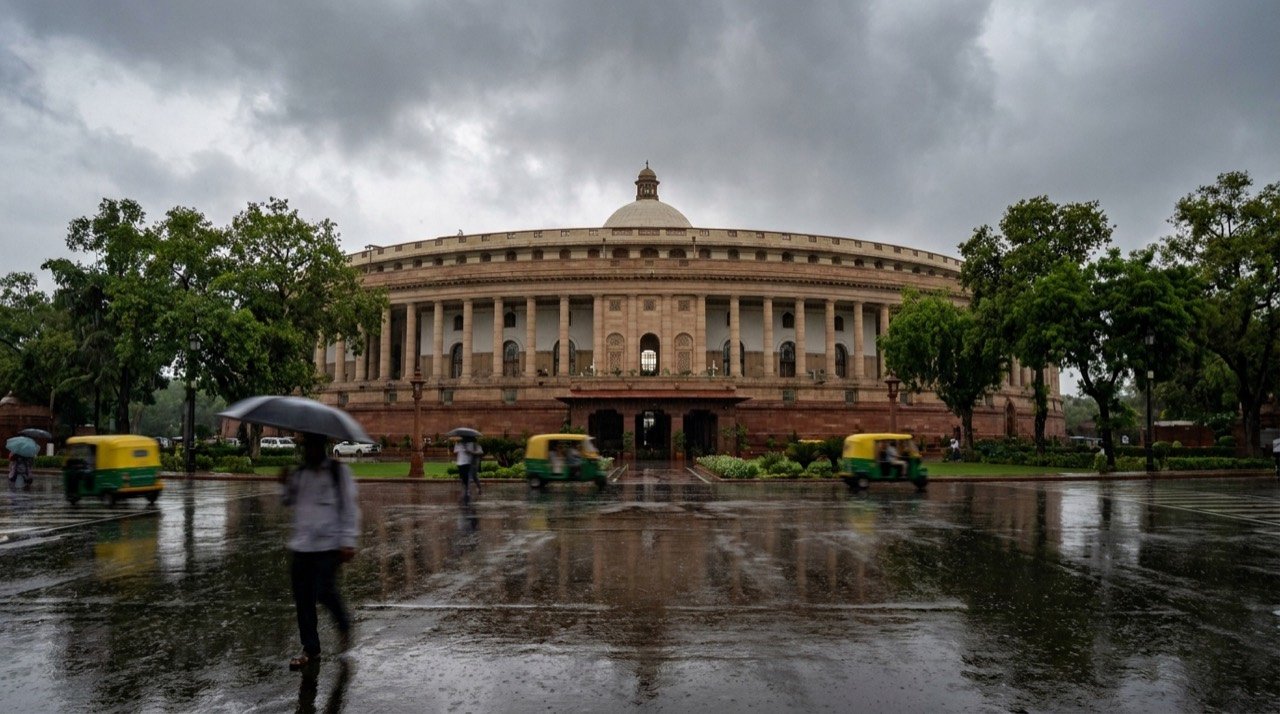
Six New Bills, Disaster Law Overhaul Headline Parliament's Monsoon Session
The government is preparing six fresh bills, including an amendment to the disaster management law and a new aviation statute, for a monsoon session set to run from 21 July to 12 August.
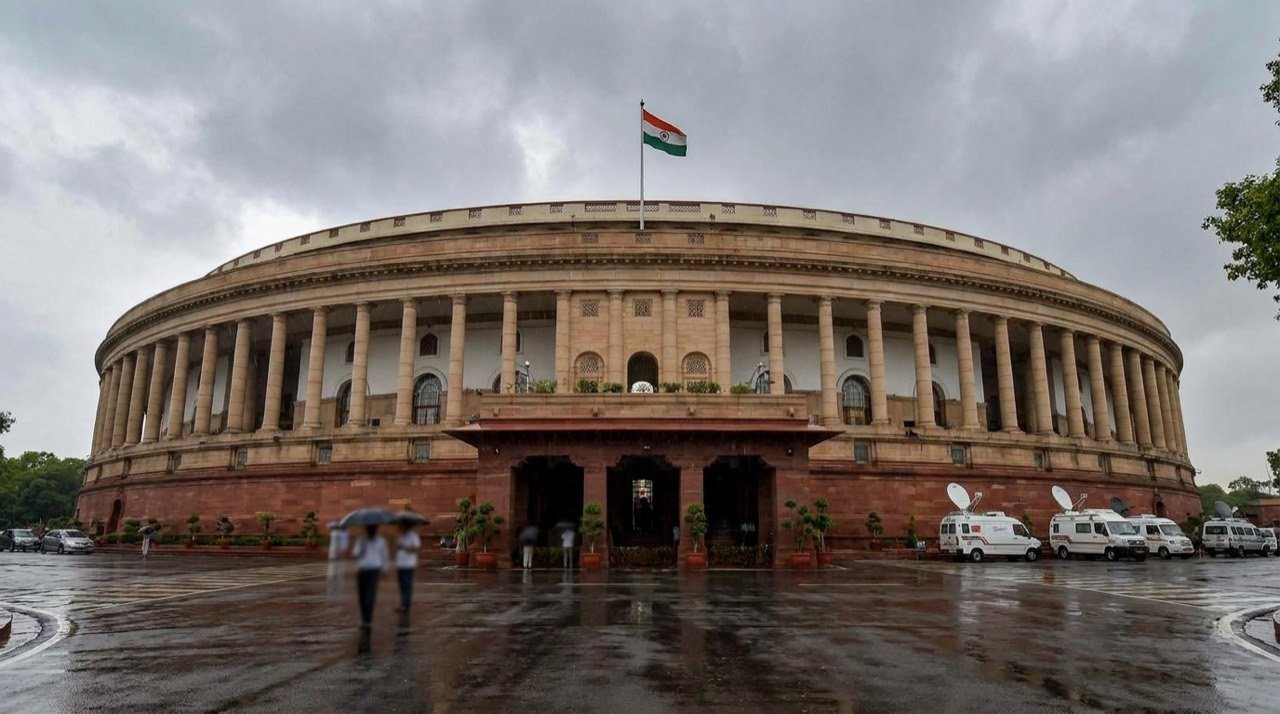
Centre Lines Up Six New Bills for Monsoon Session as Crowded Legislative Agenda Takes Shape
The Union government is preparing a packed monsoon session of Parliament, slating six fresh bills alongside the Finance Bill and a high-stakes return of the delimitation legislation in late July.
More from this section
More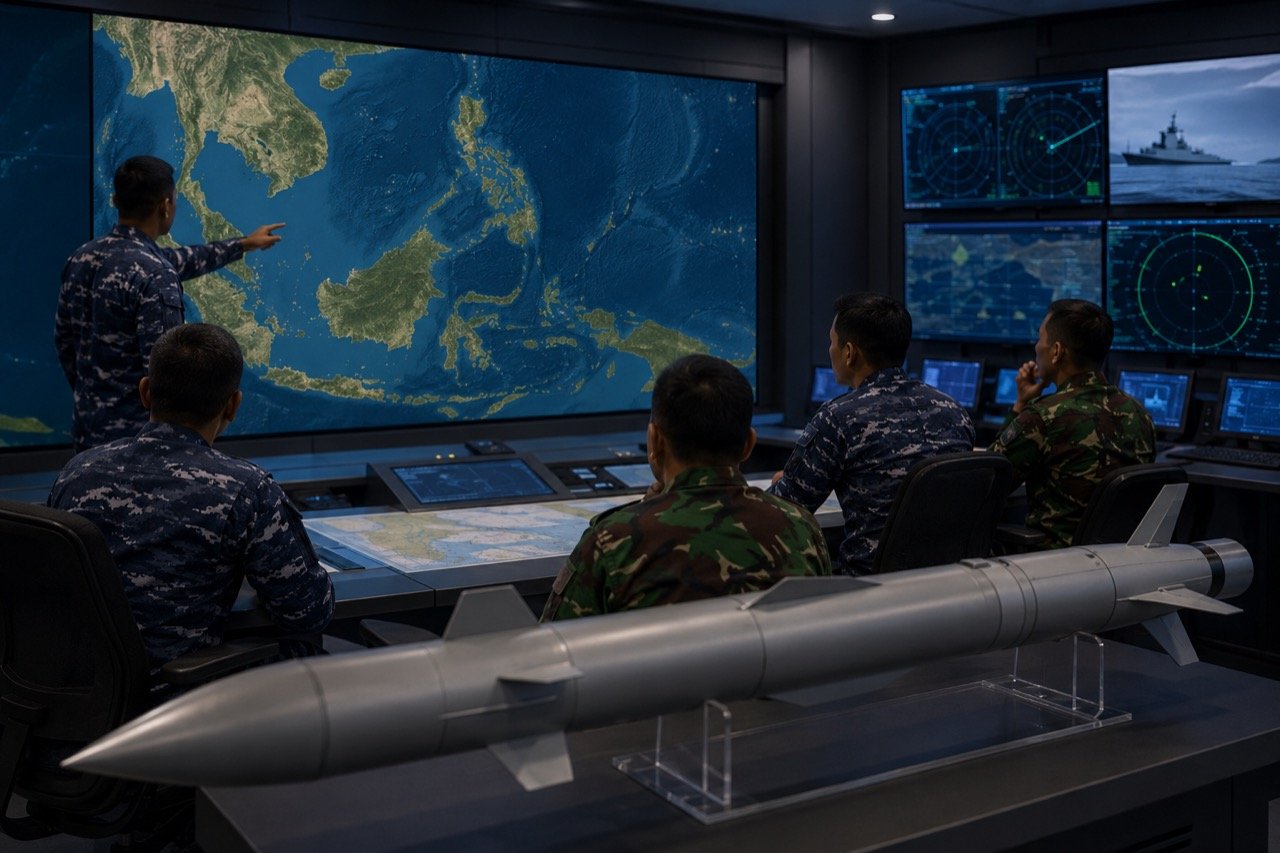
BrahMos Talks With Indonesia Sharpen India's Defence Export Push
A possible BrahMos missile agreement with Jakarta, in focus ahead of Prime Minister Modi's Indonesia engagement, underlines India's ambition to become a serious defence exporter across Southeast Asia.
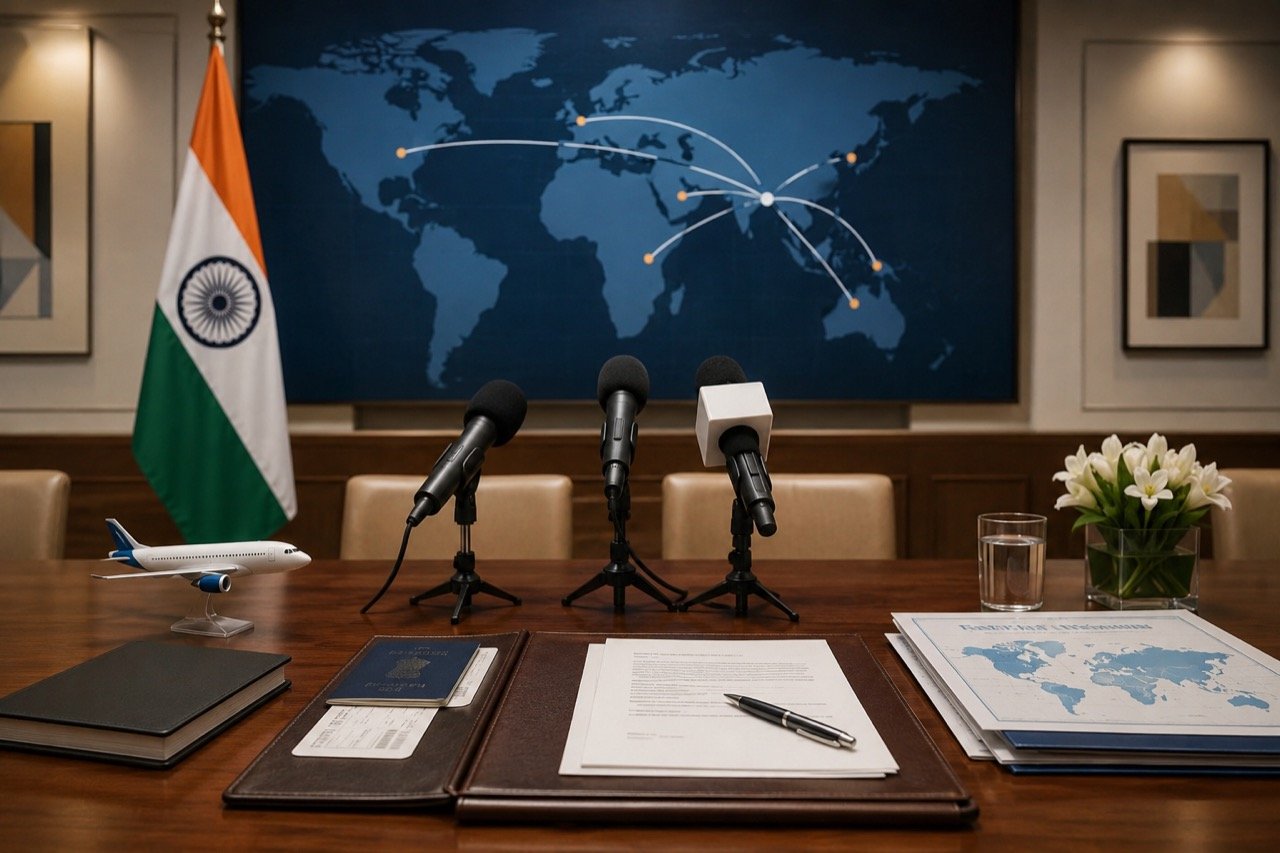
Jaishankar's Six-Nation Tour Kicks Off India's UNSC Seat Campaign
External Affairs Minister S. Jaishankar's July 5-15 tour of Qatar, Bahrain, Kuwait, Oman, the United States and Belgium doubles as bilateral outreach and the opening move of India's UN Security Council campaign.
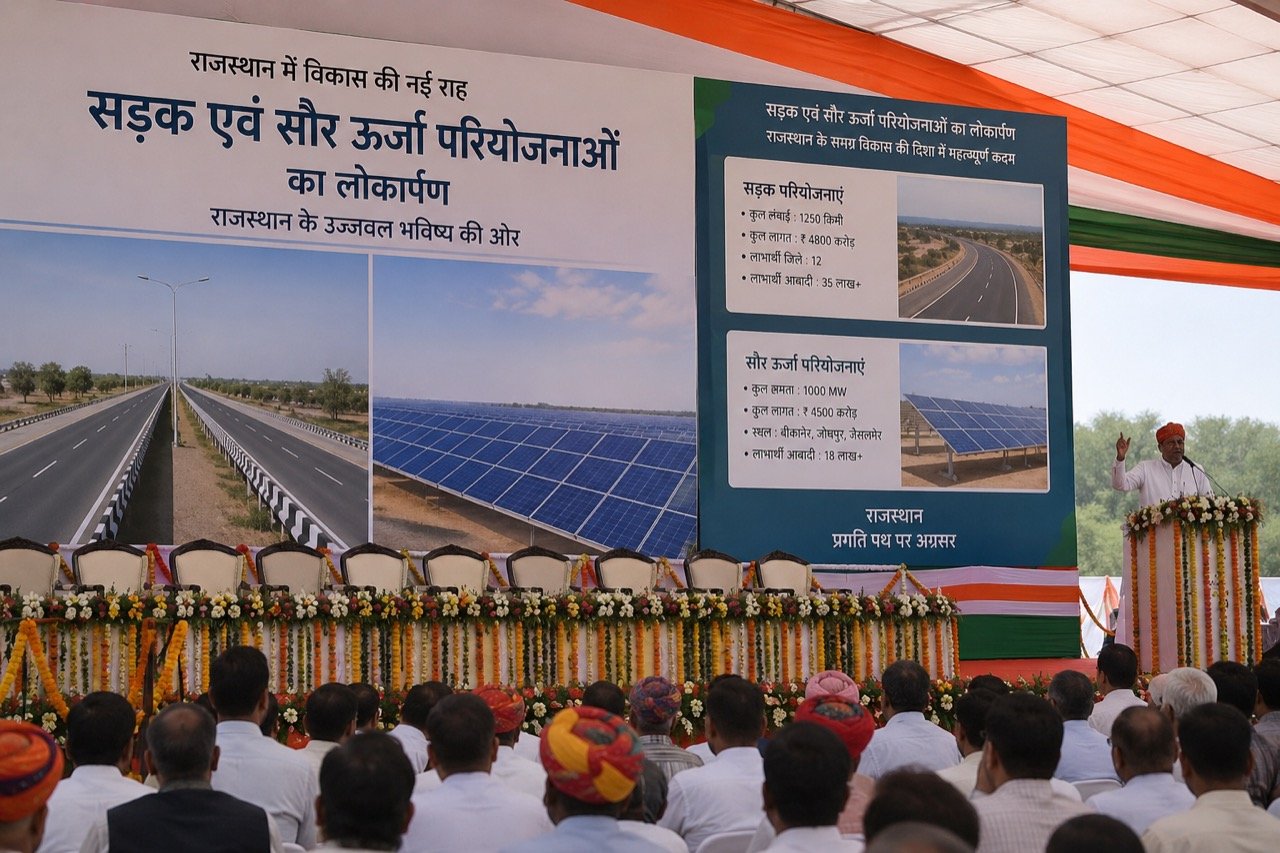
Modi's Balotra Push: Rs 1.06 Lakh Crore Projects and Energy Message
Prime Minister Narendra Modi's visit to Balotra in Rajasthan paired development projects worth around Rs 1.06 lakh crore with remarks crediting India's diplomacy for steering the country through West Asia-linked energy pressures.