Manipur Arms Recovery Drive Intensifies as 36 Weapons Seized in Joint Operation
Security forces in Manipur are widening a de-weaponisation campaign, recovering 36 weapons in a joint operation and razing illegal bunkers as authorities press to rebuild public confidence after ethnic unrest.
Commentary & Analysis ·
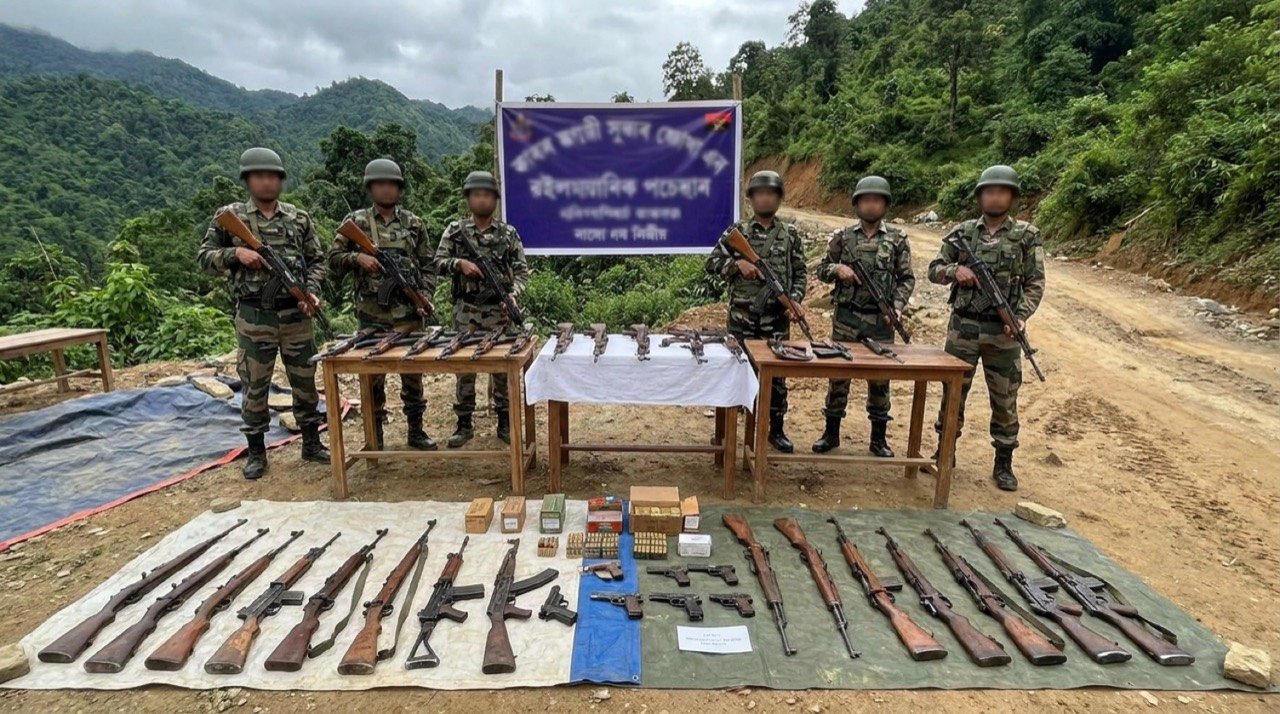
Security operations in Manipur are pressing ahead with one of their most sensitive tasks: pulling illegal and looted weapons out of circulation. In the latest push, a joint operation recovered 36 weapons, part of a broader de-weaponisation drive that authorities increasingly see as central to restoring normal life after prolonged ethnic violence. The number itself is modest set against the scale of arms believed to remain unaccounted for, yet it forms part of a pattern of sustained operations that officials say is beginning to add up.
Weapons back under legal control
The recovery of 36 firearms in a single joint operation underscores the scale of the challenge facing security forces in Manipur. Much of the weaponry now in private hands was looted from armouries during periods of unrest, and bringing it back under legal control is regarded as a precondition for durable calm. Weapons that entered circulation this way did not stay confined to any one group or locality; once armouries were breached, the firearms dispersed into communities, homes and makeshift stockpiles, making systematic recovery a slow, painstaking exercise rather than a single decisive sweep.
Alongside seizures, security forces have targeted illegal bunkers and arms caches, dismantling the physical infrastructure that allows armed groups and vigilantes to operate. This is a deliberate two-pronged approach: removing the weapons themselves while also degrading the fortified positions and storage points that have allowed armed actors to entrench in contested areas. Officials say each recovered weapon reduces the risk of fresh flare-ups, on the logic that fewer arms in circulation means fewer opportunities for isolated incidents to escalate into wider confrontation.
Why bunkers matter as much as weapons
The emphasis on razing bunkers alongside weapons recovery reflects a lesson learned over the course of the crisis: firearms alone are not the only enabler of continued violence. Fortified positions provide armed groups with staging grounds, storage for caches yet to be discovered, and a visible symbol of parallel authority operating outside the state's control. Removing these structures is as much about reasserting the state's presence and authority in contested terrain as it is about the tactical denial of shelter to armed actors. It signals to communities on all sides that no informal armed structure, regardless of who erected it or why, will be permitted to persist indefinitely.
Appeals to surrender arms
Authorities have repeatedly urged communities to hand over weapons voluntarily and have warned against armed vigilantism, which has deepened mistrust between groups during the crisis. The message is that holding on to looted arms invites legal consequences and prolongs insecurity. This appeal is not merely rhetorical; it reflects an operational reality that forced recoveries alone cannot reach every hidden cache, particularly in areas where local knowledge of terrain and community loyalties can make search operations difficult and, at times, risky for security personnel.
Persuading ordinary residents that surrendering arms is safer than retaining them is as much a confidence-building exercise as a law-and-order one. In a state where communities have experienced displacement, loss and prolonged uncertainty, the calculus of an individual household weighing whether to give up a weapon is shaped by fear as much as by legal risk. Many who retain arms may do so not out of allegiance to any organised group but out of a perceived need for self-protection amid unresolved tensions. Overcoming that logic requires more than warnings; it requires visible evidence that the state can guarantee safety once weapons are gone, which is a considerably harder deliverable than the seizures themselves.
Why disarmament underpins peace
The wider significance of the drive lies in a simple calculation: durable peace in Manipur depends not only on political dialogue but on reducing the volume of weapons circulating outside legal control. As long as looted arms remain in the open, any political settlement risks being undone by a single incident. A ceasefire or an agreement negotiated between community representatives and the administration carries little practical weight if armed individuals on the ground retain the capacity to reignite violence independent of what has been agreed at the political level. In that sense, de-weaponisation is not a peripheral security measure but a structural requirement for any settlement to hold.
This is precisely why officials have framed the current phase as a long-term commitment rather than a one-off sweep. A single operation, however successful, cannot substitute for a sustained campaign given how widely dispersed the looted weaponry has become. The coming phase of the campaign will be judged on whether recoveries can keep pace with the weapons still unaccounted for, and whether communities respond to appeals to disarm rather than forcing continued reliance on search-and-seizure operations that are inherently slower and more resource-intensive.
The limits of a security-only approach
For all the operational progress reflected in seizures such as this one, disarmament by itself cannot resolve the underlying causes of the conflict in Manipur. Ethnic distrust that has built up over a prolonged period of violence is not dissolved by the removal of firearms; it is, at best, contained. Communities that took up arms, whether out of organised militancy or a more diffuse sense of vigilante self-defence, did so against a backdrop of specific grievances, fears and perceived threats. Unless those underlying drivers are addressed through political engagement, there is a real risk that the security gains from recovery operations prove temporary rather than durable.
This is not an argument against continuing the recovery drive; it is an argument for pairing it with parallel efforts. Guns surrendered under pressure or recovered through search operations can, in principle, be replaced through the same channels that supplied them in the first place, unless the conditions that made armed self-help seem necessary are also addressed. A security response that is not accompanied by credible reconciliation efforts and even-handed policing across communities risks becoming a recurring exercise rather than a path to closure.
The NE Times View
Recovering 36 weapons and razing bunkers is necessary, but de-weaponisation alone cannot heal a state fractured by ethnic distrust. Guns surrendered under pressure can be replaced unless the underlying grievances are addressed. Arms drives must run alongside credible political reconciliation between communities, or they merely manage symptoms rather than treat the underlying condition. Manipur needs rebuilt institutions and even-handed policing as much as it needs emptied armouries. The test of this campaign will not be measured solely in the number of weapons logged into custody, but in whether the state can convert a reduction in visible arms into a broader restoration of trust between communities that have been divided by prolonged violence.
Key takeaways
- A joint security operation in Manipur recovered 36 weapons as part of an intensifying de-weaponisation drive.
- Security forces are also targeting illegal bunkers and arms caches to dismantle the physical infrastructure enabling armed groups.
- Authorities have appealed for voluntary surrender of weapons while warning against armed vigilantism.
- Officials treat disarmament as a long-term commitment, to be judged on whether recoveries keep pace with weapons still unaccounted for.
- The NE Times View holds that security operations must be matched by political reconciliation and even-handed policing, or gains risk being reversed.
You may also like to read
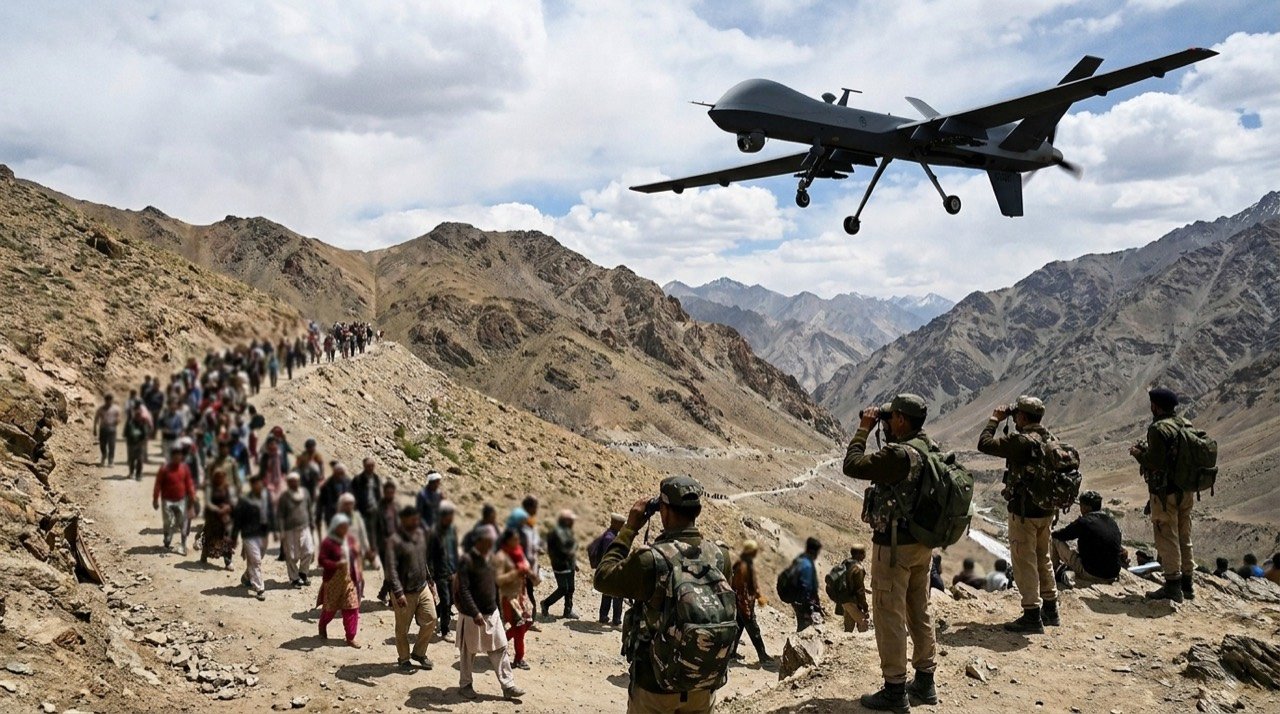
Project Hawk Eye: AI, Drones and Snipers to Guard the Amarnath Yatra
Anantnag police have unveiled Project Hawk Eye, a layered surveillance net of drones, facial recognition, hundreds of CCTV cameras and sniper teams to secure the 2026 Amarnath Yatra beginning 3 July.
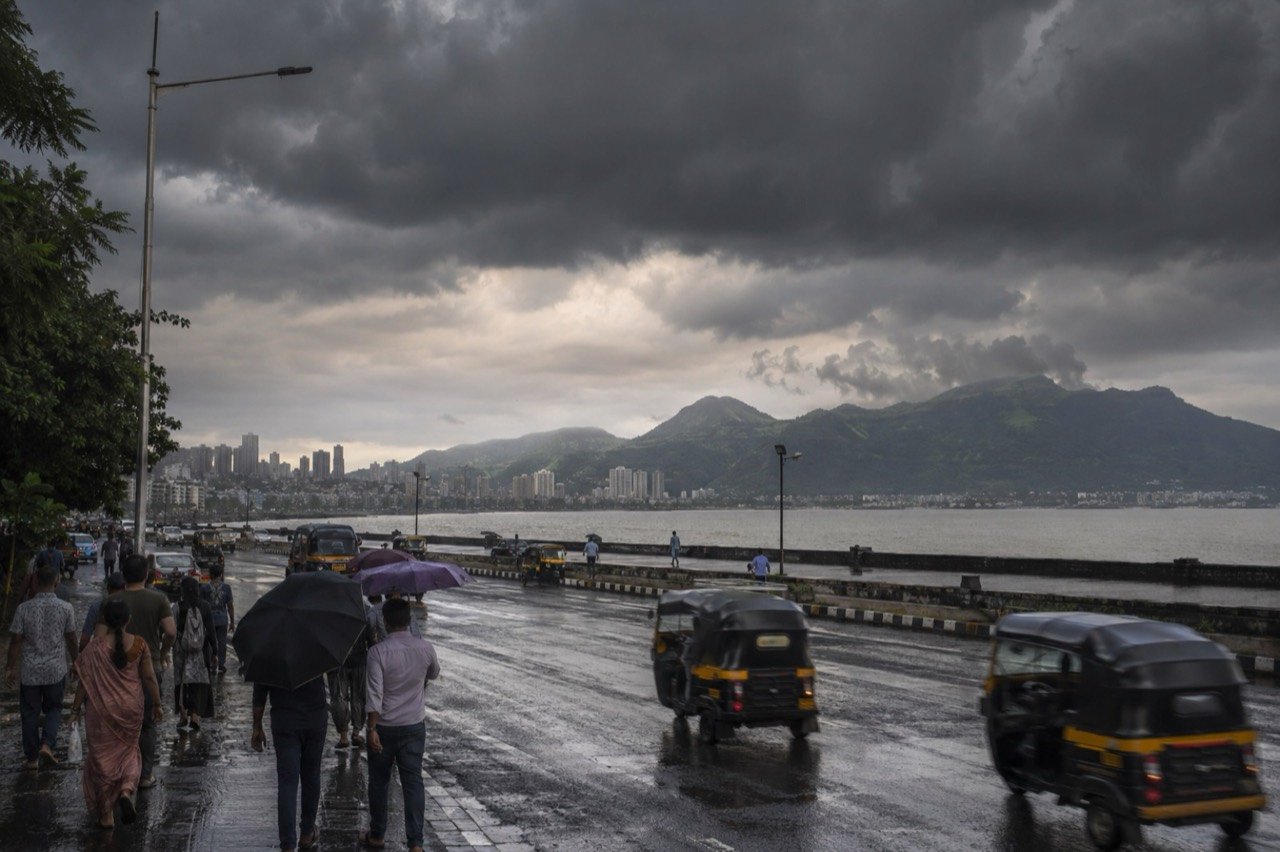
Monsoon Revival Forecast Triggers Rain Alerts Across India as Heat Lingers
India's southwest monsoon is set to regain strength this week, bringing very heavy rain to the Northeast and Maharashtra even as central districts stay under heatwave warnings.
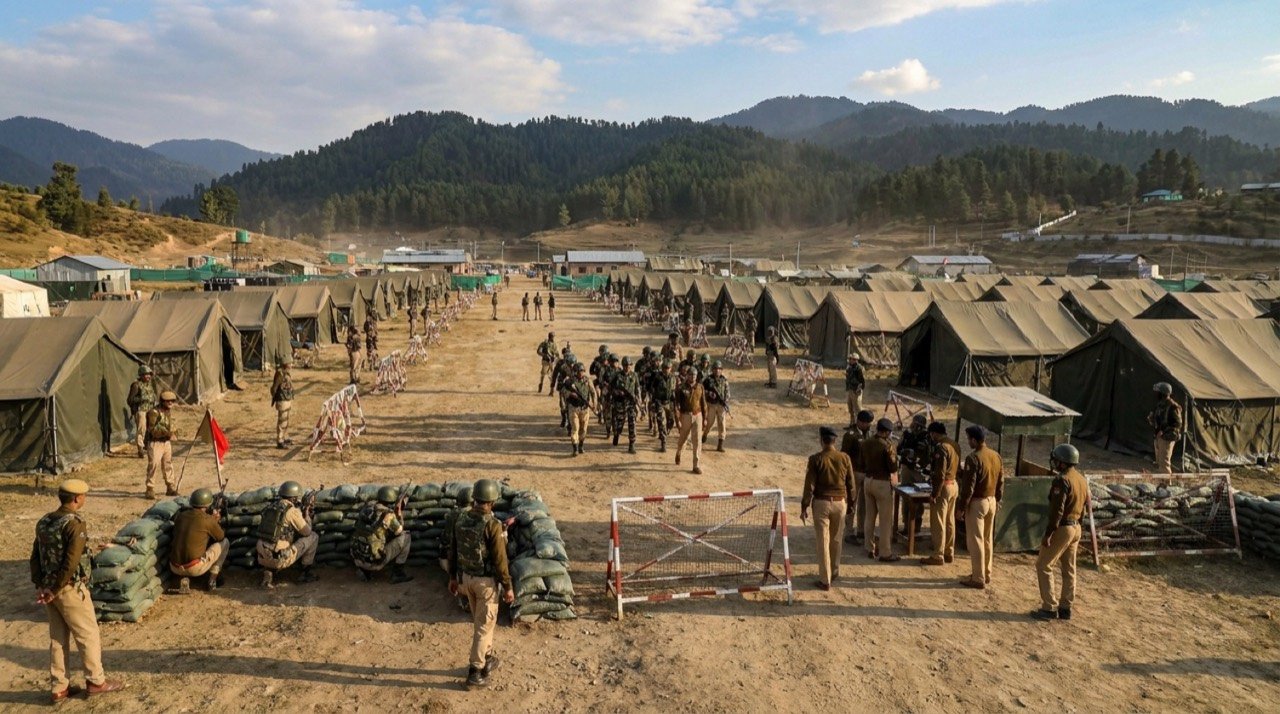
Amarnath Yatra Security Drill Sharpens Jammu Base Camp Readiness
Security agencies ran a mock drill at Jammu's Bhagwati Nagar base camp ahead of the Amarnath Yatra, bringing NSG, SOG and local police together to test response times and perimeter defence.
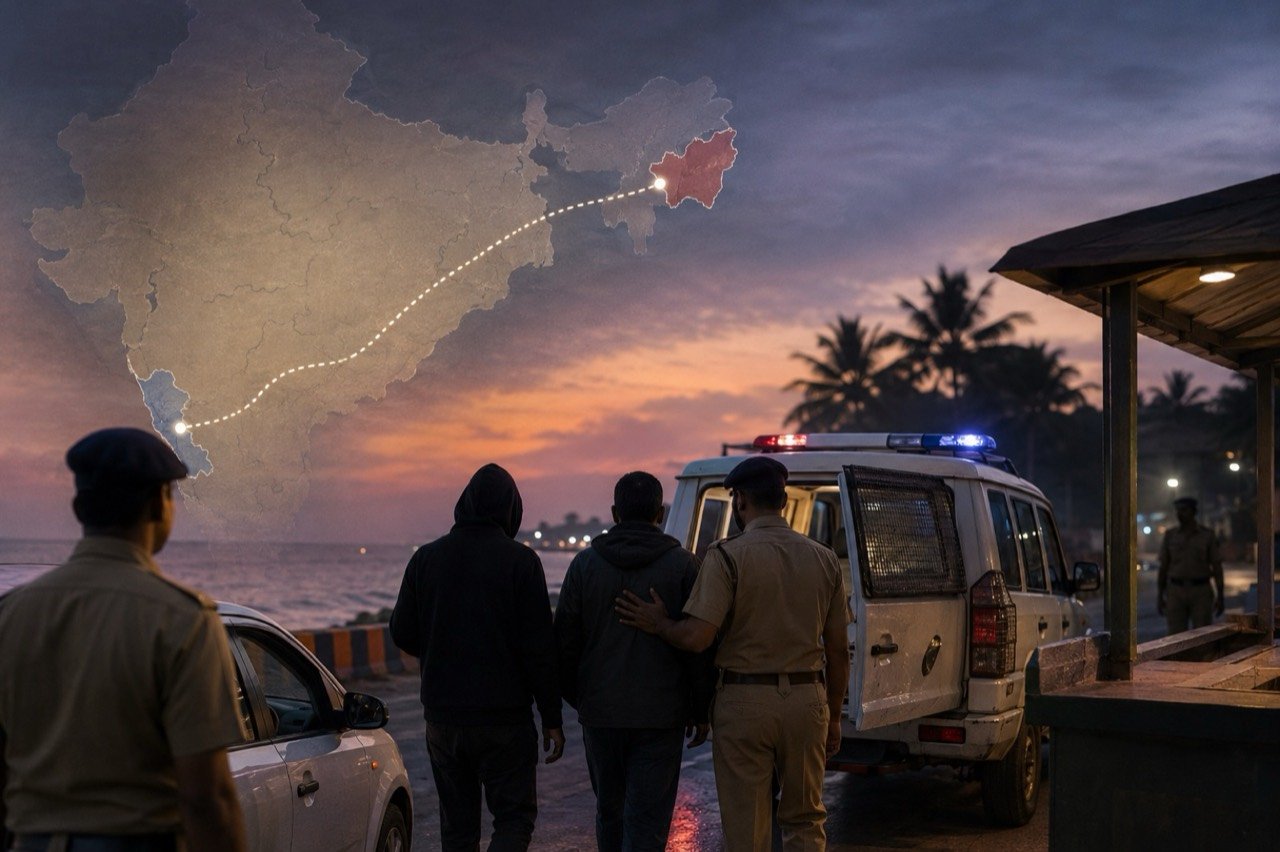
Meitei Insurgent Group Member Arrested in Goa, Police Say
The arrest of an alleged Meitei insurgent in Goa shows how Manipur-linked security cases now stretch far beyond the Northeast, driven by mobility, digital traces and inter-state intelligence sharing.
More from this section
More
AICTE Industry Fellowship 2026: Rs 1.5 Lakh Scheme Closes July 5
The AICTE Industry Fellowship Programme 2026, which places technical-education faculty inside leading companies on a Rs 1.5 lakh monthly stipend, reached its application deadline on July 5.

Bay of Bengal Low Pressure System Revives Monsoon Over Western India
A low-pressure system over the Bay of Bengal has pushed the monsoon back into an active phase, bringing steady heavy rain to Kerala, coastal Karnataka and Maharashtra, and putting Mumbai and Pune on preparedness watch.
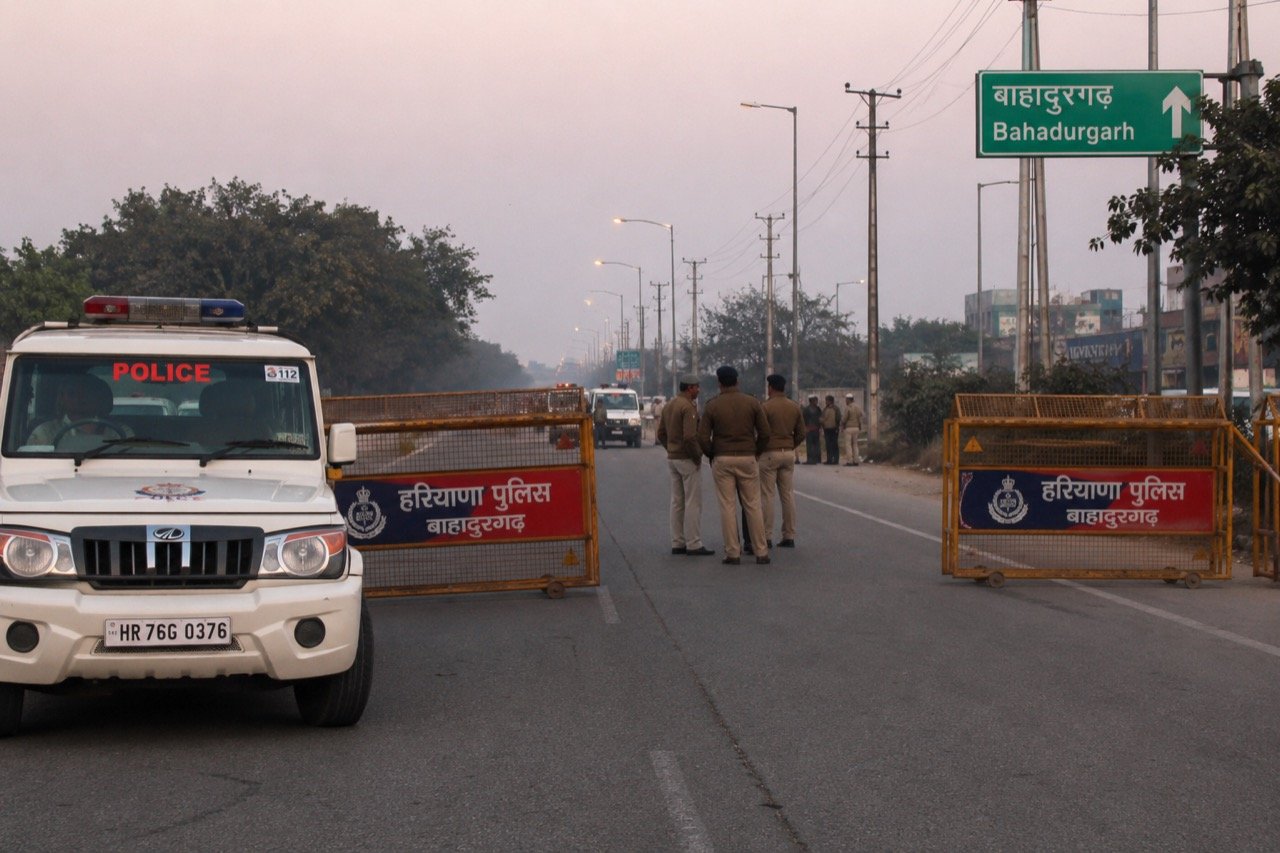
Bishnoi Gang Suspects Injured in Haryana Encounter as Police Tighten Net
A joint Haryana-Delhi Police operation in Bahadurgarh left two suspected Lawrence Bishnoi gang members injured, spotlighting the multi-state coordination now central to India's fight against organised crime networks.