'The Mandalorian and Grogu' Crashes 70% as Star Wars' Box-Office Spell Wears Thin
Disney's first Star Wars film in years opened to a soft $100 million and then fell off a cliff, dropping nearly 70 percent and slipping behind two low-budget horror hits, raising fresh questions about the franchise's pull.
Commentary & Analysis ·
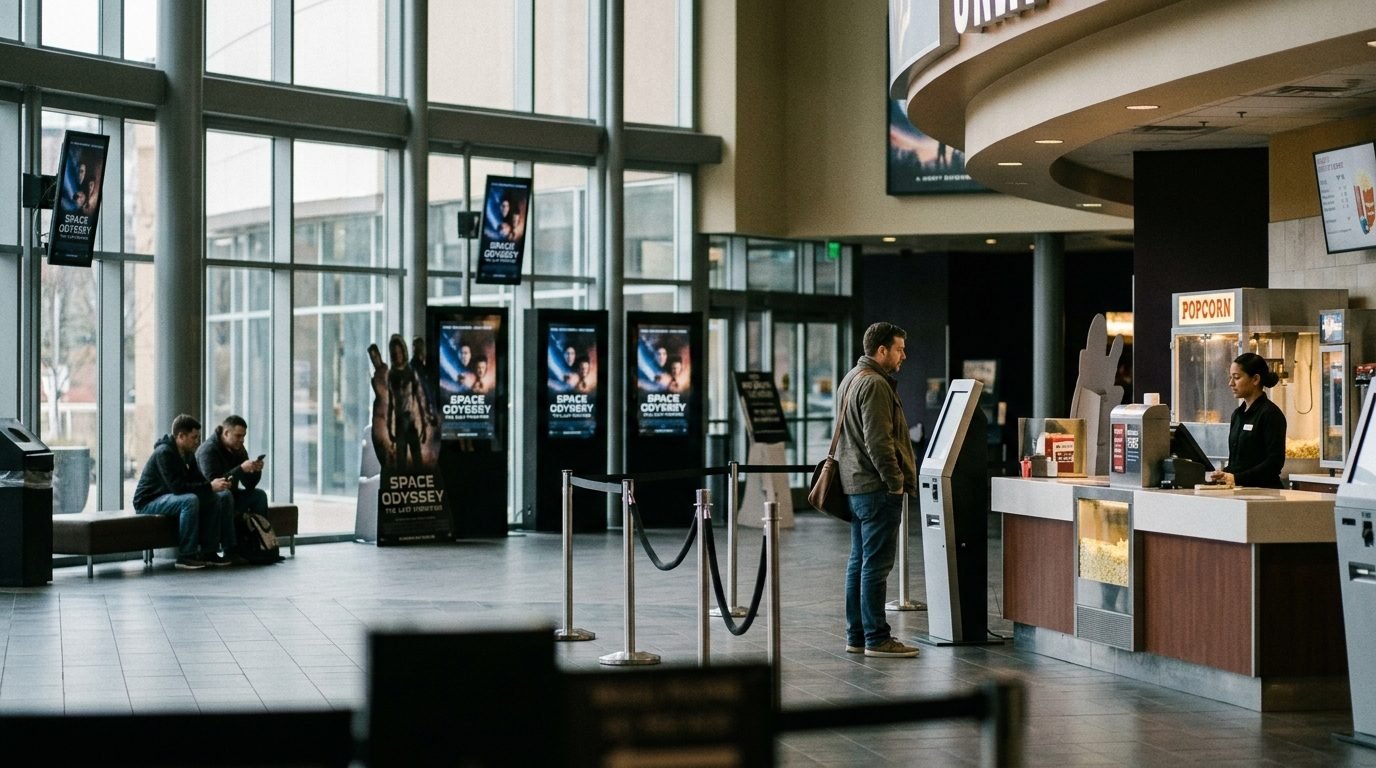
Star Wars was supposed to come back roaring. Instead, 'The Mandalorian and Grogu' has stumbled into one of the more sobering box-office stories of the summer, a sharp reminder that even the most valuable brand in popular culture cannot coast on goodwill alone. After a muted opening, Disney's return to a galaxy far, far away suffered a brutal second-weekend collapse, falling close to 70 percent and tumbling behind a pair of cheaply made horror films.
The film debuted to roughly $82 million over its opening weekend, building to about $102 million through the Memorial Day Monday, a figure analysts described as the softest start for a Star Wars title since Disney acquired the franchise in 2012. From there the descent was steep: the second weekend brought in an estimated $25 million, a decline severe enough to drop the picture to third place on the domestic chart.
Out-grossed by the upstarts
The films that overtook it made the contrast all the more pointed. Two horror titles, made for a fraction of a Star Wars budget, leapfrogged Lucasfilm's heavyweight, underlining a theme that has run through the season: lean, audience-savvy genre films are eating into the territory once owned by legacy tentpoles. When a property as storied as Star Wars finds itself behind low-cost newcomers, the conversation stops being about a single weekend and starts being about the model.
Analysts had been mixed on the opening even before the drop, with some noting that the launch was driven by families rather than the franchise's hardcore base, a demographic split that can produce a respectable debut but rarely the kind of repeat business that sustains a long theatrical run. The second-weekend fall appeared to bear that reading out.
The math problem
The numbers underneath are the real worry. The film is reported to need somewhere between $500 million and $600 million globally simply to break even, a target that looks increasingly distant after a worldwide haul of roughly $246.5 million through two weekends. A movie that needs to more than double its current total just to reach the black is in a precarious position, and the steepness of the domestic drop offers little reassurance that it will get there.
“This is the softest start for a Star Wars film since Disney acquired the franchise in 2012.”
What the slump signals
- Brand recognition no longer guarantees the front-loaded, all-audience turnout legacy franchises once enjoyed.
- A family-skewing opening can mask weak long-term legs once the initial rush fades.
- Low-budget genre films are proving more resilient than expensive franchise entries.
- Lucasfilm faces renewed questions about how, and how often, to bring Star Wars back to the big screen.
None of this means the franchise is finished; Star Wars retains a depth of affection and a merchandising engine that few properties can match, and a single underperforming film is not a death knell. But it does puncture the assumption that the brand can be deployed at will and trusted to deliver. The theatrical landscape of 2026 is unsentimental, and audiences have shown they will reward novelty over nostalgia when the novelty is good enough.
For Disney and Lucasfilm, the lesson may be less about this particular film than about cadence and expectation. Releasing a Star Wars movie into a market increasingly hostile to over-familiar spectacle, against horror films firing on word of mouth, exposed a vulnerability the franchise rarely has to confront. The next big-screen outing will arrive under markedly more scrutiny.
The coming weekends will determine whether 'The Mandalorian and Grogu' can claw its way toward respectability or settle in as a cautionary tale. Either way, the message reverberating through the industry is clear: in mid-2026, not even the Force is enough to guarantee a hit.
The NE Times View
A 70 percent collapse, with cheap horror outpacing a flagship Star Wars title, is less a stumble than a verdict. Disney has mistaken brand recognition for genuine demand, and franchise fatigue is now showing up at the till. For Indian audiences weaned on theatrical spectacle, the lesson is universal: nostalgia draws an opening weekend, but only fresh storytelling keeps the seats filled.
This article is original commentary and analysis by The NE Times. Background facts were referenced from Variety and Deadline.
You may also like to read
Alpha Box Office Day 1: Alia Bhatt Spy Film Opens at Rs 9 Crore
Alpha, the Alia Bhatt and Sharvari-led entry in the YRF spy universe, has opened to roughly Rs 9 crore net in India, a modest start that puts the spotlight on weekend growth and word of mouth.

Cocktail 2 Box Office: Shahid-Kriti-Rashmika Film Crosses Rs 50 Crore
Cocktail 2, starring Shahid Kapoor, Kriti Sanon and Rashmika Mandanna, has crossed the Rs 50 crore domestic net benchmark, keeping the ensemble romantic drama firmly in the 2026 box office conversation.

Maa Inti Bangaaram Box Office: Samantha Film Nears Rs 90 Cr Worldwide
Samantha Ruth Prabhu's action drama has slowed with a 34.8 percent day-15 dip, yet its Rs 54.70 crore India net and near-Rs 90 crore worldwide gross keep it among the season's durable Telugu releases.

Main Vaapas Aaunga Box Office: Diljit Film Crosses Rs 40 Crore
Diljit Dosanjh's Main Vaapas Aaunga has reportedly crossed Rs 40 crore worldwide after a weekend jump, keeping the Hindi release alive in trade conversation well beyond its opening frame.
More from this section
More
72nd National Film Awards: Fans Back Mammootty, Allu Arjun, Sai Pallavi
Speculation around the 72nd National Film Awards is intensifying as fan communities across India's language film industries champion favourites including Mammootty, Allu Arjun and Sai Pallavi ahead of any official announcement.

Aamir Khan Marries Gauri Spratt in Private Pali Hill Ceremony
Aamir Khan and Gauri Spratt tied the knot at the actor's Pali Hill home in Mumbai on July 5, turning a deliberately small family ceremony into Bollywood's biggest story of the day.
Akanksha Chamola's Lock Upp 2 Confession Sets Reality TV Abuzz
A personal revelation by Akanksha Chamola ahead of Lock Upp 2 has handed the reality show a viral talking point, underlining how confession-driven formats continue to dominate Indian television conversation.