ISRO Lines Up Uncrewed Gaganyaan Test Flights Ahead of 2027 Crewed Mission
The space agency has detailed a packed schedule of uncrewed missions for 2026, including the debut Gaganyaan flight carrying the humanoid robot Vyommitra, as it prepares for India's first human spaceflight.
Commentary & Analysis ·
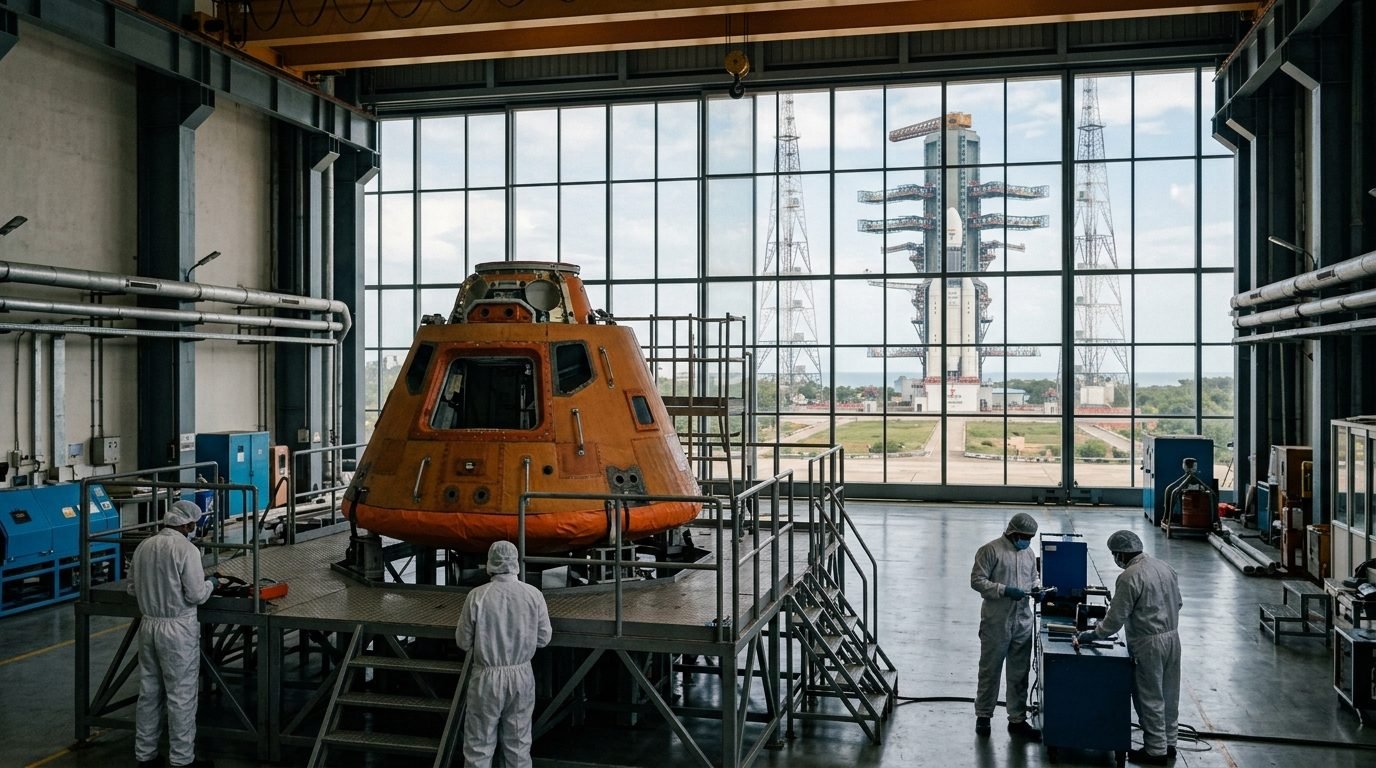
The Indian Space Research Organisation has set out a busy 2026 calendar for the Gaganyaan human spaceflight programme, with a sequence of uncrewed test flights intended to validate critical systems before astronauts fly in 2027. The schedule represents a methodical, step-by-step approach to one of the most demanding undertakings the agency has attempted, prioritising the verification of safety-critical systems before any human boards the spacecraft.
The first uncrewed mission, designated G1, will fly on the LVM-3 heavy-lift launch vehicle and carry Vyommitra, ISRO's humanoid robot, to test life-support systems, re-entry protocols and crew-module recovery in a real space environment. Using a robotic occupant allows engineers to gather data on how the systems intended to keep astronauts alive perform in flight without putting anyone at risk.
Path to crewed flight
Following G1, two further uncrewed flights, G2 and G3, are planned through 2026. Each is intended to demonstrate the rocket's performance, the spacecraft's aerodynamics, safe re-entry and recovery of the capsule after splashdown. Repeating the full mission profile multiple times before a crewed launch is standard practice in human spaceflight, building confidence that each stage works reliably and can be reproduced.
Recovery of the capsule after splashdown is a particularly important objective, since bringing the crew module safely back to Earth and retrieving it is as essential as the launch itself. The uncrewed campaign is designed to wring out problems across the entire arc of a mission, from lift-off through descent and recovery.
A milestone for India
ISRO officials have said the uncrewed campaign will set the stage for India's maiden crewed orbital mission in 2027, a milestone that would make the country the fourth to independently send humans to space. Achieving independent human spaceflight would place India among a very small group of nations to have done so, marking a major advance in its space capabilities.
The programme's significance extends beyond national prestige. The 2026 test sequence is built around a clear set of objectives:
- G1 to fly on the LVM-3 vehicle carrying the humanoid robot Vyommitra
- Validation of life-support systems, re-entry protocols and crew-module recovery
- Two further uncrewed flights, G2 and G3, planned through 2026
- Demonstration of rocket performance, spacecraft aerodynamics and safe recovery after splashdown
Why it matters
Human spaceflight builds and proves capabilities that extend across a country's wider space ambitions, from advanced engineering and systems integration to recovery operations and crew safety. The technologies validated during Gaganyaan are likely to feed into future missions and deepen the expertise of India's space sector.
Success would also strengthen India's standing as a serious spacefaring nation, with implications for international collaboration and the country's role in future exploration. The deliberate, test-heavy approach reflects an emphasis on getting the fundamentals right before risking human lives.
The outlook
The coming months will be a crucial proving ground, with the uncrewed flights expected to determine how confidently the programme can advance toward its 2027 crewed target. Each successful test will narrow the remaining technical uncertainties, while any setback could affect the timeline, making the 2026 campaign the decisive phase in India's push toward its first human spaceflight.
The NE Times View
ISRO's methodical, test-first cadence ahead of crewed flight is exactly the discipline a human spaceflight programme demands, and a refreshing rebuke to move-fast culture where lives are at stake. Vyommitra's uncrewed runs are about validating safety, not spectacle. The 2027 timeline is ambitious but credible given the agency's record. Success here would place India in an elite club and anchor a domestic space economy worth far more than national pride.
This article is original commentary and analysis by The NE Times. Background facts were referenced from ThePrint, Akashvani News.
You may also like to read

ISRO Pushes Toward First Uncrewed Gaganyaan Flight With Humanoid Vyommitra Aboard
ISRO has confirmed that flight integration for its first uncrewed Gaganyaan mission is underway, with the humanoid robot Vyommitra set to ride an LVM3 rocket ahead of a crewed launch in 2027.
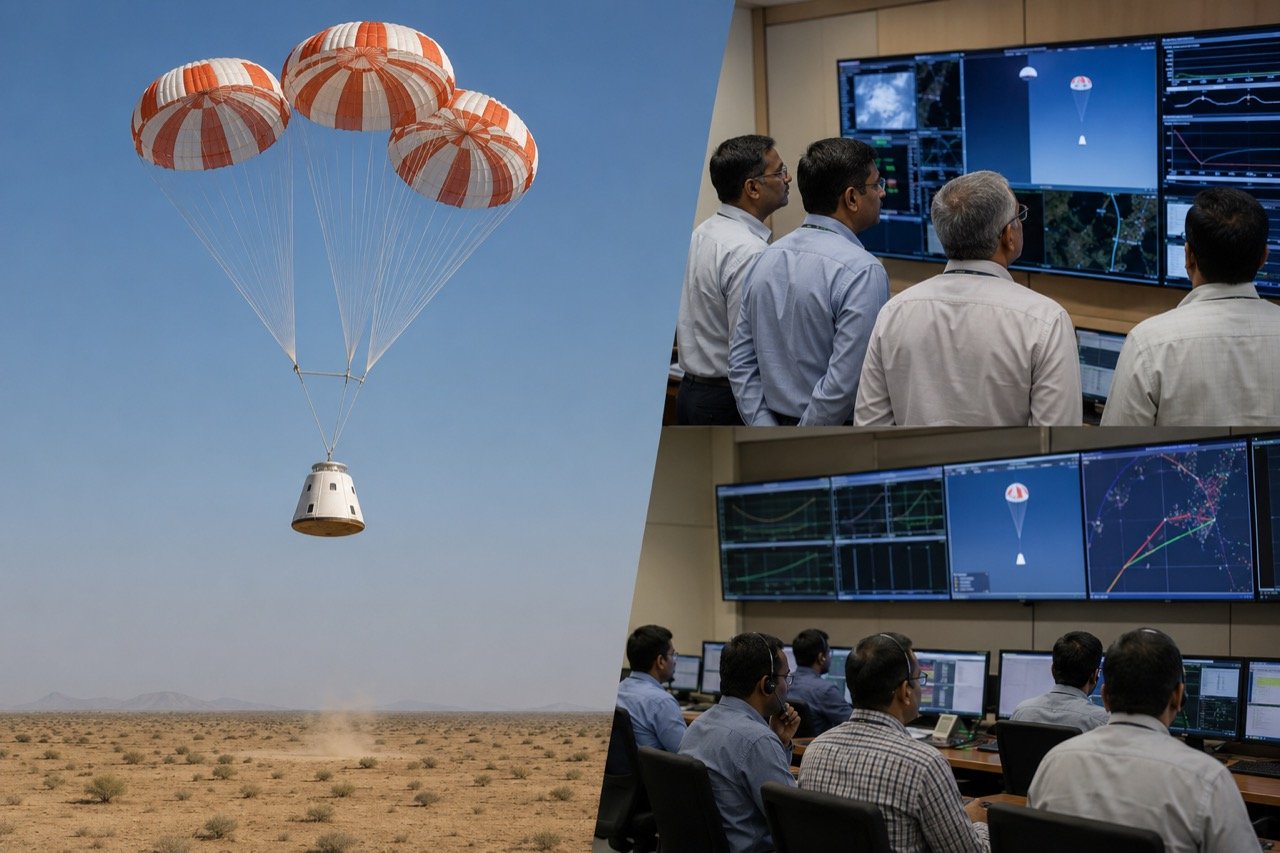
Gaganyaan Parachute Test Success Moves ISRO Closer to Crewed Flight
ISRO has completed successful integrated parachute tests for the Gaganyaan crew capsule, validating a critical part of the descent and recovery system as India's human spaceflight programme advances through key engineering milestones.
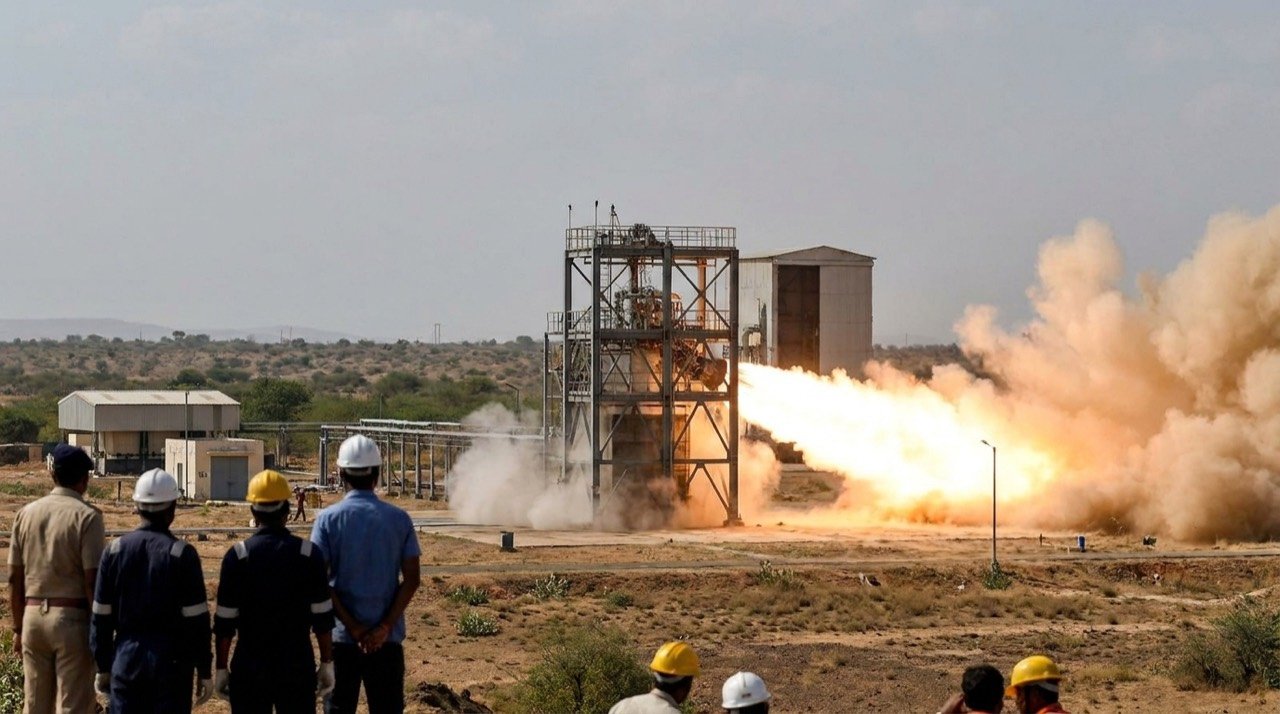
ISRO Fires Semi-Cryogenic Engine Power Head at 175 Tonnes in Landmark Hot Test
ISRO successfully ran its indigenous semi-cryogenic engine power head at 175 tonnes of thrust, clearing a key hurdle toward powering the LVM3 upgrade and the Next Generation Launch Vehicle.
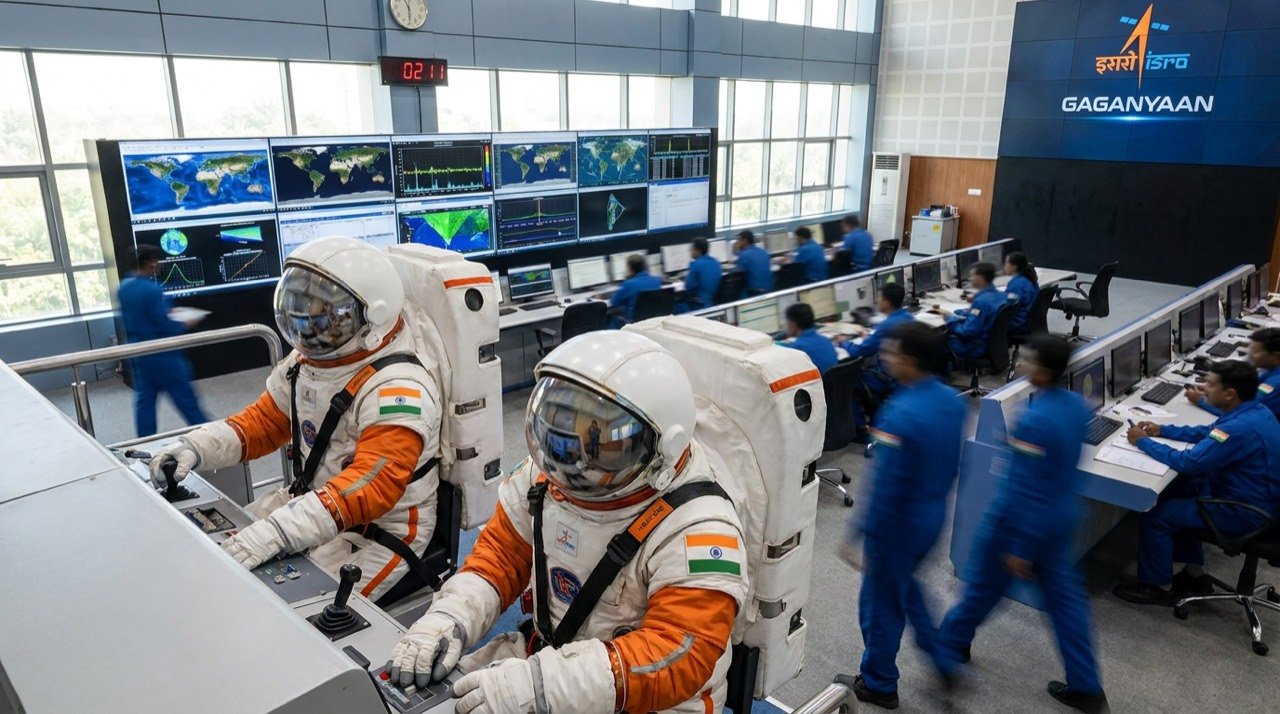
India and ESA Deepen Human Spaceflight Ties, Eye Joint Work on Space Station
ISRO and the European Space Agency are advancing cooperation on human spaceflight, astronaut training and lunar science, opening the door to European involvement in the planned Bharatiya Antariksh Station.
More from this section
More
AICTE Industry Fellowship 2026: Rs 1.5 Lakh Scheme Closes July 5
The AICTE Industry Fellowship Programme 2026, which places technical-education faculty inside leading companies on a Rs 1.5 lakh monthly stipend, reached its application deadline on July 5.
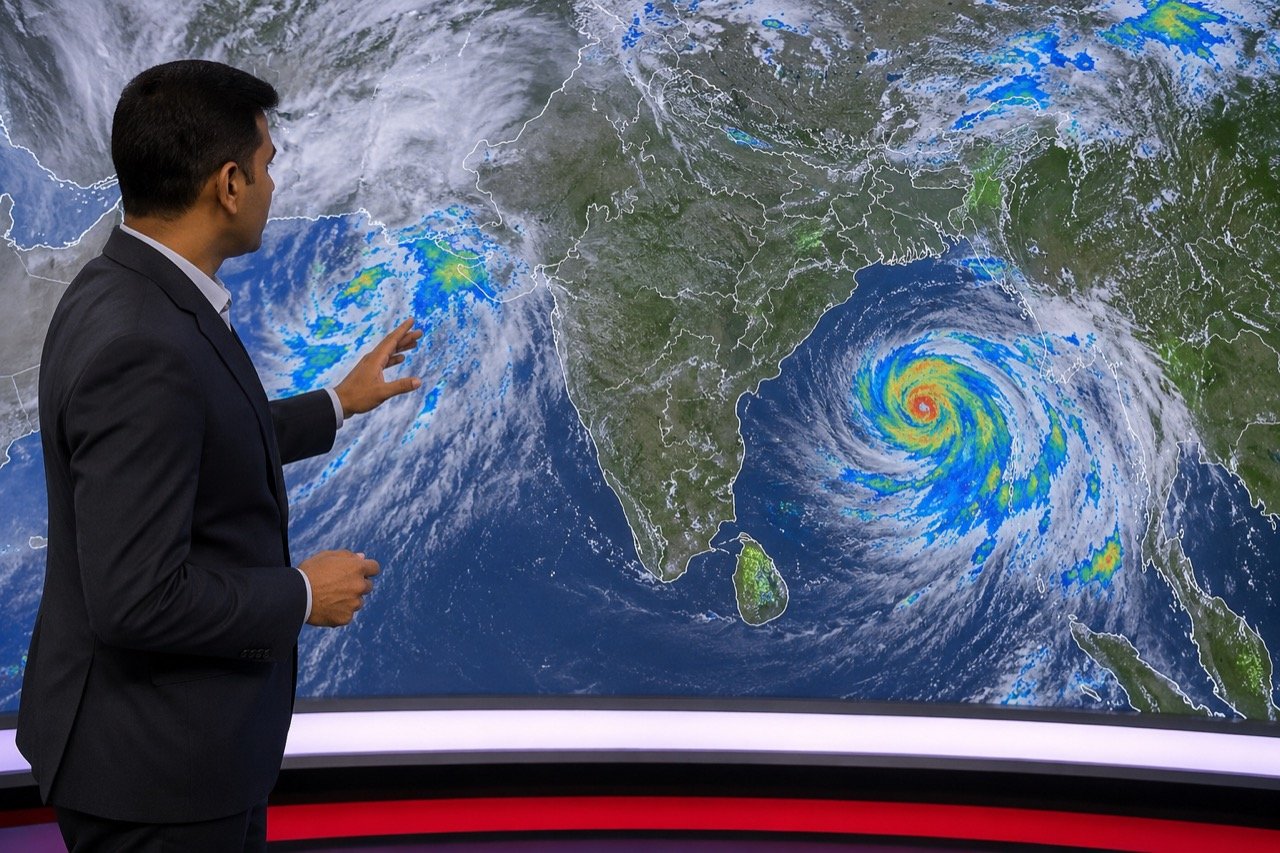
Bay of Bengal Low Pressure System Revives Monsoon Over Western India
A low-pressure system over the Bay of Bengal has pushed the monsoon back into an active phase, bringing steady heavy rain to Kerala, coastal Karnataka and Maharashtra, and putting Mumbai and Pune on preparedness watch.
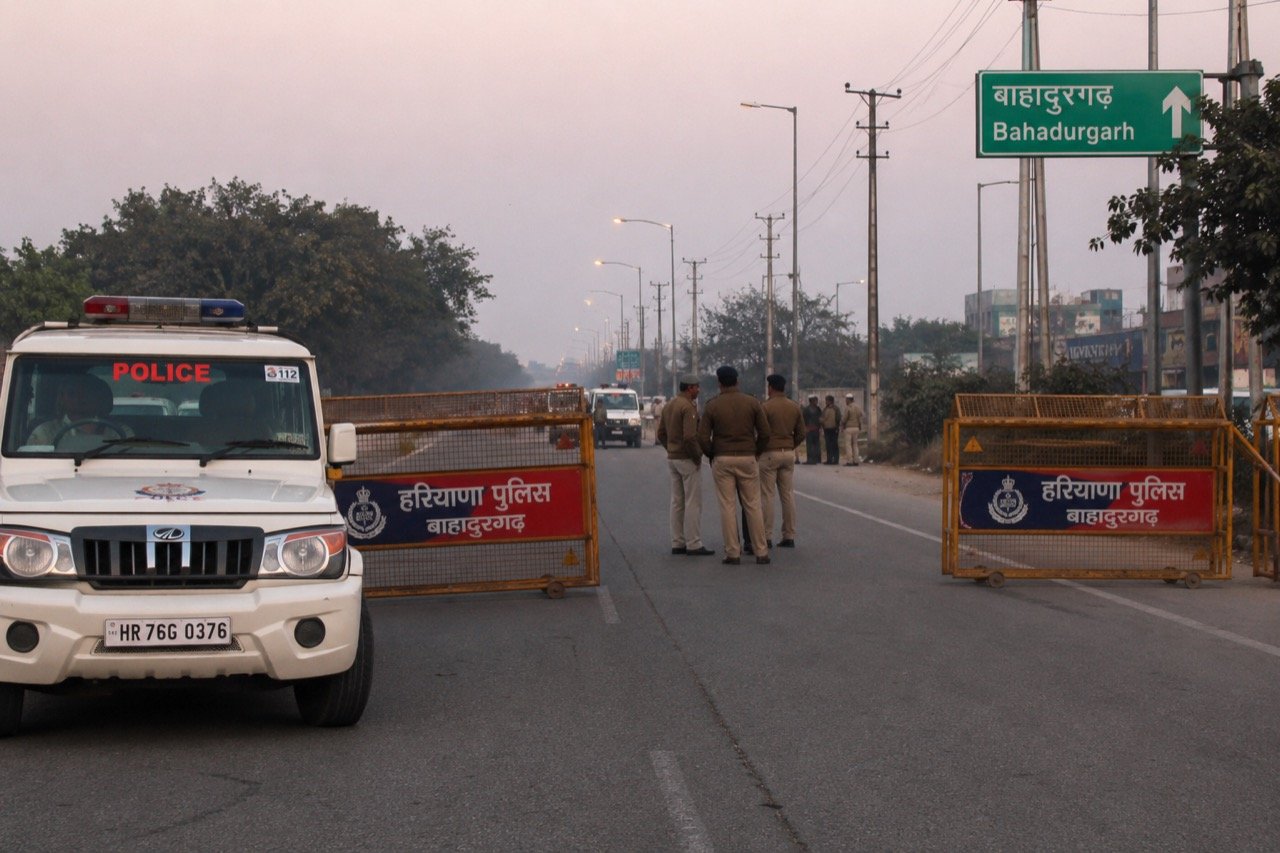
Bishnoi Gang Suspects Injured in Haryana Encounter as Police Tighten Net
A joint Haryana-Delhi Police operation in Bahadurgarh left two suspected Lawrence Bishnoi gang members injured, spotlighting the multi-state coordination now central to India's fight against organised crime networks.