Indian Railways Tightens Penalty Rules to Boost Passenger Safety
Indian Railways is preparing stiffer penalties for carrying prohibited and dangerous goods on trains, tying tougher enforcement to the Jan Vishwas push for clearer, easier-to-apply safety rules.
Commentary & Analysis ·
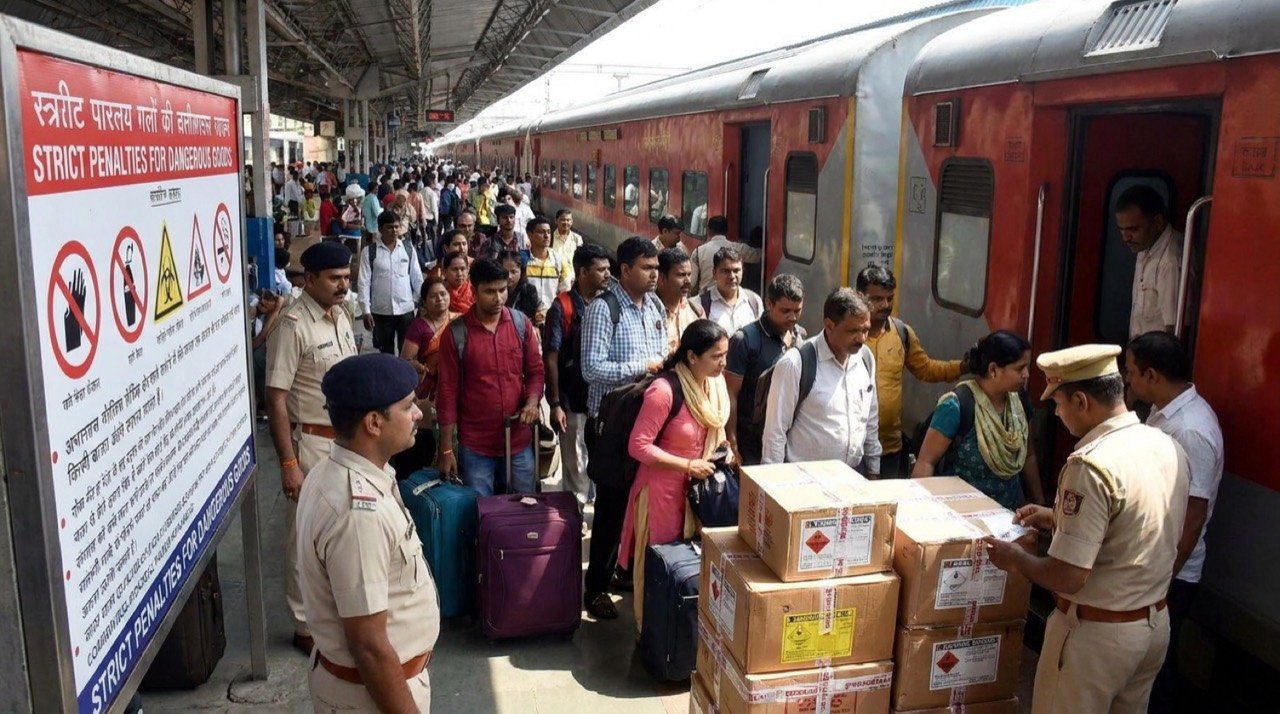
Indian Railways is moving to sharpen the financial consequences of carrying prohibited or dangerous goods aboard trains, a step that places passenger safety squarely back at the centre of how the national carrier governs one of the world's busiest networks. The proposed framework, officials indicate, would make violations costlier and the rules themselves easier for ticket inspectors and security teams to enforce. With tens of millions of journeys taken every single day, the calculation is simple: rules that are vague or weakly penalised are rules that get ignored.
What the new rules would change
At the heart of the reform is a clearer schedule of penalties for passengers found carrying banned items such as flammable liquids, gas cylinders, fireworks, certain chemicals and other hazardous materials. The intent is not merely to raise the cost of an offence but to remove the ambiguity that has long let infractions slip through. By spelling out what is forbidden and what it will cost, the Railways hopes to give frontline staff a firmer footing when they intervene.
The changes are linked to wider legal updates pursued under the Jan Vishwas approach, the government's broader effort to modernise statutes, decriminalise minor lapses where appropriate and replace outdated provisions with proportionate, predictable penalties. For the Railways, that translates into a rulebook that is both tougher on genuinely dangerous behaviour and simpler to apply uniformly across zones.
Why enforcement is so difficult
Anyone who has travelled in a general or sleeper coach understands the practical challenge. Crowded compartments, long-distance journeys and a constant churn of mixed luggage make it almost impossible to inspect every bag. A single unmarked container of an inflammable substance can endanger an entire coach. Past fire incidents on trains have repeatedly been traced to passengers carrying combustible items in defiance of existing prohibitions.
Officials argue that deterrence works only when passengers actually understand both the risk and the price of breaking the rule. A clearer, more visible penalty regime, backed by signage and announcements, is intended to shift behaviour before an inspector ever has to act.
What passengers should keep in mind
- Flammable liquids, gas cylinders and fireworks remain strictly barred from passenger coaches.
- Penalties for carrying prohibited or dangerous goods are set to rise under the proposed framework.
- Inspectors and railway security staff will have clearer authority to act on violations.
- The reforms align with the Jan Vishwas drive to make rules proportionate and predictable.
- Awareness, not just punishment, is the stated goal, so passengers are urged to check baggage rules before travelling.
“Safety on a network this large depends on millions of small decisions by passengers every day; the rules only work when people understand them.”
— Railway safety official, paraphrased
The wider outlook is one of gradual tightening rather than sudden upheaval. As the framework is finalised and notified, the test will be consistency of enforcement across busy and remote routes alike, and whether public-awareness efforts keep pace with the stricter penalties. If they do, the Railways could meaningfully reduce one of the most preventable categories of risk on Indian trains.
The NE Times View
Tying tougher safety penalties to the Jan Vishwas drive for clearer rules is sensible in principle, simplicity and deterrence need not pull apart. But the credibility of the reform hinges on enforcement capacity, not statutory wording. Easier-to-apply rules help frontline staff only if those staff are equipped and accountable. Otherwise India gains a tidier rulebook and the same old gap between regulation and the platform.
This article is original commentary and analysis by The NE Times. Background facts were referenced from The Indian Express and Indian Railways.
You may also like to read
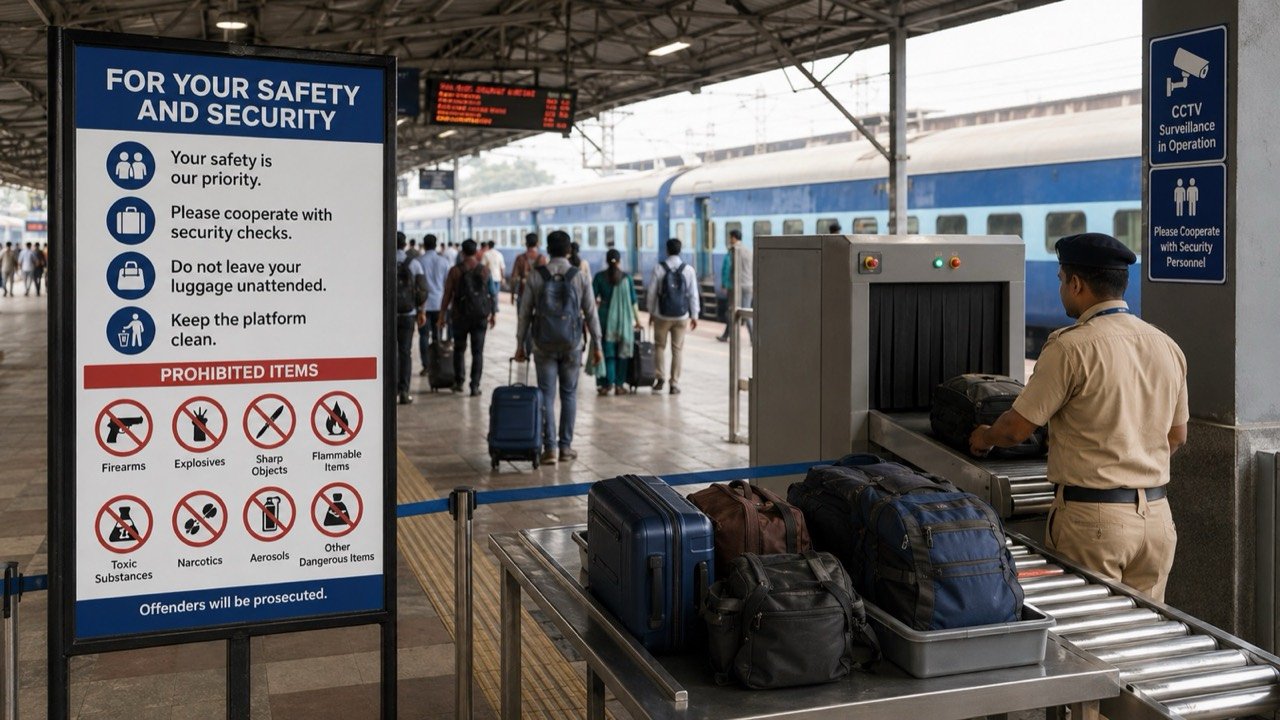
Indian Railways Raises Penalty to Rs 10,000 for Carrying Prohibited Goods on Trains
Indian Railways has sharply increased fines for carrying inflammable, explosive or dangerous items in trains, with penalties reportedly rising to Rs 10,000 as the network tightens passenger-safety enforcement.
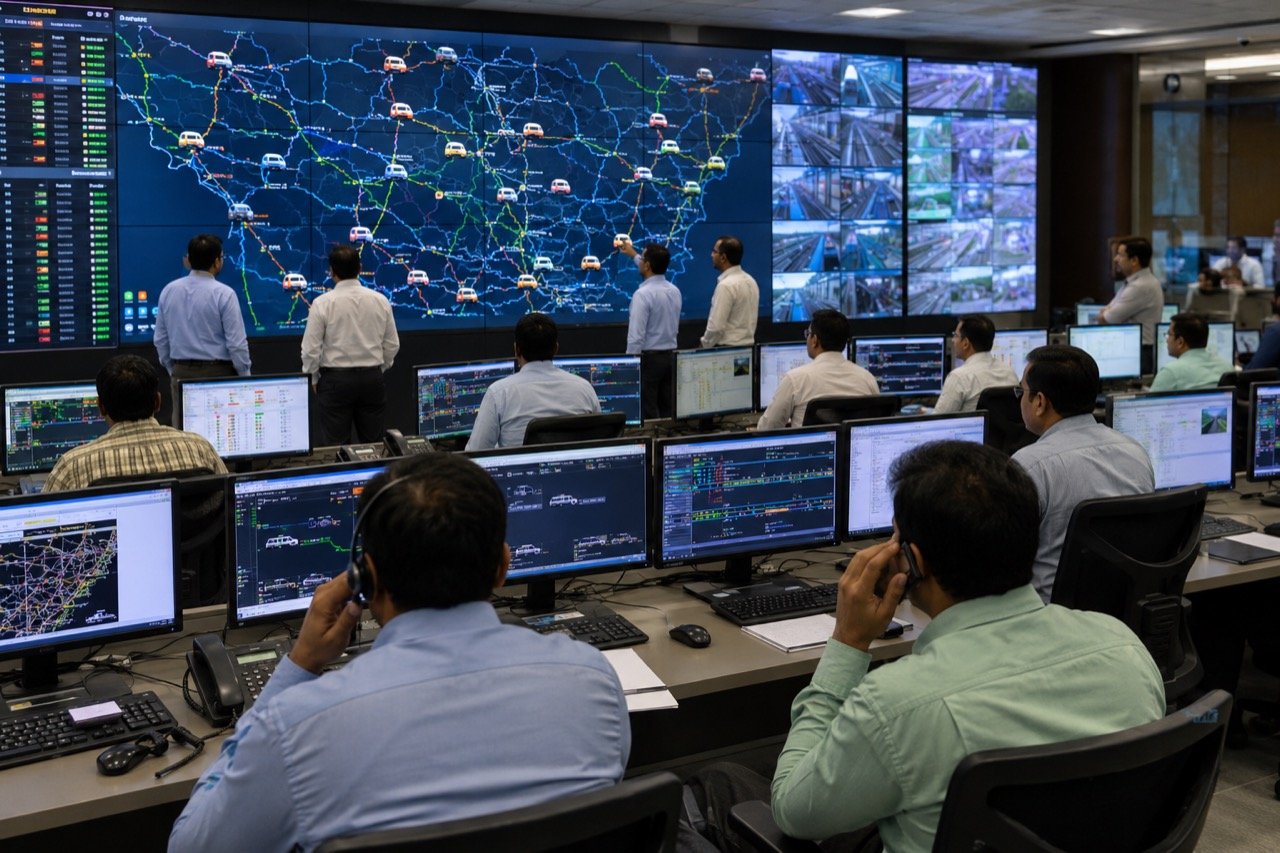
Railways Rolls Out Real-Time App to Flag Train Delays Past 15 Minutes
Indian Railways has launched its first internal app to monitor train punctuality in real time, flagging delays beyond fifteen minutes so officials can spot bottlenecks and coordinate faster responses across the network.
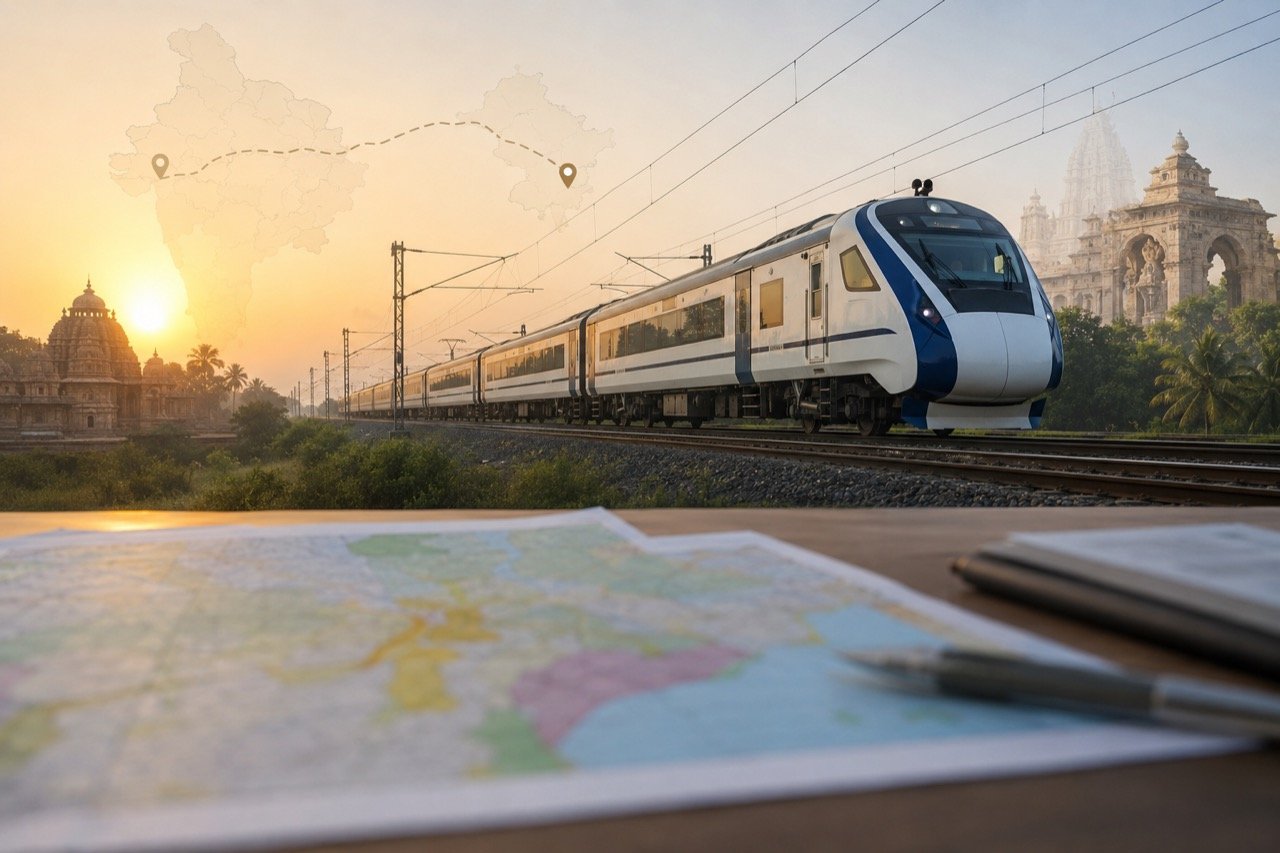
Brahmapur-Udhna Amrit Bharat Express Goes Daily, Boosting Odisha Link
The Brahmapur-Udhna Amrit Bharat Express is set to run every day, giving passengers travelling between Odisha and Gujarat a more dependable and affordable long-distance rail option for work, study and family journeys.
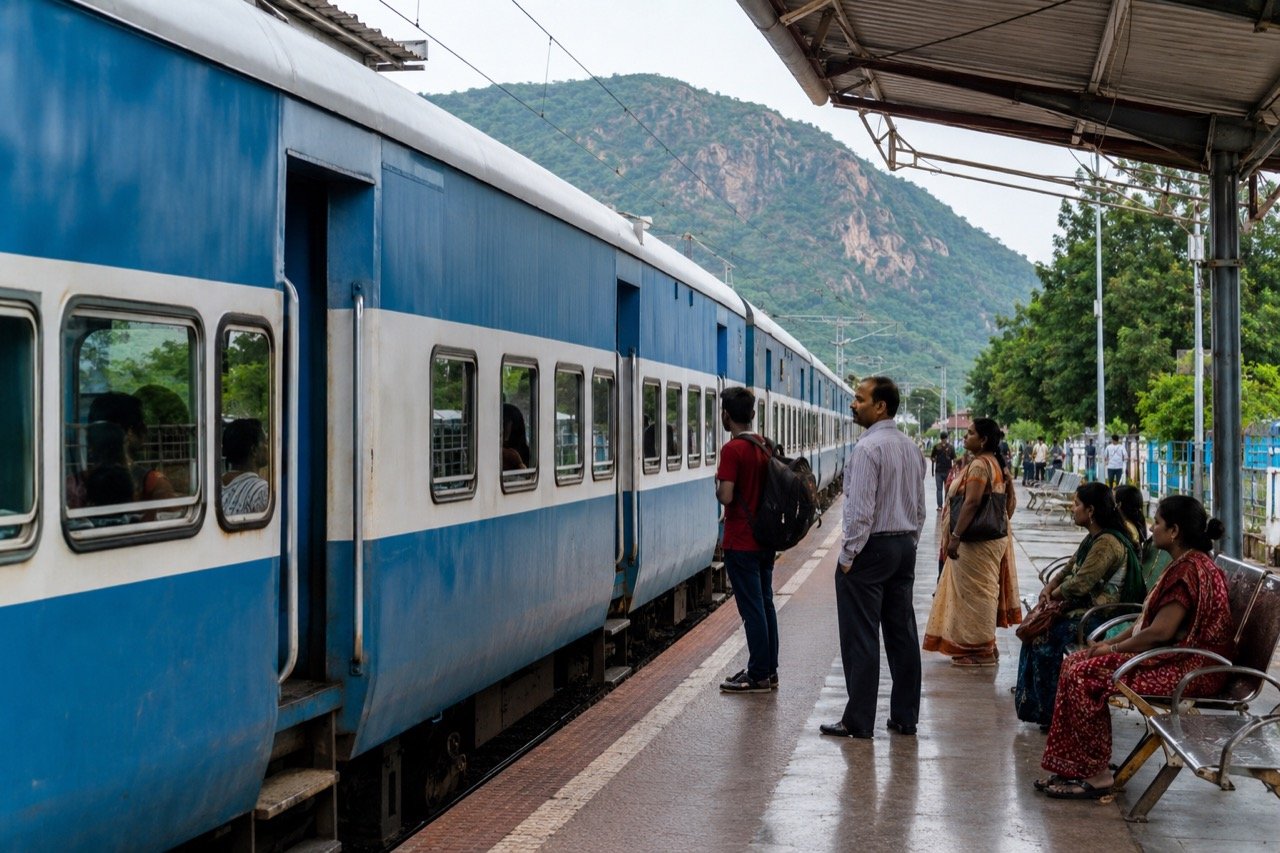
Puri-Koraput Express: New Train to Link Coastal and South Odisha
Indian Railways is introducing the Puri-Koraput Express to give Odisha a more direct passenger link between its coastal pilgrimage hub and the southern hill districts, with route and timetable details now published.
More from this section
More
AICTE Industry Fellowship 2026: Rs 1.5 Lakh Scheme Closes July 5
The AICTE Industry Fellowship Programme 2026, which places technical-education faculty inside leading companies on a Rs 1.5 lakh monthly stipend, reached its application deadline on July 5.
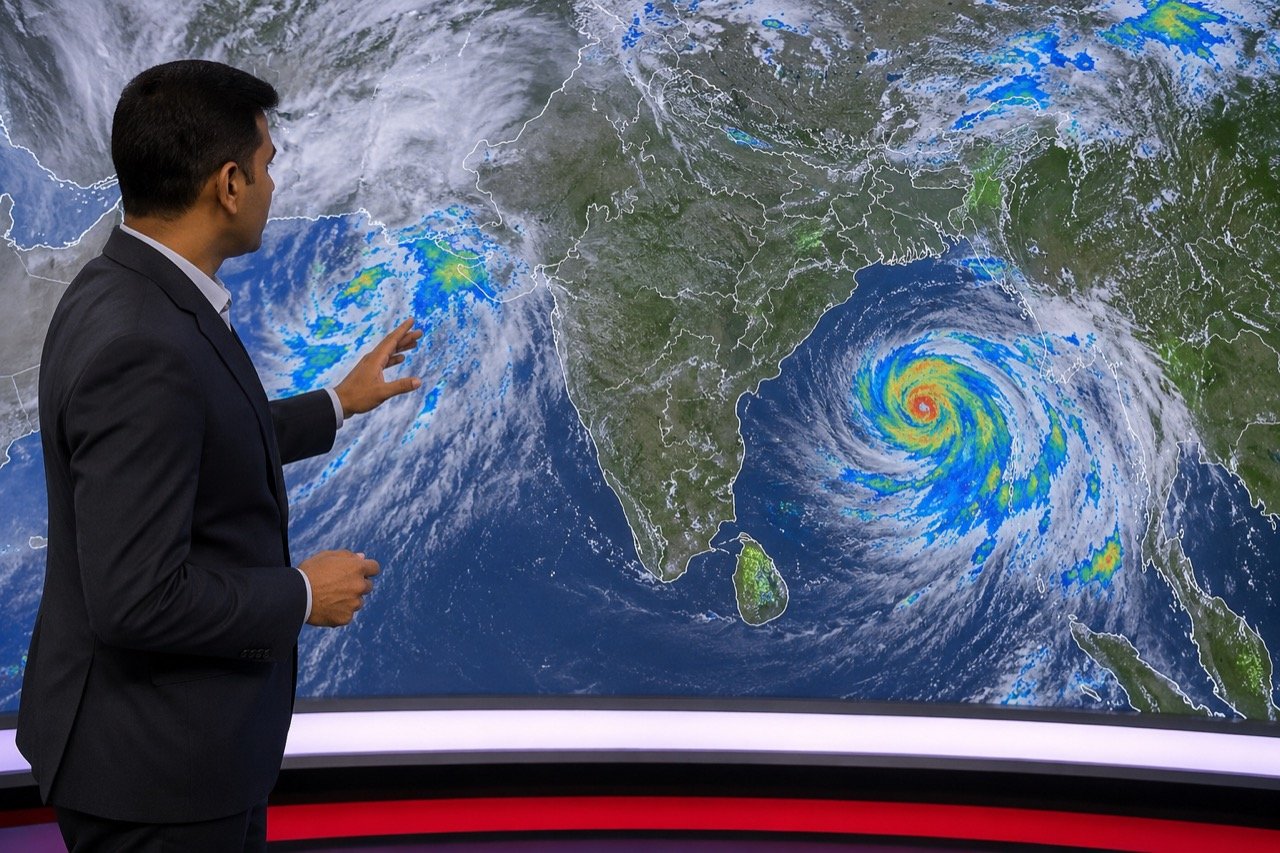
Bay of Bengal Low Pressure System Revives Monsoon Over Western India
A low-pressure system over the Bay of Bengal has pushed the monsoon back into an active phase, bringing steady heavy rain to Kerala, coastal Karnataka and Maharashtra, and putting Mumbai and Pune on preparedness watch.
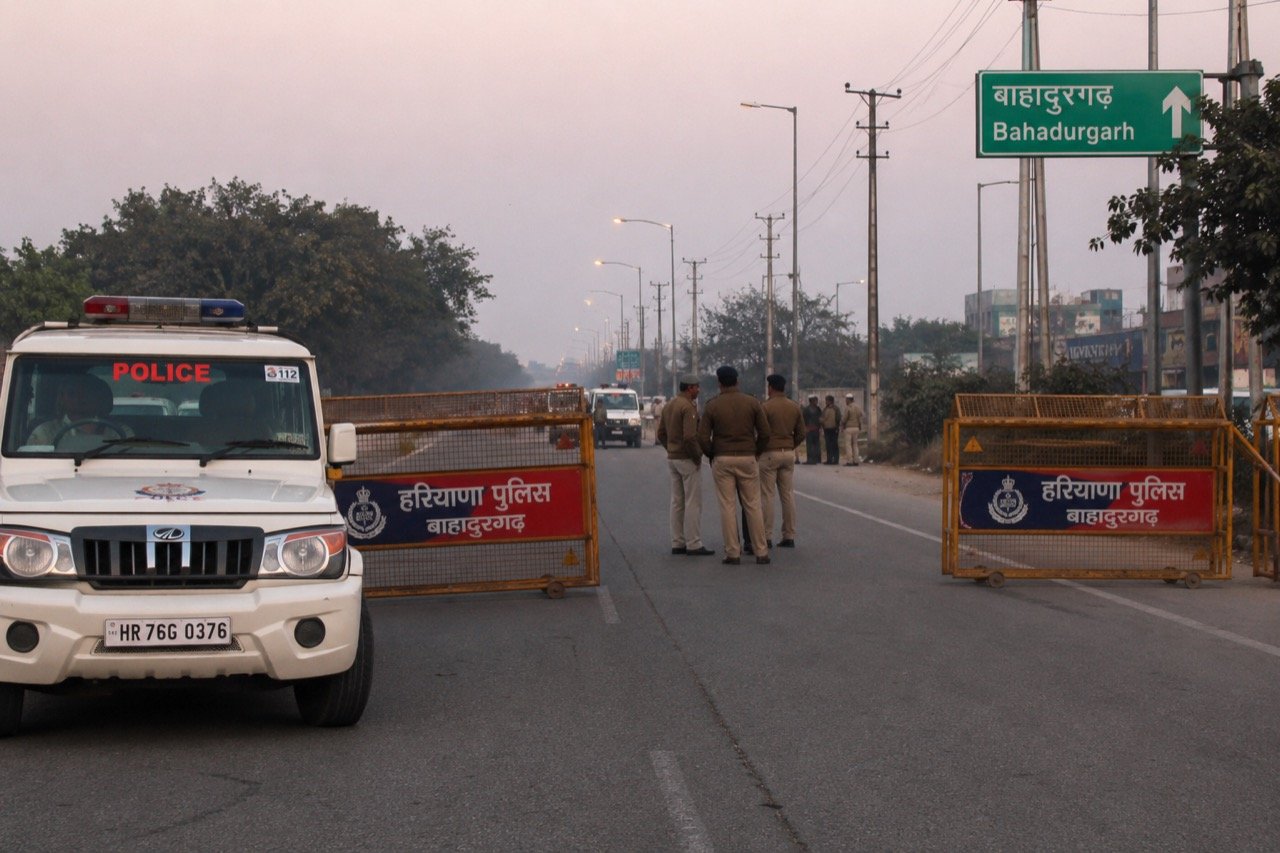
Bishnoi Gang Suspects Injured in Haryana Encounter as Police Tighten Net
A joint Haryana-Delhi Police operation in Bahadurgarh left two suspected Lawrence Bishnoi gang members injured, spotlighting the multi-state coordination now central to India's fight against organised crime networks.