India Targets $1 Trillion in FY26 Exports as Trade Push Widens
The commerce ministry has reaffirmed a $1 trillion export goal for FY26 at a Board of Trade meeting led by Piyush Goyal, leaning on a seven-point action plan spanning merchandise, services and defence exports.
The NE Times Business Desk
Commentary & Analysis ·
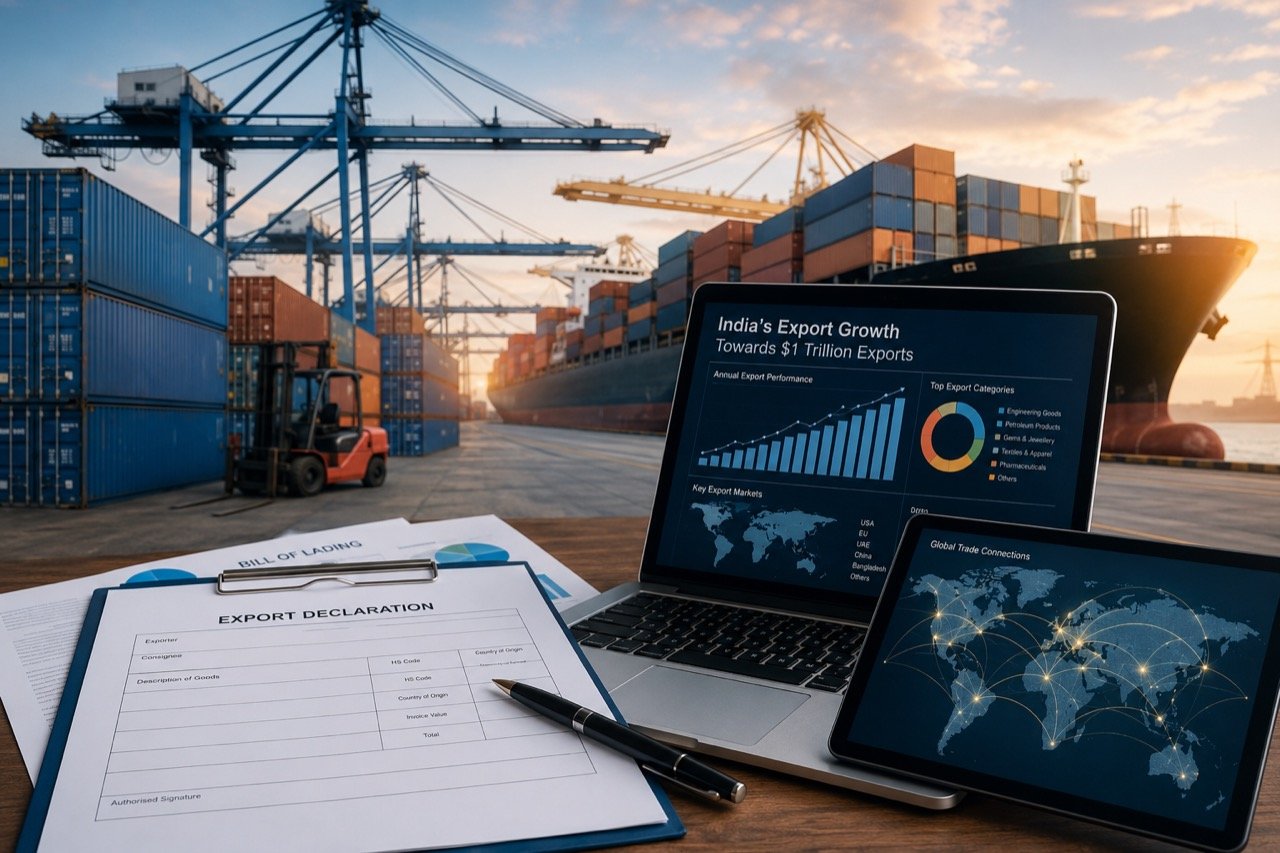
India has reaffirmed an ambitious $1 trillion export target for the current financial year, making it one of the strongest business-policy stories of the moment. Times of India reported that the goal was underscored at a Board of Trade meeting chaired by Commerce and Industry Minister Piyush Goyal, with both merchandise and services trade placed at the centre of the push.
Why the number matters
A trillion-dollar export goal is not merely a headline figure. Exports are tied directly to jobs, manufacturing scale, currency stability and India's standing in global supply chains. Reaching the target requires coordination across ports, logistics, trade finance, quality standards, free trade agreements and sector-by-sector competitiveness — a whole-of-government exercise rather than a single ministry's campaign.
The plan and the headwinds
The reported seven-point action plan signals a wider strategy that includes global market outreach and a growing role for defence exports. Services exports remain India's dependable engine, while merchandise exports need continued depth in electronics, engineering goods and pharmaceuticals to carry their share of the load.
The risks are largely external. Soft global demand, tariff uncertainty and geopolitical disruptions to shipping lanes can all blow the trajectory off course, no matter how well-designed the domestic playbook is. Monthly trade data will quickly reveal whether momentum matches ambition.
The NE Times View
Targets concentrate minds, and this one usefully forces every arm of India's trade machinery to plan against a single number. But the credibility test lies in conversion: whether new free trade agreements translate into actual order books, whether port and logistics reforms shave real days off shipment times, and whether small exporters — not just large conglomerates — feel the tailwind. India should also resist the temptation to declare victory on services alone; broad-based merchandise growth is what builds factory jobs. Watch the monthly numbers, not the announcements.
This article is original commentary and analysis by The NE Times. Background facts were referenced from Times of India Business and Economic Times.
You may also like to read
India Seeks Preferential Market Access in US Trade Talks, Says Goyal
Commerce Minister Piyush Goyal says India wants a US trade deal that hands its exporters a competitive edge, with market access, tariff lines and rules of origin now at the heart of negotiations.
US Trade Chief Greer's India Visit Puts First Tranche of Trade Deal in Focus
USTR Jamieson Greer's New Delhi talks with Piyush Goyal have pushed the long-stalled India-US trade agreement into a decisive phase, with tariffs, market access and an early package on the table.
India Pushes for Tariff Advantage Over Rivals in US Trade Deal, Says Goyal
India is seeking a US trade agreement that gives its exporters a comparative tariff edge over rival economies, Commerce Minister Piyush Goyal said, even as talks run long over the central question of tariff treatment.
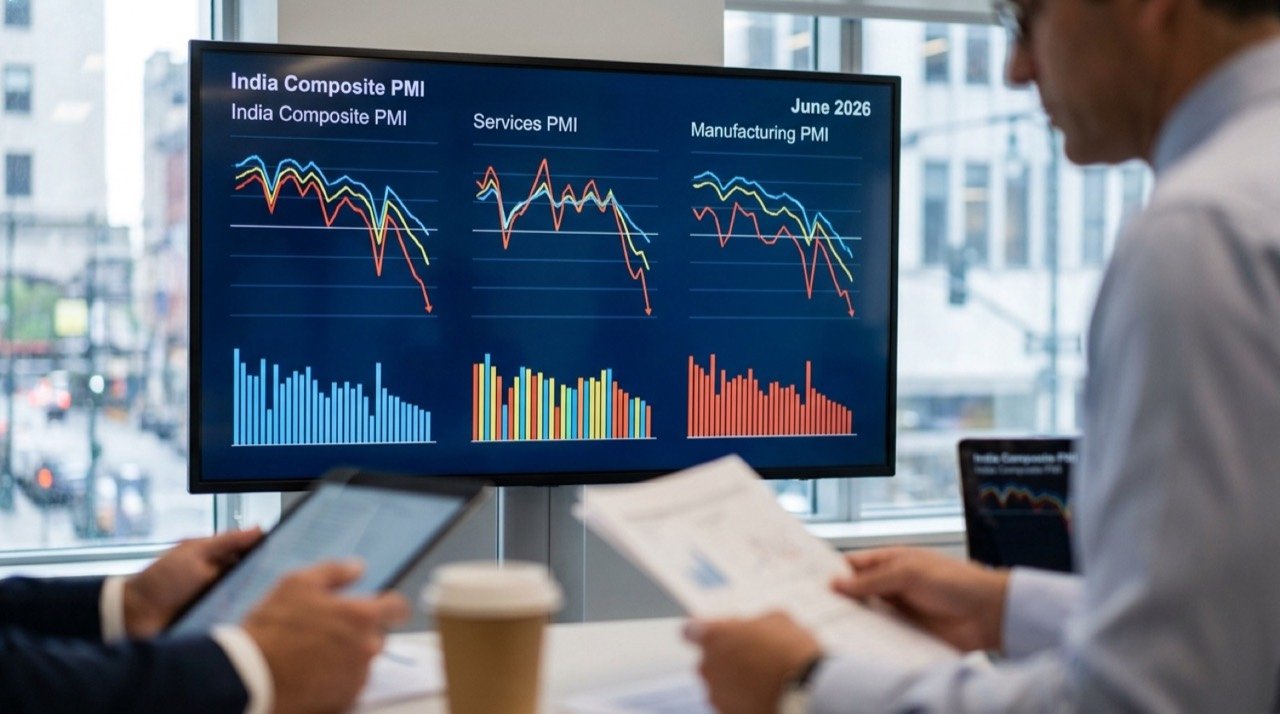
India's June Private Sector PMI Slows to a Three-Month Low
India's private sector kept expanding in June but at its weakest pace in three months, as softer demand and cooler business confidence struck a more cautious note across services and manufacturing.
More from this section
More
Assam Estate Sells India's First Home-Grown Matcha Batch
An Assam tea estate has sold the first batch of India-made matcha, a small-volume but symbolically significant step as the country's tea industry hunts for premium products and new consumers.
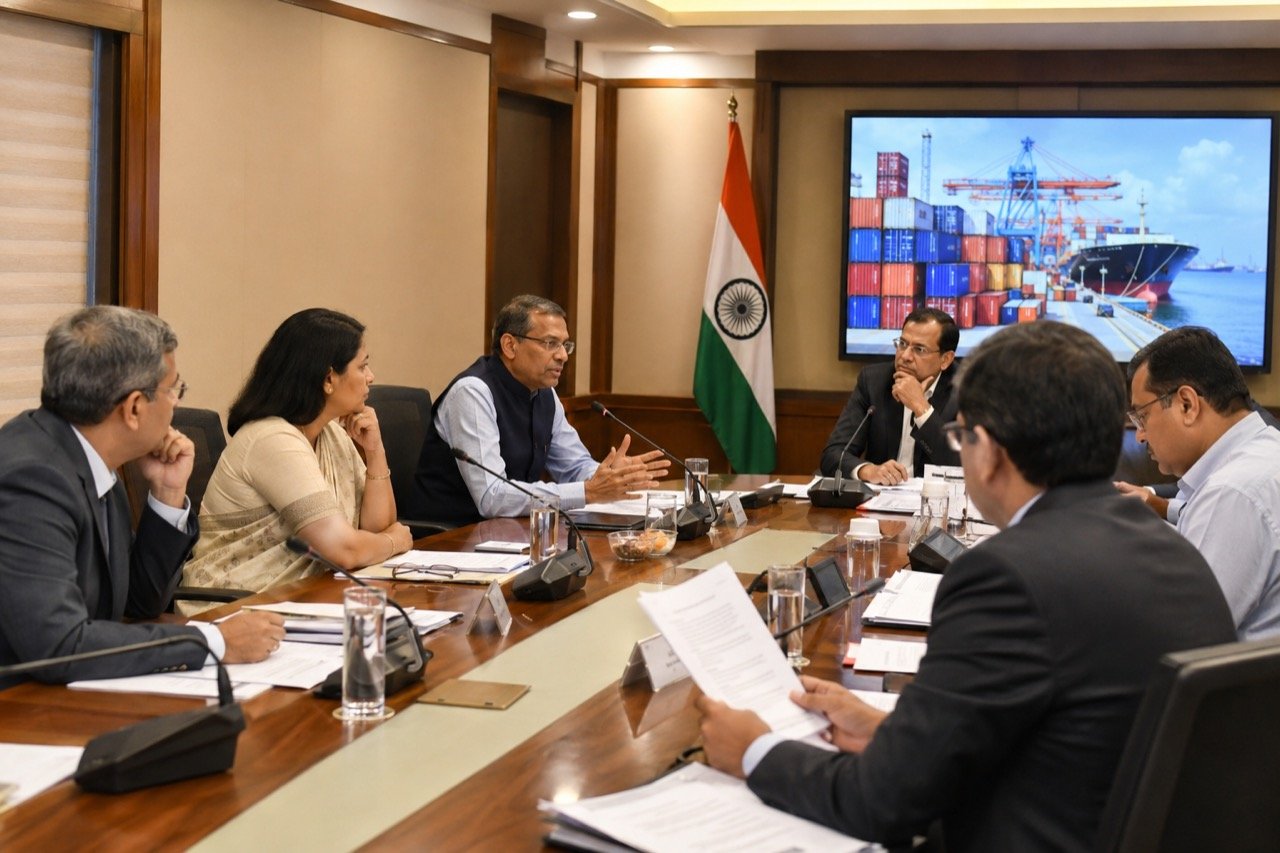
Board of Trade Meets as Exporters Press on FTAs and GST Refunds
Commerce Minister Piyush Goyal chaired a Board of Trade meeting where exporters pushed for faster GST refunds, lower logistics costs and workable free trade agreements amid global demand uncertainty.
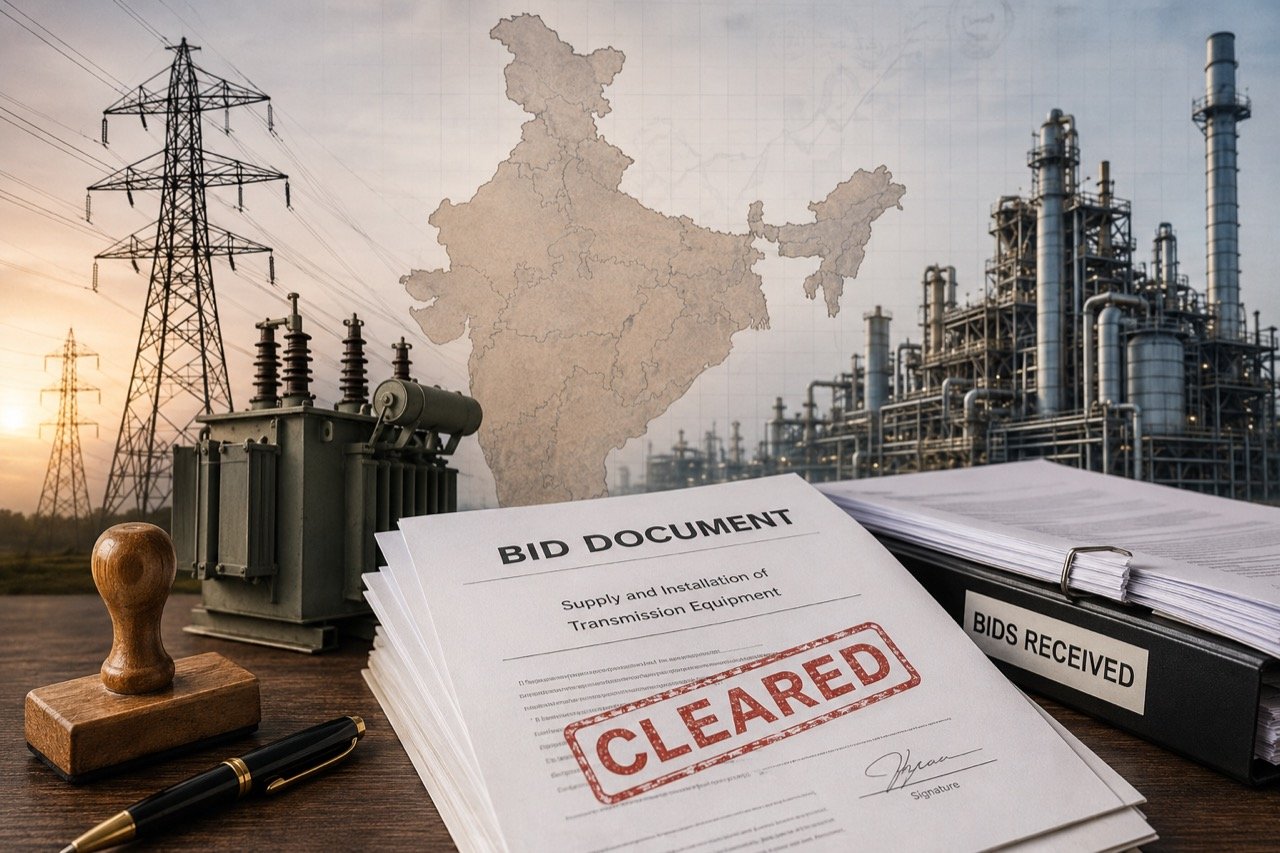
Four Chinese Firms With Indian Plants Cleared To Bid For Power Work
Four Chinese companies operating factories in India have reportedly been cleared to bid for power projects, a calibrated move that balances security screening against the country's manufacturing and infrastructure needs.