India's Safe Harbour 2.0 Tax Rules Spark a Clarity Debate
India's revamped safe-harbour regime widens eligibility for IT and tech-enabled services with a higher threshold and common margin, but advisers warn that interpretational doubts could blunt the promised certainty.
Commentary & Analysis ·

India's revamp of its safe-harbour tax rules is drawing fresh attention as companies and their advisers weigh a wider eligibility threshold against lingering interpretational doubts. The framework is meant to give businesses a faster, more predictable route through transfer-pricing compliance, yet the debate now centres on whether the new design delivers genuine certainty or simply shifts the questions.
What the revamp does
Reports say the revised framework raises eligibility for information technology and technology-enabled services, including a higher revenue threshold and a common margin intended to reduce disputes. Coverage of the change has pointed to the threshold for IT firms being lifted to around Rs 2,000 crore at a 15.5 percent margin.
By offering a pre-agreed margin that taxpayers can opt into, safe harbour lets eligible companies avoid prolonged audits or drawn-out advance pricing negotiations. The aim is to give routine, low-risk service work a clear and stable tax treatment.
Who stands to gain
Global capability centres, software exporters and routine service providers are the most obvious beneficiaries. For multinationals running large back-office and engineering operations in India, the appeal lies in trading a sliver of margin for predictability and a lighter compliance burden.
India has been keen to position itself as a stable base for global business services, and a credible safe-harbour regime supports that pitch. Faster certainty can also free up management time and reduce the cost of protracted tax litigation.
Where the doubts remain
Experts caution that the benefits hinge on clean execution. Definitions of eligible activities, comparability standards, documentation expectations and the boundaries of coverage can all create friction if they are not crisply drawn.
- Higher revenue threshold widening eligibility for IT and tech-enabled services
- A common margin designed to curb transfer-pricing disputes
- Faster certainty in place of long audits or advance pricing agreements
- Questions over definitions, comparability and documentation
- Coverage boundaries that may leave some service models outside the net
“India wants predictable tax rules for global business services, but clarity in implementation will decide how much confidence companies actually gain.”
— Adviser assessment of the safe-harbour changes
The policy signal is clear enough: New Delhi wants to make tax outcomes for global service work more predictable and less litigious. Whether that translates into genuine confidence will depend on how the finer details are interpreted and applied in practice. For now, companies are likely to study the fine print closely before deciding whether the wider threshold is a settled gain or a calculated trade-off.
The NE Times View
A wider threshold and common margins are welcome, but certainty is only as good as its drafting. If advisers are already flagging interpretational grey zones, the regime risks recreating the very disputes it was meant to retire. The test is not eligibility on paper but whether assessing officers and taxpayers read the rules the same way. Clarity, not generosity, is what will draw IT firms in.
This article is original commentary and analysis by The NE Times. Background facts were referenced from Business Standard and CAalley.
You may also like to read

HCLTech Mega Deal Revives Hopes of an Indian IT Services Rebound
A reported large strategic contract has put HCLTech in the market spotlight and reopened the debate over whether client spending on Indian IT services is finally turning a corner.

India IT Hiring Rebounds: Tech Job Openings Rise 14% in July
Active technology job openings in India rose 14 per cent month on month in July, per Xpheno data reported by Business Standard, signalling an early hiring revival after three months of softer demand in the IT services sector.

Infosys Chairman Nandan Nilekani Calls AI Deployment Gap IT's Biggest Opportunity
At Infosys' AGM, chairman Nandan Nilekani argued that artificial intelligence will amplify, not replace, IT services firms, reframing the debate around enterprise execution capability and adoption.

Infosys, TCS And Wipro Cross 300,000 Copilot Seats As AI Reshapes Hiring
India's top IT services firms have scaled Microsoft 365 Copilot to more than 300,000 employees in under six months, even as leaders warn that AI agents will slow future hiring across the sector.
More from this section
More
Adani Case: US DOJ Pushes for Permanent Dismissal of Charges
The US Department of Justice has urged a judge to permanently dismiss charges against Gautam Adani, calling the case legally flawed — a reversal with consequences for markets, diplomacy and cross-border enforcement.

Akasa Air Inducts 40th Aircraft in Indian Aviation Scale-Up
Akasa Air's 40th aircraft, ferried to Bengaluru via Seattle, Reykjavik and Cairo, marks a fleet milestone for the young carrier and a fresh signal that India's aviation market remains firmly in expansion mode.
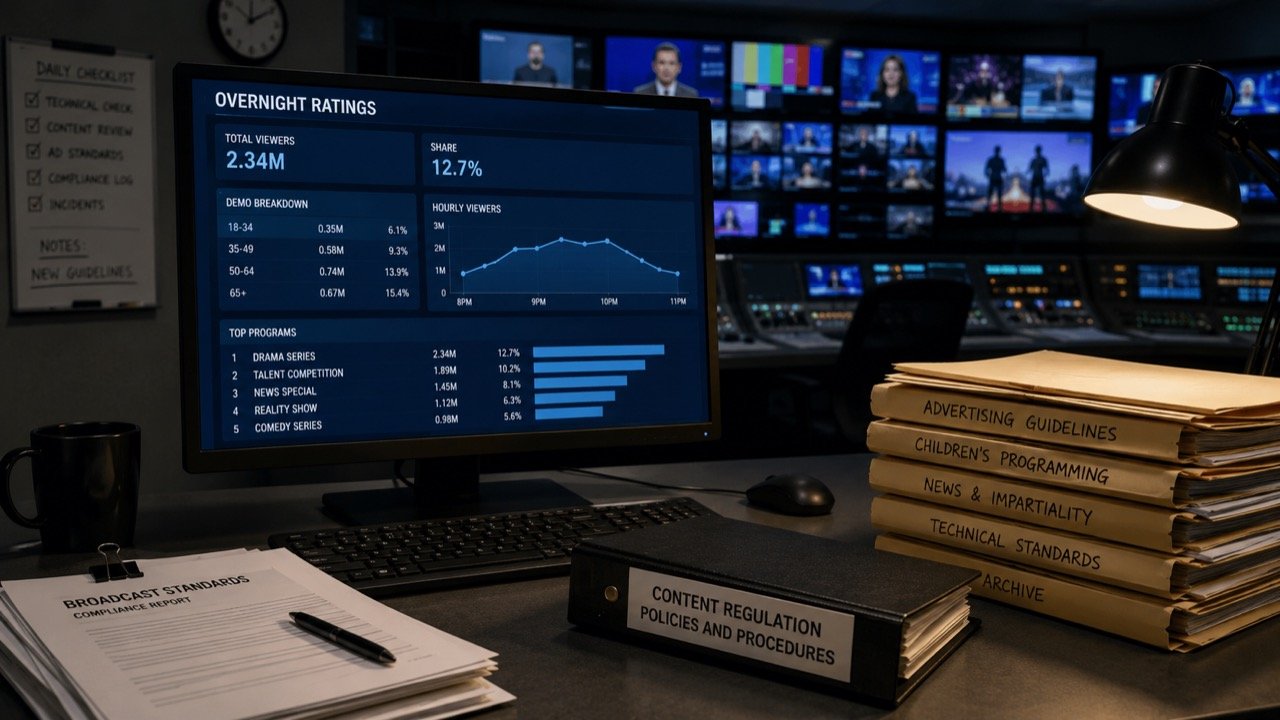
BARC Ratings Suspension Leaves Indian TV Industry Flying Blind
BARC's pause on television ratings has put India's broadcast measurement system under fresh scrutiny, leaving broadcasters, advertisers and media planners without the weekly audience data that anchors the TV economy.