TCS And Anthropic Forge Global Premier Partnership To Scale Claude Across Regulated Industries
India's largest IT services firm will deploy Claude to 50,000 of its own associates and build a dedicated business unit to take Anthropic's models to banks, hospitals and government clients worldwide.
Commentary & Analysis ·

Tata Consultancy Services has signed a global strategic partnership with Anthropic, the maker of the Claude family of AI models, in one of the most consequential enterprise-AI tie-ups yet announced by an Indian technology major. The deal pairs the country's biggest IT services exporter with a leading frontier-model developer, and is pitched as a way to move large enterprises from AI experiments to production deployments at scale.
What the deal covers
Under the partnership, TCS will roll out Claude to roughly 50,000 of its own associates spread across more than 50 countries, using the models for software engineering, customer support and internal knowledge work. The company is also setting up a dedicated Claude-led business unit that will design and deliver AI products for external clients, with an early focus on heavily regulated sectors.
Financial services, healthcare and the public sector are the priority verticals, precisely the industries where data sensitivity, auditability and compliance requirements have slowed AI adoption. TCS argues that its domain depth in these areas, combined with Anthropic's safety-oriented model design, can shorten the path from pilot to deployment.
Why it matters for India
The agreement underscores how central India has become to the global AI services economy. Anthropic has been steadily building out an India presence, opening a Bengaluru office and deepening ties with the country's IT majors, which collectively employ a vast pool of engineers who can fine-tune, integrate and operate enterprise AI systems for clients abroad.
- Claude will be deployed to around 50,000 TCS associates across more than 50 countries
- A dedicated Claude-led business unit will build AI products for external clients
- Initial focus is on regulated industries: financial services, healthcare and the public sector
- The tie-up deepens Anthropic's India footprint alongside its Bengaluru office
- It positions TCS as a leading systems integrator for frontier-model deployments
Analysis: from pilots to production
For all the hype around generative AI, many enterprises remain stuck at the proof-of-concept stage, wary of accuracy, governance and cost. Partnerships that bundle a frontier model with an integrator capable of handling change management, security reviews and legacy-system plumbing are designed to break that logjam. The TCS–Anthropic structure follows that template closely.
“The hard part of enterprise AI is no longer the model, it is the integration, the governance and the trust that lets a regulated business put it into production.”
— Senior enterprise technology analyst
If the partnership delivers measurable productivity gains internally at TCS, it will serve as a powerful reference case for sceptical chief information officers. The bigger test will be whether regulated clients in banking and healthcare are willing to standardise on a single model family, and whether the economics of large-scale inference hold up as usage grows.
The NE Times View
Deploying Claude to 50,000 associates and building a unit to sell Anthropic's models into regulated sectors is a serious bet that Indian IT's future is in selling AI, not just headcount. The NE Times View: this could move TCS up the value chain, but the firm must prove it can govern AI in banks and hospitals where errors carry real cost. Reselling someone else's model is a start, not a moat.
This article is original commentary and analysis by The NE Times. Background facts were referenced from The Economic Times and Mint.
You may also like to read

Anthropic puts a Mythos-class model in public hands with Claude Fable 5
The company is releasing its most capable widely available model yet, paired with a locked-down sibling reserved for cybersecurity work, in a careful balancing act between power and safety.
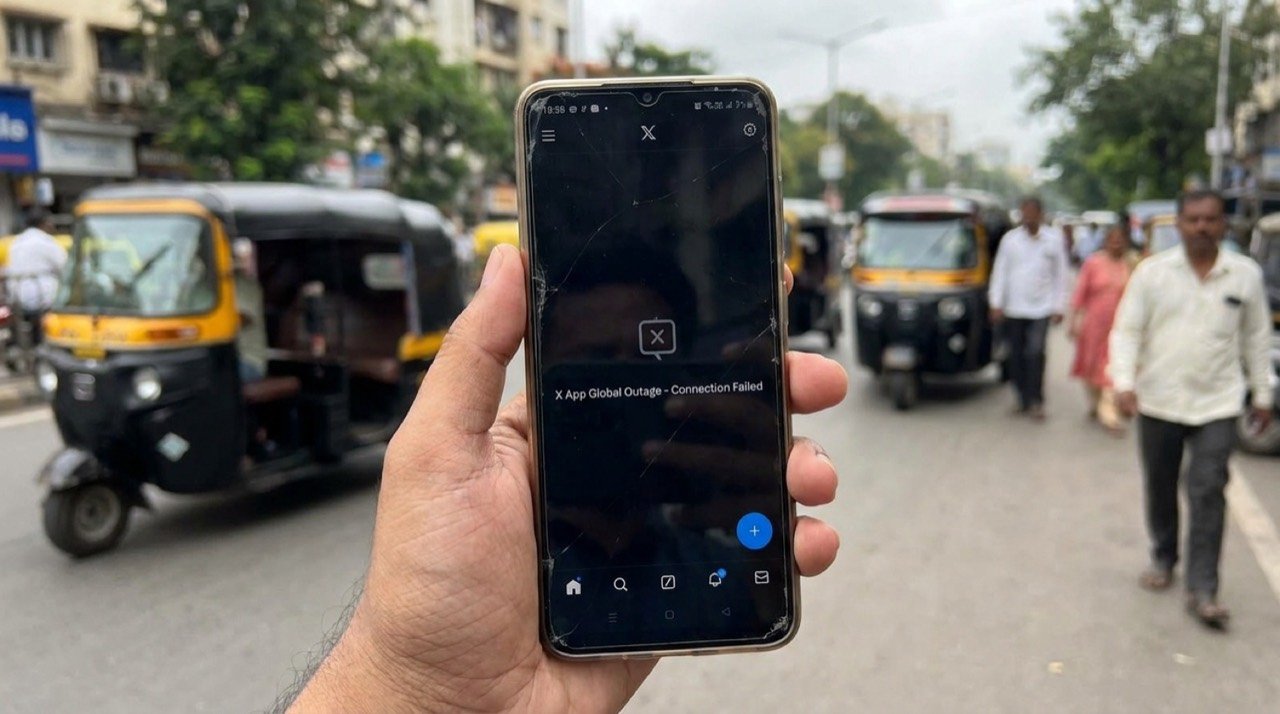
X Outage Disrupts Indian Users Amid Wider Global Service Failure
A major X (formerly Twitter) outage hit Indian users alongside several other countries, with thousands of complaints logged before service recovered, reviving questions over platform dependence.

Kunal Shah Named WhatsApp Global CEO as Meta Leads $900 Million CRED Round
CRED founder Kunal Shah has been named global CEO of WhatsApp as Meta leads a $900 million round valuing the Indian fintech at about $4.5 billion, placing a homegrown founder atop one of the world's biggest apps.
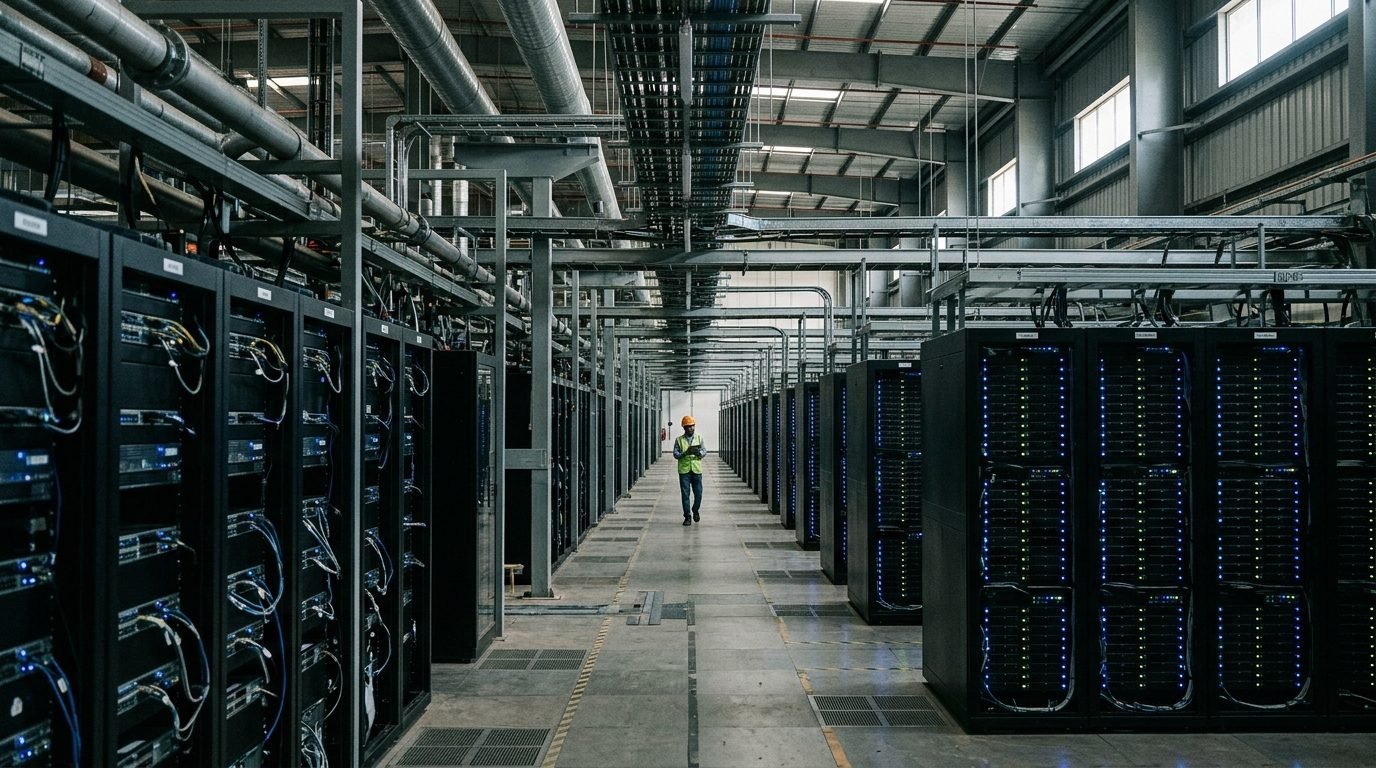
OpenAI Eyes Gigawatt-Scale India Data Centre As Local Users Cross 100 Million
With India now its second-largest market and weekly ChatGPT users past 100 million, OpenAI is scouting partners for a one-gigawatt facility under its Stargate infrastructure push.
More from this section
More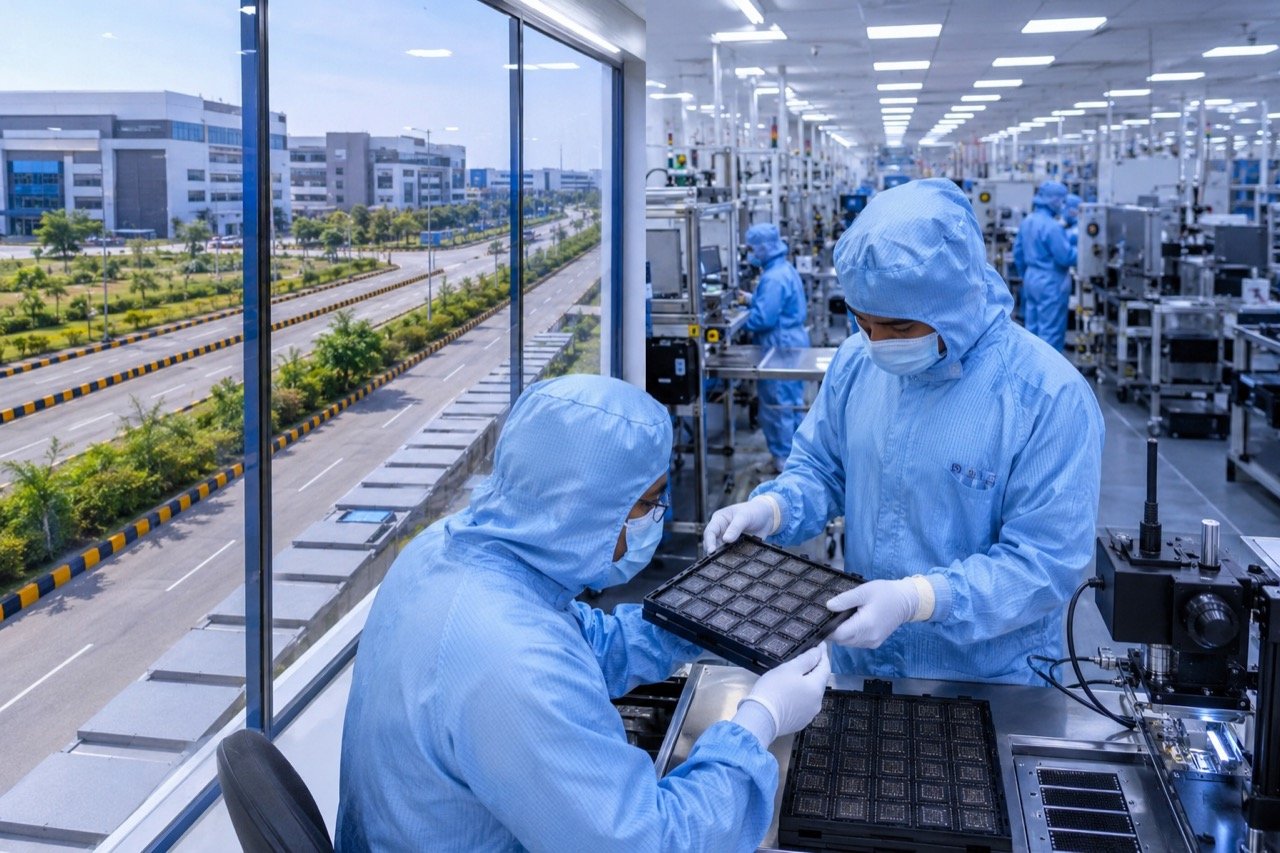
CG Semi Sanand Plant Opens, Boosting India's Semiconductor Drive
Prime Minister Narendra Modi inaugurated CG Semi's chip assembly and test facility in Sanand, Gujarat, giving India's semiconductor mission a working manufacturing milestone rather than another policy promise.
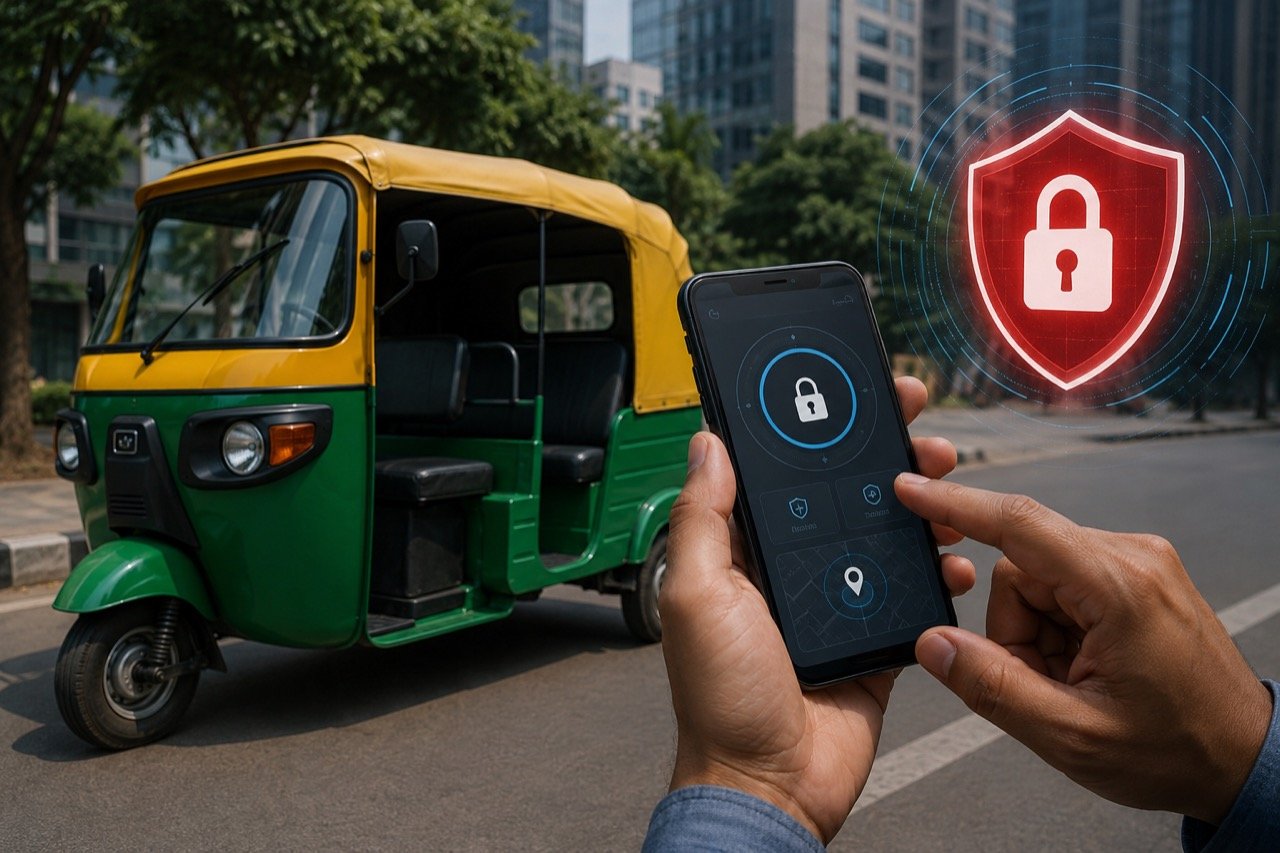
Chinese E-Rickshaw Apps Banned in India Over Remote Disable Risk
The Centre has ordered the removal of three Chinese apps — BAT-BMS, Lossigy and Epoch-i-ion — over fears they could remotely disable battery-run e-rickshaws, turning mobility software into a public safety concern.

Connected Car Rules: India Plans Vehicle Software Update Norms
With cars increasingly run by software, the government is reportedly preparing update and security norms aimed at preventing vehicle hijacking and governing how connected cars in India are patched and protected.